
The Żabiński villa
The house where people were hidden still stands on the site and can be visited.
Alina Zienowicz Ala z — CC BY-SA 3.0 · Rakoon — CC0 · Rakoon — CC0 · Rakoon — CC0
A zoo on the eastern bank of the Vistula in the Praga district, opened in 1928 and covering some forty hectares. Its official name carries those of Antonina and Jan Żabiński, which requires explanation: Jan was the zoo's director when war broke out. After bombing destroyed much of the zoo and most of its animals were killed or removed, the couple used the empty enclosures and the villa they lived in to hide Jews smuggled out of the Warsaw ghetto. An estimated three hundred people passed through the zoo to safety. The story was told in a book and then the film The Zookeeper's Wife, and the Żabiński villa on the site can be visited as part of the display. The zoo today is a large institution taking part in European breeding programmes, with an elephant house, an aquarium and a bird reserve. The grounds are wide and the paths level — allow half a day with children. Hours are seasonal and much shorter in winter.
The house where people were hidden still stands on the site and can be visited.
After bombing destroyed the zoo, its facilities were used to hide people.
Level paths and wide grounds, unlike hillside zoos.
Praga district, east bank of the Vistula
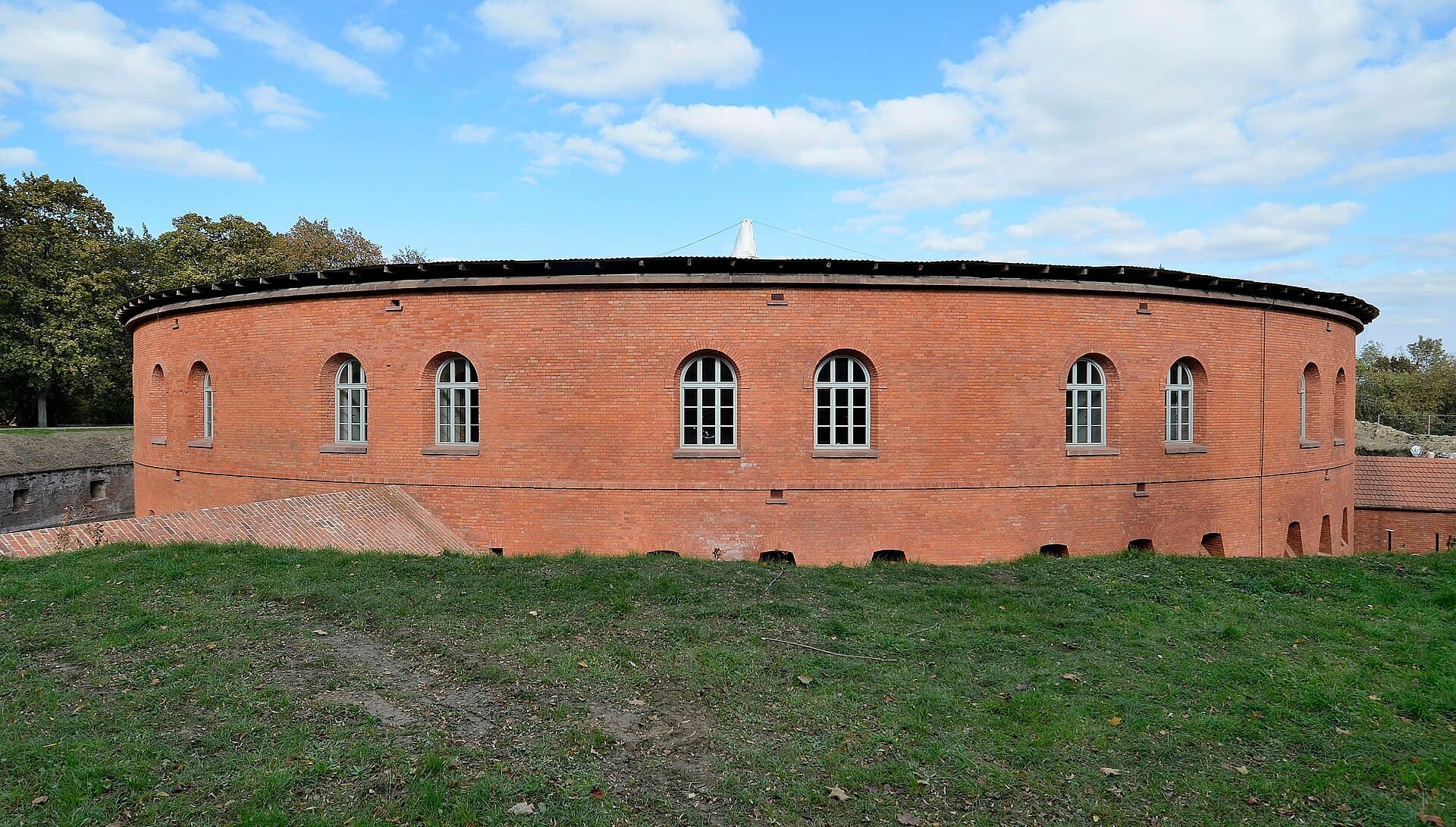 Fort LegionówA fort of the Warsaw Citadel system, built under Russian rule in the nineteenth 13 minutes walk4.6
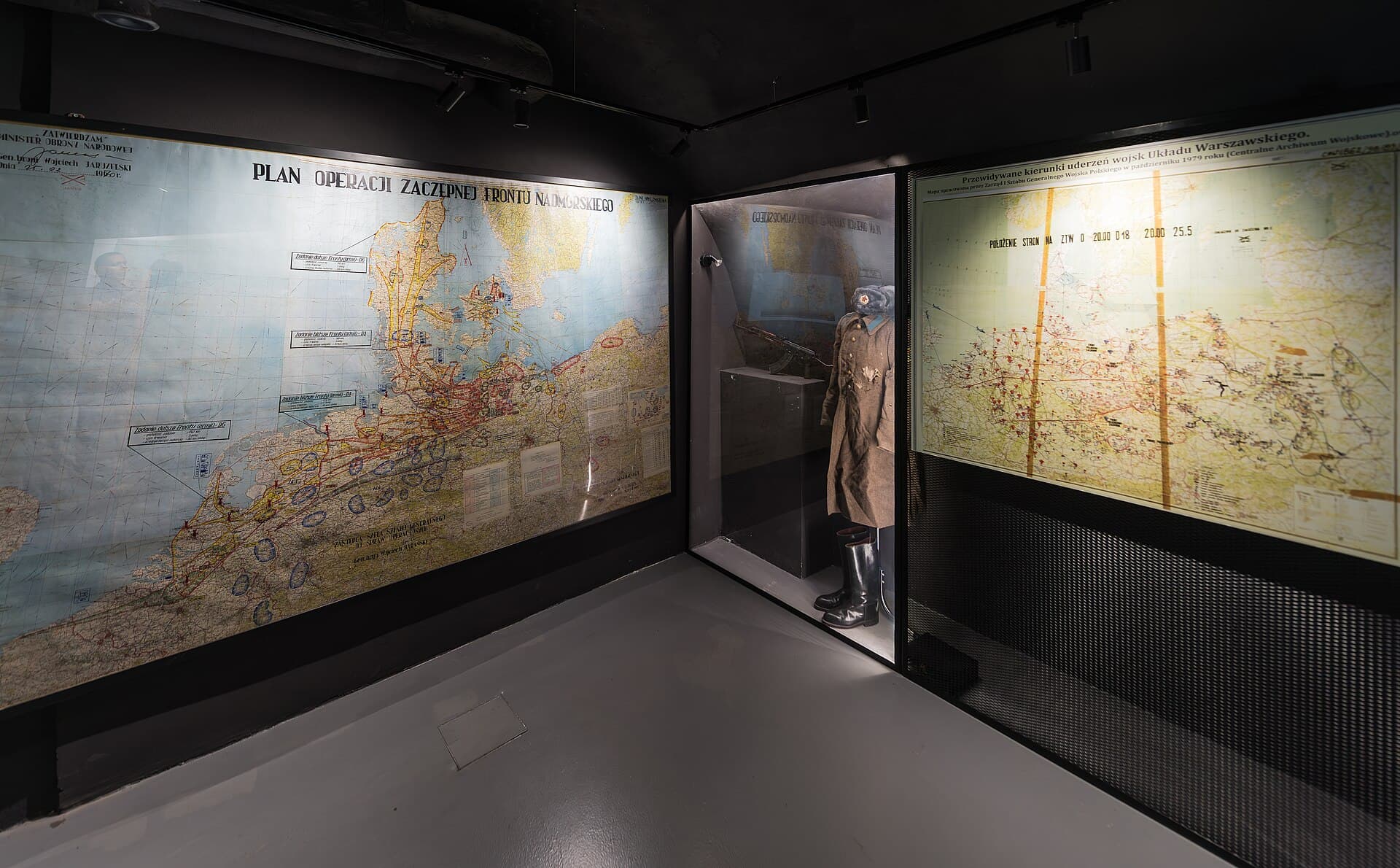 The Cold War MuseumA museum in Warsaw devoted to the Cold War, named after Colonel Ryszard Kuklińsk14 minutes walk4.5
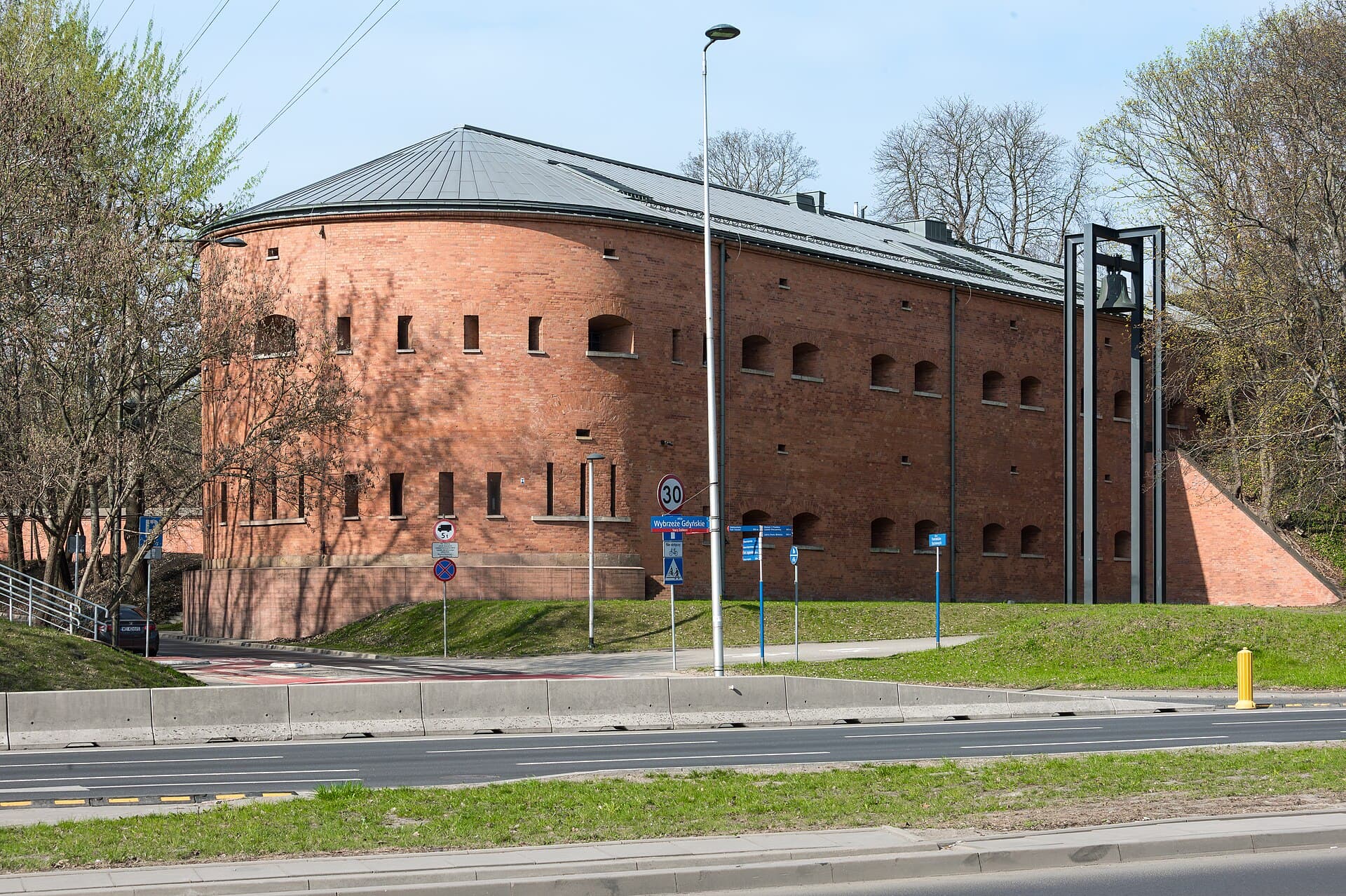 Katyń MuseumA museum inside a nineteenth-century bastion of the Warsaw Citadel devoted to th14 minutes walk4.6
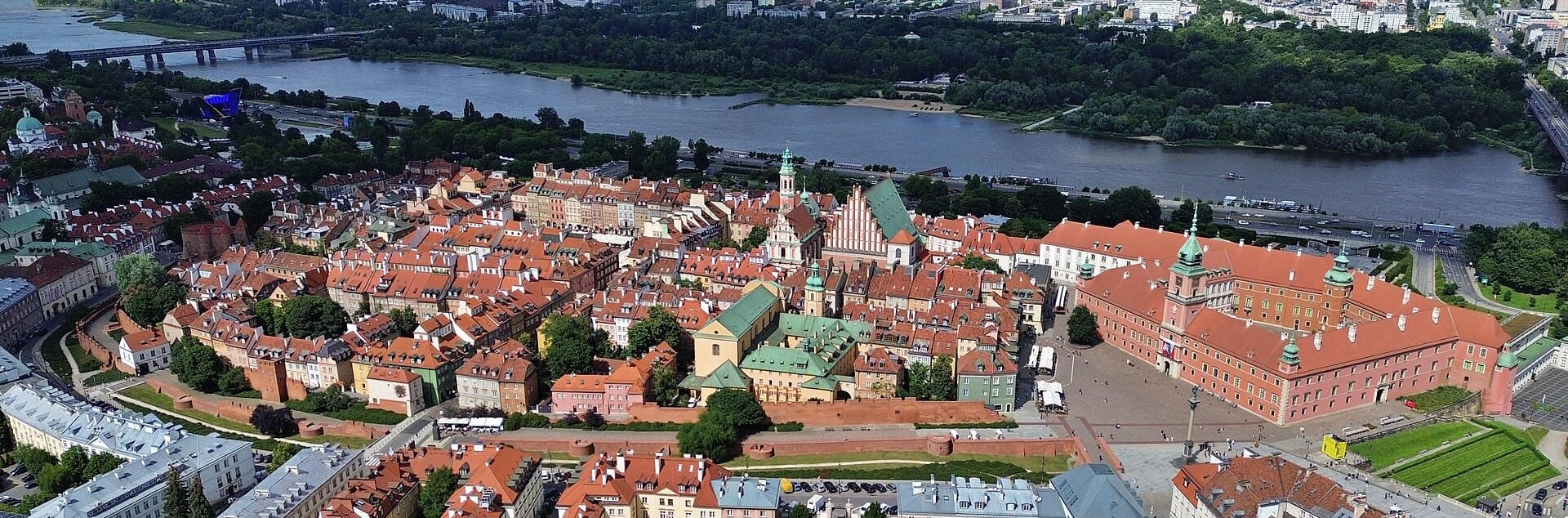 Warsaw Old TownWarsaw's Old Town is history's greatest urban resurrection: the Nazis demolished14 minutes walk
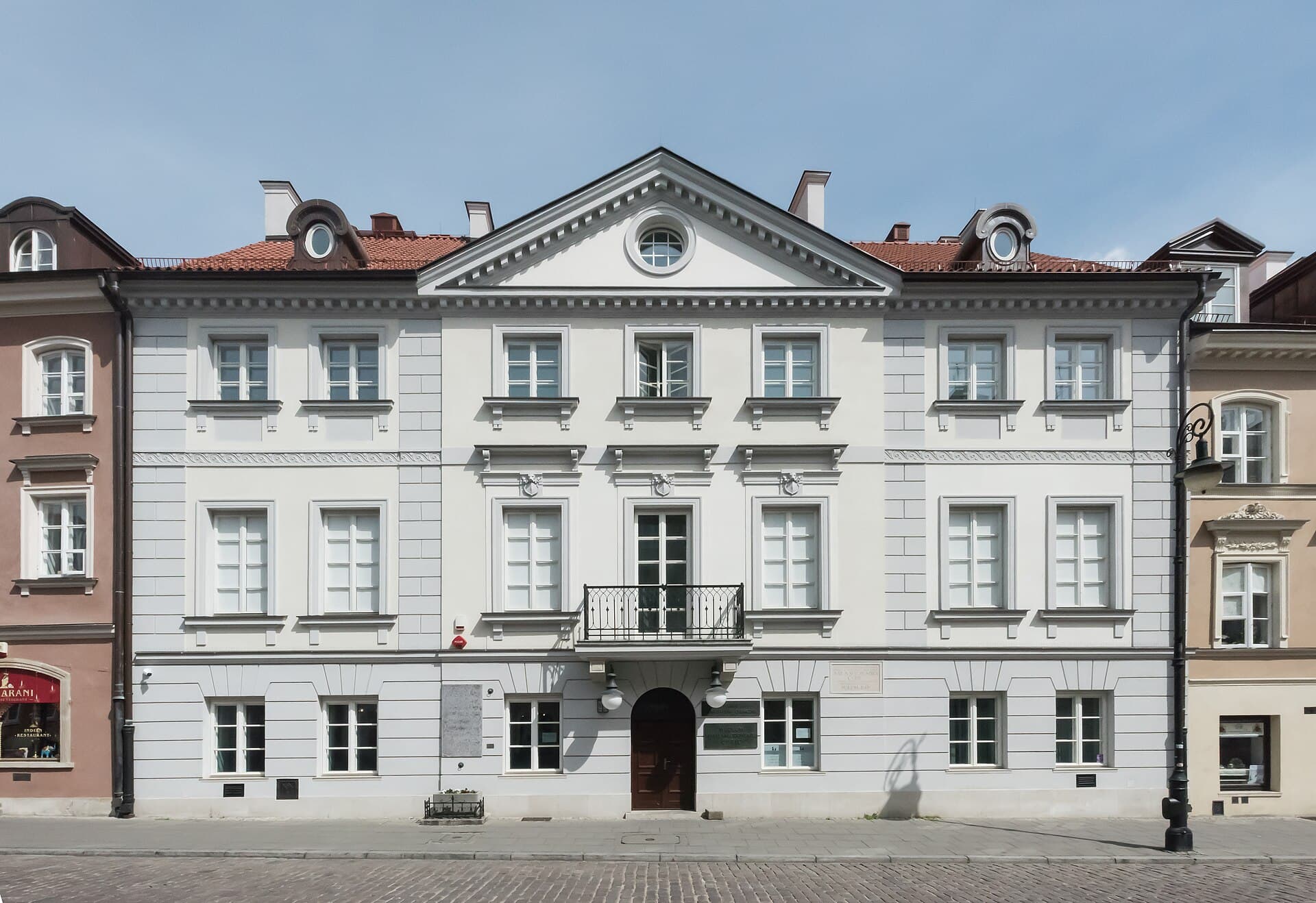 Maria Skłodowska-Curie MuseumA house in the New Town where Maria Skłodowska was born in 1867, known worldwide14 minutes walk4.4
Yes. Antonina Żabińska wrote her memoirs, and the couple were honoured as Righteous Among the Nations in 1965 on the testimony of those they saved. The later book and film added dramatic treatment, but the historical basis is documented and recognised.
Not as a priority. On a first visit the Old Town, POLIN, the Warsaw Uprising Museum and Łazienki Park come first. But with children the calculation changes entirely — the zoo is wide and level and can fill a comfortable half-day that balances a heavy day of museums.