
The first Bursa arch
The flattened arch between the hall and the mihrab eyvan is the earliest known example of a form that became a signature of early Ottoman building.
Mustafa DUMAN — CC BY 3.0 · Yahia.Mokhtar — CC BY-SA 4.0 · Dosseman — CC BY-SA 4.0 · Mustafa DUMAN — CC BY 3.0
The sultan they called the Thunderbolt, for the speed with which he moved between the Balkans and Anatolia, ended his life as Timur's prisoner after the Battle of Ankara in 1402, dying in captivity at Akşehir some eight months later. His body was brought back to Bursa and laid here, on a hill at the eastern edge of the city that still carries his name, beside the mosque he had built himself between 1391 and 1395. The tomb was not his doing: his son Emir Süleyman Çelebi raised it in 1406, as the inscription over the door records. It stands roughly fifty metres from the mosque and holds, besides Bayezid's cenotaph, those of his son İsa Çelebi and one of his wives, plus two whose occupants are unidentified. The mosque is an early, unusually pure example of what historians call the Bursa style: a domed central hall with the mihrab eyvan beyond it in an inverted-T plan, and side rooms with fireplaces that once lodged dervishes and travellers. It is built of cut stone with hardly any brick, which is where its gravity comes from. Between the hall and the southern eyvan you will notice an oddly flattened arch; this is the first known Bursa arch, a form that would be repeated in the Bayezid II mosque and elsewhere. The two minarets are not original. The 1855 earthquake brought the minaret down and wrecked much of the complex; what stands today is the result of successive restorations, and the pair of minarets was rebuilt to the original design in 2011. Around the mosque lie the remains of a full külliye: a madrasa eighty metres down the slope that now serves as a health facility, a hospital that ranks as the first purpose-built hospital in Ottoman architecture and, after a 1990s restoration, is still in use as an eye hospital, and a small bathhouse. You cannot go inside any of them, but walking between them gives a real sense of the Ottoman charitable complex before it reached its grand form in Istanbul. The whole ensemble is one component of the Bursa and Cumalıkızık World Heritage site inscribed in 2014. Honesty demands saying that this is quieter and plainer than the Green Mosque and Green Tomb, and there are no coloured tiles to speak of. That is also its charm: you stand alone in a six-hundred-year-old stone hall, then step out to a view across the whole Bursa plain. The complex is about two kilometres east of the Yeşil quarter, past the Emir Sultan mosque; a taxi from there is cheap, or take the Yıldırım minibus. The hill is steep and stepped, so it is awkward with pushchairs and hard on older knees, and in August heat go early or towards sunset. Entry is free, headscarf and covered legs apply as in any mosque, and the tomb is opened by a custodian in daytime only.
The flattened arch between the hall and the mihrab eyvan is the earliest known example of a form that became a signature of early Ottoman building.
Built in 1406 by his son Süleyman Çelebi for a sultan who died as Timur's prisoner, and holding his son İsa Çelebi's cenotaph too.
The darüşşifa below the mosque is the earliest purpose-built hospital in Ottoman architecture and still an eye hospital, seen from outside only.
Yıldırım Mahallesi, Yıldırım district, Bursa
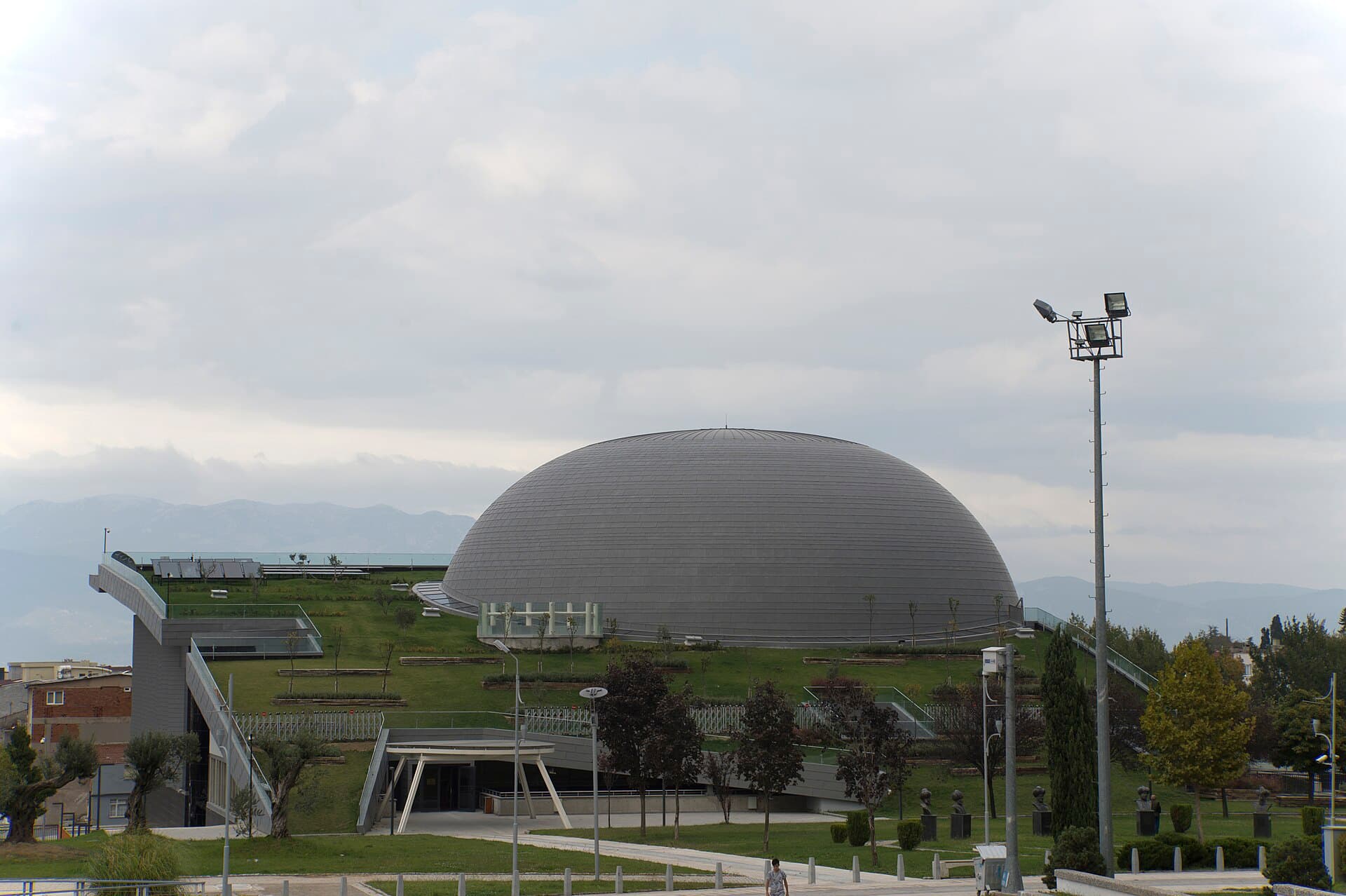 Panorama 1326 Bursa Conquest MuseumOn 6 April 1326 Bursa's citadel surrendered to Orhan Gazi after a long siege and8 min walk
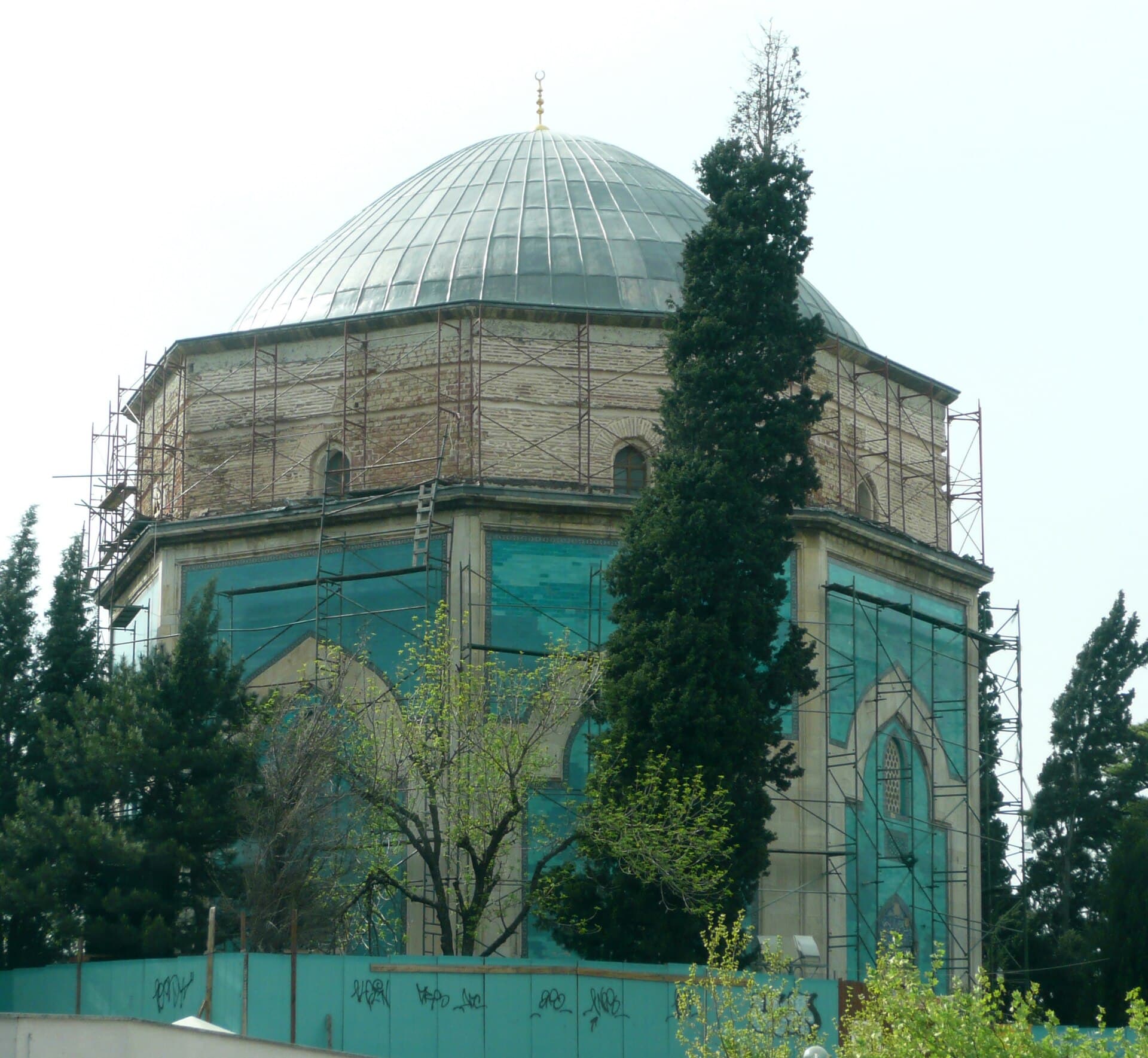 Green Mosque (Yeşil Cami)It is called the Green Mosque and its façade is white marble, so do not judge it11 min walk
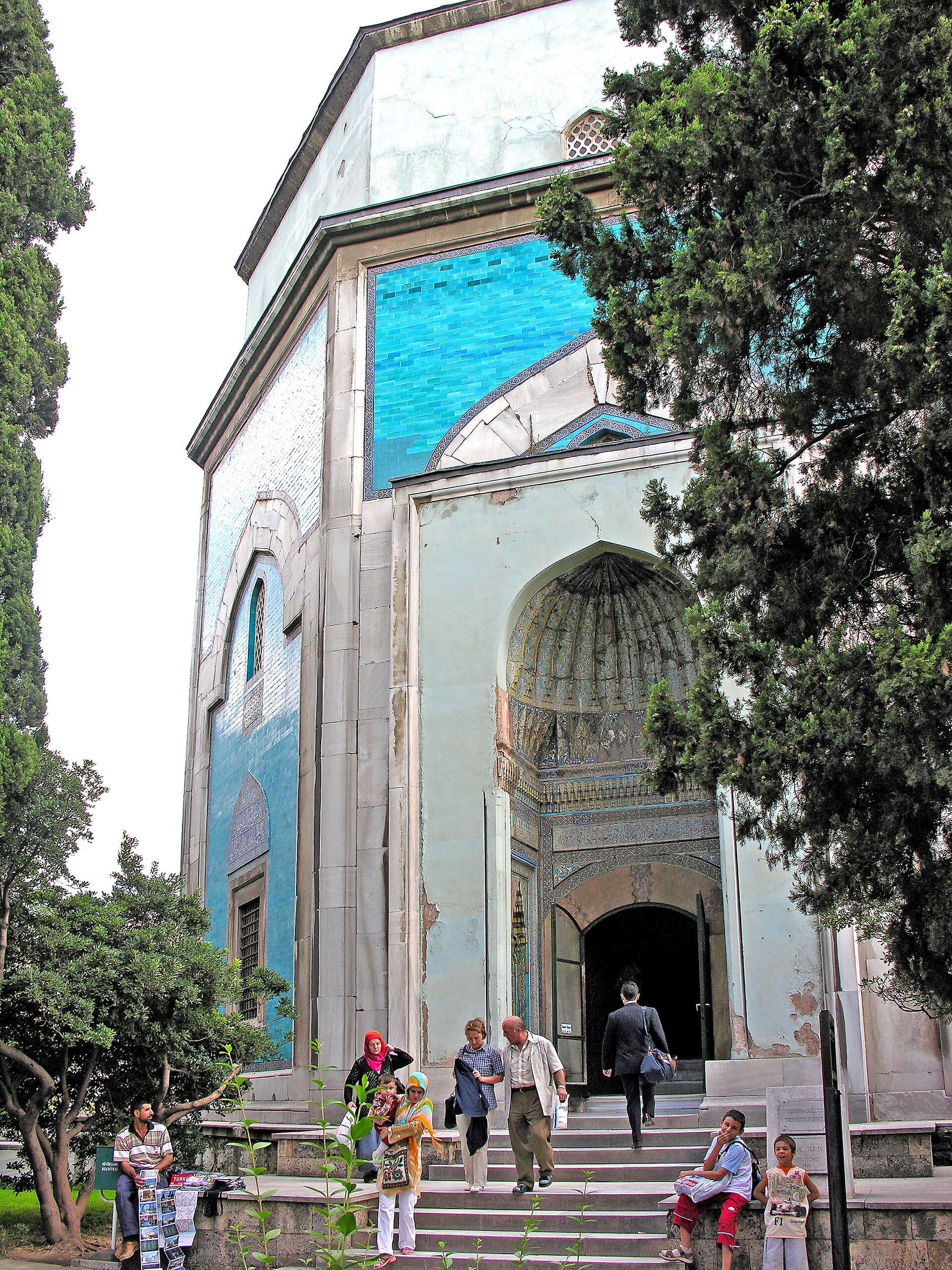 Green Tomb (Yeşil Türbe)The sultan who stitched the Ottoman state back together after the disaster at An12 min walk
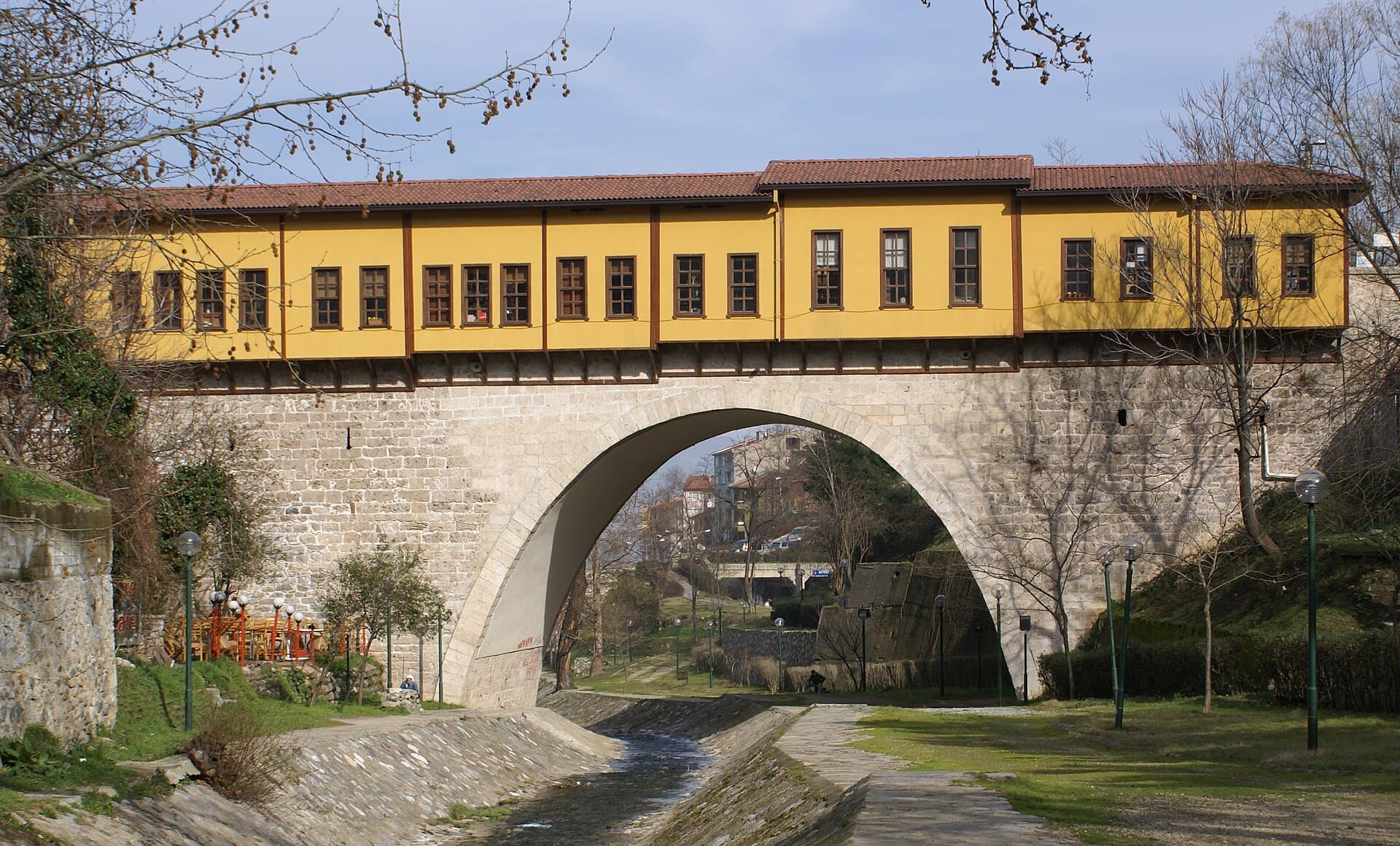 Irgandı BridgeIt is a bazaar that happens to be a bridge, not a bridge that happens to have a 15 min walk
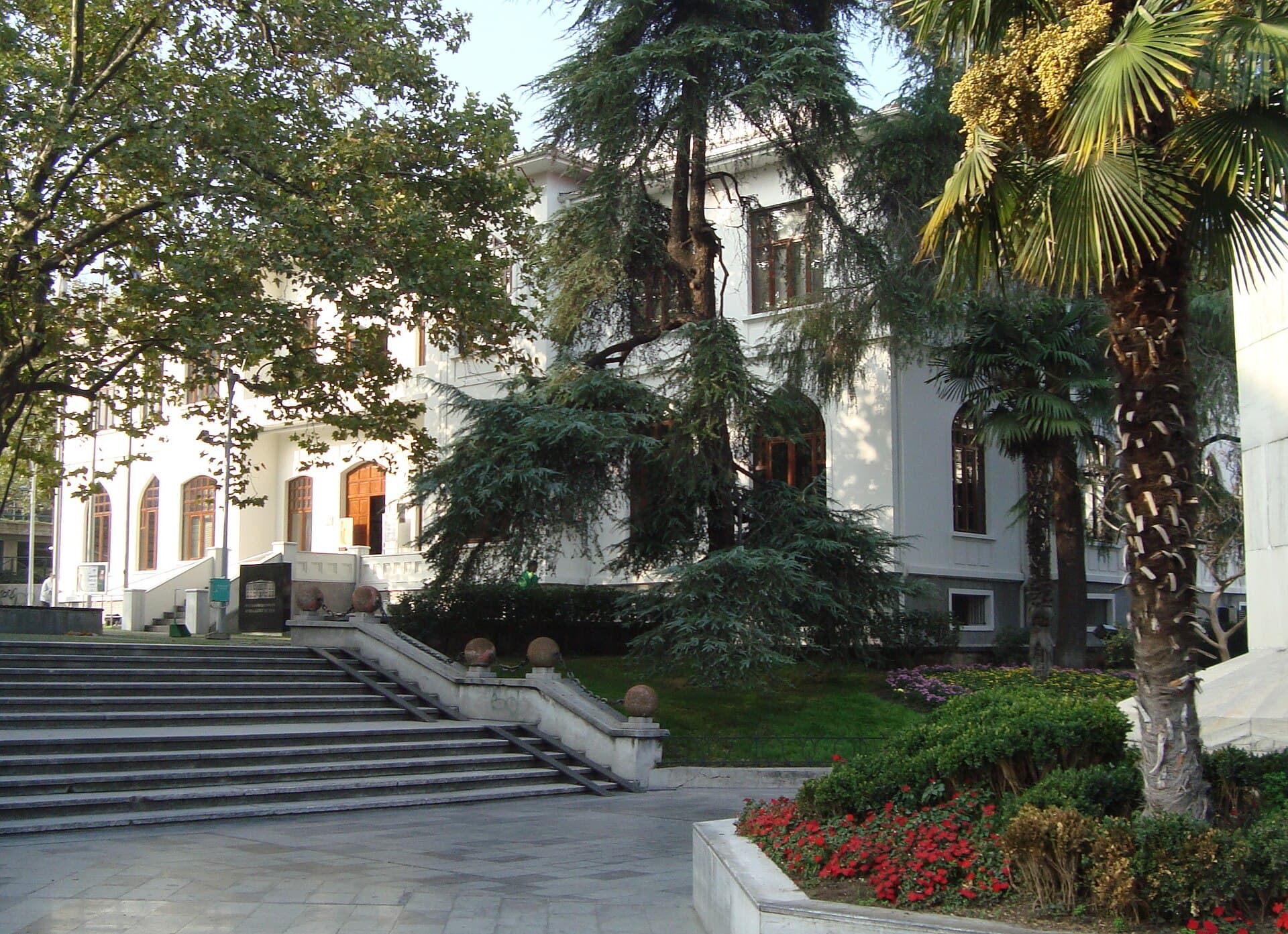 Bursa City MuseumTurkey's first city museum was never built to be one: it was the courthouse. The18 min walk
Not on a one-day visit to Bursa; the Green complex is finer and closer. If early Ottoman architecture interests you, or you want a historic mosque with nobody else in it, this is an excellent half hour with a city view, and it pairs naturally with Emir Sultan mosque on the way.
The hill is steep and the approach involves steps and slopes, so a pushchair is more burden than help. Walking children will manage fine, but there is little here to hold them beyond a quarter of an hour.
Sign in to write your review of this place.
No reviews yet — be the first.