
Cemeteries are the forests
Trees were sheltered here from wind and sheep for 150 years.
Christian Bickel fingalo — CC BY-SA 2.0 de · Bryan Ledgard — CC BY 2.0 · Helgi Halldórsson from Reykjavík, Iceland — CC BY-SA 2.0 · Gerd Eichmann — CC BY 4.0
Reykjavik's oldest cemetery, opened in 1838, and today among the quietest green spaces in the city and by far the most densely treed. That last detail is the key. Iceland is nearly treeless, and its cemeteries are the exception: trees were planted here over a century and a half and protected from wind and sheep, so this cemetery is effectively the densest woodland in Reykjavik. In Iceland, cemeteries are where the trees are. The cemetery holds the graves of figures central to modern Icelandic history, and its headstones show the development of family names and trades across a century and a half. The local style is striking: many graves are ringed by small iron railings marking the family plot, a pattern that vanished across most of Europe but survived here. Practical points: entry is free and the cemetery is open during daylight hours. This is a working and respected burial ground — keep quiet and be restrained with photography. It is a short walk from central Reykjavik.
Trees were sheltered here from wind and sheep for 150 years.
A pattern that vanished in Europe and survived in Iceland.
The headstones show family names and trades evolving over 150 years.
West of central Reykjavik
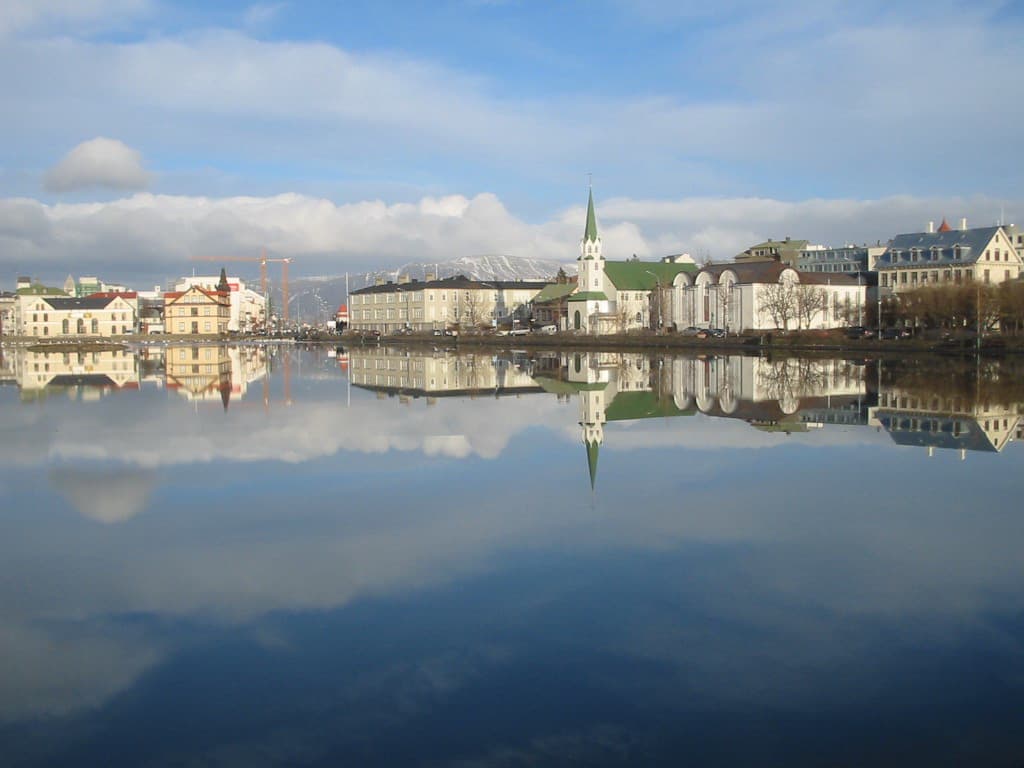 Tjörnin LakeA small lake in the immediate centre of Reykjavik, whose name means simply the p3 minutes walk4.8
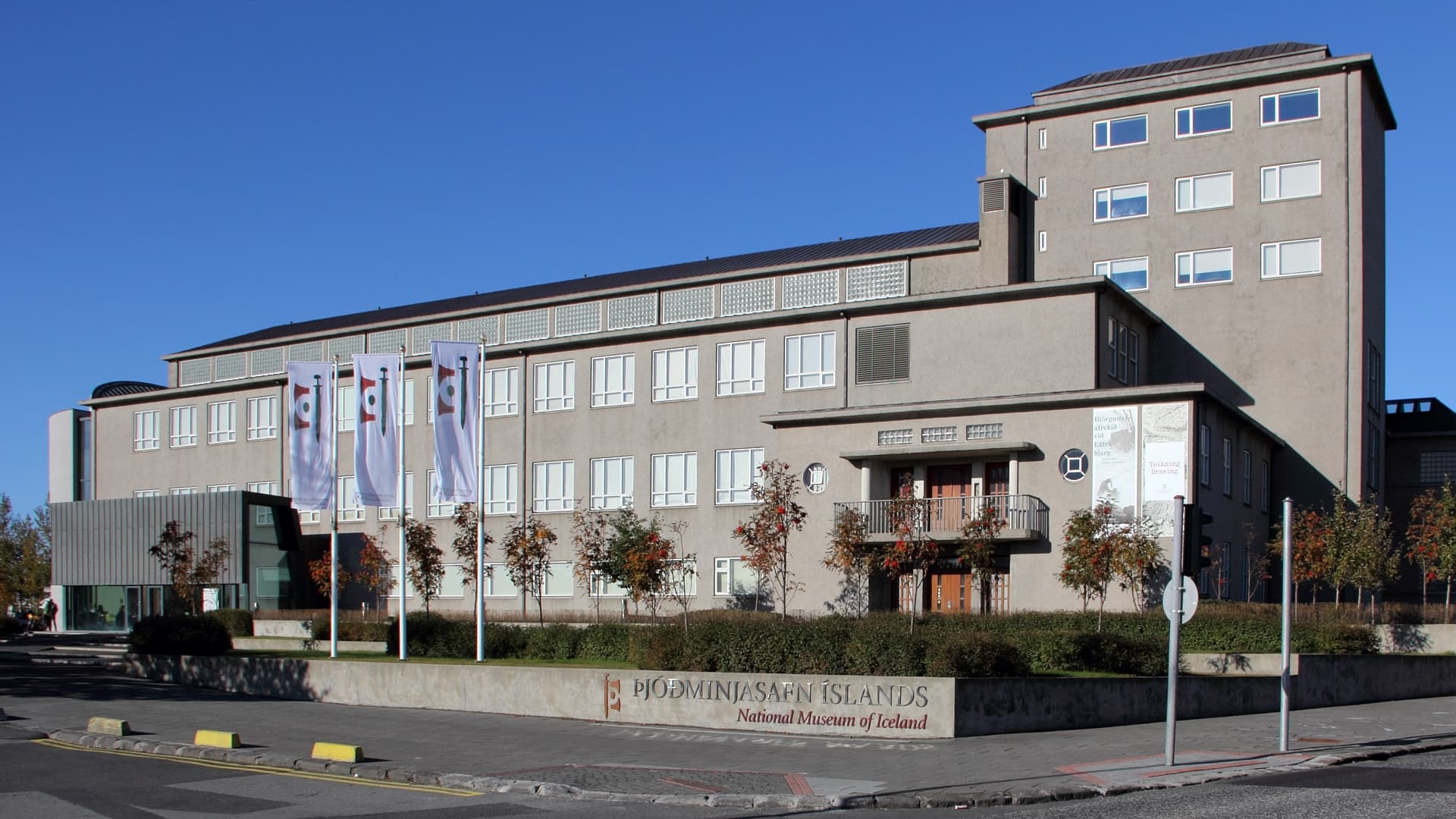 National Museum of IcelandEleven hundred years on two floors: the National Museum beside the university te4 minutes walk4.6
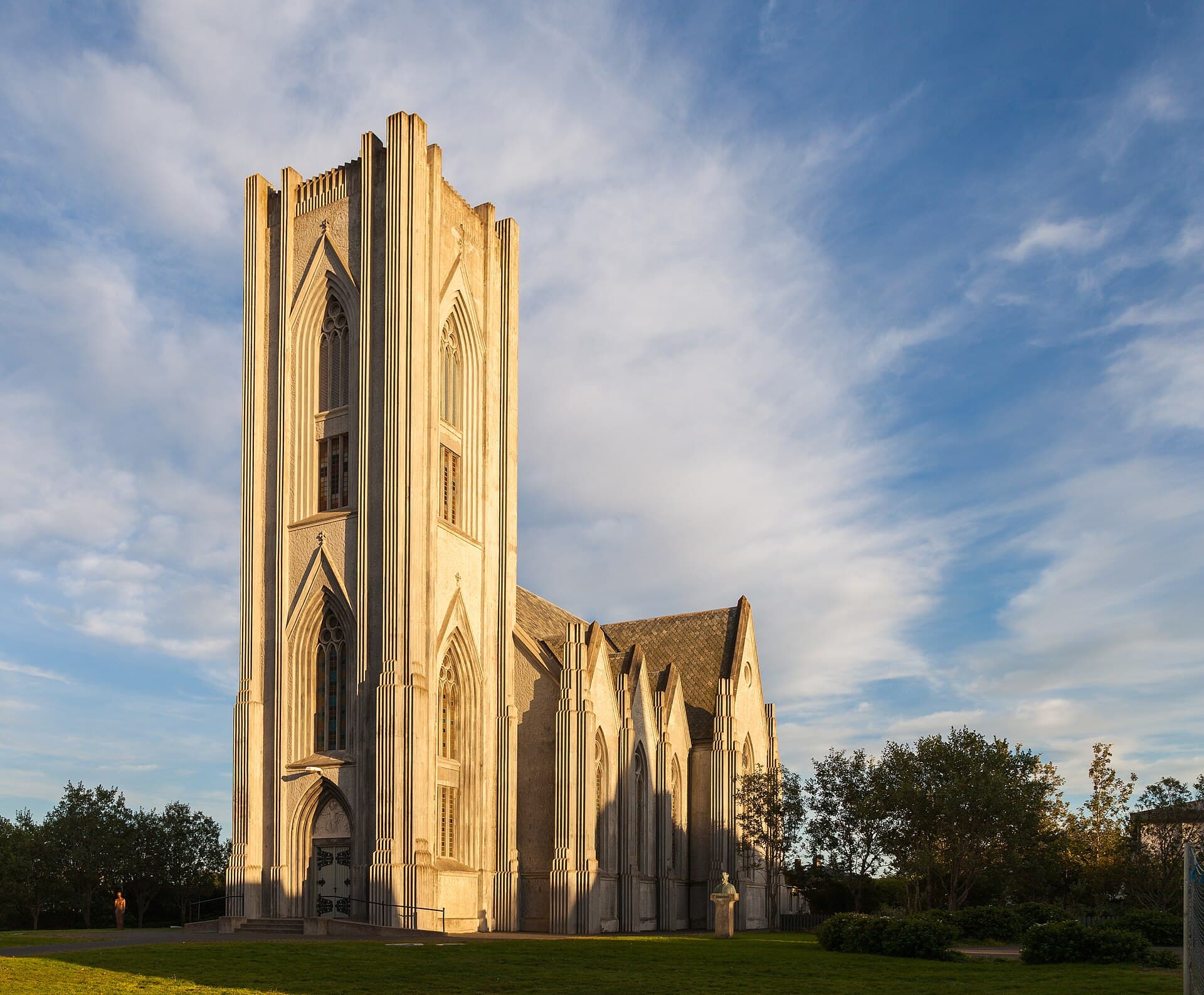 Cathedral of Christ the KingIceland's Catholic cathedral, on the Landakot hill west of central Reykjavik, co4 minutes walk4.4
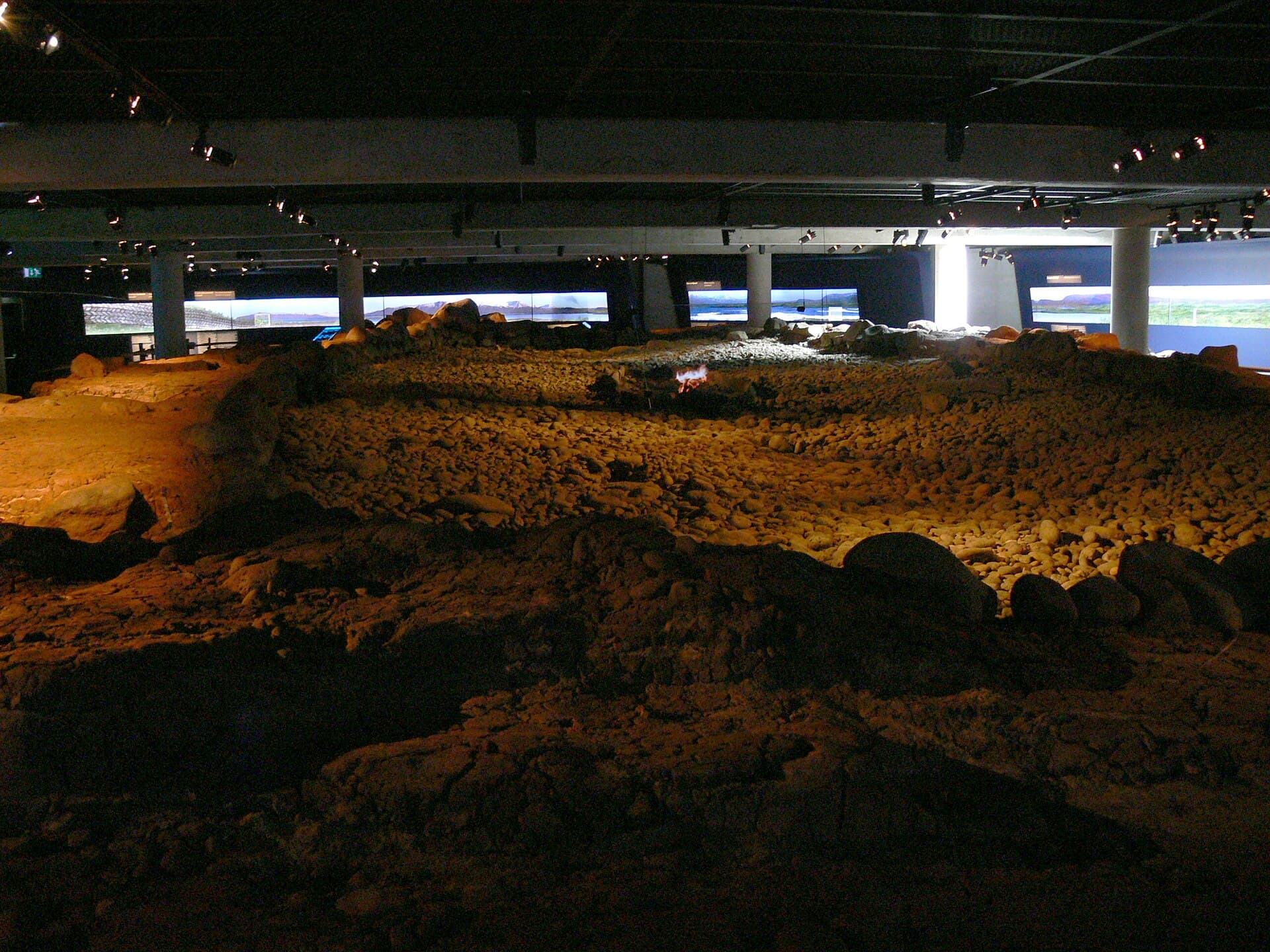 The Settlement Exhibition 871±2Reykjavik's oldest house exactly where it was found: digging hotel foundations i5 minutes walk4.4
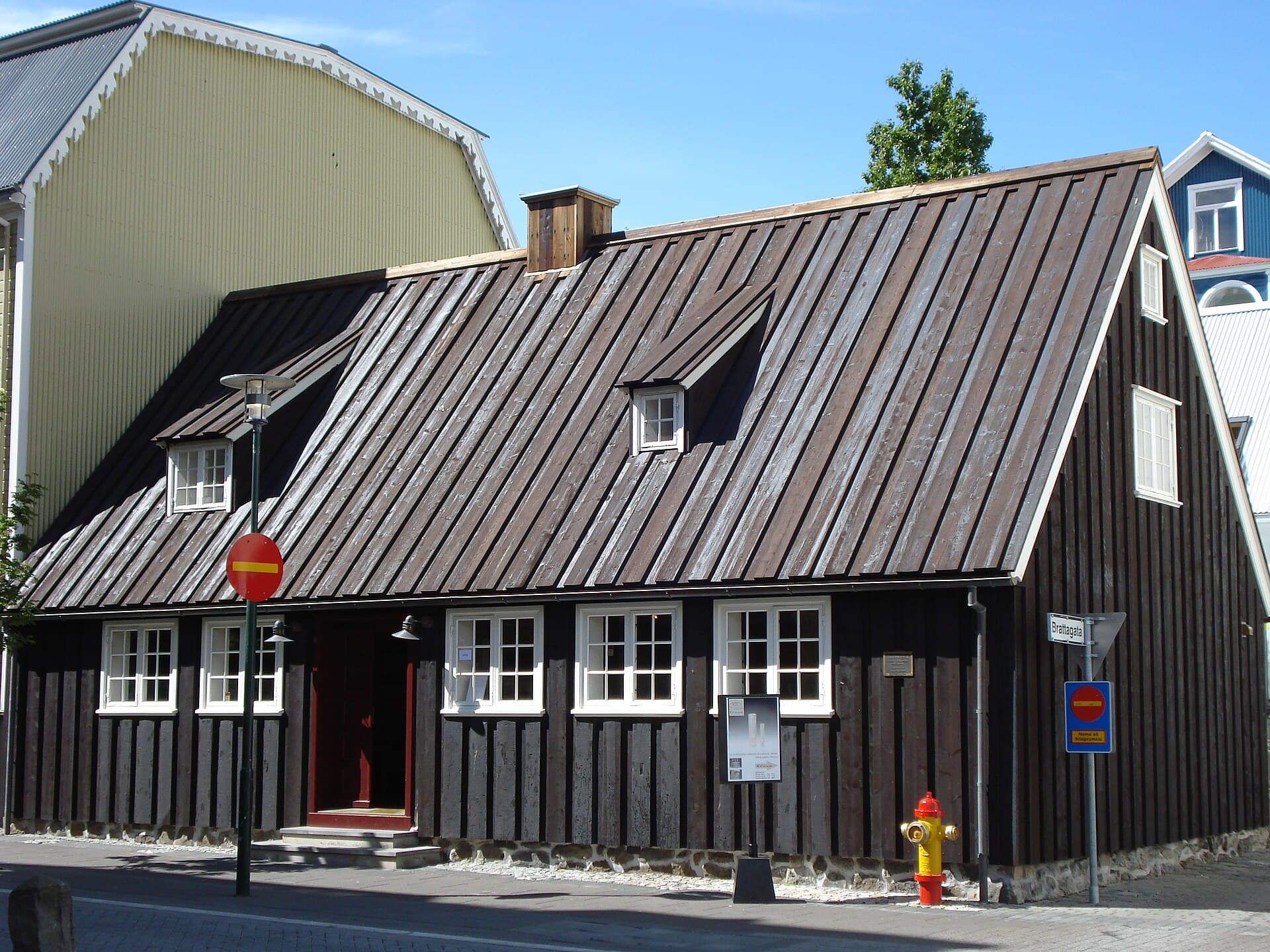 Aðalstræti 10The oldest surviving house in Reykjavik, dating to around 1762, working today as6 minutes walk4.5
Most Icelanders have no family name but a patronymic: the son of Björn is Björnsson and his daughter Björnsdóttir. That means members of one household carry different surnames, and the phone book is ordered by first name. The headstones here show the system clearly, and also the minority who carry inherited family names.
Yes — it is an open public space used by residents for walking and is listed as a heritage site. But it remains a working cemetery where funerals are held: speak quietly, do not stand near a ceremony, and do not photograph people. Walking among the trees and reading the headstones is entirely accepted.