
Forty bird species
A nesting and feeding lake in the middle of a capital.
Helgi Hall from Reykjavík, Iceland — CC BY 2.0 · Ray Swi-hymn from Sijhih-Taipei, Taiwan — CC BY-SA 2.0 · Ray Swi-hymn from Sijhih-Taipei, Taiwan — CC BY-SA 2.0 · Ray Swi-hymn from Sijhih-Taipei, Taiwan — CC BY-SA 2.0
A small lake in the immediate centre of Reykjavik, whose name means simply the pond, surrounded by the city hall, the National Gallery and painted wooden houses. Its main value is as a nesting and feeding site for large numbers of waterbirds in the middle of a capital: swans, geese, gulls and waders, with over forty species recorded. Feeding the birds is a firmly established local tradition that children practise daily. A striking practical detail: part of the lake stays unfrozen in winter because geothermal water is deliberately pumped into it, and the birds gather there. This is a small example of how geothermal heat is used in the details of daily life here — as it is to melt the pavements in the city centre. A short path runs around the lake linking the centre, the National Gallery and the Hljómskálagarður park. Practical points: free and always open. Do not feed the birds white bread — signs explain this, and bread harms waterbirds. In winter the surface ice is not safe to walk on however thick it looks.
A nesting and feeding lake in the middle of a capital.
It warms the lake as it melts ice from the centre's pavements.
Linking the centre, the National Gallery and Hljómskálagarður park.
Central Reykjavik, behind the city hall
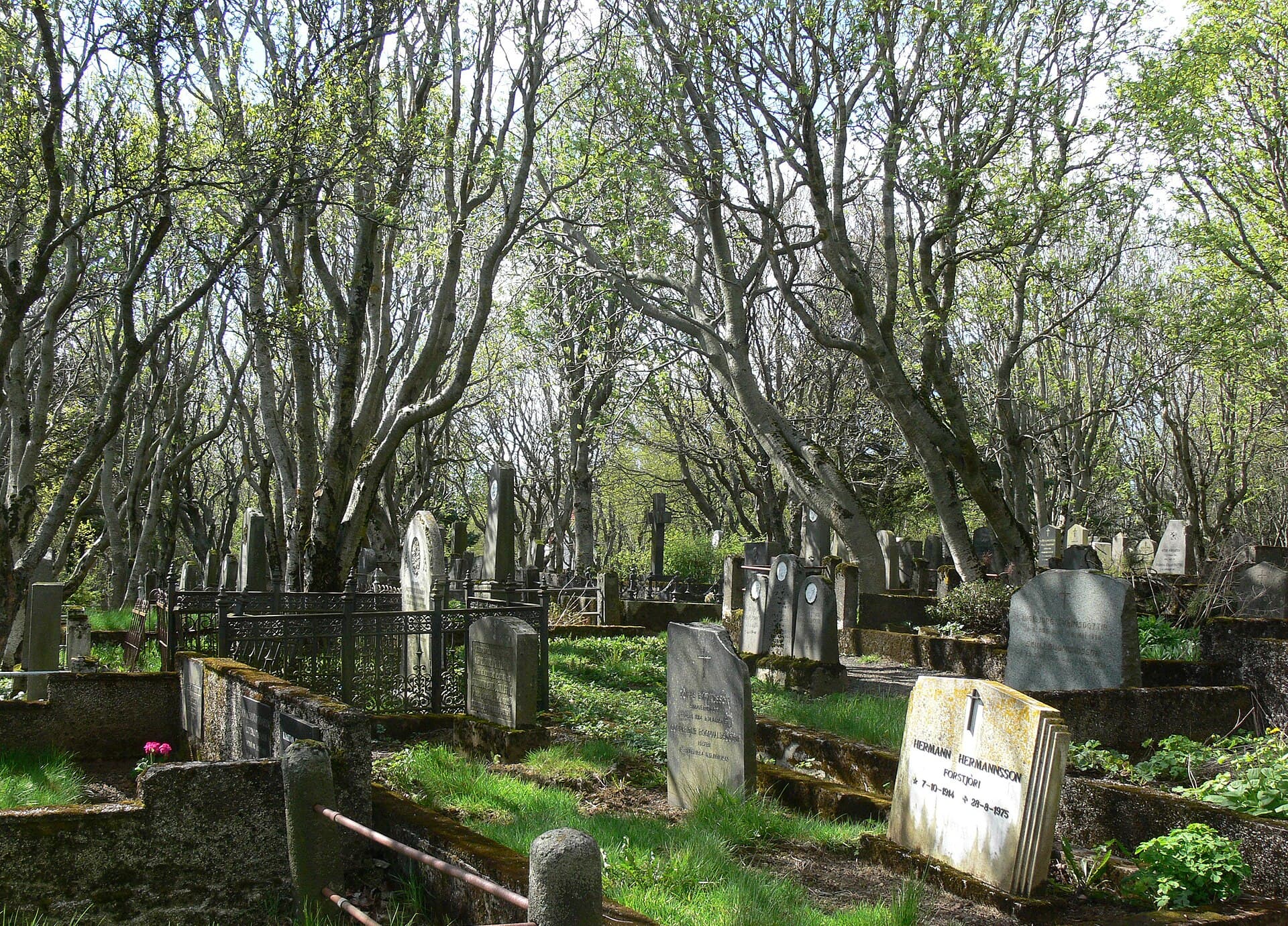 Hólavallagarður CemeteryReykjavik's oldest cemetery, opened in 1838, and today among the quietest green 3 minutes walk4.8
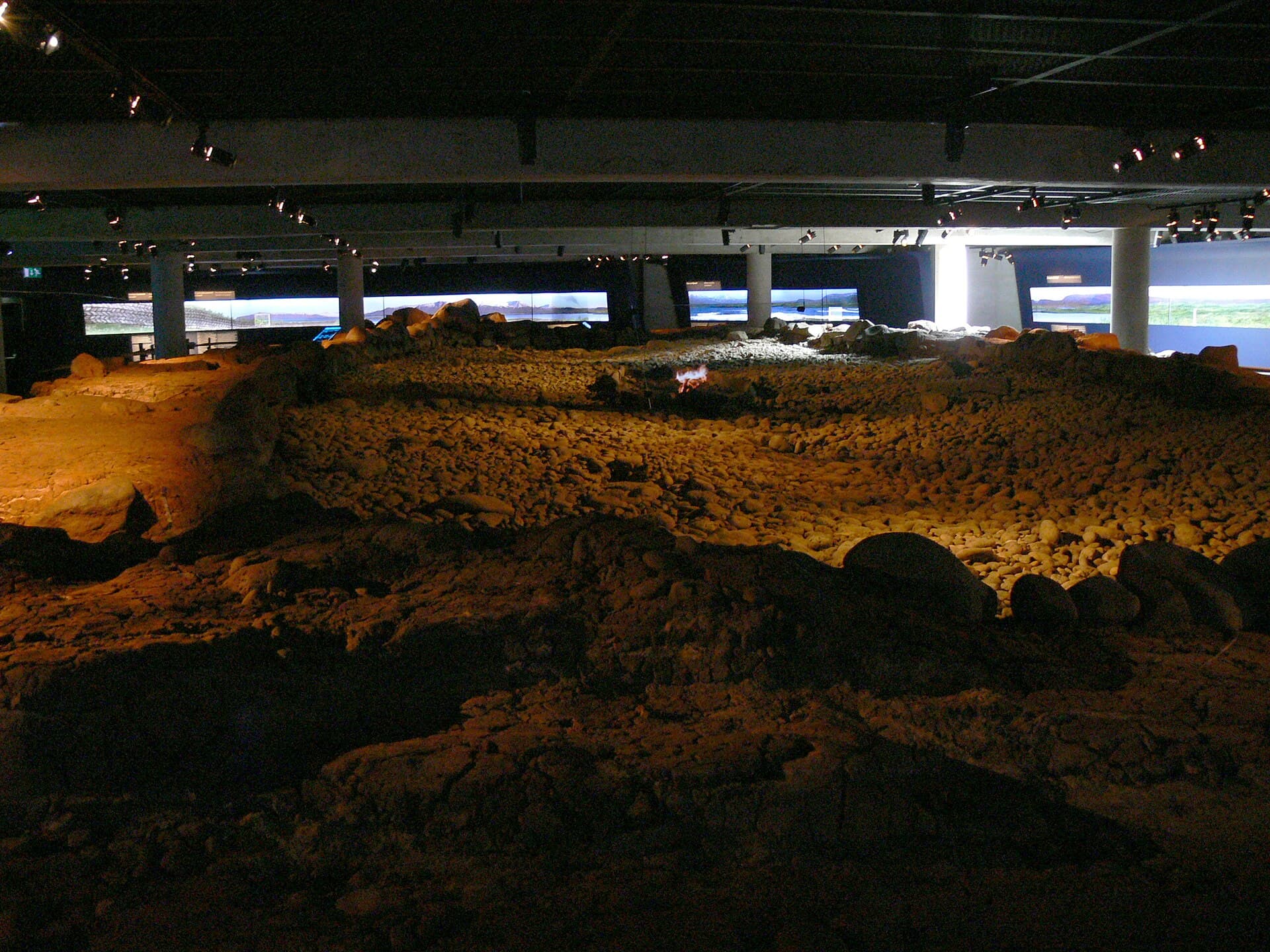 The Settlement Exhibition 871±2Reykjavik's oldest house exactly where it was found: digging hotel foundations i4 minutes walk4.4
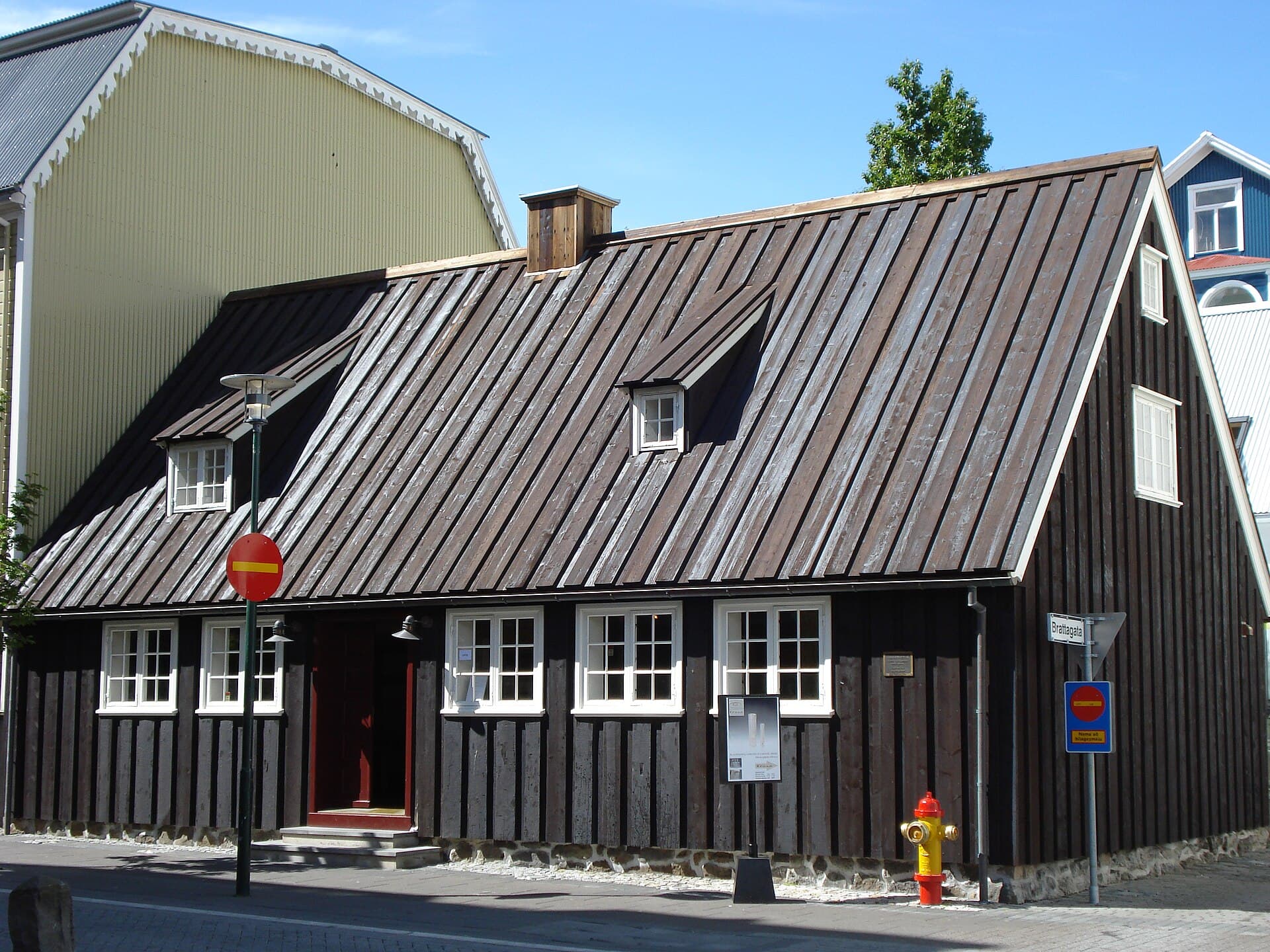 Aðalstræti 10The oldest surviving house in Reykjavik, dating to around 1762, working today as5 minutes walk4.5
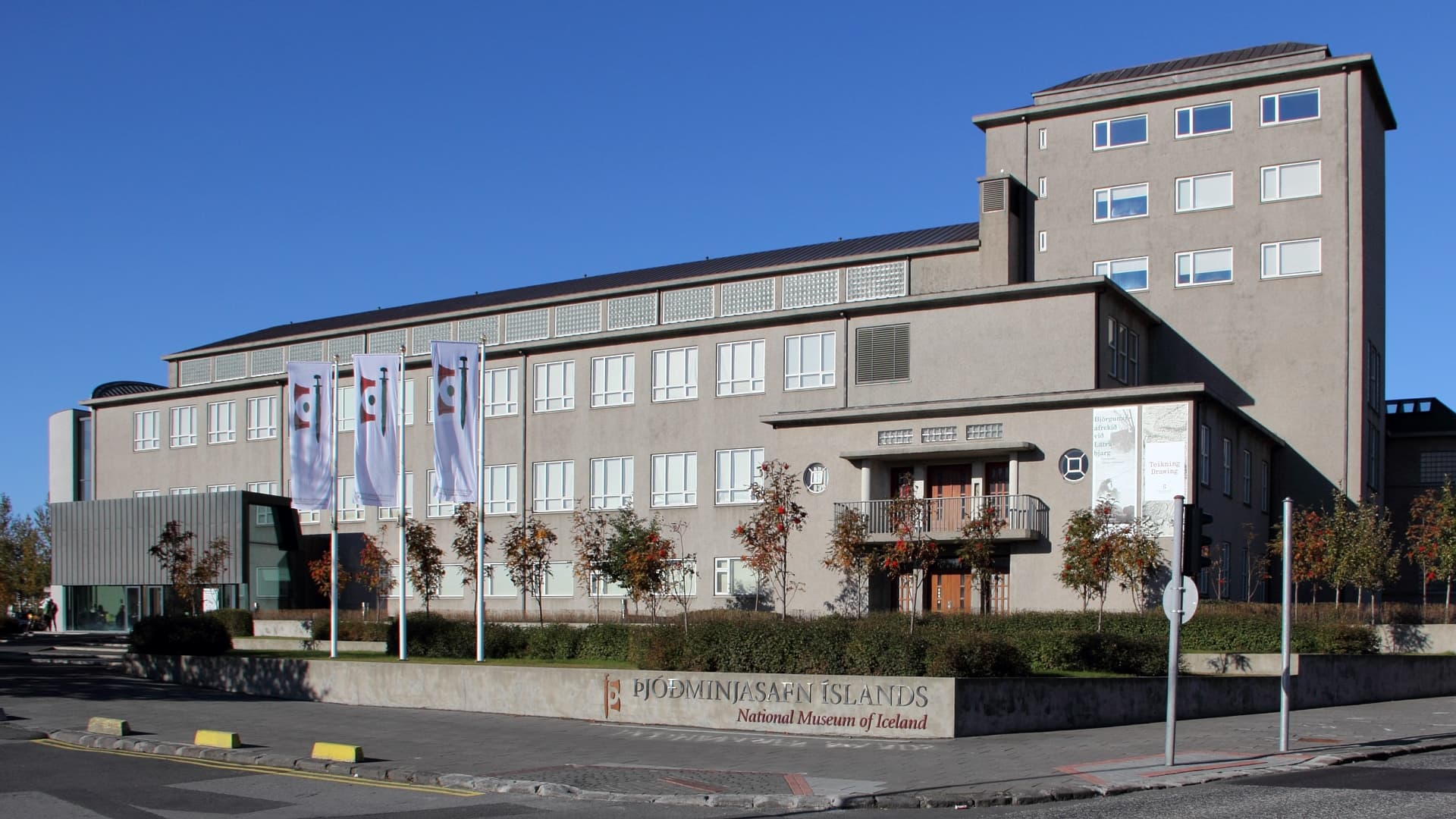 National Museum of IcelandEleven hundred years on two floors: the National Museum beside the university te5 minutes walk4.6
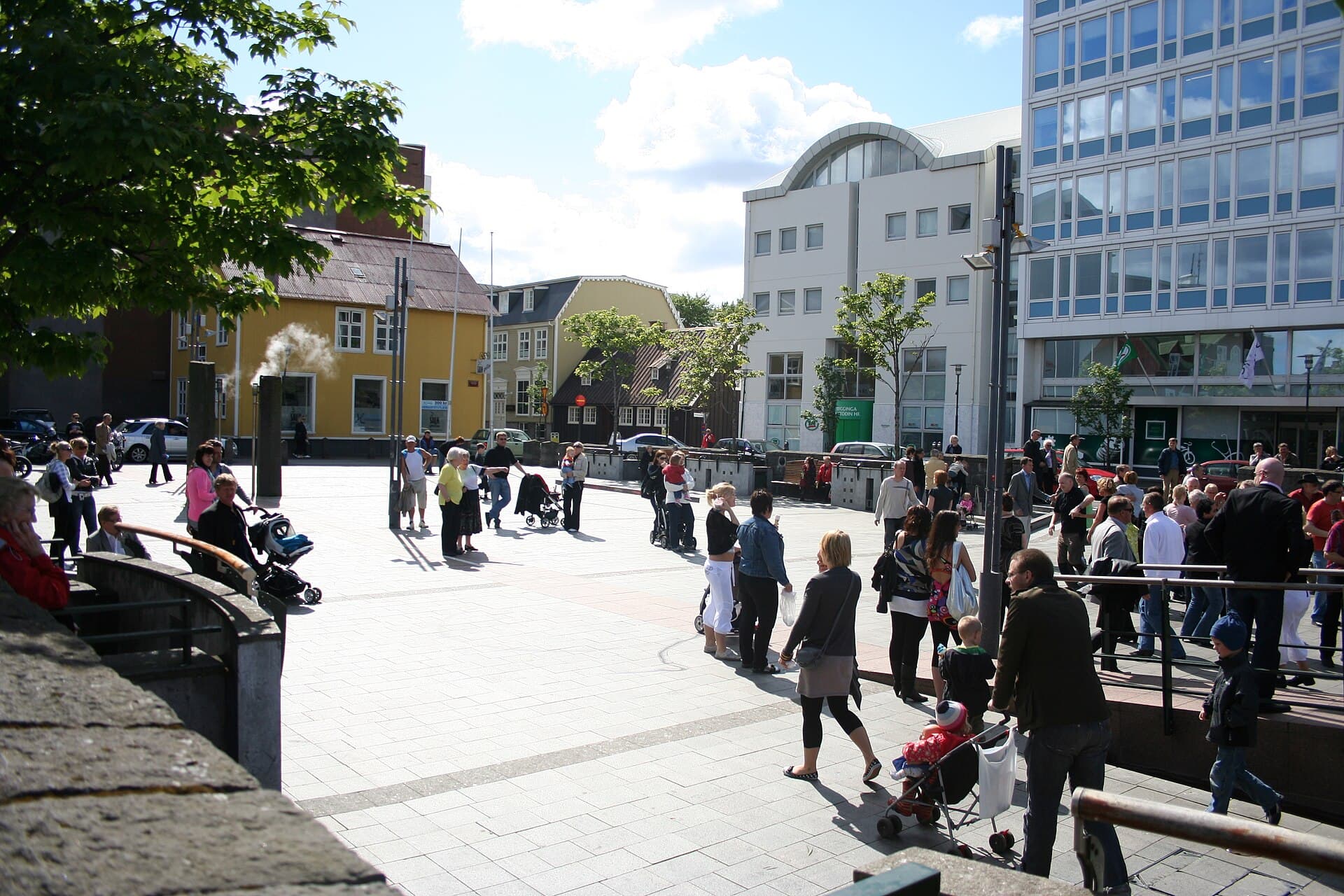 Ingólfstorg SquareAn open square in central Reykjavik, named after Ingólfur Arnarson, whom the Ice5 minutes walk4.6
Because white bread has no nutritional value for waterbirds and fills their stomachs so they stop eating what they need, and it can cause wing deformities in young birds. Leftovers in the water also rot and encourage algae. Signs on site suggest alternatives such as oats or birdseed, and many residents carry them.
In almost everything: heating homes, hot water from the taps, and pools open year-round. In central Reykjavik hot water pipes run beneath some pavements and streets to melt snow automatically in winter, so the city does not need to clear it. Warming part of Tjörnin to keep it open for the birds is an extension of the same logic.