
A house from 1495
The surviving wing of the Ramazanoğlu emirs' palace, where Selim I and Süleyman the Magnificent lodged when they passed through Adana.
Dosseman — CC BY-SA 4.0 · John Lubbock — CC BY-SA 2.0 · Seyhan668 — CC BY-SA 4.0 · Seyhan668 — CC BY-SA 4.0
A few steps from Adana's Great Mosque stands one of the oldest surviving houses in all of Türkiye: a stone block put up in 1495 as the seat of the Ramazanoğlu emirs, who ran Adana and the Cilician plain before bending the knee to the Ottomans. What you see is not the palace but a single wing that outlived a larger compound, and it is a wing with a guest list: the sources count Selim I, most likely on his way to conquer Egypt, and Süleyman the Magnificent among the sultans who lodged here when they passed through Adana. For a 'palace' it is modest. Three storeys on a footprint of roughly sixteen by ten and a half metres, cut stone below and brick above, in the striped manner that echoes the Mamluk taste of the mosque next door. Inside there is almost no ornament: vaulted passages, a small kitchen, the remains of a bath, and rooms now used for lectures and exhibitions. The one flourish waits on the west wall of an upper room, a beautifully cut Quranic inscription, the verse about Zakariya entering the mihrab, which tells you the room was the household's prayer space. Arab visitors can read it unaided, a small pleasure the European tourist here does not get. The house was restored in 1983 and again after the 1998 earthquake, then handed in 2009 to Çukurova University, which runs it as a cultural centre. So do not expect a furnished house-museum of carpets and Ottoman brassware. Entry is free during working hours, and outside an event or exhibition you may well find the door shut without warning. The university uses it for lectures, exhibitions and the occasional concert, generally free and open to anyone, so its own announcements are the only reliable guide to when the door is open. The honest verdict: the stone façade and the setting are the point, and the interior is a bonus if you catch the door open. Give it fifteen minutes as one stop on the old-town walk that takes in the Great Mosque, the Büyük Saat clock tower and the Kazancılar bazaar, and start early in summer, since Adana in July and August is merciless after noon. The ground floor is fine for a pushchair; the upper floors are reached by a narrow stone stair and there is no lift.
The surviving wing of the Ramazanoğlu emirs' palace, where Selim I and Süleyman the Magnificent lodged when they passed through Adana.
The house's single inscription reveals the west room as the family prayer space, and you can read it yourself without a guide.
The modest façade rhymes with the Great Mosque next door, and the pair are the best of the old-town walk.
Ulucami Mahallesi, 25009. Sokak No:6, Seyhan
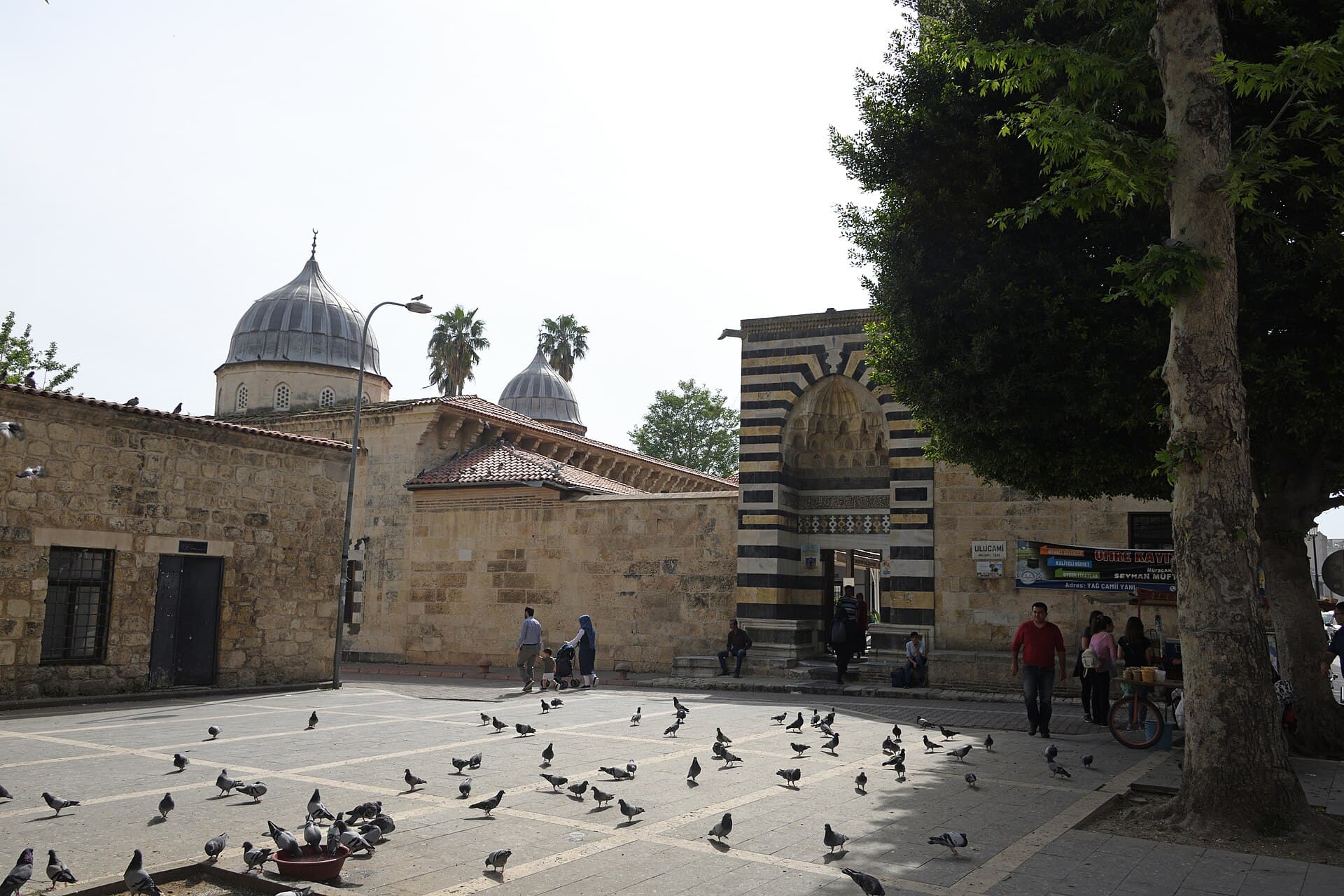 Great Mosque of Adana (Ulu Cami)The first thing you notice is that this mosque does not look Anatolian at all: w1 minute walk
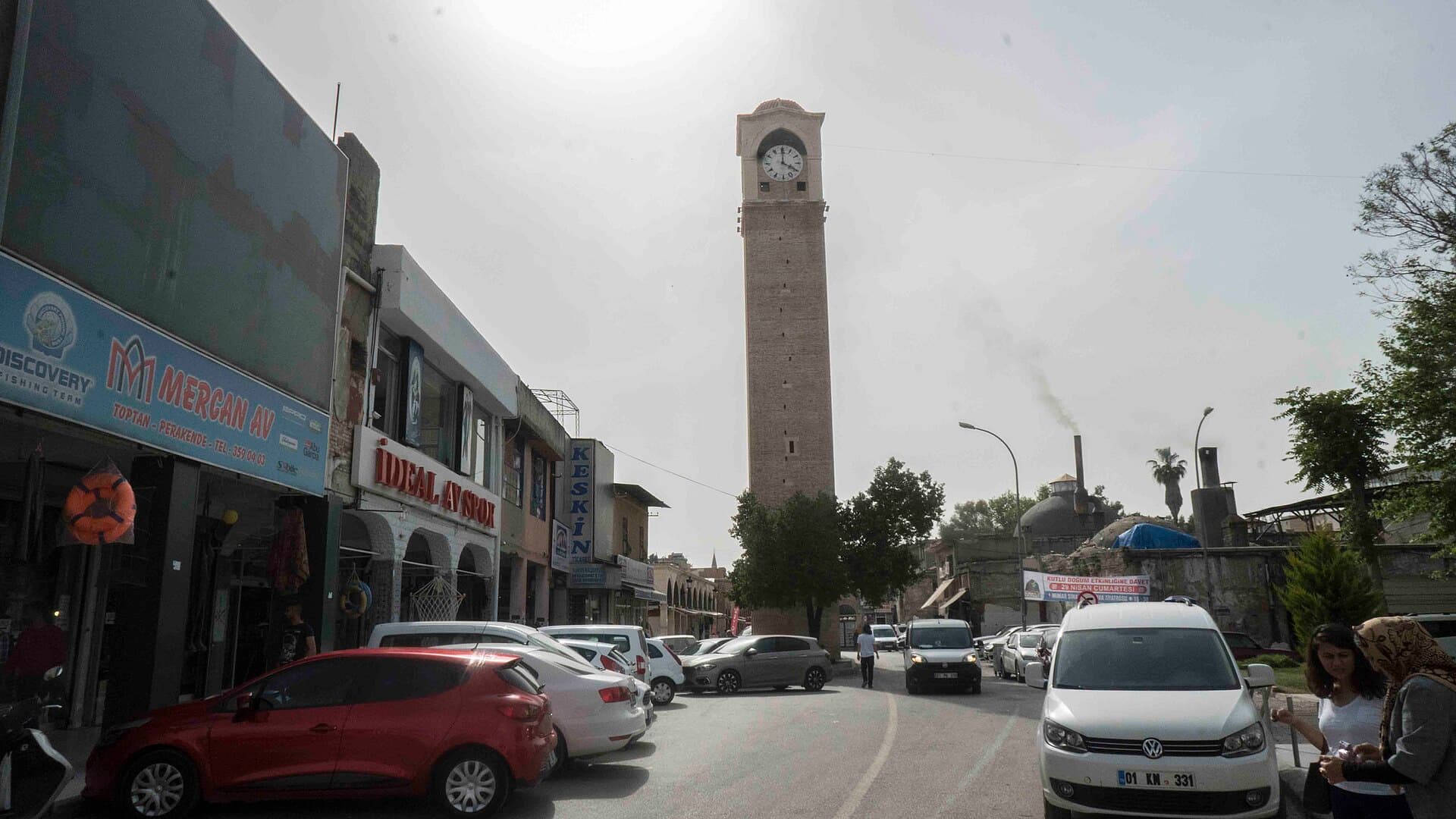 Büyük Saat (Great Clock Tower)Thirty-two metres of red brick rising out of a coppersmiths' bazaar five centuri2 minutes walk
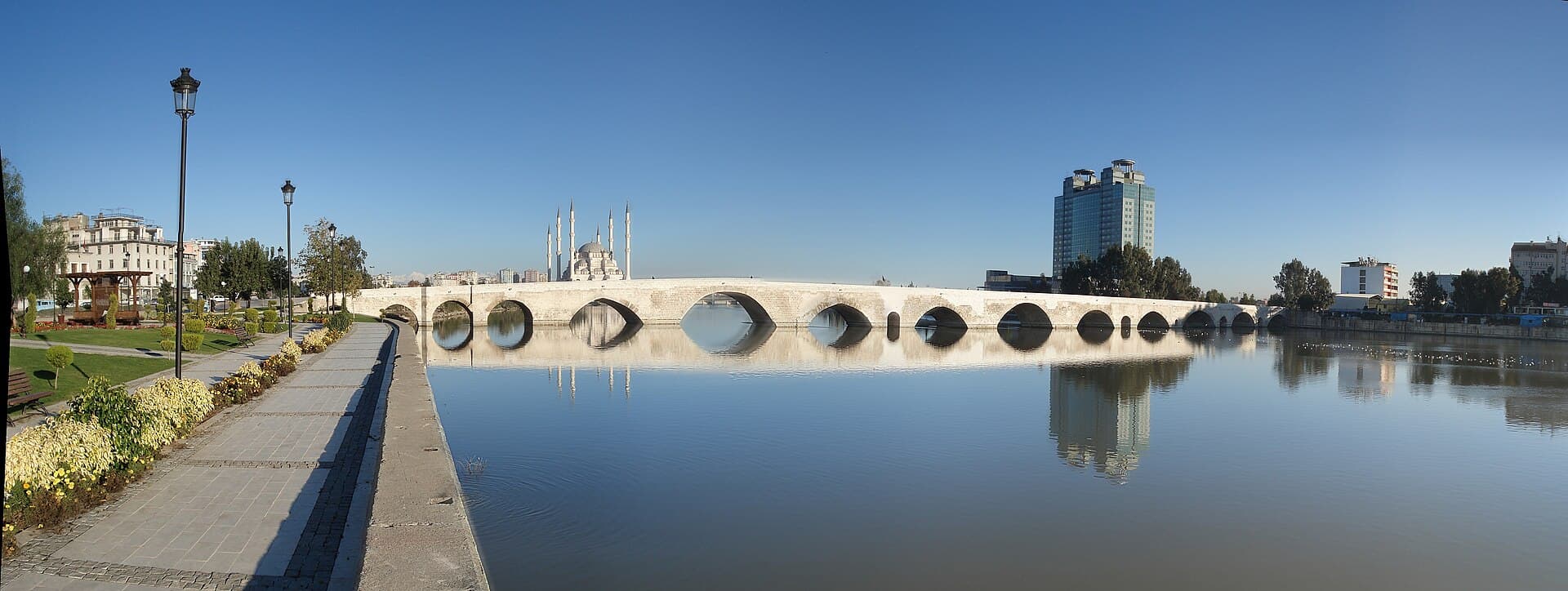 Taşköprü (Stone Bridge)Until 2007 this Roman bridge was one of the oldest in the world still carrying m4 minutes walk
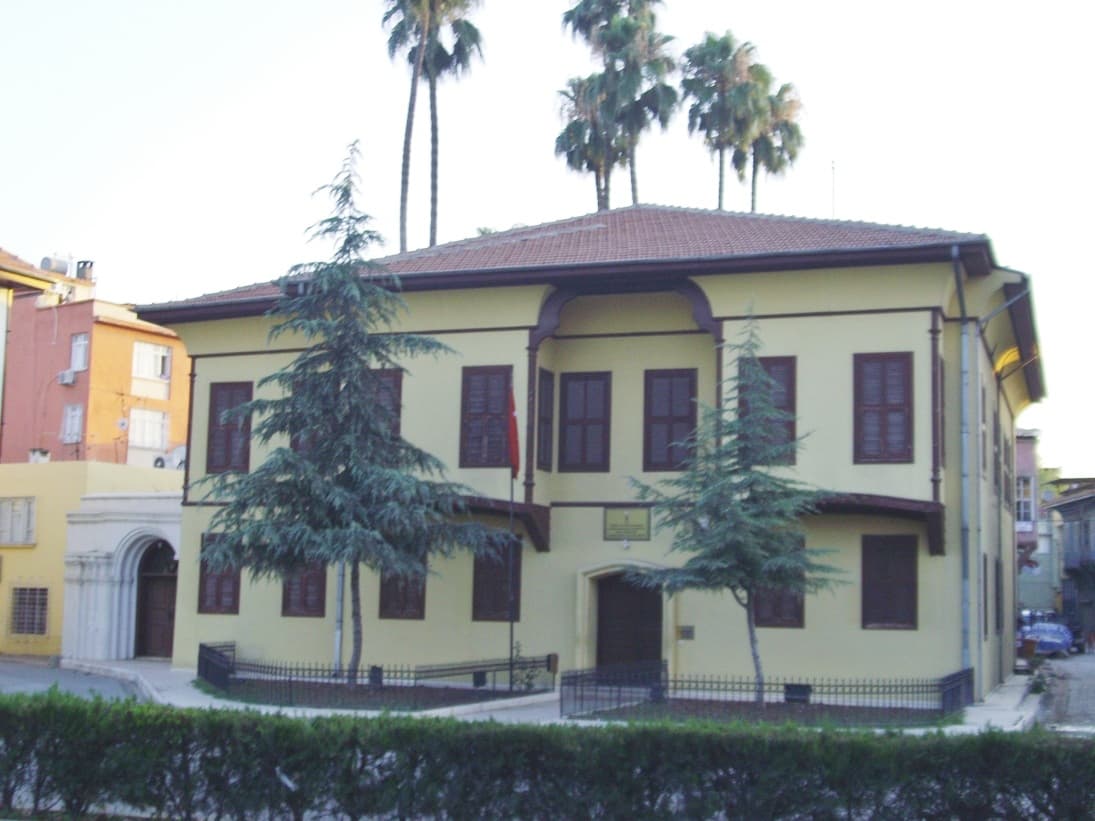 Atatürk Museum (Adana)One visit was all it took. Mustafa Kemal Atatürk and his wife Latife Hanım staye5 minutes walk
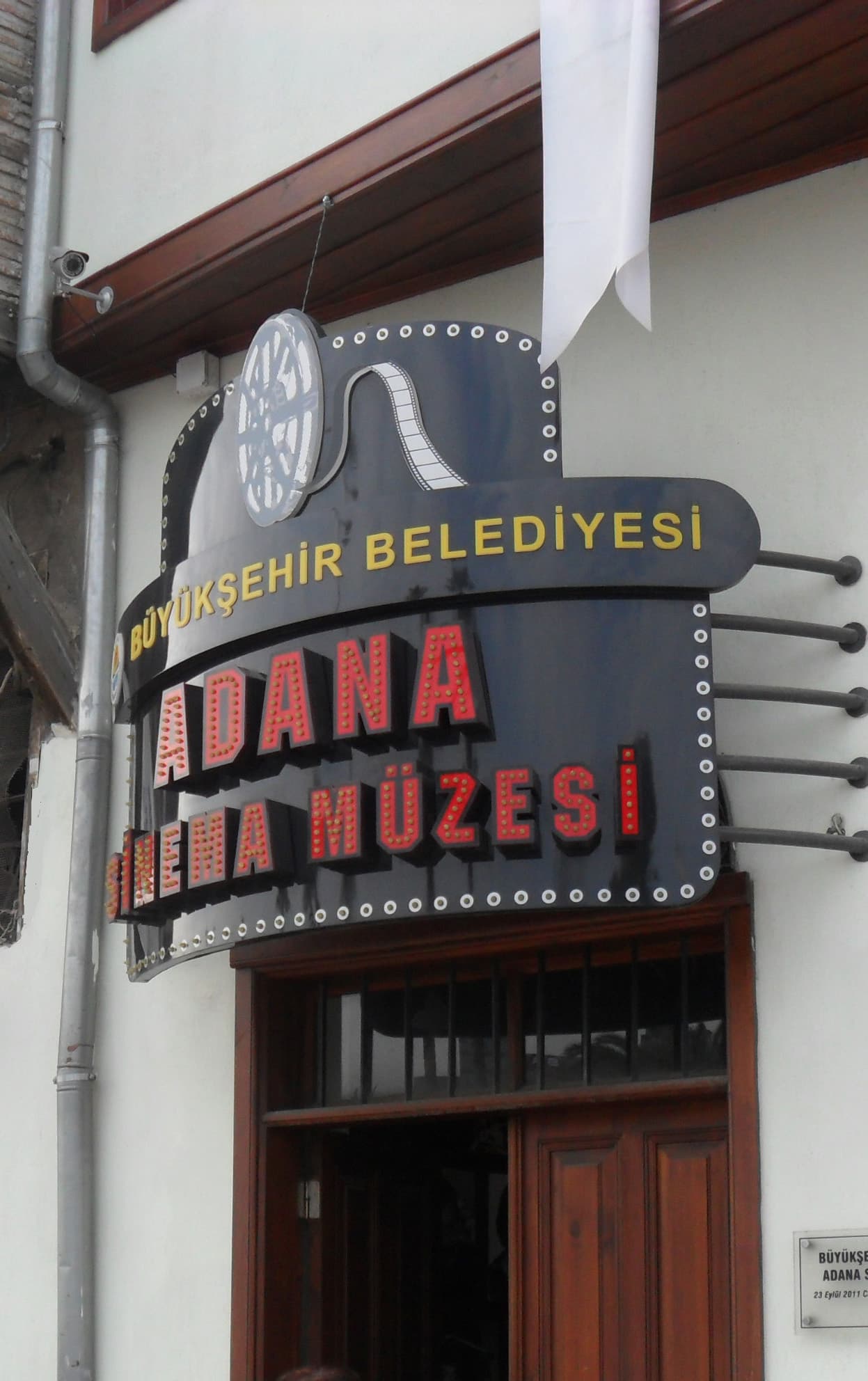 Adana Cinema MuseumUpstairs, Yılmaz Güney sits in wax in a room that is his alone, surrounded by ph6 minutes walk
The exterior is the main event. If the door happens to be open, ten minutes inside for the stone vaults and the carved verse are worth it, but do not plan your day around it: this is a cultural centre, not a furnished museum, and it can be closed without notice.
As a short stop, yes; the ground floor is level and takes a pushchair, but the upper floors are up a narrow stone stair. Children will enjoy the clock tower and the bazaar next door more, so fold them all into one walk.