
Iznik tiles around the mihrab
Sixteenth-century tiles cover the qibla wall, added after 1552, and they are the finest thing in the building.
Dosseman — CC BY-SA 4.0 · Dosseman — CC BY-SA 4.0 · Dosseman — CC BY-SA 4.0 · Dosseman — CC BY-SA 4.0
The first thing you notice is that this mosque does not look Anatolian at all: walls striped in black and white marble, a two-tone banded minaret, a portal that would sit comfortably in Aleppo or Mamluk Cairo. That is no accident. Halil Bey, ruler of the Ramazanoğlu emirate, began it in 1513 and his son Piri Mehmet Pasha finished it in 1541, and the Ramazanoğlu, who governed Cilicia before Ottoman control was fully settled, took their taste from Syria and Egypt rather than Istanbul. It is the finest thing that dynasty left behind, and it remained Adana's largest mosque until the Sabancı Central Mosque opened in 1998. Enter through either of the two gates, east or west, under a stepped stalactite hood in the Seljuk manner, into the wide prayer hall that runs the full width of the building, and go straight to the qibla wall. This is the real prize: sixteenth-century Iznik tiles wrapping the mihrab in blue and turquoise, added after 1552, the finest thing in the building and about the rarest Iznik work you will find in this corner of Anatolia. Give the carved marble minbar a minute too. In the adjoining courtyard stands the türbe of Halil Bey and his descendants, from the 1540s, its sarcophagi also sheathed in tiles, a rarity among Ottoman tombs, and then the Ramazanoğlu madrasa with its cells around a near-square court. This is a living neighbourhood mosque, not a museum: no ticket desk, no guides, hardly any explanatory panels. Entry is free at any time outside the five daily prayers, with a longer closure around Friday midday. Headscarf, covered legs and shoes off, as usual. The floor is level with no real stairs, so pushchairs and small children are no trouble, though children will be bored within ten minutes. The sensible way to see it is as a thirty-minute stop on an old-town walk: the Büyük Saat clock tower is a few steps away, the Ramazanoğlu mansion adjoins it, and Yağ Mosque and the coppersmiths' bazaar are close by. The building was damaged in the 1998 earthquake and restored by 2004. Avoid midday in July and August; Adana's humid heat is merciless, and early morning or late afternoon is far kinder.
Sixteenth-century tiles cover the qibla wall, added after 1552, and they are the finest thing in the building.
Walls and minaret in a Mamluk-Syrian manner foreign to Anatolia, closer to Aleppo than to Istanbul.
Tile-sheathed sarcophagi in the 1540s mausoleum, a real rarity among Ottoman tombs.
Kızılay Caddesi, Ulu Camii Mahallesi, Seyhan – beside Büyük Saat clock tower
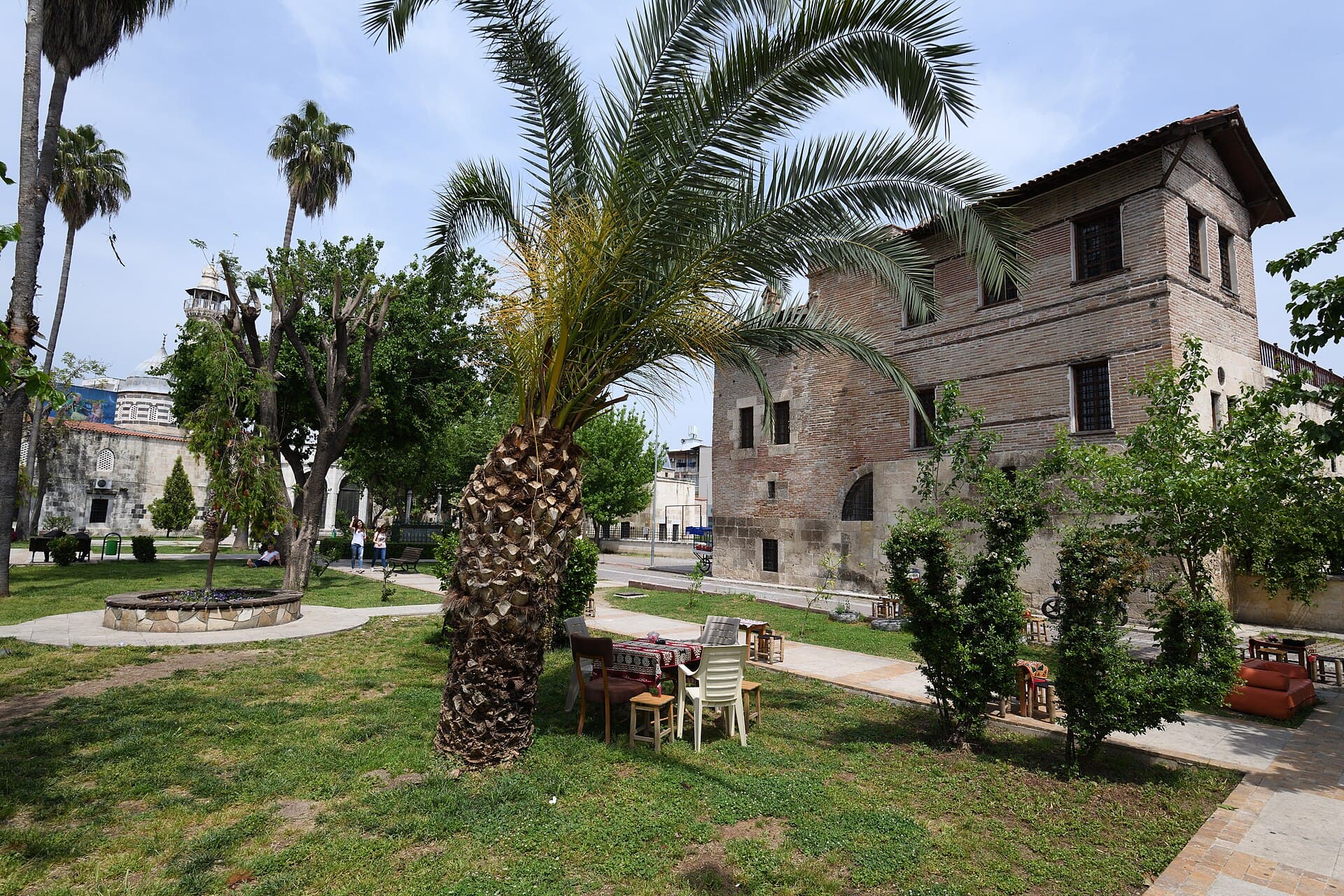 Ramazanoğlu HallA few steps from Adana's Great Mosque stands one of the oldest surviving houses 1 minute walk
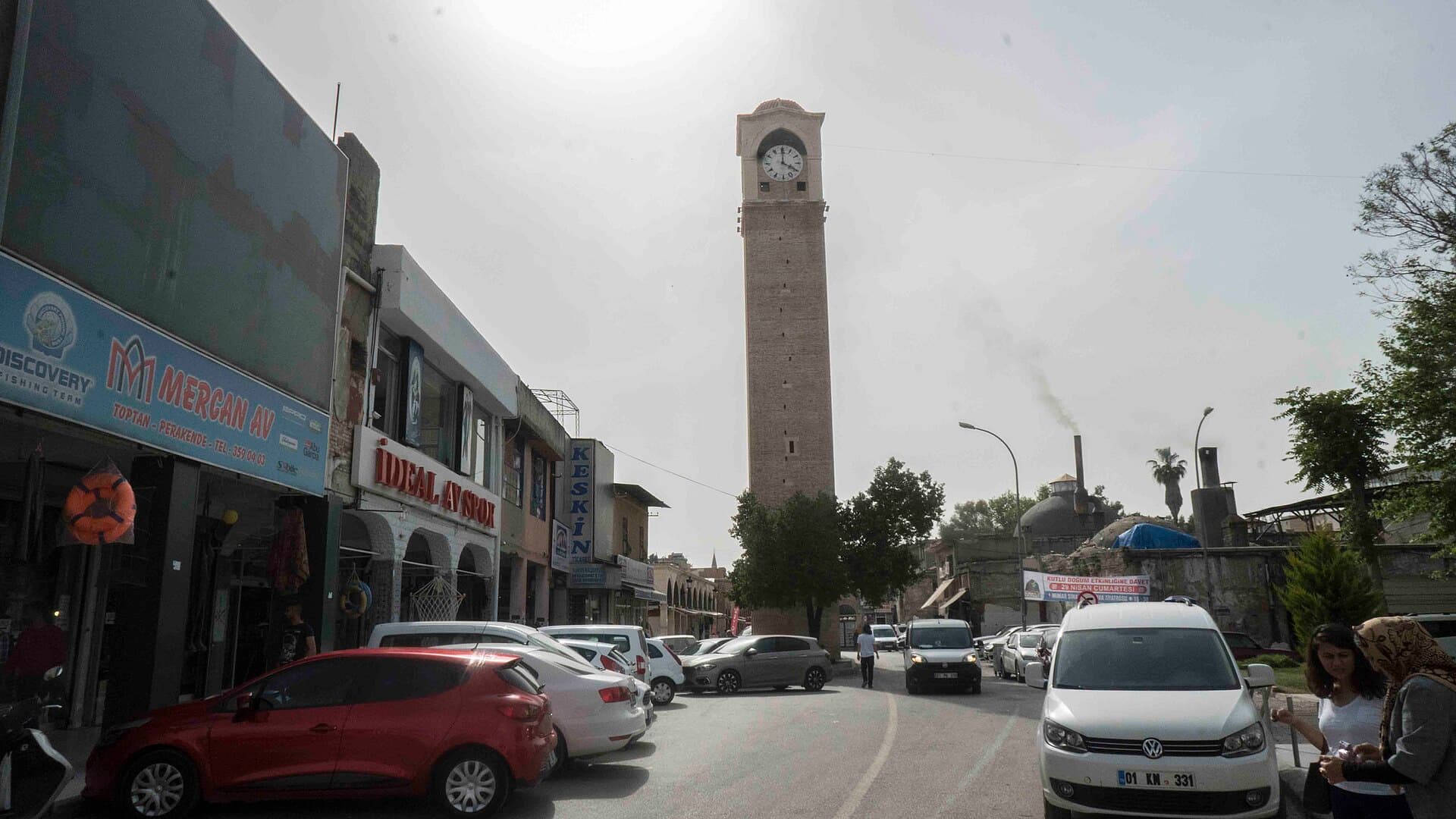 Büyük Saat (Great Clock Tower)Thirty-two metres of red brick rising out of a coppersmiths' bazaar five centuri2 minutes walk
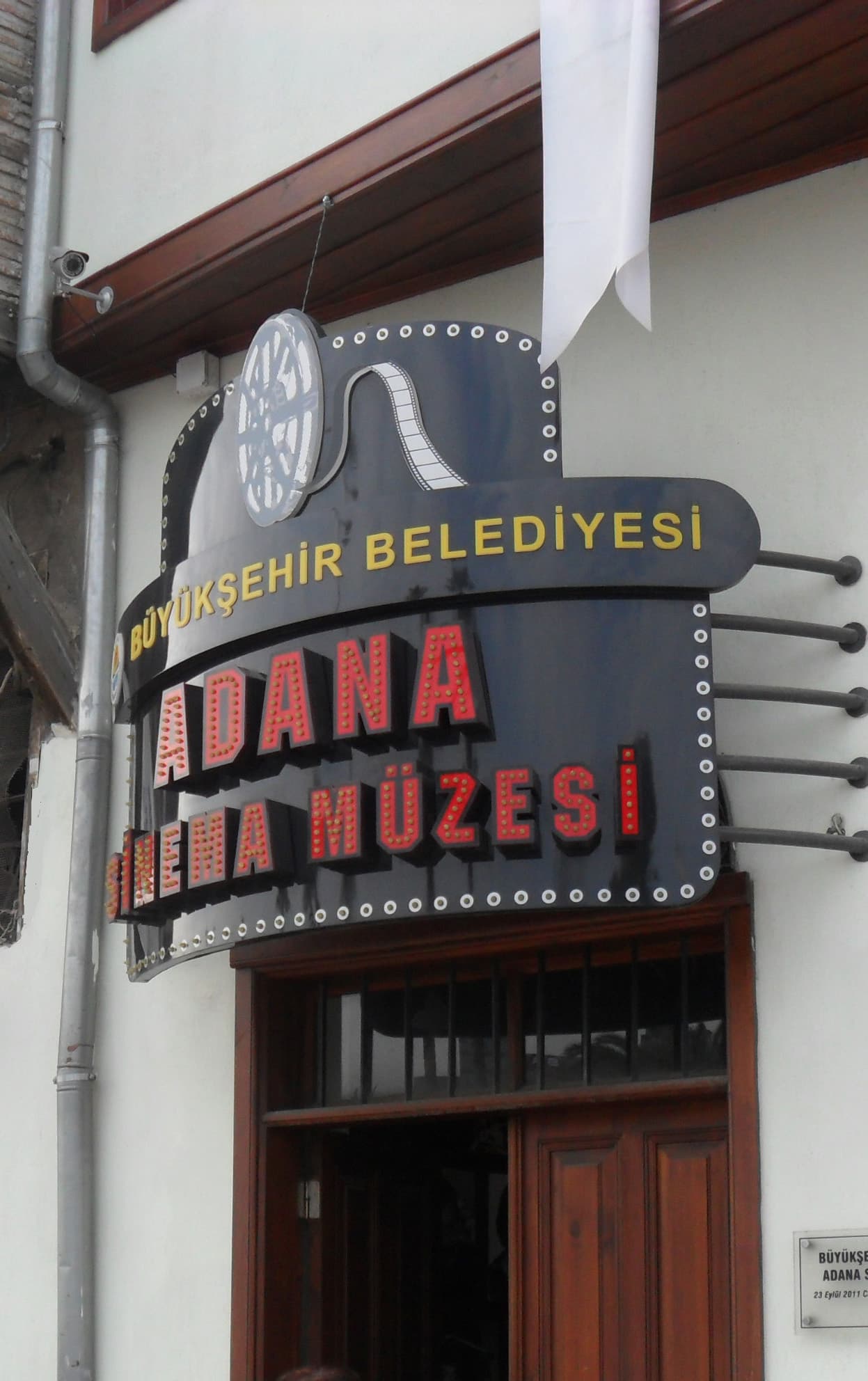 Adana Cinema MuseumUpstairs, Yılmaz Güney sits in wax in a room that is his alone, surrounded by ph5 minutes walk
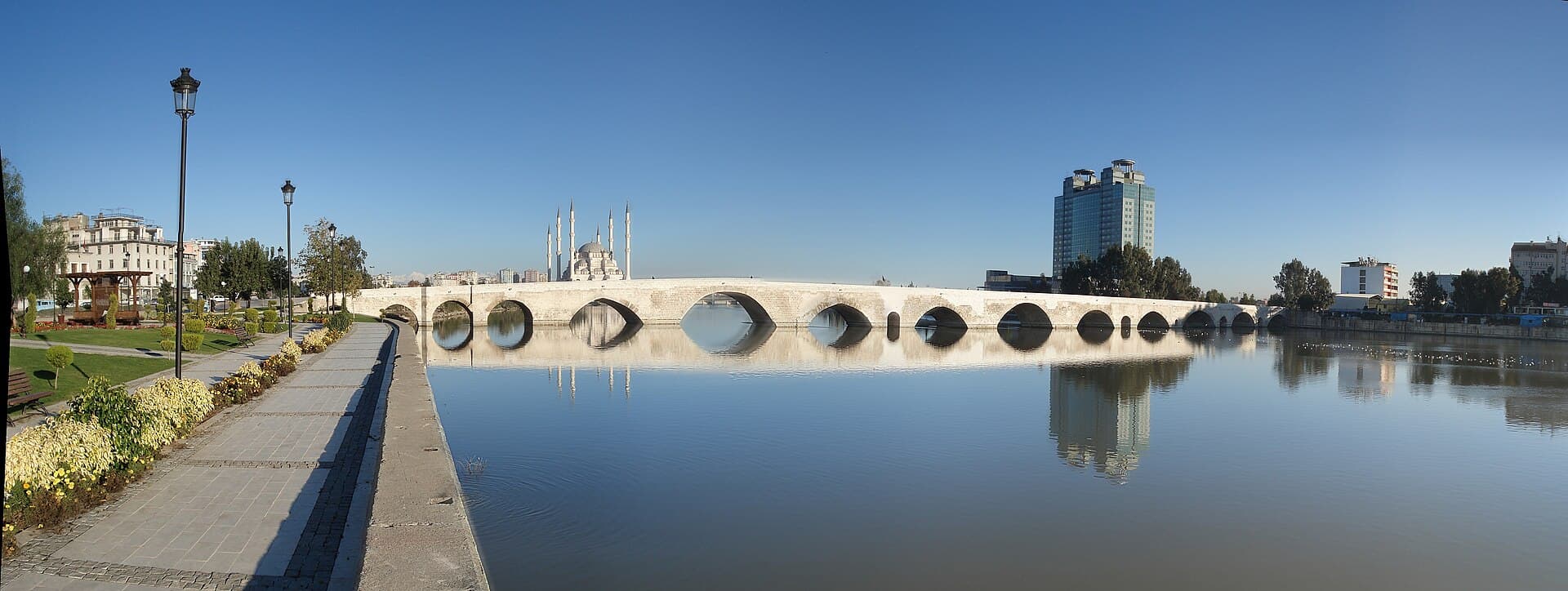 Taşköprü (Stone Bridge)Until 2007 this Roman bridge was one of the oldest in the world still carrying m5 minutes walk
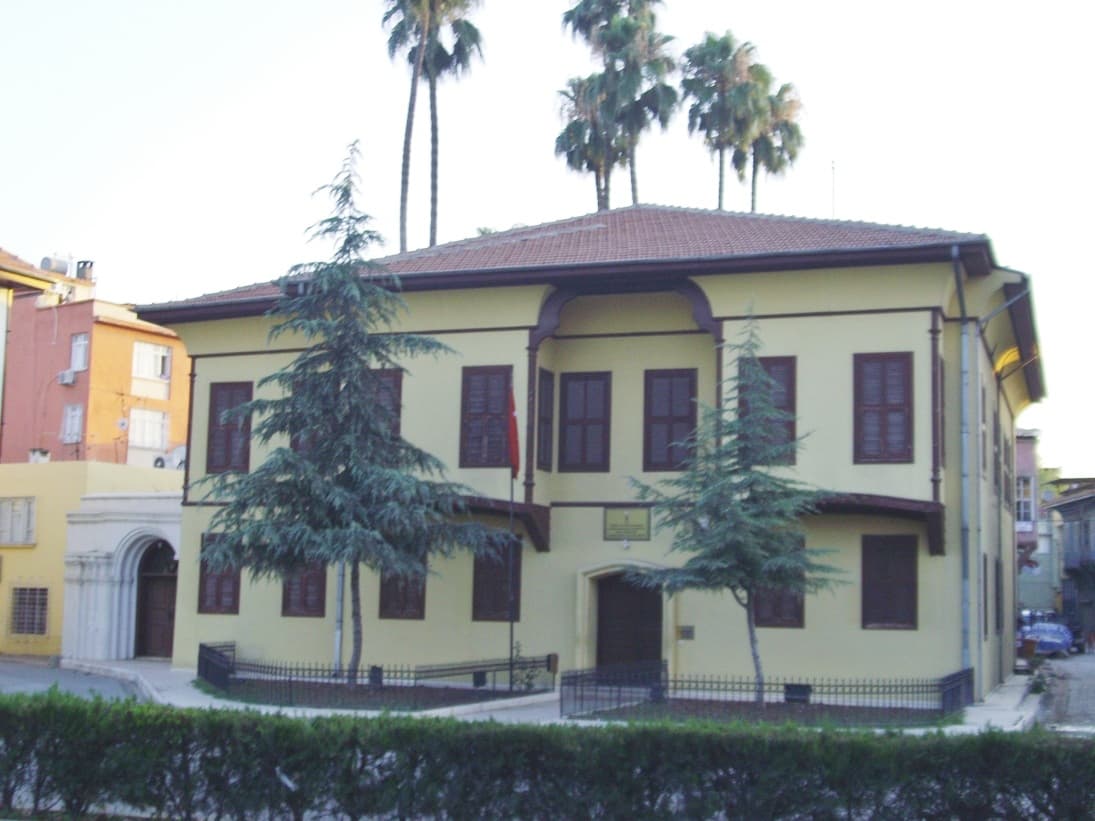 Atatürk Museum (Adana)One visit was all it took. Mustafa Kemal Atatürk and his wife Latife Hanım staye5 minutes walk
Yes, but for an entirely different reason. Sabancı is vast, modern and visible from everywhere; Ulu Cami is small and old, and its worth lies in the Iznik tiles and striped marble, not in scale. Half an hour is enough, and it does not justify a dedicated trip, only a stop on an old-town walk with the clock tower and the bazaar.
No. It closes to visitors for a short stretch around each of the five daily prayers and for longer around Friday midday prayer. Best windows are mid-morning to noon or between the afternoon and sunset prayers.