
The golden domes
Twelve, glinting over the city skyline.
Plamen Agov (user:MrPanyGoff) — CC BY-SA 4.0 · Bin im Garten — CC BY-SA 3.0 · Francisco Anzola — CC BY 2.0 · Ad Meskens — CC BY-SA 4.0
Alexander Nevsky Cathedral is Bulgaria's stone thanks to Russia: built (1882-1912) by overwhelming national donation to honour the Russian soldiers who fell liberating Bulgaria from five centuries of Ottoman rule in the 1877-78 war — named for the Russian saint patron of Tsar Alexander II, who ordered the war, it became the Balkans' largest Orthodox cathedral and one of Sofia's global symbols. Its twelve golden domes glint over the whole city skyline — the interior a solemn space (seating 5,000 worshippers) with murals and icons painted by Russian, Czech and Bulgarian artists, Italian marble, Brazilian onyx and gilded fittings gathered from across Europe. Its underground crypt is a separate national icon museum — the largest single collection of Bulgarian Orthodox icons anywhere, from the 9th to the 19th century — meriting its own visit on its own ticket.
Twelve, glinting over the city skyline.
9th to 19th-century originals.
Ploshtad Alexander Nevsky, 1000 Sofia
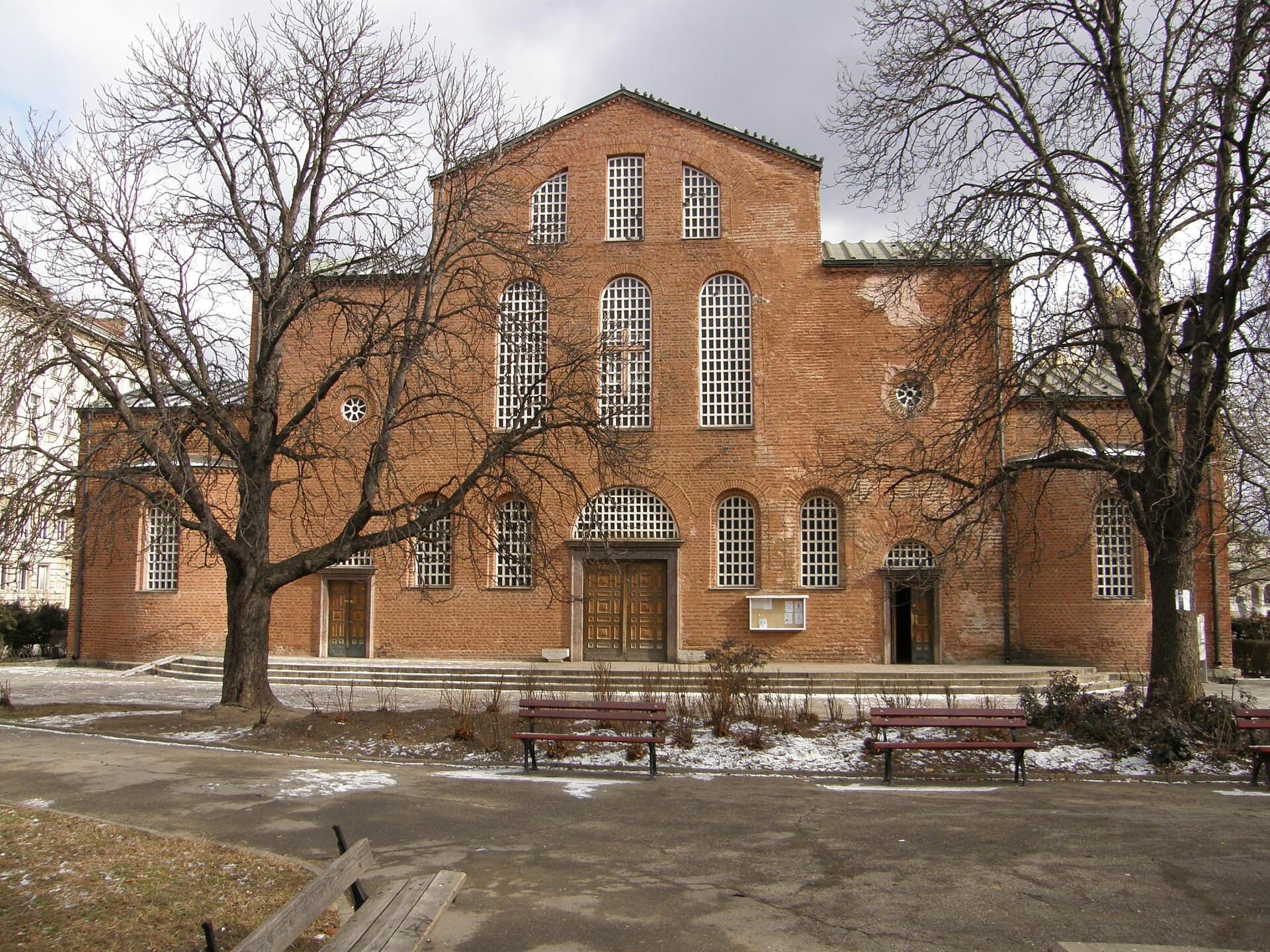 St. Sofia ChurchSt. Sofia Church is the building that gave the entire city its name: an ancient 2 minutes walk4.8
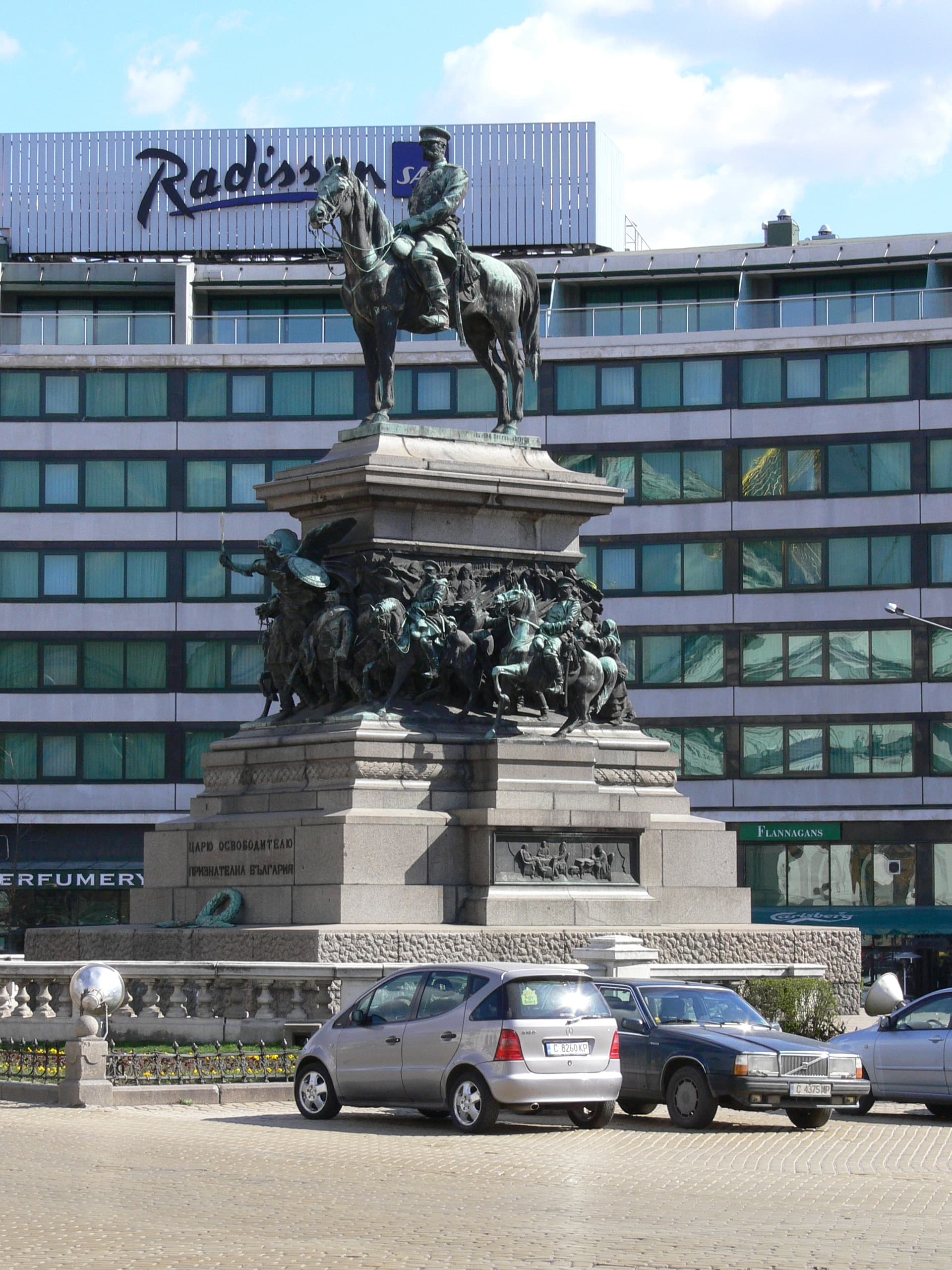 The Monument to the Tsar LiberatorA large equestrian monument in front of the Bulgarian parliament, showing the Ru3 minutes walk4.7
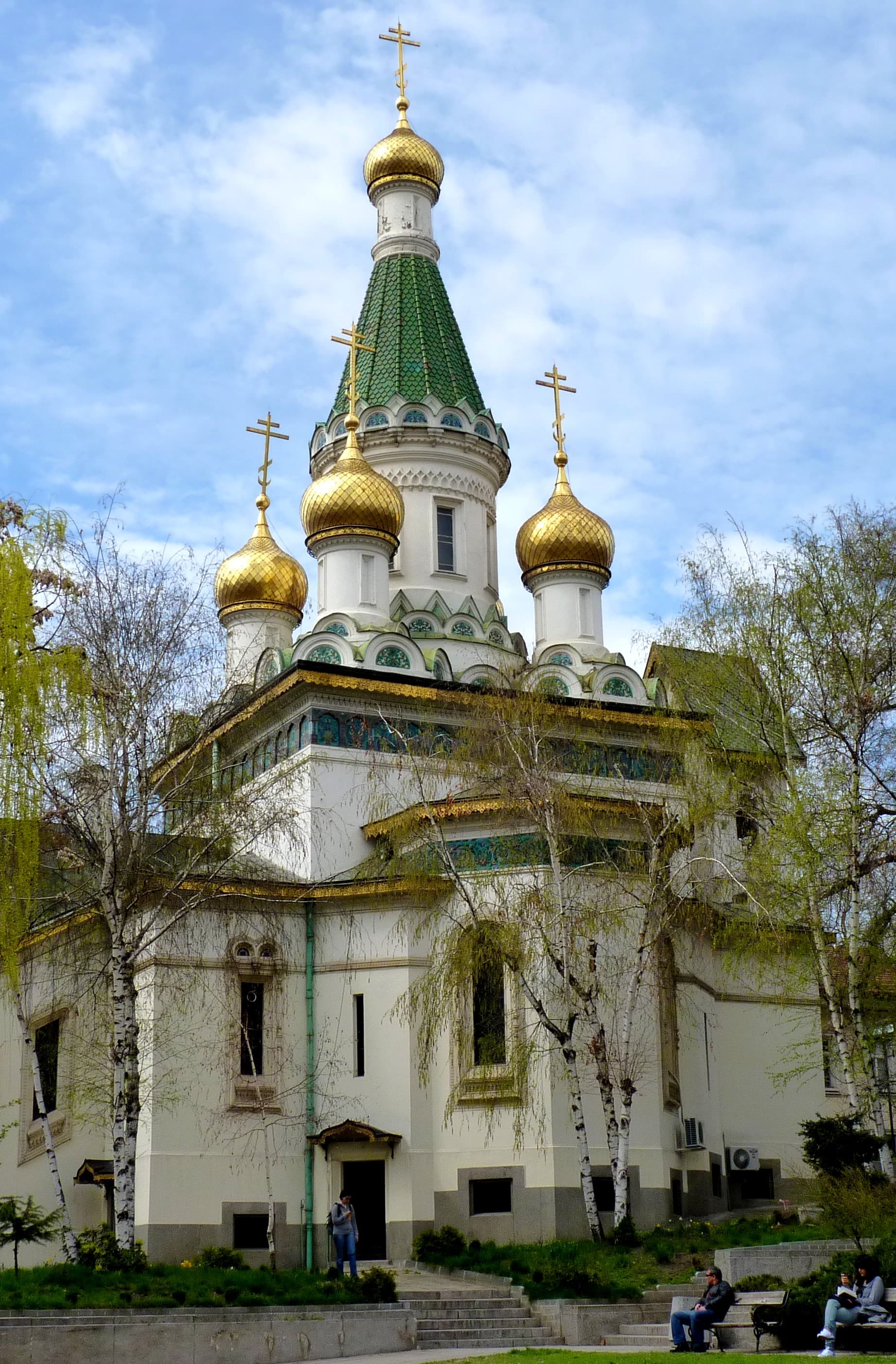 The Russian ChurchThe church of St Nicholas — the Russian Church — is the smallest of central Sofi4 minutes walk4.7
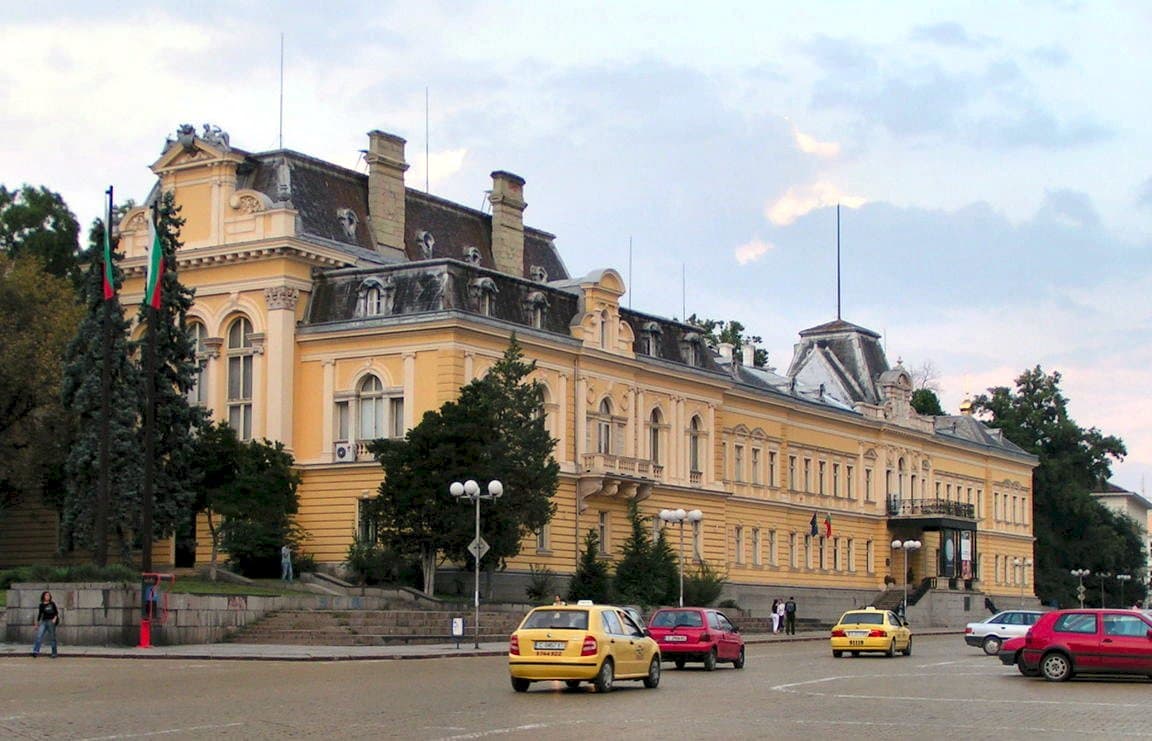 The Royal PalaceThe Royal Palace at the heart of Sofia is a building with three lives: it was th6 minutes walk4.7
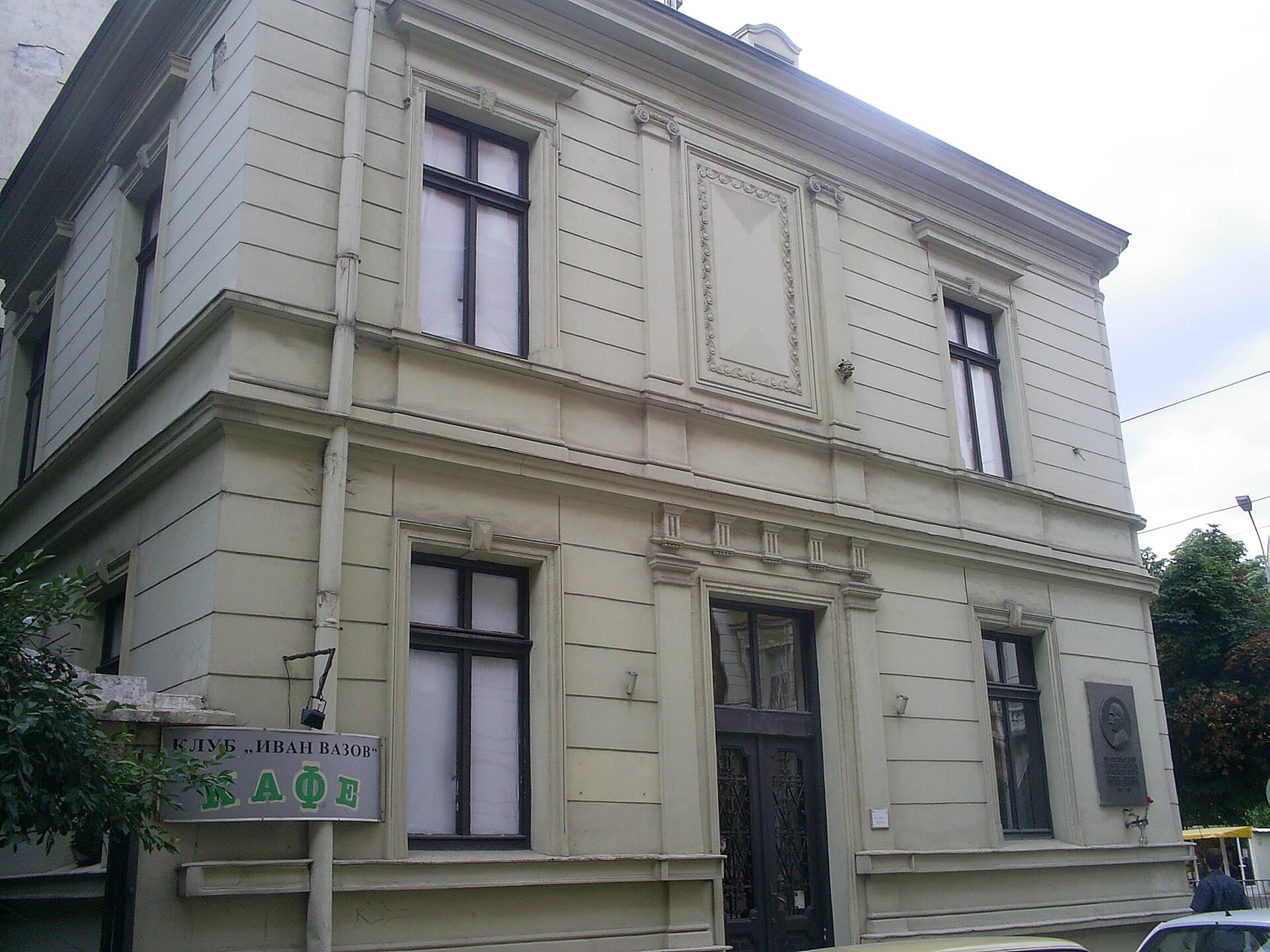 The Ivan Vazov House MuseumThe house where the Bulgarian writer Ivan Vazov lived his last years and died in7 minutes walk4.6
Russian military intervention (the 1877-78 war) broke five centuries of Ottoman rule over Bulgaria after several failed local uprisings — tying Russia's name to national liberation in a deep emotional bond that became part of modern Bulgarian identity, despite later political tensions between the two countries across the twentieth century. The cathedral was built as a national vow of gratitude, not a passing political decision.