
The austere Byzantine brick
Contrasting neighbouring Nevsky's gold.
Klearchos Kapoutsis from Paleo Faliro, Greece — CC BY 2.0 · Michal Valach — CC BY-SA 4.0 · Michal Valach — CC BY-SA 4.0 · Michal Valach — CC BY-SA 4.0
St. Sofia Church is the building that gave the entire city its name: an ancient Byzantine basilica (6th century, atop even older 4th-century churches) built under Emperor Justinian — its plain, architecturally austere red-brick style stands in complete contrast to the golden splendour of neighbouring Alexander Nevsky, though this one predates it by over a thousand years. Directly beneath it spreads a vast multi-layered necropolis (Roman, then Byzantine, then Ottoman) discovered during 20th-century restoration — partly displayed as a small underground museum telling the city's buried layers literally beneath visitors' feet. Right outside stands the Unknown Soldier, an eternal flame honouring Bulgaria's fallen in every modern war — and the giant bronze Statue of Saint Sofia (2000, locally controversial for its modern secular design) stands where a Lenin statue once stood, transitional symbolism from communism.
Contrasting neighbouring Nevsky's gold.
Where a Lenin statue once stood.
Ploshtad Alexander Nevsky, 1000 Sofia
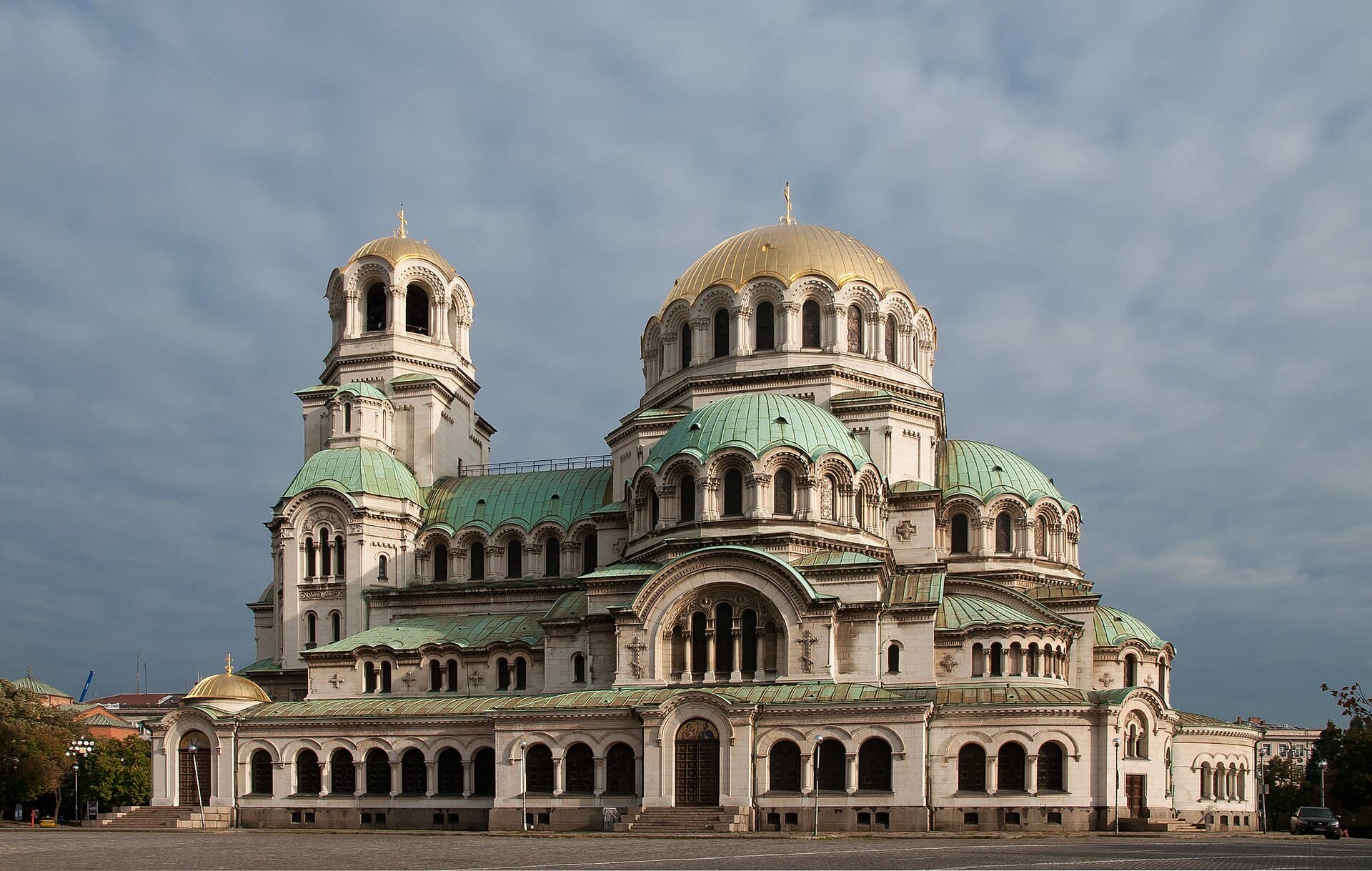 Alexander Nevsky CathedralAlexander Nevsky Cathedral is Bulgaria's stone thanks to Russia: built (1882-1912 minutes walk4.9
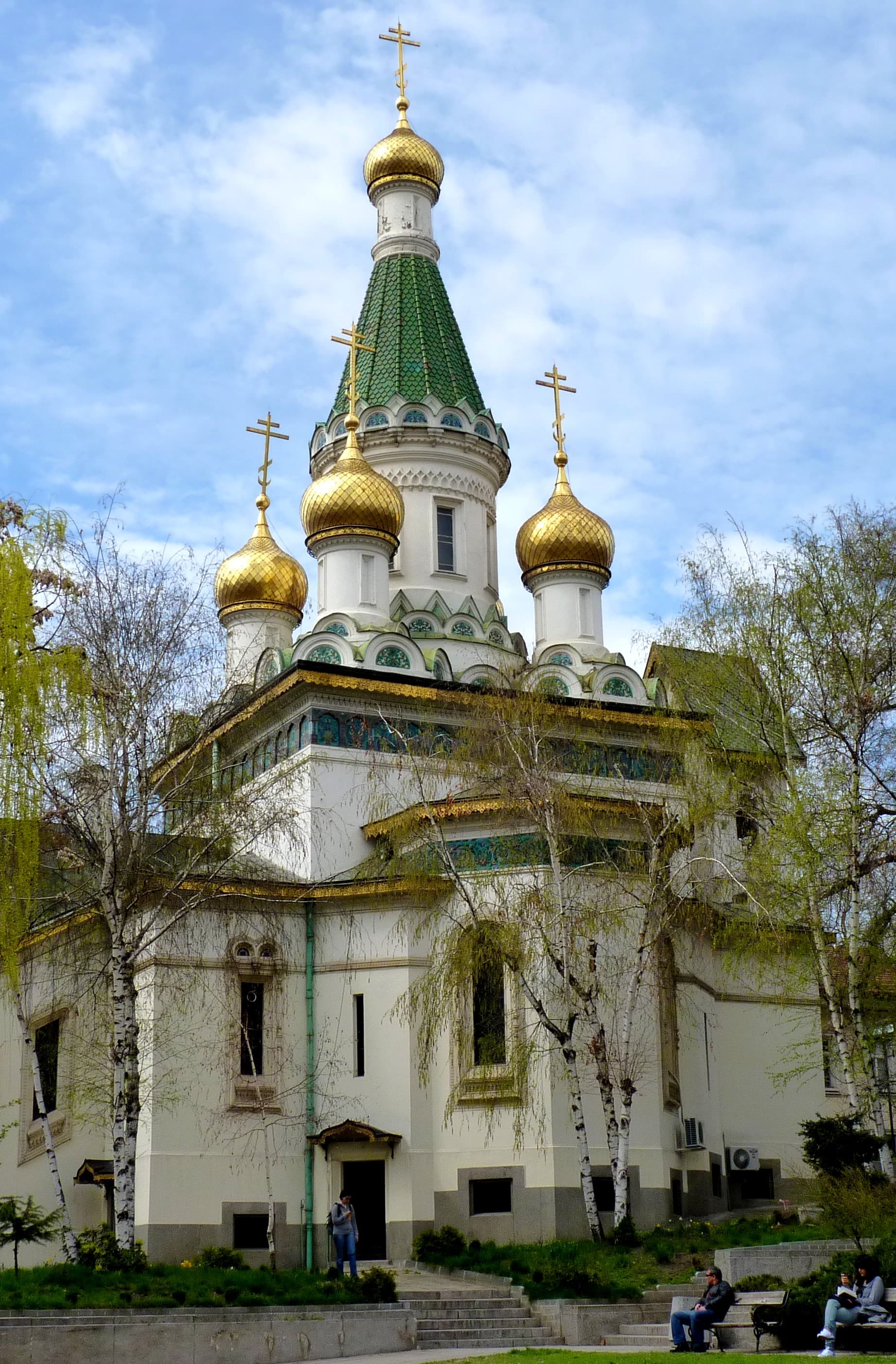 The Russian ChurchThe church of St Nicholas — the Russian Church — is the smallest of central Sofi3 minutes walk4.7
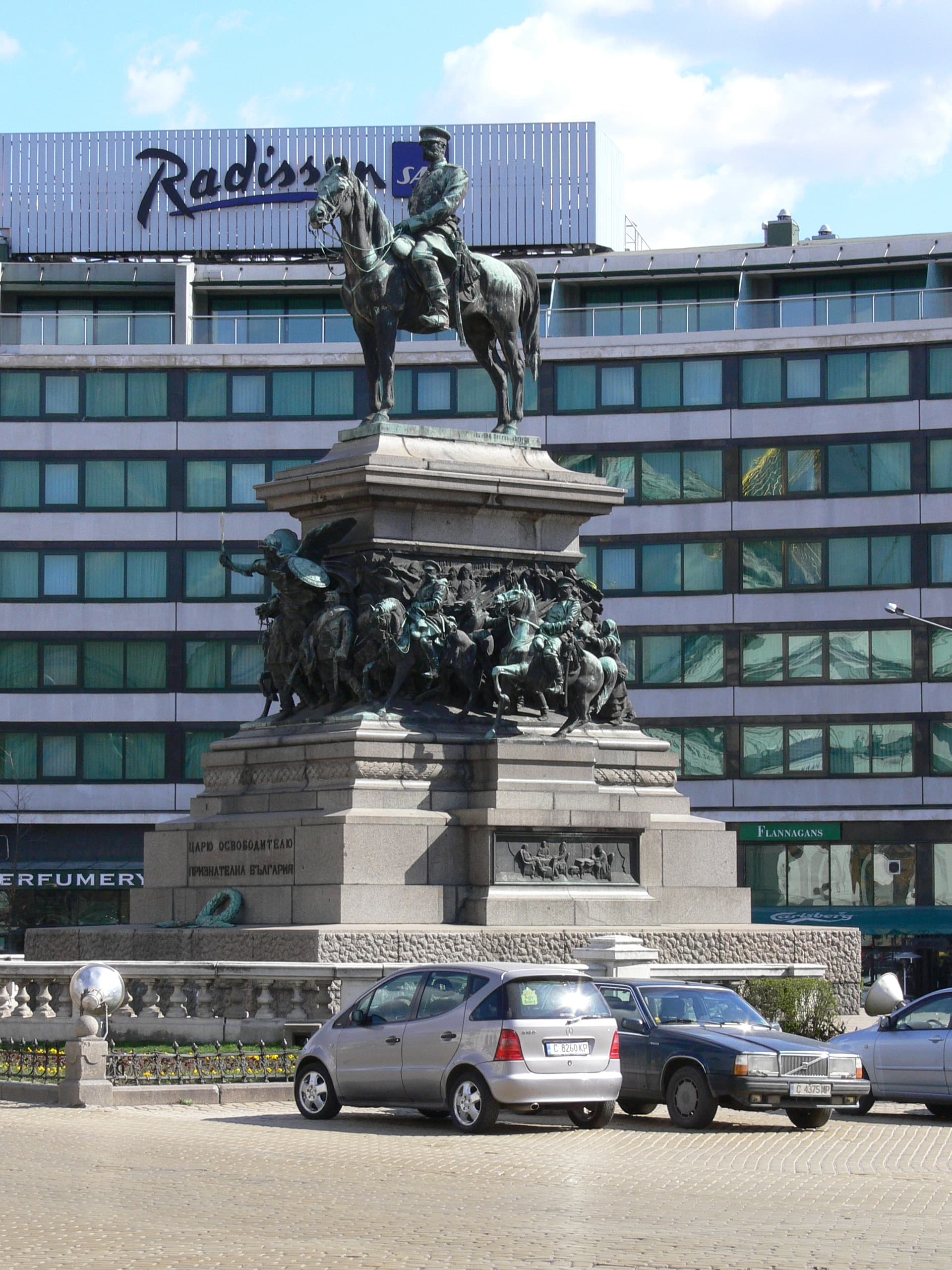 The Monument to the Tsar LiberatorA large equestrian monument in front of the Bulgarian parliament, showing the Ru4 minutes walk4.7
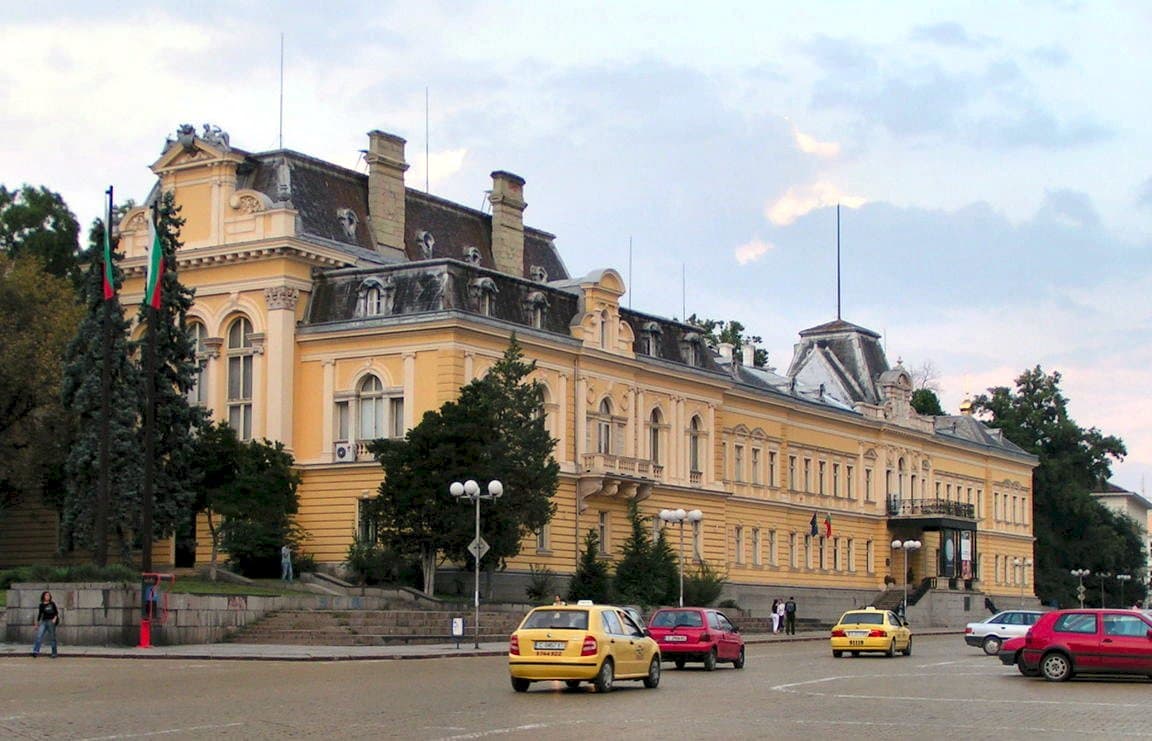 The Royal PalaceThe Royal Palace at the heart of Sofia is a building with three lives: it was th5 minutes walk4.7
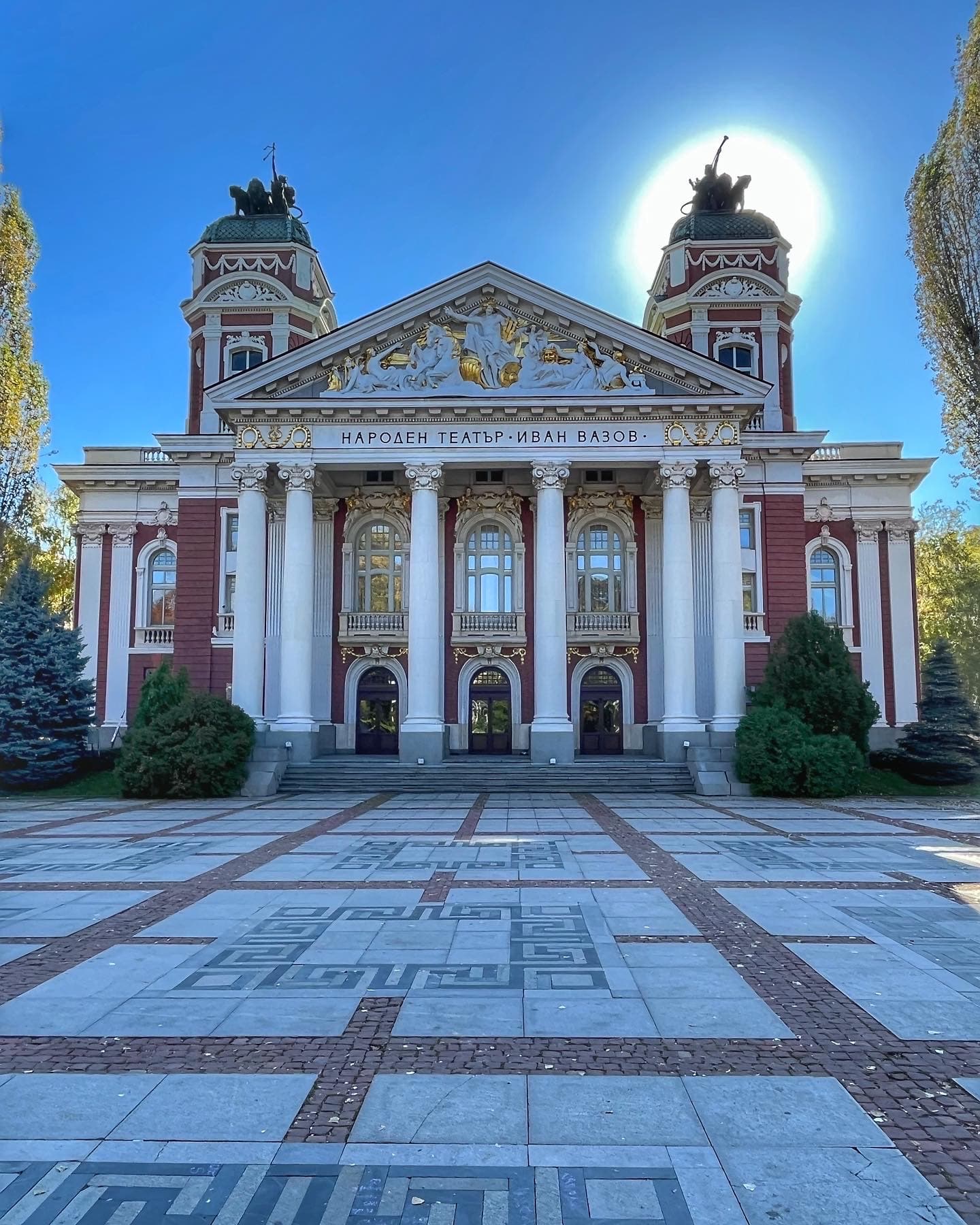 The Ivan Vazov National TheatreThe Ivan Vazov National Theatre is the handsomest building in Sofia and the one 6 minutes walk4.9
The city carried multiple names through history (Serdica under Rome, then Serdika under Byzantium, then Triaditsa later) before Sofia gradually took hold from the 14th century onward, named for this exact church, then the city's most prominent religious landmark — the name settled officially as modern independent Bulgaria's capital (1879) after Ottoman liberation.