
The gilded domes
Seventeenth-century Moscow, in miniature.
Dudva — CC BY-SA 3.0 · Francisco Anzola — CC BY 2.0 · Ignessa Mladenova — CC BY-SA 4.0 · Mister No — CC BY 3.0
The church of St Nicholas — the Russian Church — is the smallest of central Sofia's churches and the most visually distinctive: five **gilded onion domes** above walls of green and white brick, a bell tower and patterned tile — a small version of seventeenth-century Moscow churches. It was built between 1907 and 1914 to serve the Russian community in Sofia and its embassy, to the design of the Russian architect Mikhail Preobrazhensky. The domes are covered in real gold leaf, and the interior is very small, dark and covered in icons. In its crypt is the tomb of **Archbishop Seraphim Sobolev**, which is why there is often a queue at the door: local tradition holds that a wish written on a slip of paper and left in a box at the tomb will be granted. You see it practised daily, and not by tourists. **Entry is free** and the church is working — dress modestly and photography is limited. It is two minutes from the National Theatre.
Seventeenth-century Moscow, in miniature.
A local tradition of leaving written wishes there.
Bulevard Tsar Osvoboditel 3, Sofia
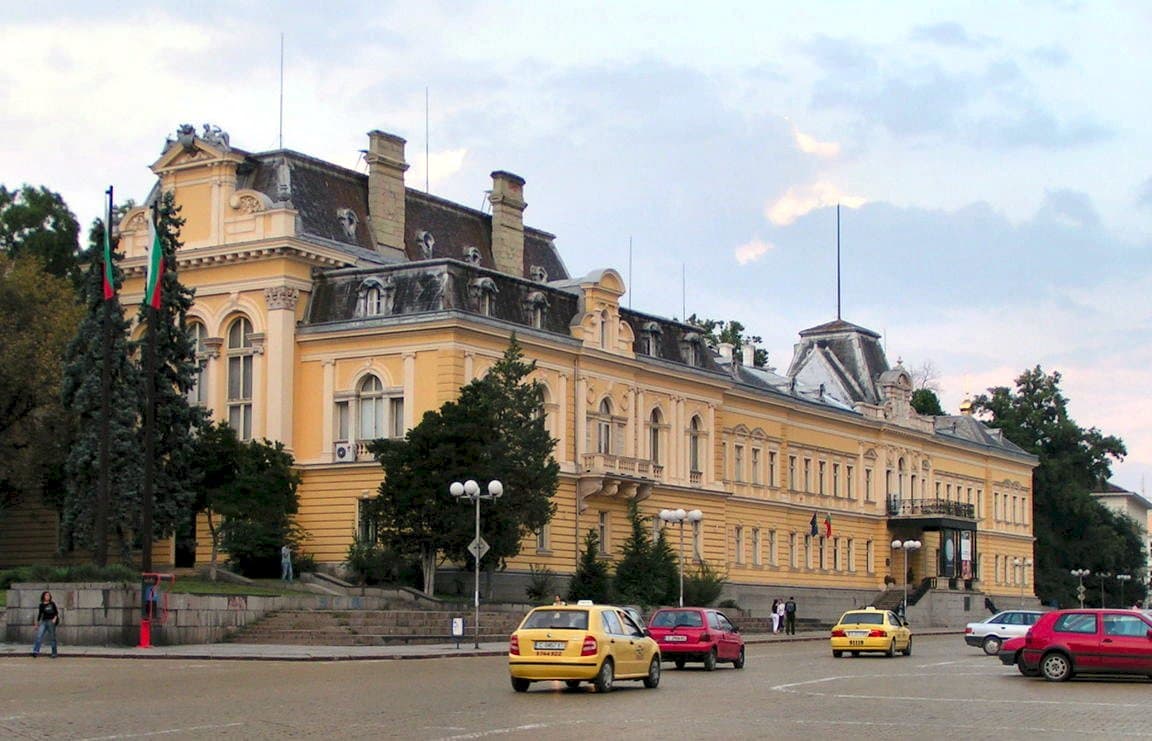 The Royal PalaceThe Royal Palace at the heart of Sofia is a building with three lives: it was th2 minutes walk4.7
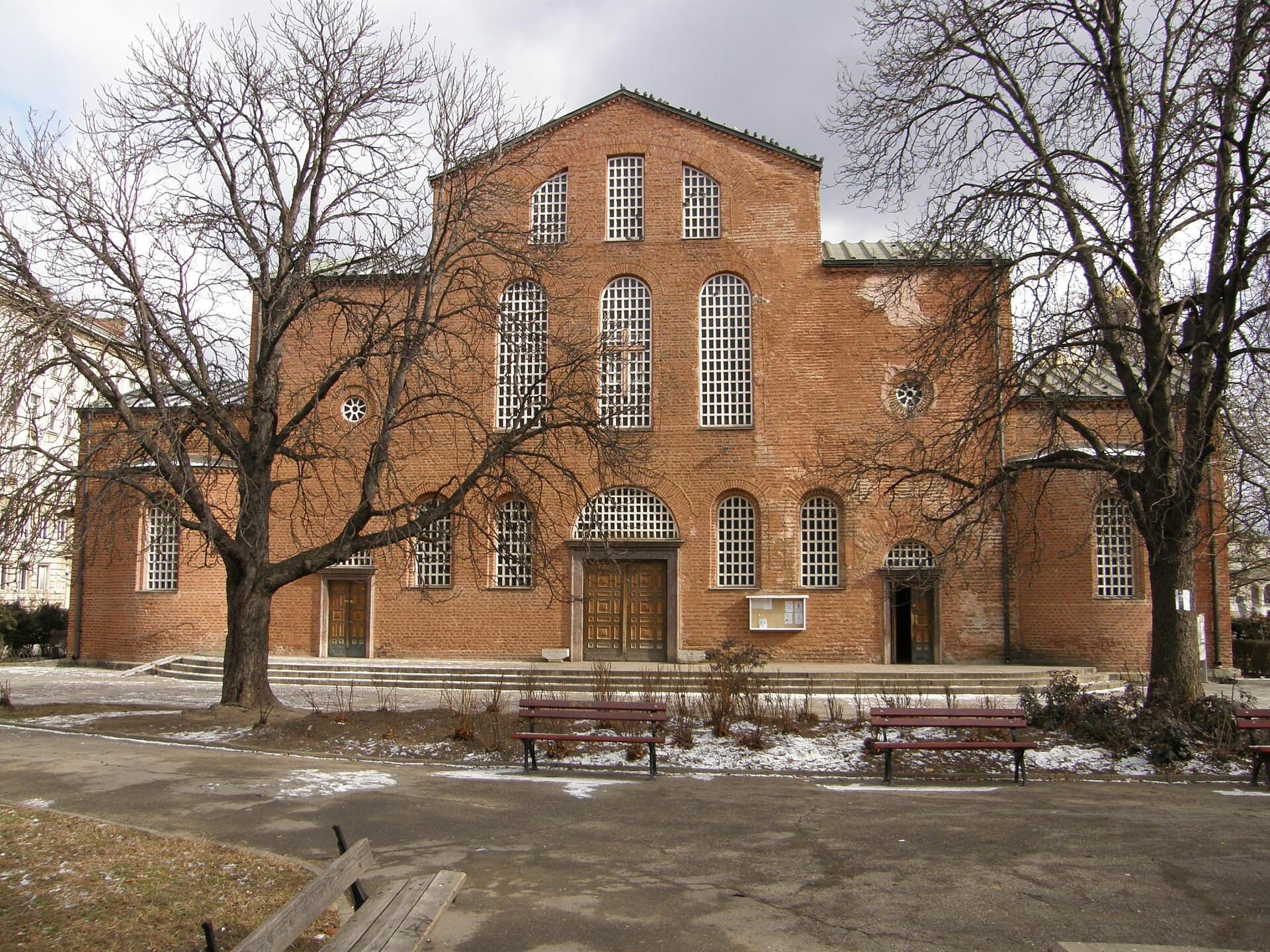 St. Sofia ChurchSt. Sofia Church is the building that gave the entire city its name: an ancient 3 minutes walk4.8
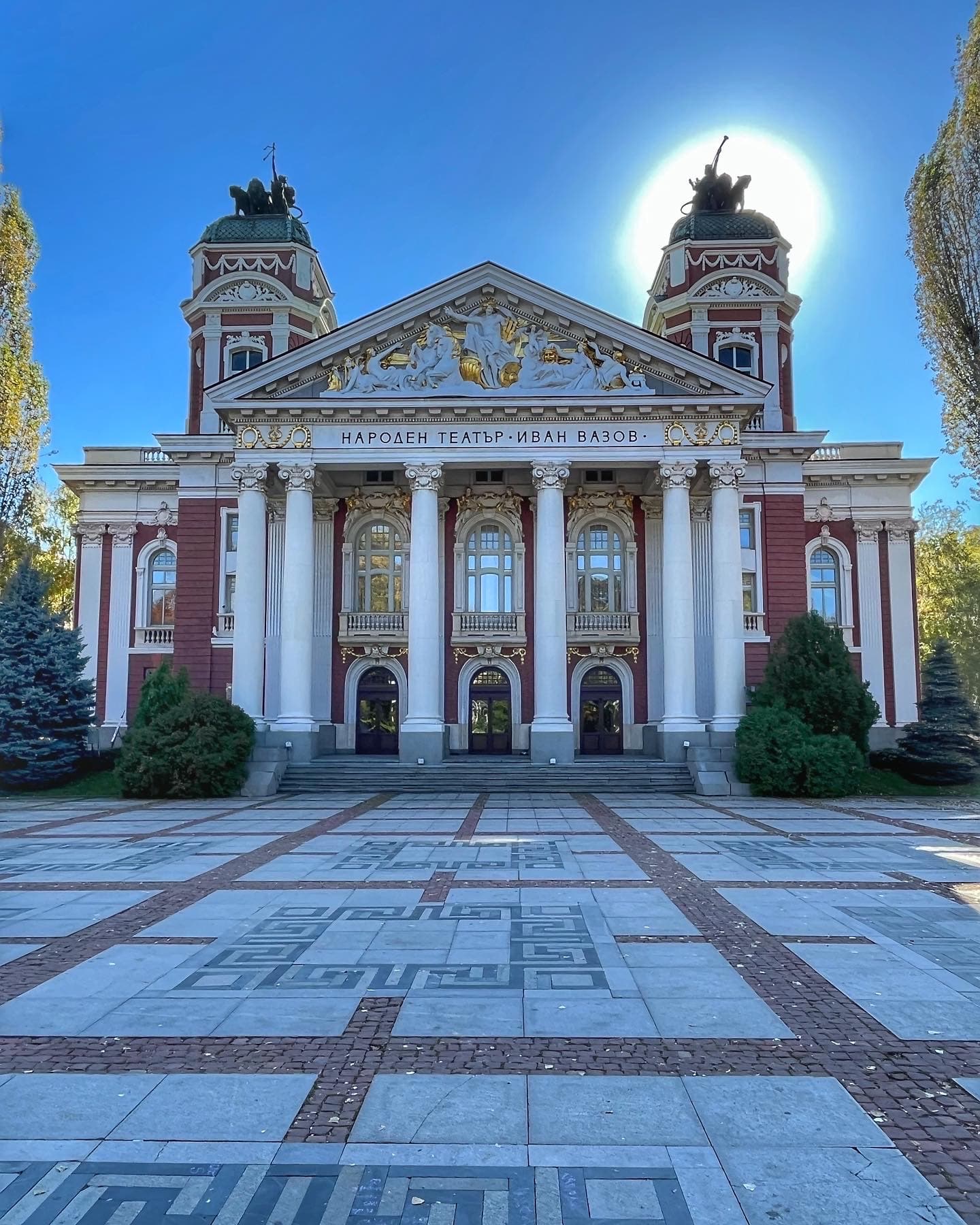 The Ivan Vazov National TheatreThe Ivan Vazov National Theatre is the handsomest building in Sofia and the one 3 minutes walk4.9
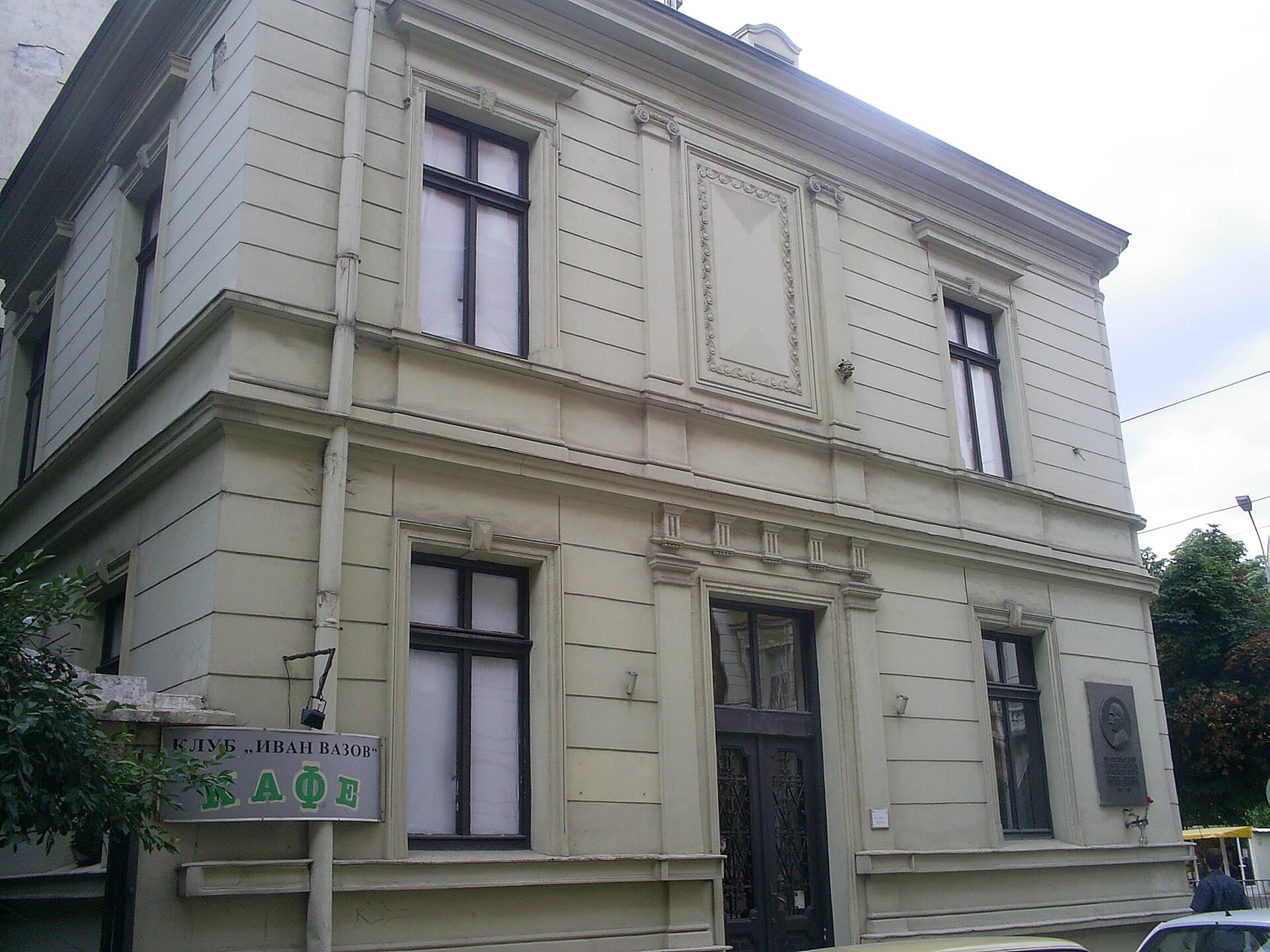 The Ivan Vazov House MuseumThe house where the Bulgarian writer Ivan Vazov lived his last years and died in4 minutes walk4.6
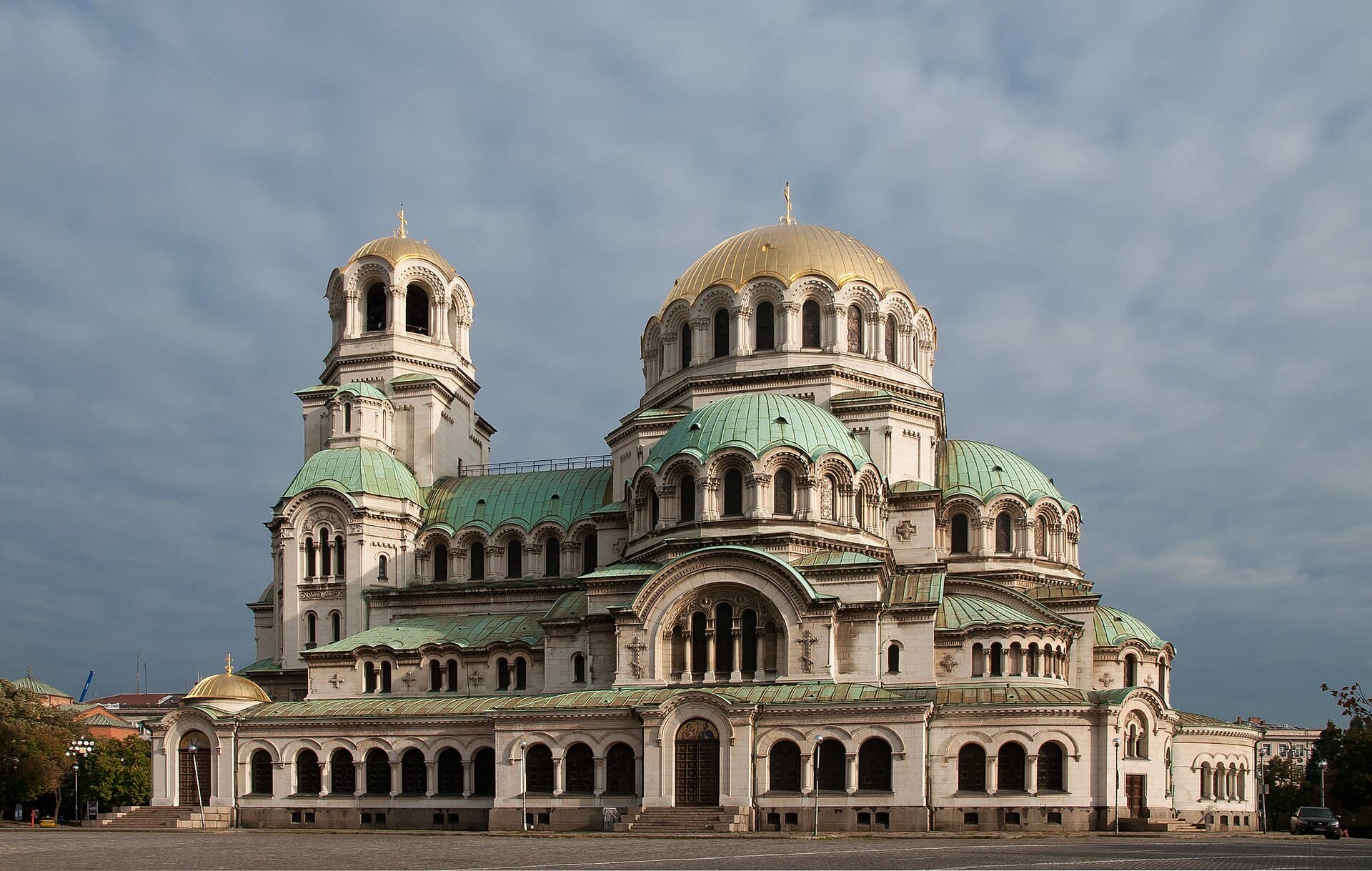 Alexander Nevsky CathedralAlexander Nevsky Cathedral is Bulgaria's stone thanks to Russia: built (1882-1914 minutes walk4.9
Four in half a day, all within walking distance. **Alexander Nevsky** is the largest, with its gilded domes and the icon museum in its crypt. The **Russian Church** is the smallest and the finest in detail, two minutes away. The **St George Rotunda** is fourth-century — the oldest building in Sofia, red brick in an inner courtyard surrounded by government buildings, with wall paintings from three different periods. And **St Sofia Church** of the sixth century gave the city its name. Entry is free at all of them; tickets are only for the museums inside.