
The bronze figures
Soldiers and volunteers around the base.
Nenko Lazarov — CC BY 2.5 · kuchin ster — CC BY 3.0 · Agence de presse Meurisse. Agence photographique (commanditaire) — Public domain · Bin im Garten — CC BY-SA 3.0
A large equestrian monument in front of the Bulgarian parliament, showing the Russian tsar **Alexander II** on horseback above a granite base fourteen metres high, made by the Italian sculptor Arnoldo Zocchi and unveiled in 1907. It is the most important monument in Bulgaria because what it commemorates is the moment the state came into being: the **Russo-Turkish war of 1877-78**, which ended five centuries of Ottoman rule and produced the principality of Bulgaria. The base is ringed with bronze figures of soldiers and volunteers, and carries the names of that war's battles. That also makes it a politically charged monument to this day: the argument over the relationship with Russia runs through Bulgarian politics, and the monument appears in demonstrations from both sides. It stands on the route between the National Theatre and Alexander Nevsky Cathedral, a five-minute walk apart. **Free and always open.**
Soldiers and volunteers around the base.
Before parliament, between the theatre and the cathedral.
In front of the National Assembly, Sofia
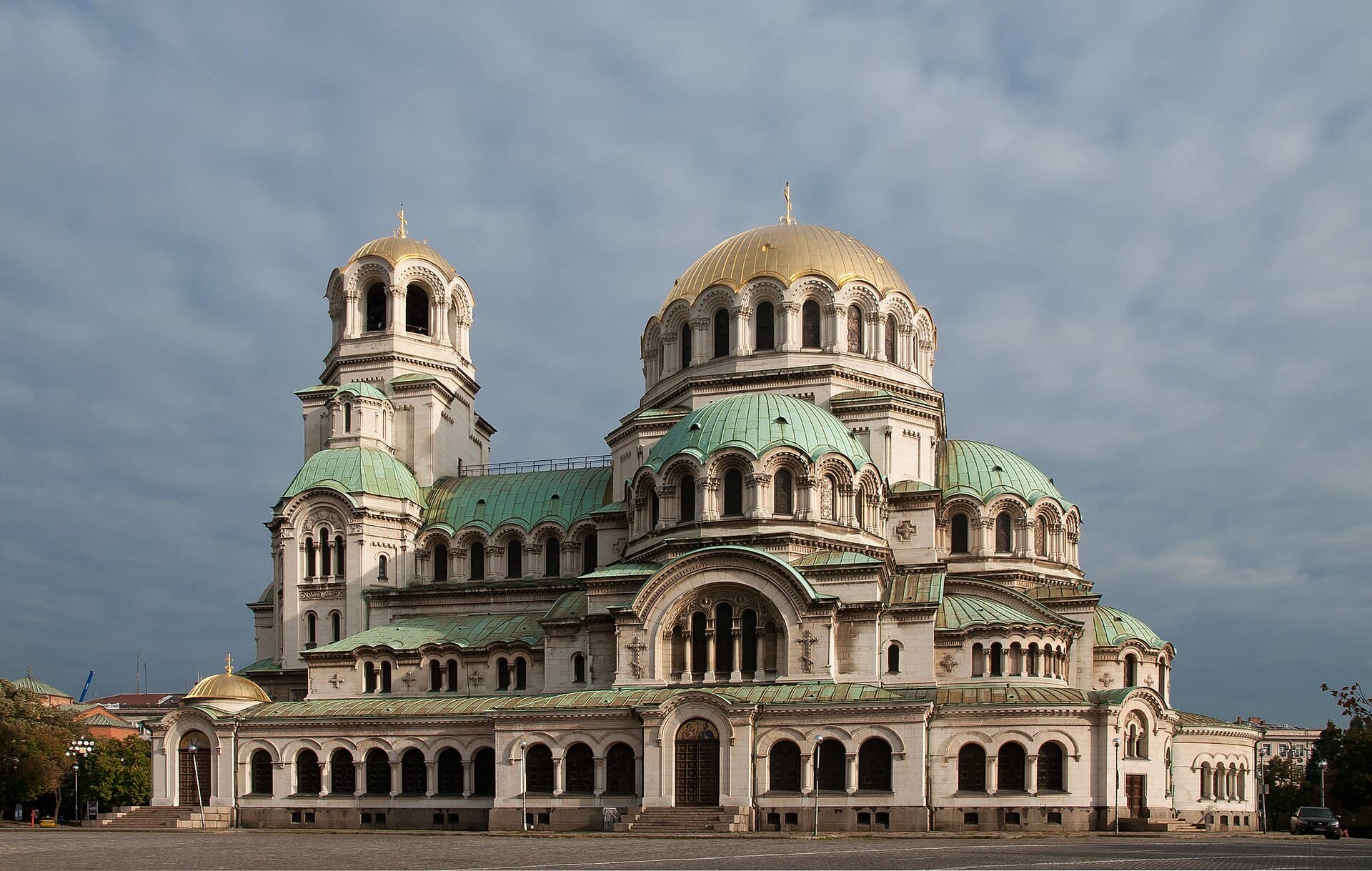 Alexander Nevsky CathedralAlexander Nevsky Cathedral is Bulgaria's stone thanks to Russia: built (1882-1913 minutes walk4.9
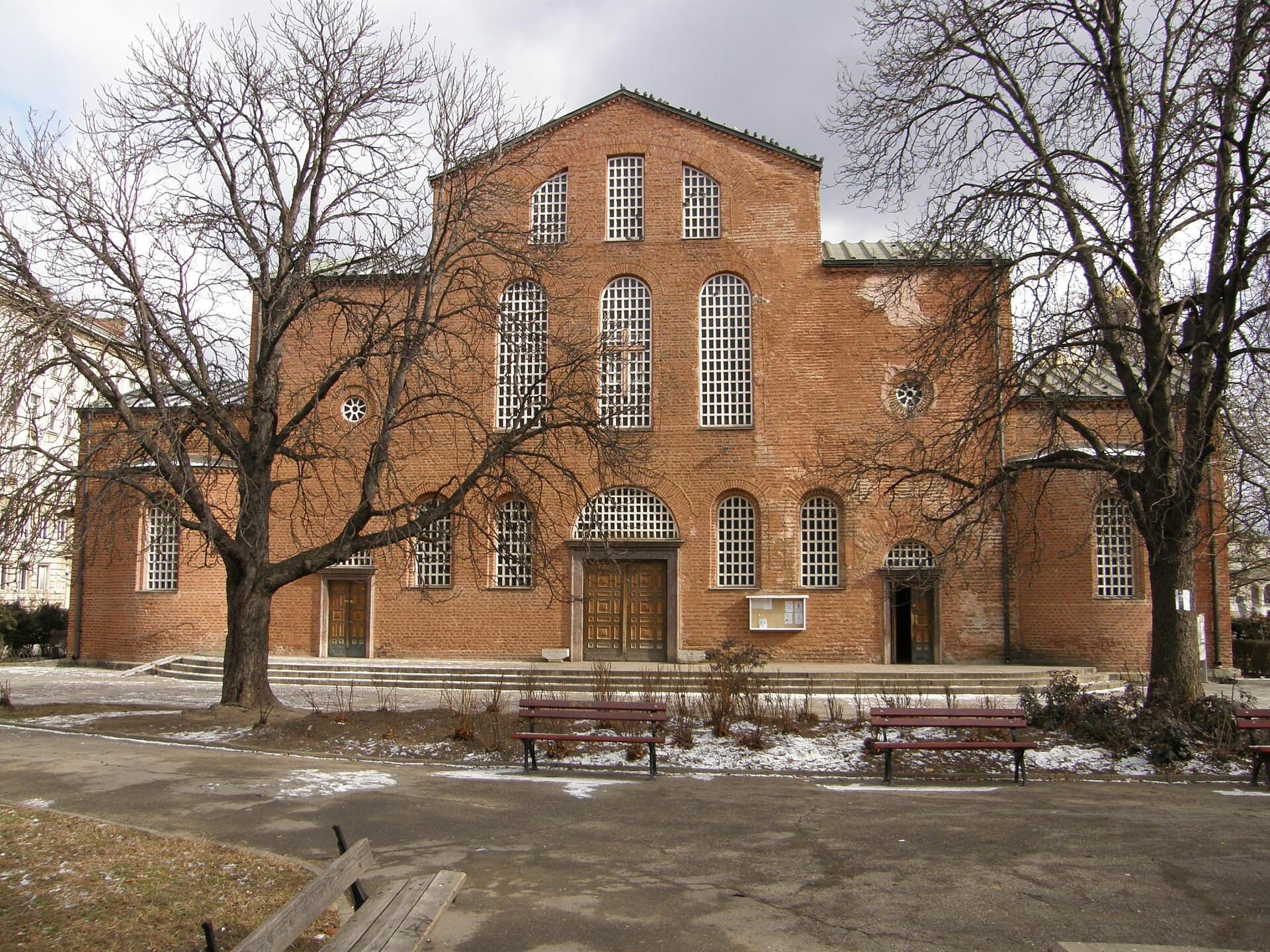 St. Sofia ChurchSt. Sofia Church is the building that gave the entire city its name: an ancient 4 minutes walk4.8
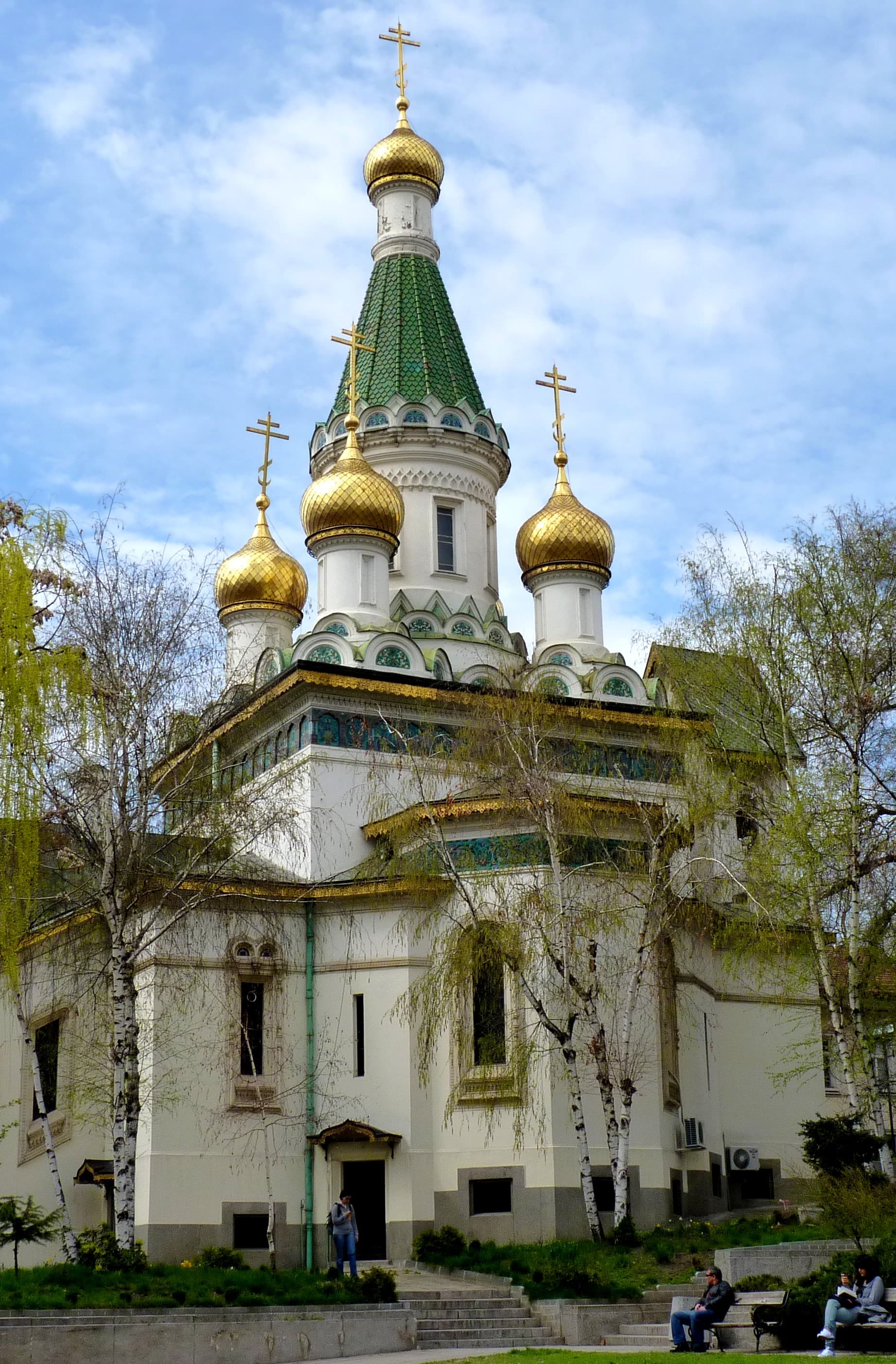 The Russian ChurchThe church of St Nicholas — the Russian Church — is the smallest of central Sofi4 minutes walk4.7
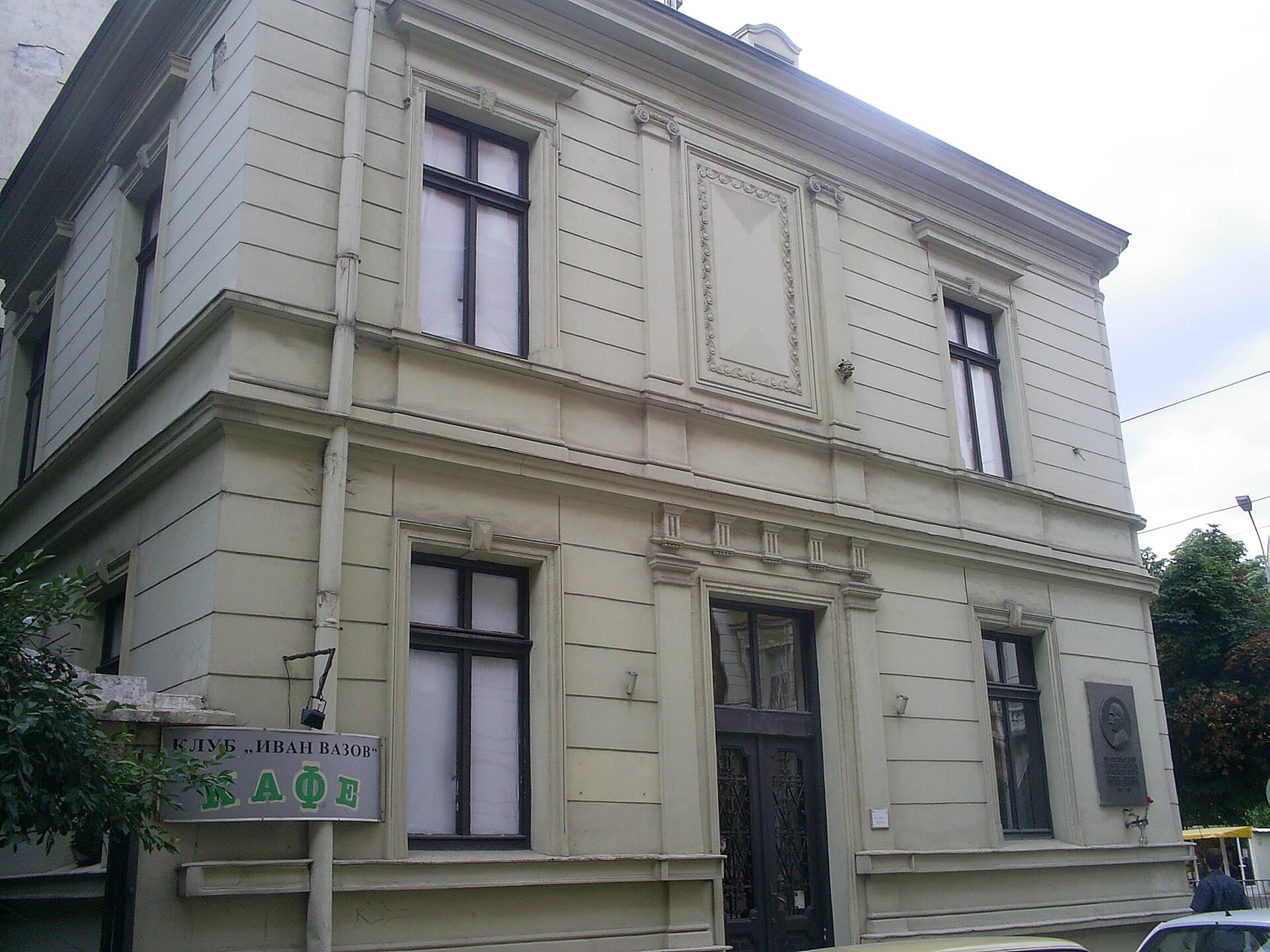 The Ivan Vazov House MuseumThe house where the Bulgarian writer Ivan Vazov lived his last years and died in5 minutes walk4.6
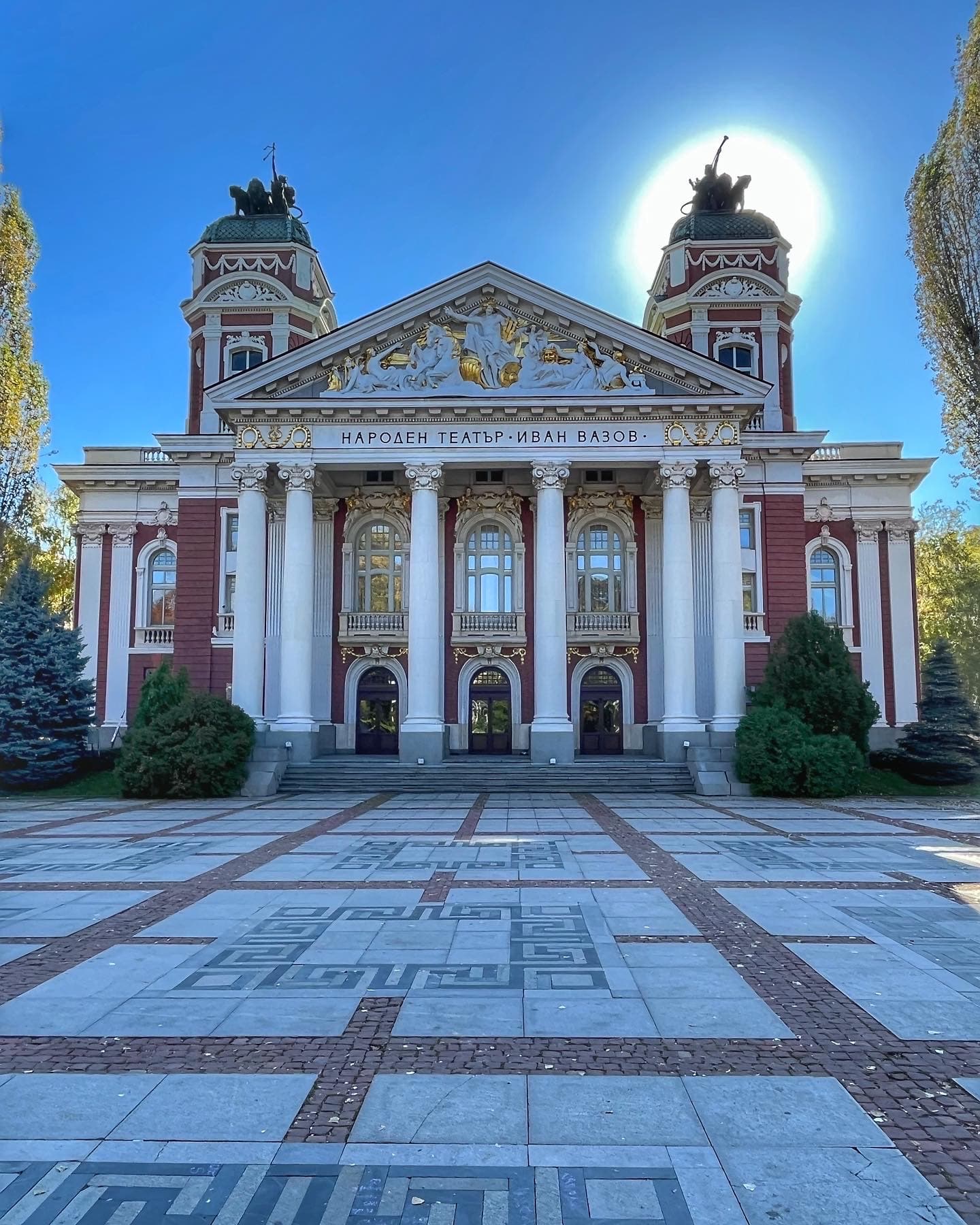 The Ivan Vazov National TheatreThe Ivan Vazov National Theatre is the handsomest building in Sofia and the one 6 minutes walk4.9
For the same reason this monument stands. **Alexander Nevsky** was a thirteenth-century Russian prince and Orthodox saint, and the cathedral was named for him in honour of the Russian soldiers who fell in the war of 1877-78 — some two hundred thousand dead in that campaign. It was built between 1882 and 1912 and holds five thousand. Its name was changed temporarily during the First World War, when Bulgaria and Russia were on opposing sides, and then restored. The gilded dome and the crypt holding the icon museum are the best of it; entry is free and the museum is ticketed.