
The solitary cells
Very small preserved spaces on the upper floor — they do what text cannot.
Sam — CC BY 2.0 · Ardfern — CC BY-SA 4.0 · Ardfern — CC BY-SA 4.0 · Neil — CC BY 2.0
A museum about the Portuguese dictatorship and the resistance to it, in a building that was an actual political prison until 1965. That is not incidental: the displays sit in the place where the arrests and interrogations happened. The period it covers is long and unfamiliar to many visitors — an authoritarian regime ruled Portugal for more than forty years until the Carnation Revolution of 1974, among the longest dictatorships in twentieth-century Western Europe. The museum explains the censorship, the secret police, the colonial wars and exile. The hardest part is the preserved solitary cells on the upper floor: very small spaces used for isolation. Seeing them does what text cannot. The location is excellent, on the climb from the cathedral up to São Jorge Castle, so you pass it on a route you are walking anyway. Interpretation is available in English alongside Portuguese.
Very small preserved spaces on the upper floor — they do what text cannot.
A period many visitors know nothing about, ended by the Carnation Revolution in 1974.
Censorship, secret police, colonial wars and exile in one place.
Rua de Augusto Rosa, near the cathedral, Lisbon
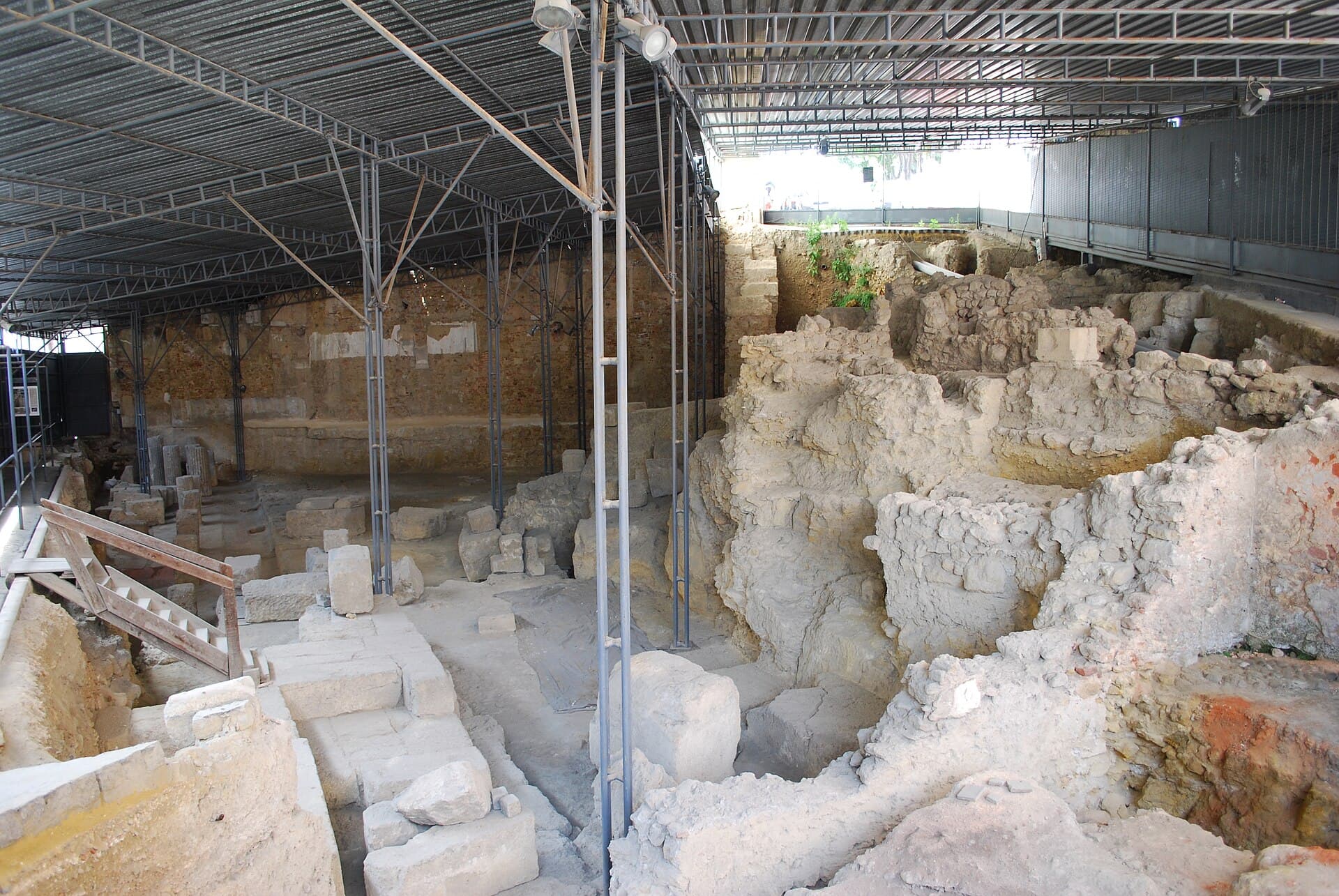 Roman Theatre MuseumA museum built around the remains of a first-century Roman theatre, on the slope1 minute walk4.3
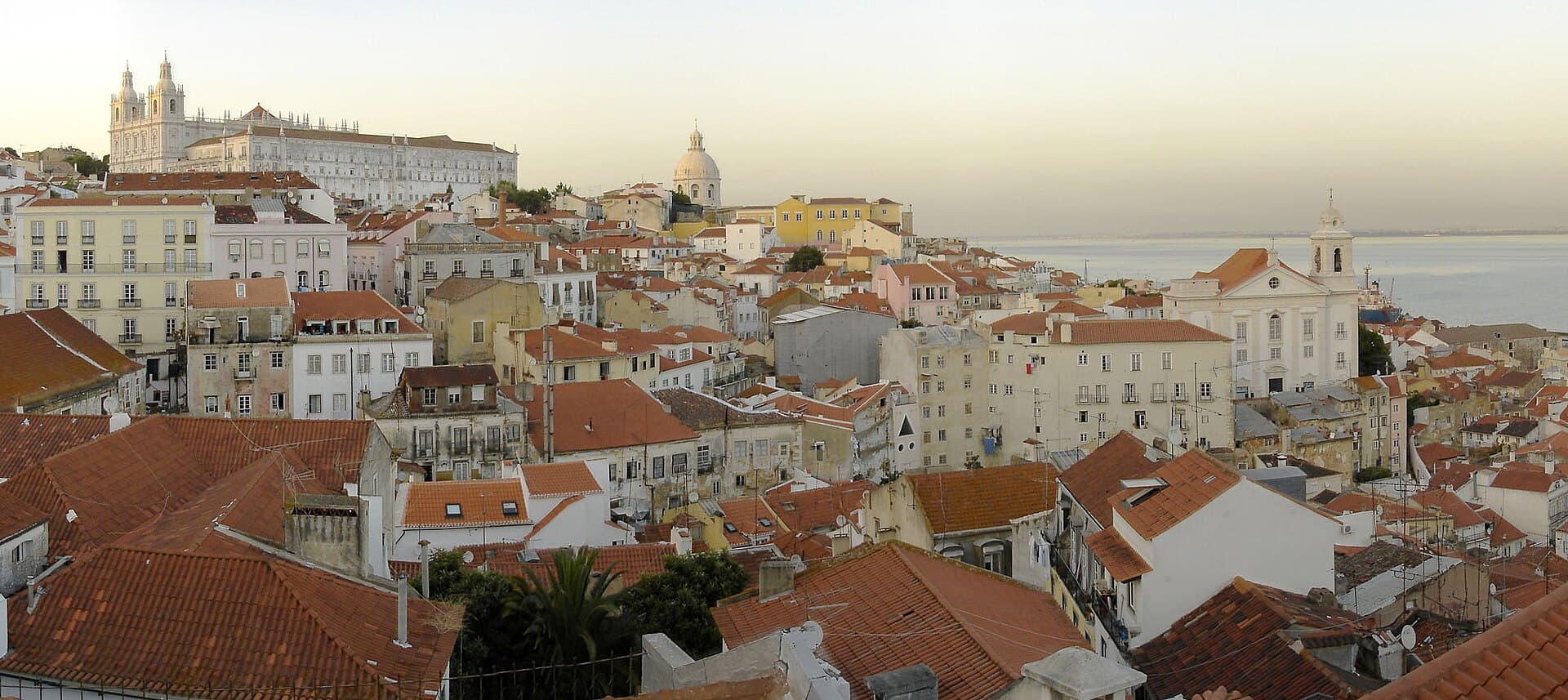 Alfama & its MiradourosAlfama is Lisbon's oldest soul: the quarter that survived the 1755 quake keeping1 minute walk4.5
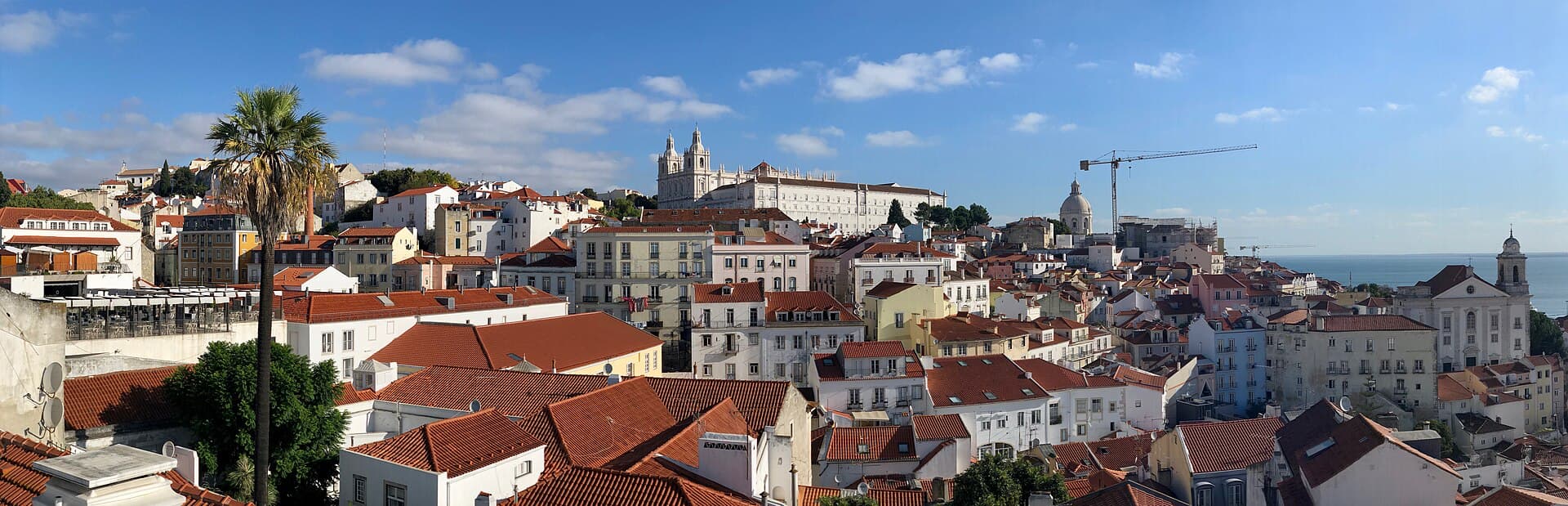 Miradouro das Portas do SolA viewing terrace on the edge of the Alfama, looking east over the roofs of the 4 minutes walk4.6
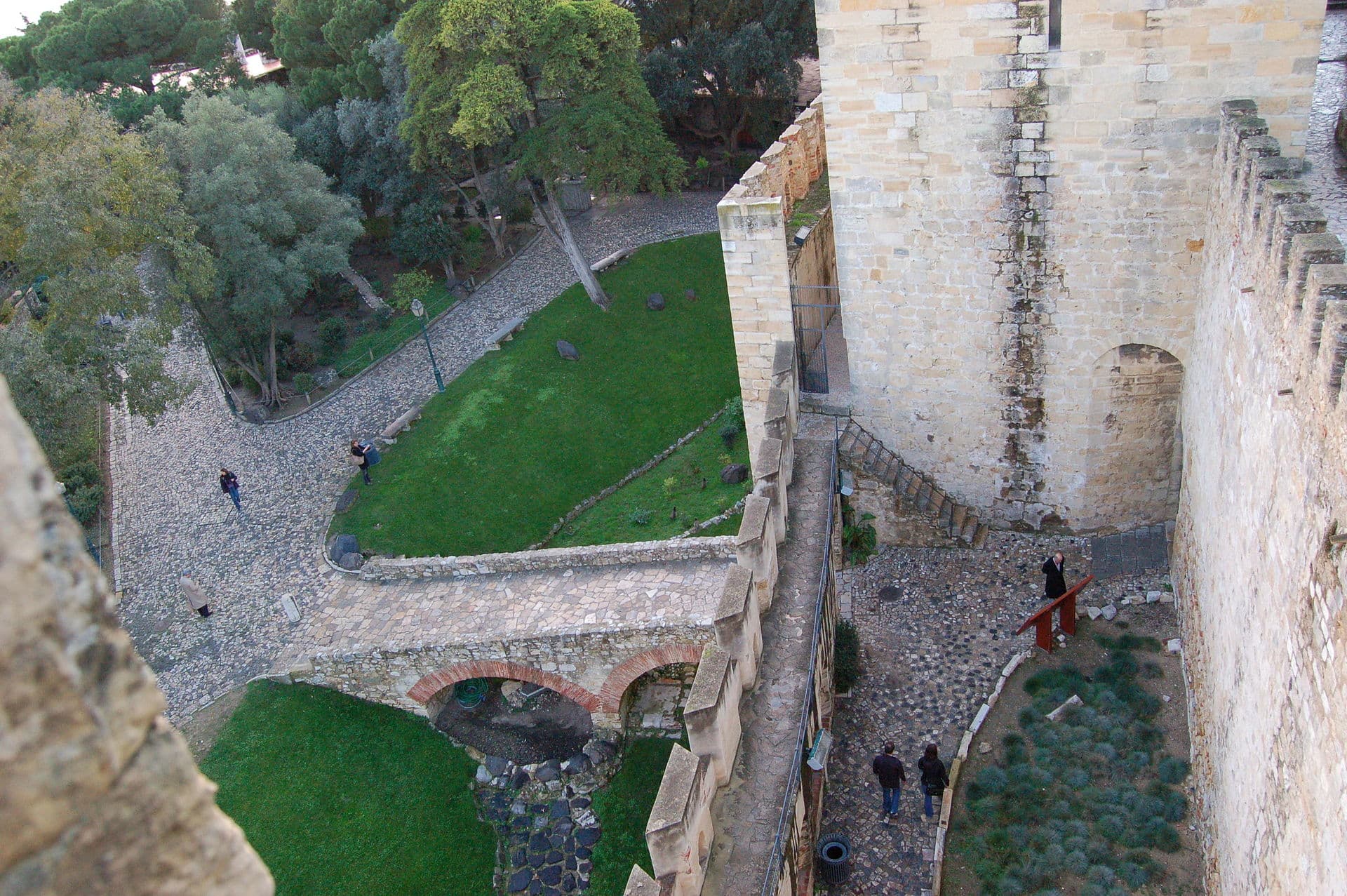 São Jorge CastleSão Jorge Castle is Lisbon's crown and origin: on its highest hill the Almoravid5 minutes walk4.4
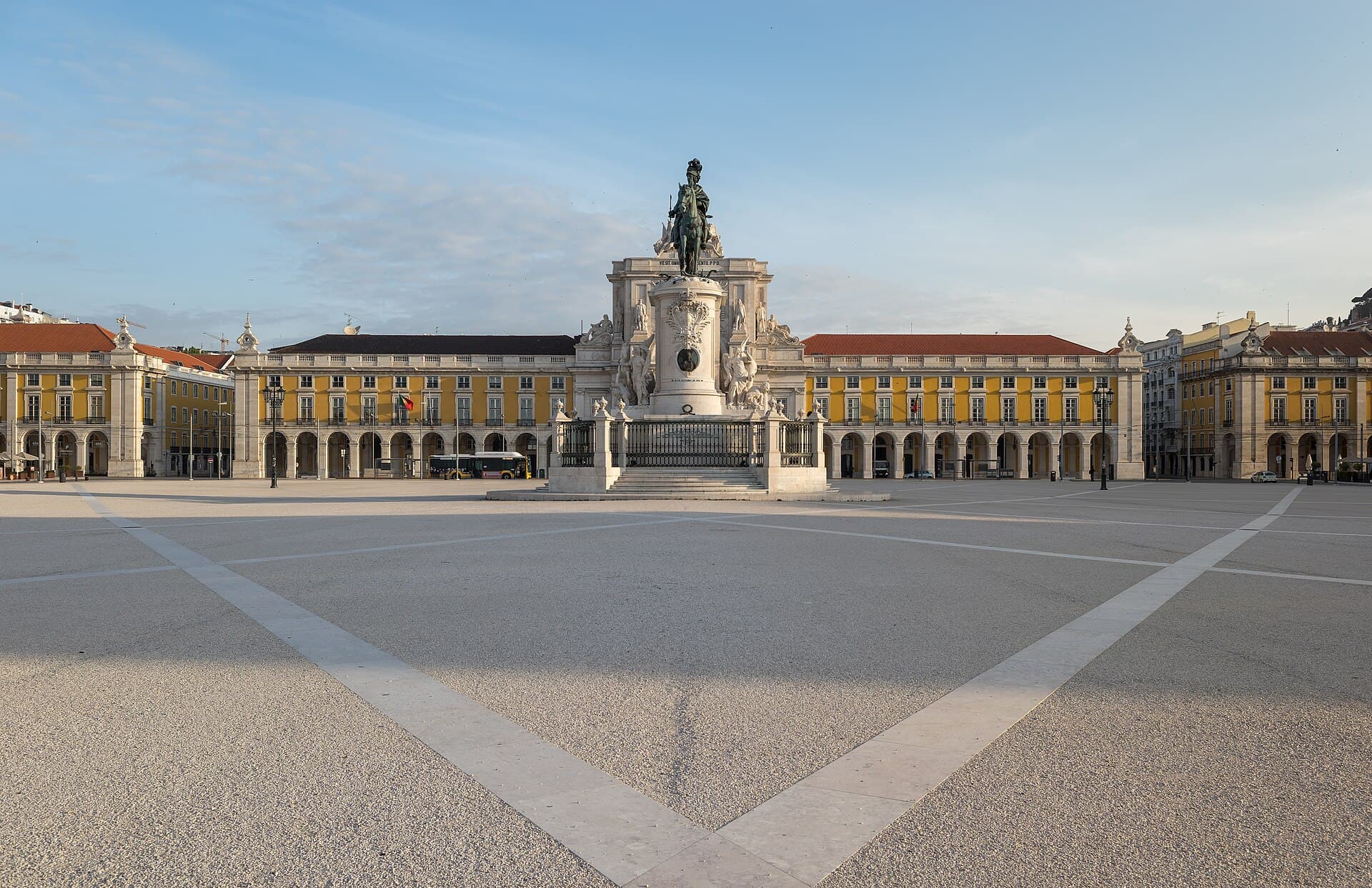 Praça do Comércio & the BaixaThe Praça do Comércio is Lisbon's royal sea gate: here stood the kings' palace t5 minutes walk4.8
A military coup in April 1974 that ended the dictatorship almost without bloodshed, named because civilians put carnations in the soldiers' rifle barrels. It led to democracy and to independence for Portugal's African colonies. The museum devotes a section to it.
The content is heavy and deals with arrest, torture and cells, and suits teenagers and adults better. Small children will get little from it and may find parts distressing.