
The river chest
The square open whole to the Tagus.
Jules Verne Times Two — CC BY-SA 4.0 · Luísa Paulos — CC BY-SA 4.0 · Holger Uwe Schmitt — CC BY-SA 4.0 · Ray Swi-hymn from Sijhih-Taipei, Taiwan — CC BY-SA 2.0
The Praça do Comércio is Lisbon's royal sea gate: here stood the kings' palace two centuries until the 1755 quake and its tsunami swallowed it — and Pombal remade the site as a perfect yellow arcaded square opening its whole chest to the river: Europe's greatest water-joined plaza, José I in bronze on horseback at its heart. Through its triumphal arch (the Arco da Rua Augusta — ride to its roof on a small ticket for the square's complete angle) enters the lower Baixa: Pombal's straight grid, history's first modern earthquake planning, its streets named for the crafts, up to Rossio square with its famous wave pavement and twin fountains. And on the square's bank the Cais das Colunas — twin marble stairs descending into the Tagus where royal barges landed: sit on their stones as sunset burns the bridge: Lisbon's first evening rite, free.
The square open whole to the Tagus.
The square's full angle on a small ticket.
The famous calçada rolling black and white.
Praça do Comércio, 1100-148 Lisbon
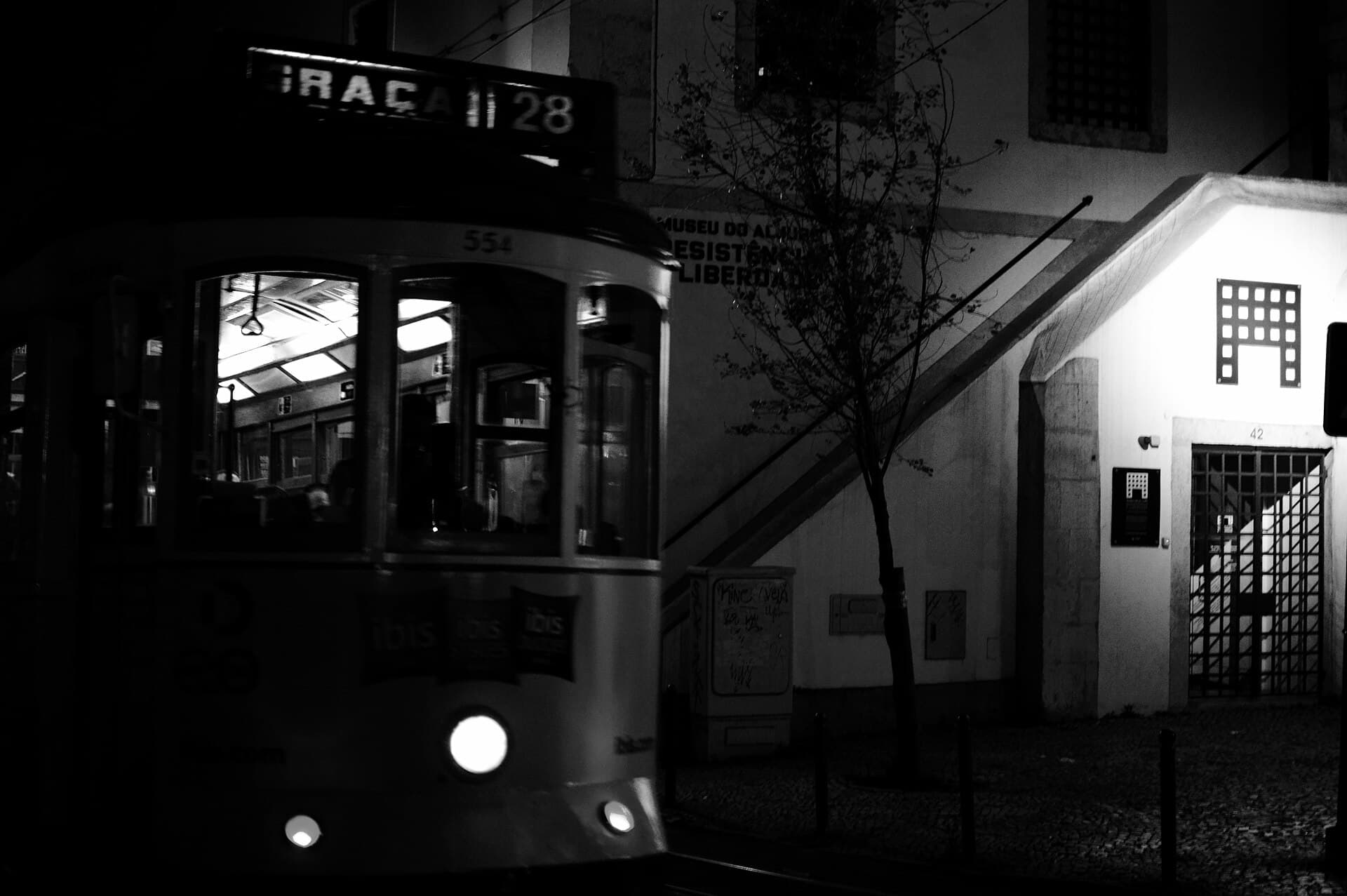 Aljube Museum of Resistance and FreedomA museum about the Portuguese dictatorship and the resistance to it, in a buildi5 minutes walk4.6
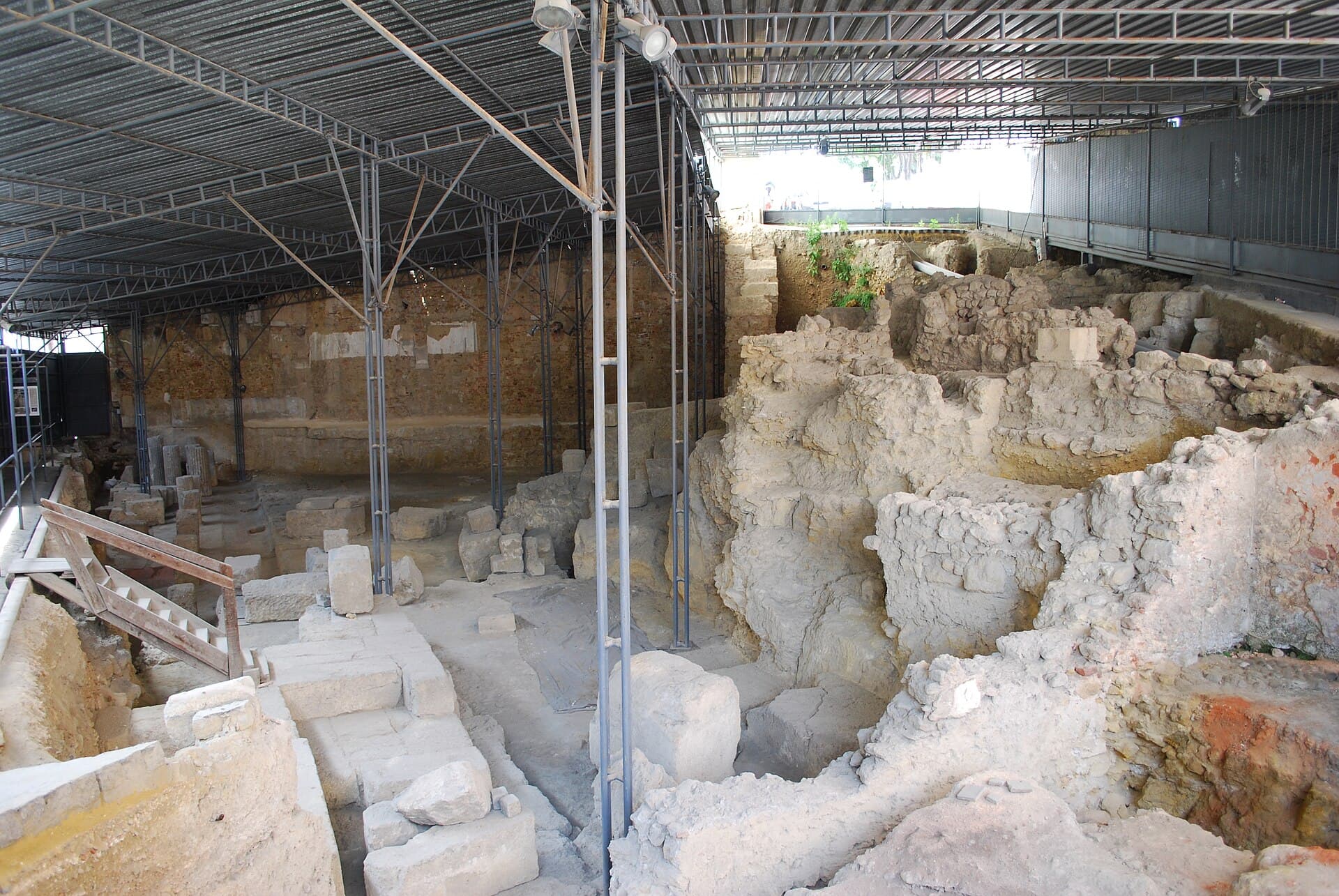 Roman Theatre MuseumA museum built around the remains of a first-century Roman theatre, on the slope6 minutes walk4.3
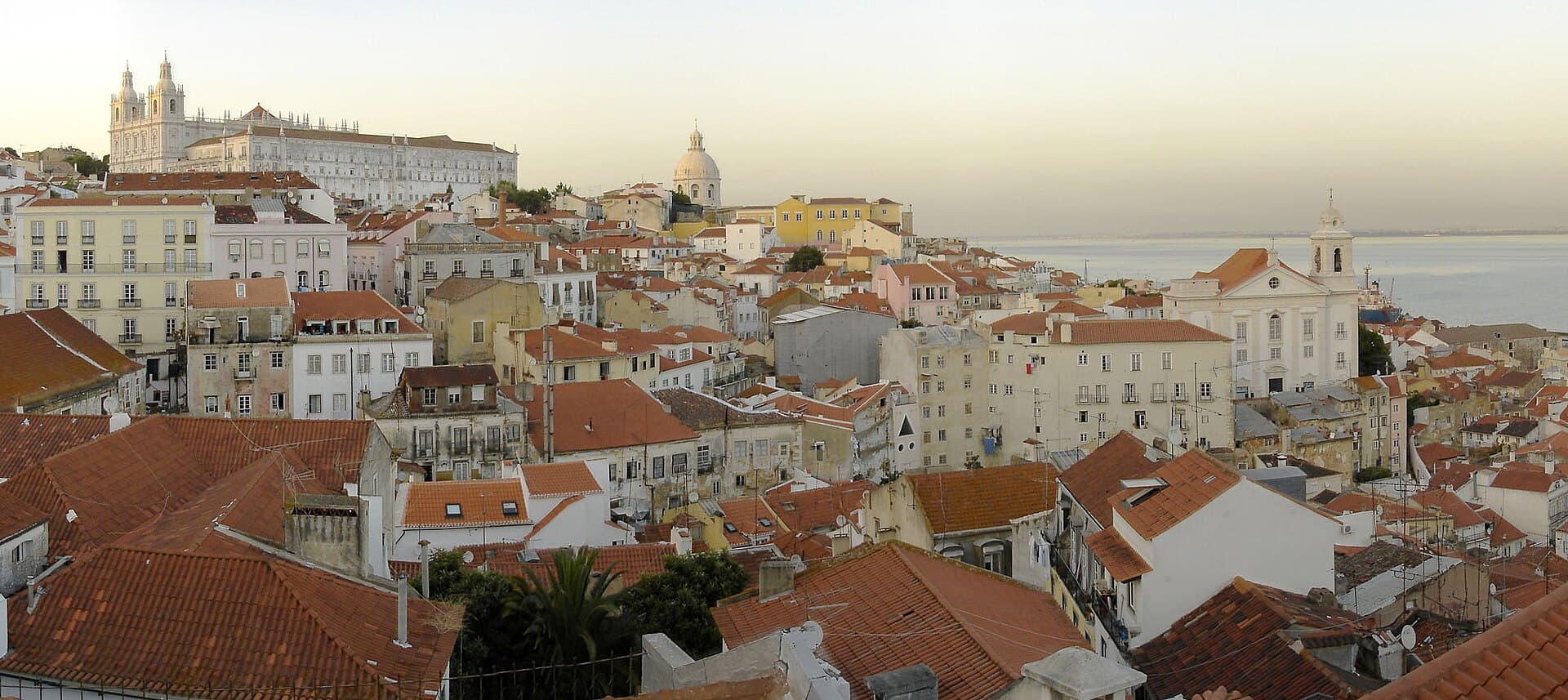 Alfama & its MiradourosAlfama is Lisbon's oldest soul: the quarter that survived the 1755 quake keeping6 minutes walk4.5
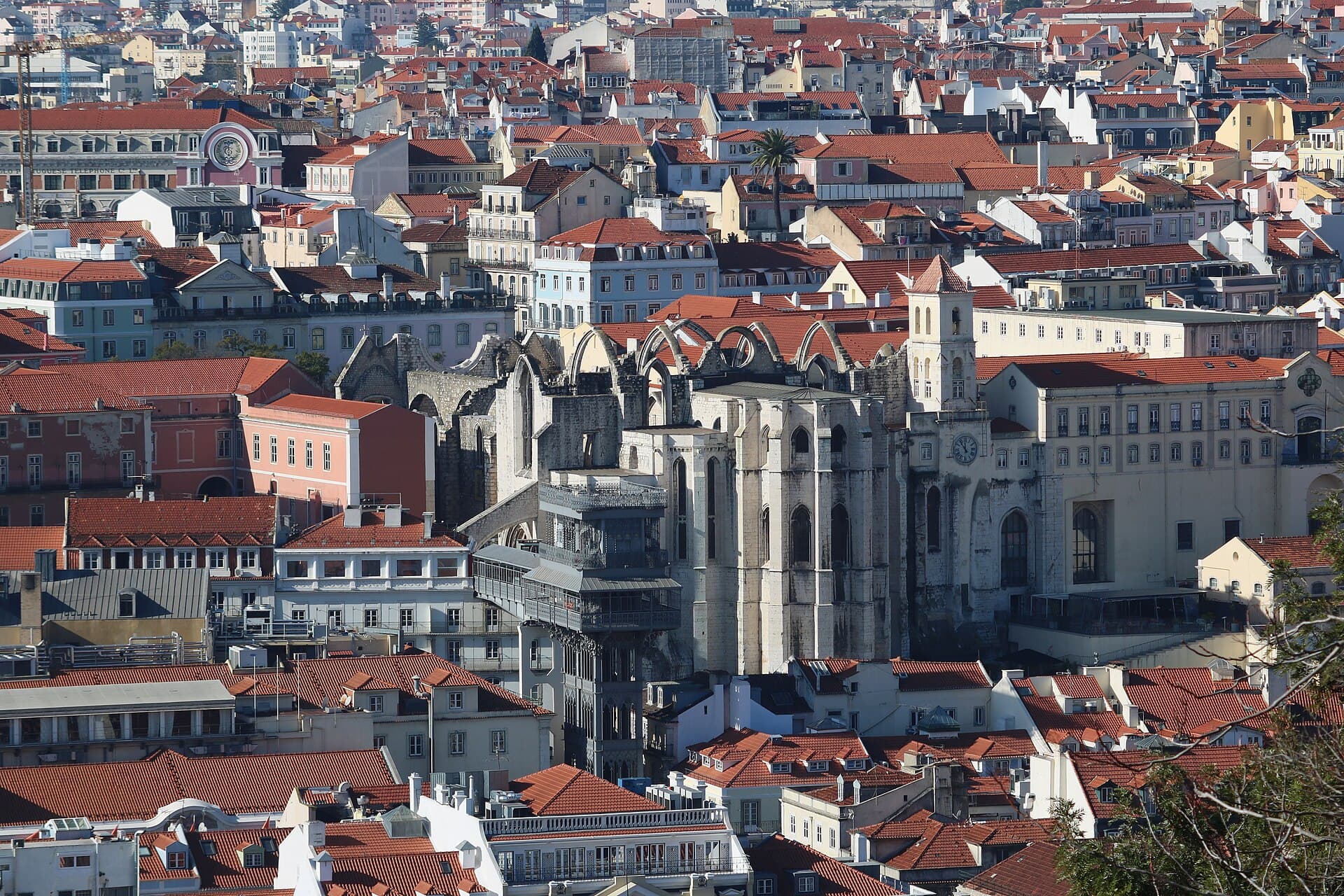 The Carmo Convent, Open to the SkyCarmo is 1755's deliberately kept wound: Lisbon's greatest Gothic church (1389) 8 minutes walk4.6
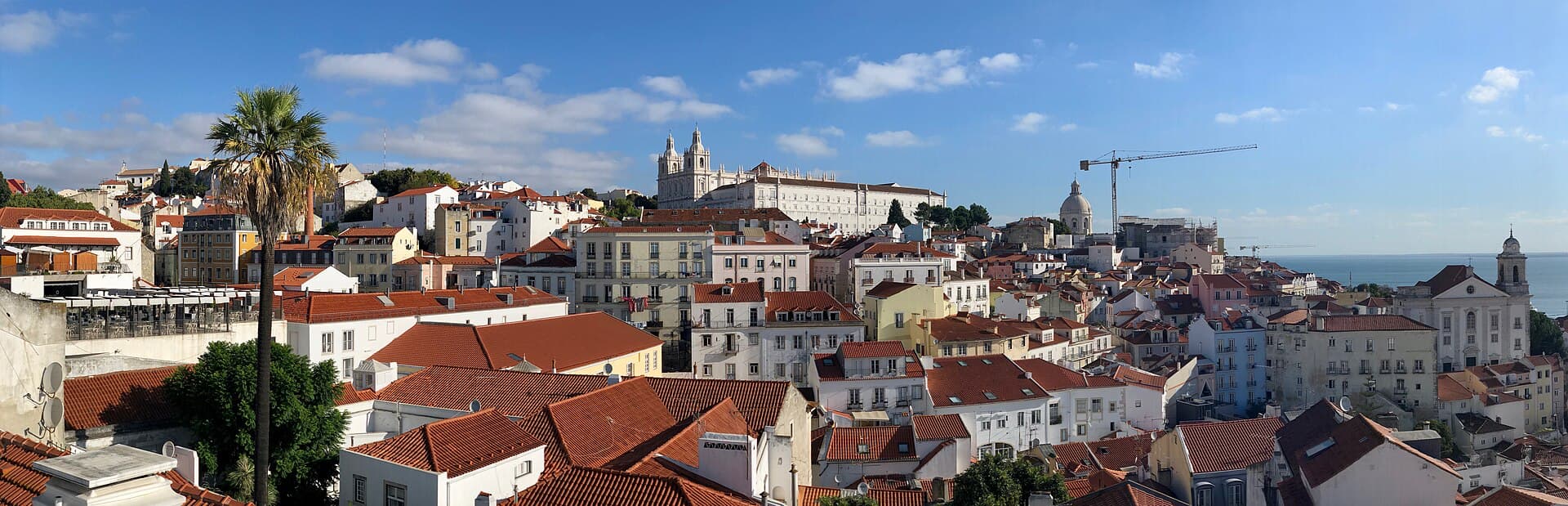 Miradouro das Portas do SolA viewing terrace on the edge of the Alfama, looking east over the roofs of the 9 minutes walk4.6
On All Saints' morning an estimated 8.5 quake struck Lisbon, then its tsunami, then six days of fire — a third of the city died and most of it fell, the catastrophe shaking Europe's own philosophy (Voltaire, Candide). Pombal answered with stern reason: the grid and anti-seismic rules as history's first earthquake engineering — the Lisbon you walk was born that morning.