
Körtik Tepe and Çayönü hall
Stone tools and bowls from villages some twelve thousand years old, among the oldest objects you will see in any museum.
Dosseman — CC BY-SA 4.0 · Chansey — CC BY-SA 4.0 · - Ozymandias - — CC BY-SA 4.0 · - Ozymandias - — CC BY-SA 4.0
The oldest things in these cases predate the pyramids by roughly seven thousand years: incised stone bowls and tools from Körtik Tepe, one of the earliest settled villages anywhere, dating to around the tenth millennium BC, alongside finds from Çayönü, a site that holds some of the earliest known evidence for wheat farming and pig domestication. That is where the story starts, and it then runs in strict chronological order through the Assyrians, Roman Amida, the Marwanids and Artuqids to the Ottomans, inside the government house that Governor Sırrı Pasha built in 1889. The museum is not one building but a campus inside the İçkale, the inner citadel on the north-eastern corner of the old city, where late-Ottoman public buildings were restored and given new jobs: the gendarmerie barracks became a thematic gallery, the church of St George, whose architecture goes back to the third century, an art gallery, the inspectorate that Atatürk used as his headquarters in 1917 an Atatürk museum, the Army Corps building of 1902 a café. A single three-euro ticket opens the lot, which makes it one of the cheapest state museums in Turkey. One plain warning: the Ministry of Culture currently lists the thematic hall as temporarily closed, so the chronological hall is what you will actually see, and it fills a focused hour. What makes the trip worth more than the museum alone is what surrounds it. A few steps away stands the Hz. Süleyman Mosque, named after Süleyman son of Khalid ibn al-Walid and holding, by local tradition, the tombs of twenty-seven Companions of the Prophet who fell in the conquest of Amida in 639, a place of pilgrimage for the whole region, and from the citadel walls you get the view Diyarbakır is famous for: the green Hevsel Gardens and the Tigris winding beneath them, the landscape that was inscribed with the walls on the UNESCO World Heritage list. Treat the museum as one stop on a citadel walk, not a destination in itself. Practically: labels are in Turkish and English only, and the halls are air-conditioned, which matters in a Diyarbakır summer that often passes forty degrees in July and August, so go inside at midday and leave the walls for late afternoon. The campus paths are paved and wide enough for pushchairs, with stairs up to the first floor of the exhibition hall. Children over about eight get half an hour out of the stone tools and pottery; younger ones will prefer the ramparts. Spring and autumn are the comfortable seasons for the whole city.
Stone tools and bowls from villages some twelve thousand years old, among the oldest objects you will see in any museum.
Restored late-Ottoman government buildings, the church of St George turned art gallery, and the Atatürk museum, all on the same ticket.
Steps away: the tombs of twenty-seven Companions by local tradition, then the citadel walls above the Hevsel Gardens and the Tigris.
Cevat Paşa Mah., Hz. Süleyman Cad. No:43, İçkale (Inner Citadel)
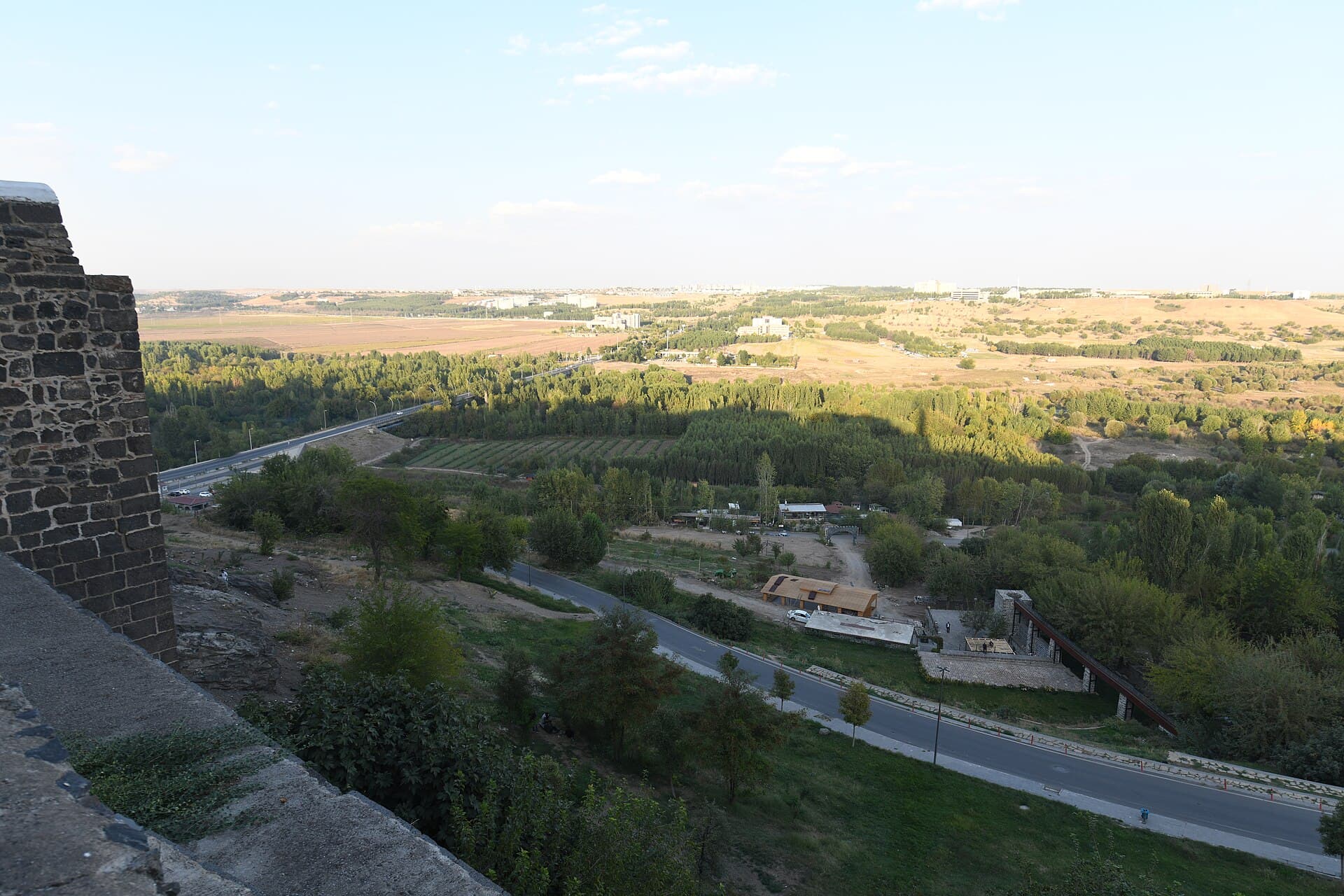 İçkale (Inner Citadel)Everything in Diyarbakır started here. The inner citadel sits in the north-east 2 minutes walk4.8
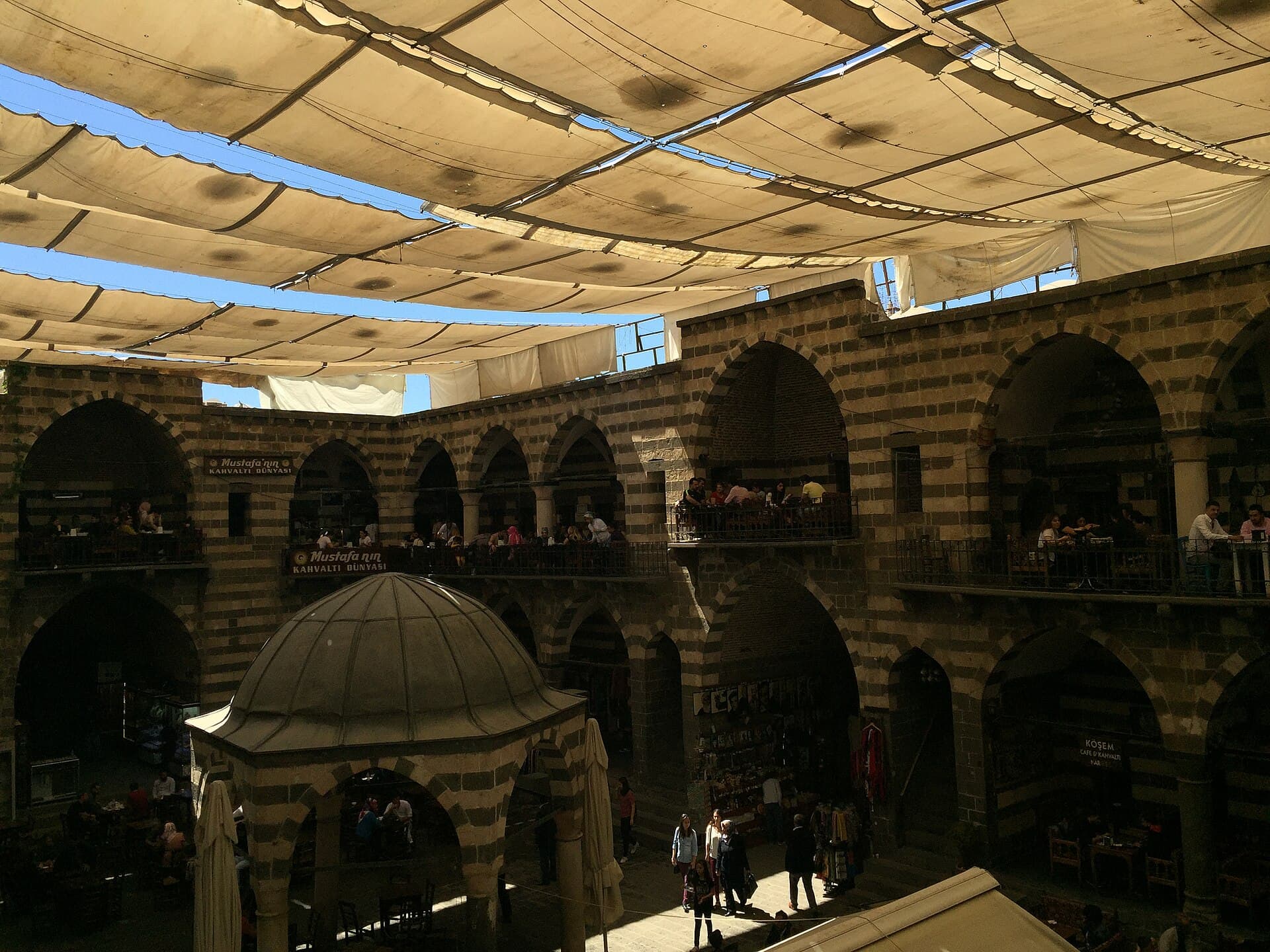 Hasan Paşa HanBefore the city is fully awake, the smell of tea and hot bread is already drifti7 minutes walk4.6
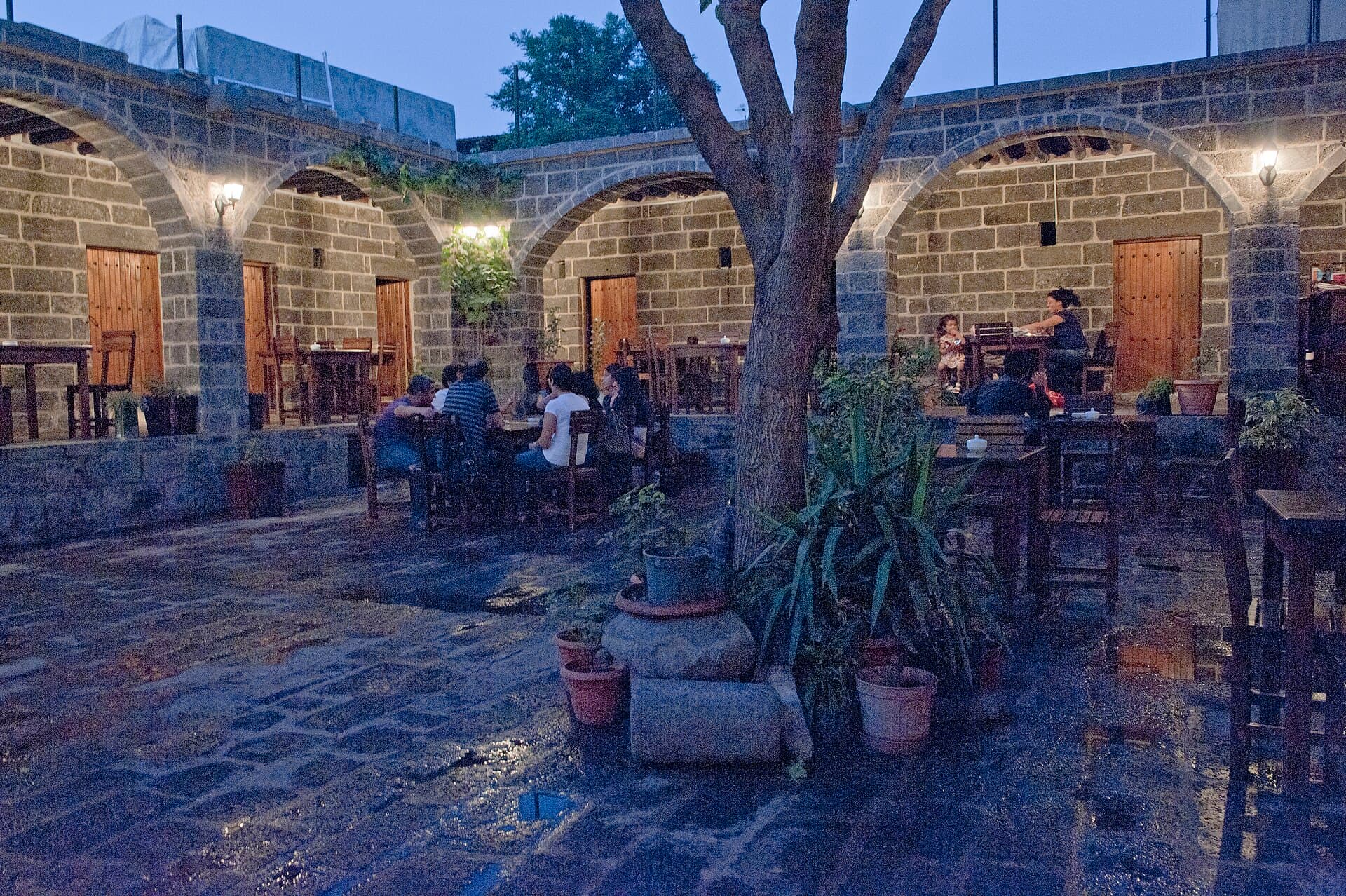 Sülüklü HanThe name means 'Leech Han', and it is earned: the well in the middle of this cou8 minutes walk4.5
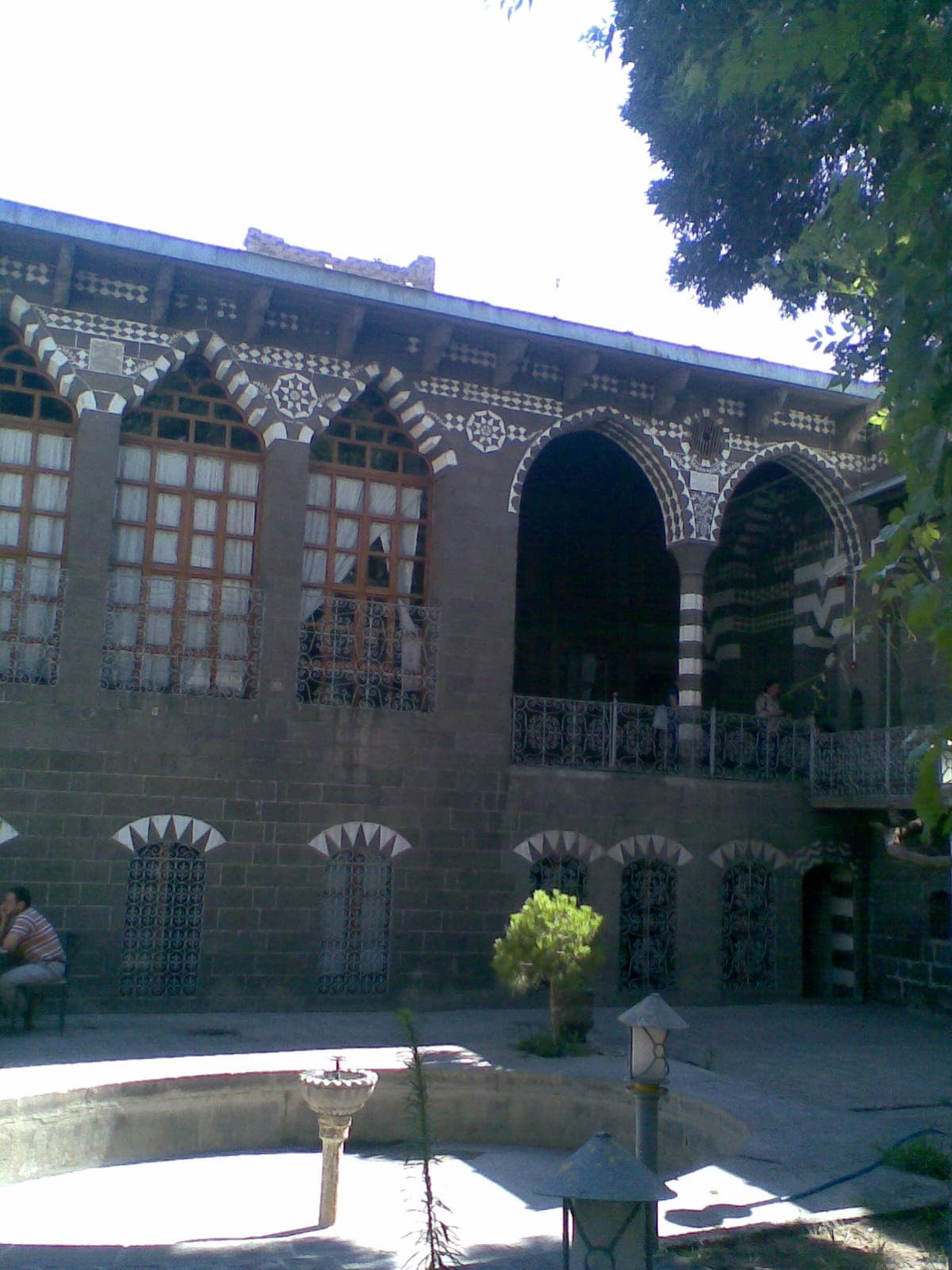 Cahit Sıtkı Tarancı MuseumA black-basalt house built in 1733, in which a Turkish poet was born in the autu8 minutes walk4.7
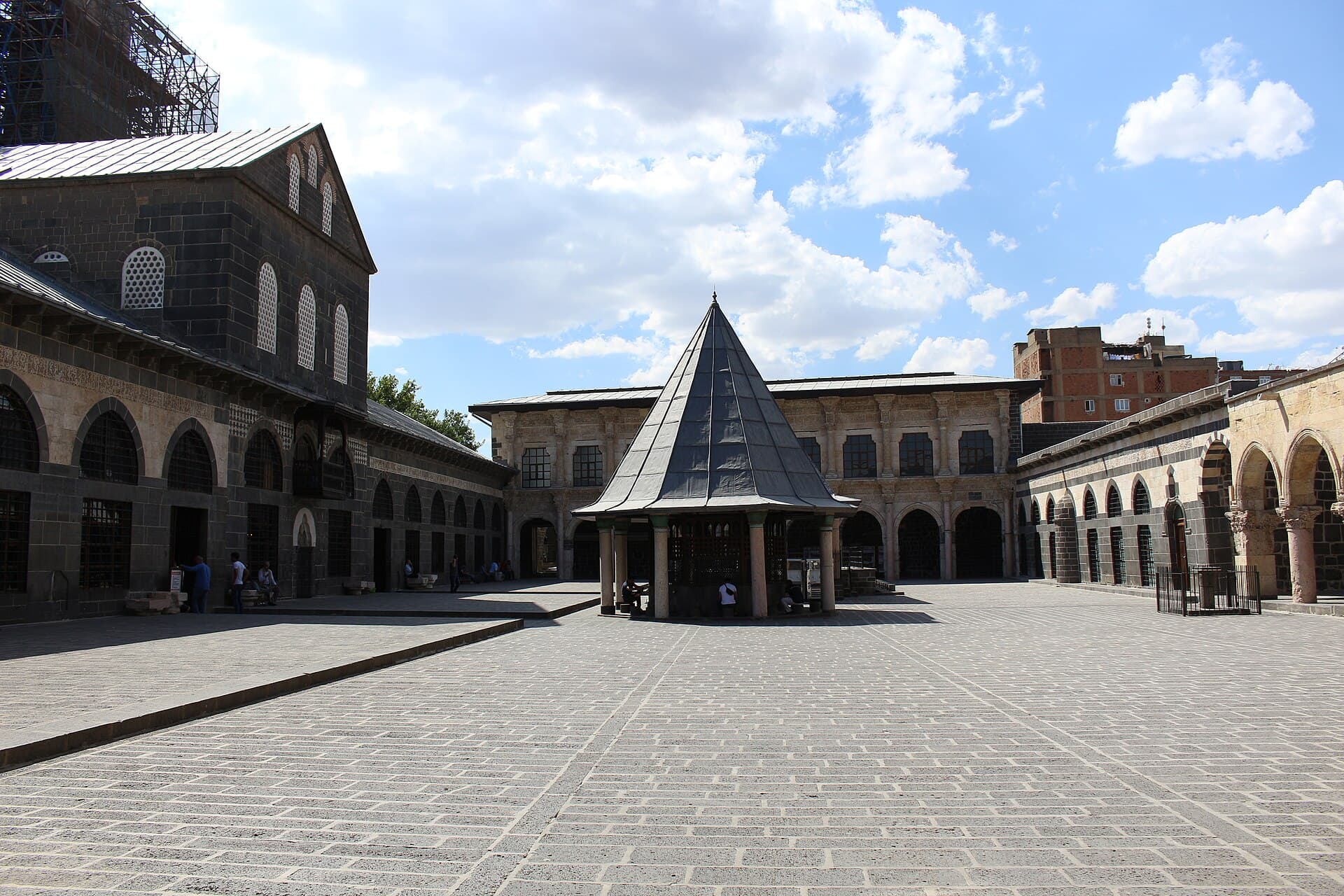 Great Mosque of DiyarbakırThe oldest mosque in Anatolia stands a few steps from Diyarbakır's old bazaar, a9 minutes walk4.8
If you are heading up to the İçkale anyway for the Hz. Süleyman Mosque and the Tigris view, yes: three euros and an hour are not wasted. But if it is a choice between the museum and the city walls, the Great Mosque or the old church quarter, pick those first; with the thematic hall temporarily closed, what is actually on show is a single hall.
Reasonably so. Distances are short, the paths are paved and pushchair-friendly, and the halls are air-conditioned, which matters in summer. Small children will be bored after twenty minutes, but the courtyard and ramparts around them make up for it, and there is a café on the campus.