
The basalt courtyard
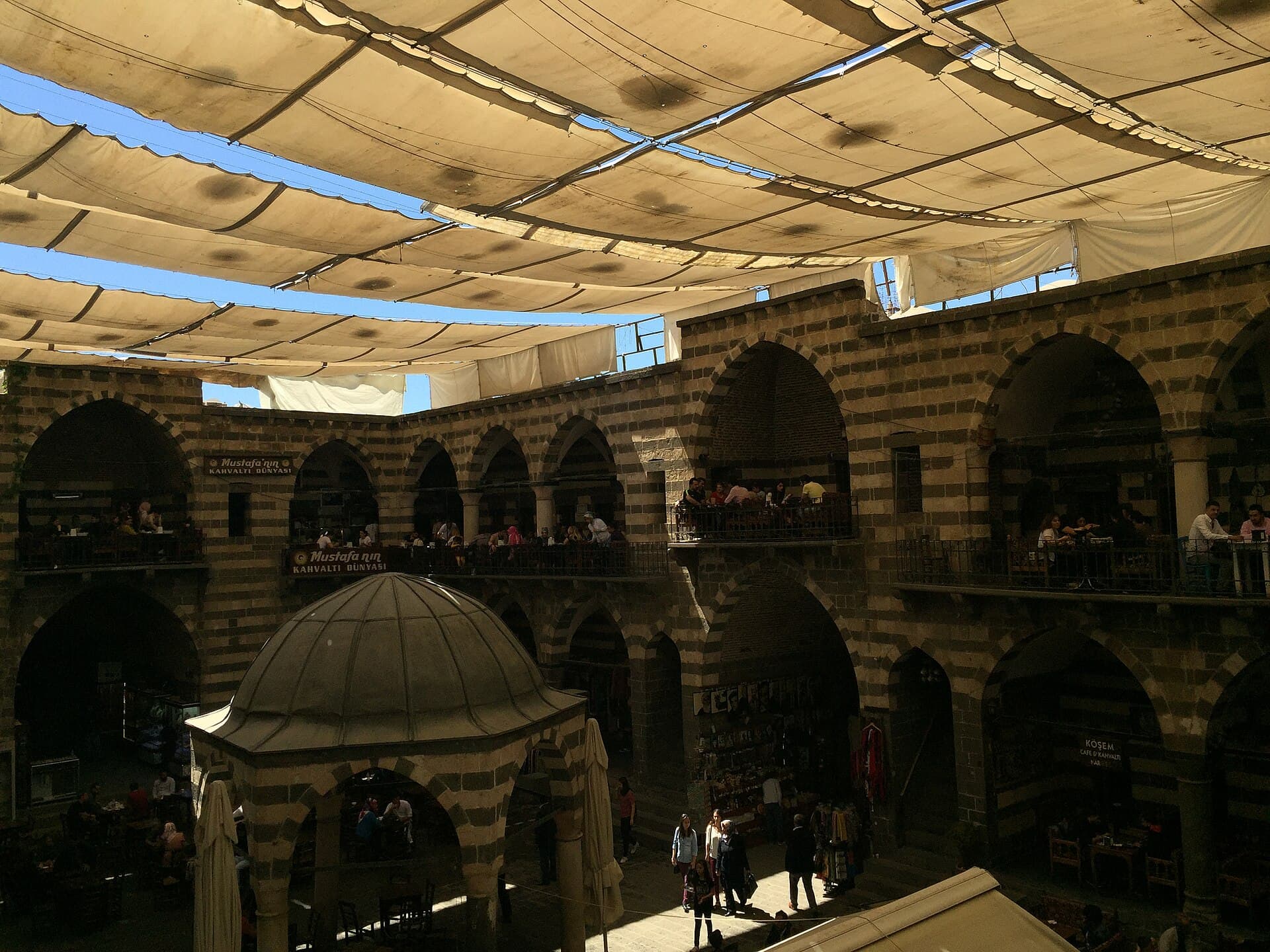
Black arcades from 1683 around the leech well that named the place, with a vine roof shading the seats in summer.
Dosseman — CC BY-SA 4.0 · Dosseman — CC BY-SA 4.0 · Dosseman — CC BY-SA 4.0 · Dosseman — CC BY-SA 4.0
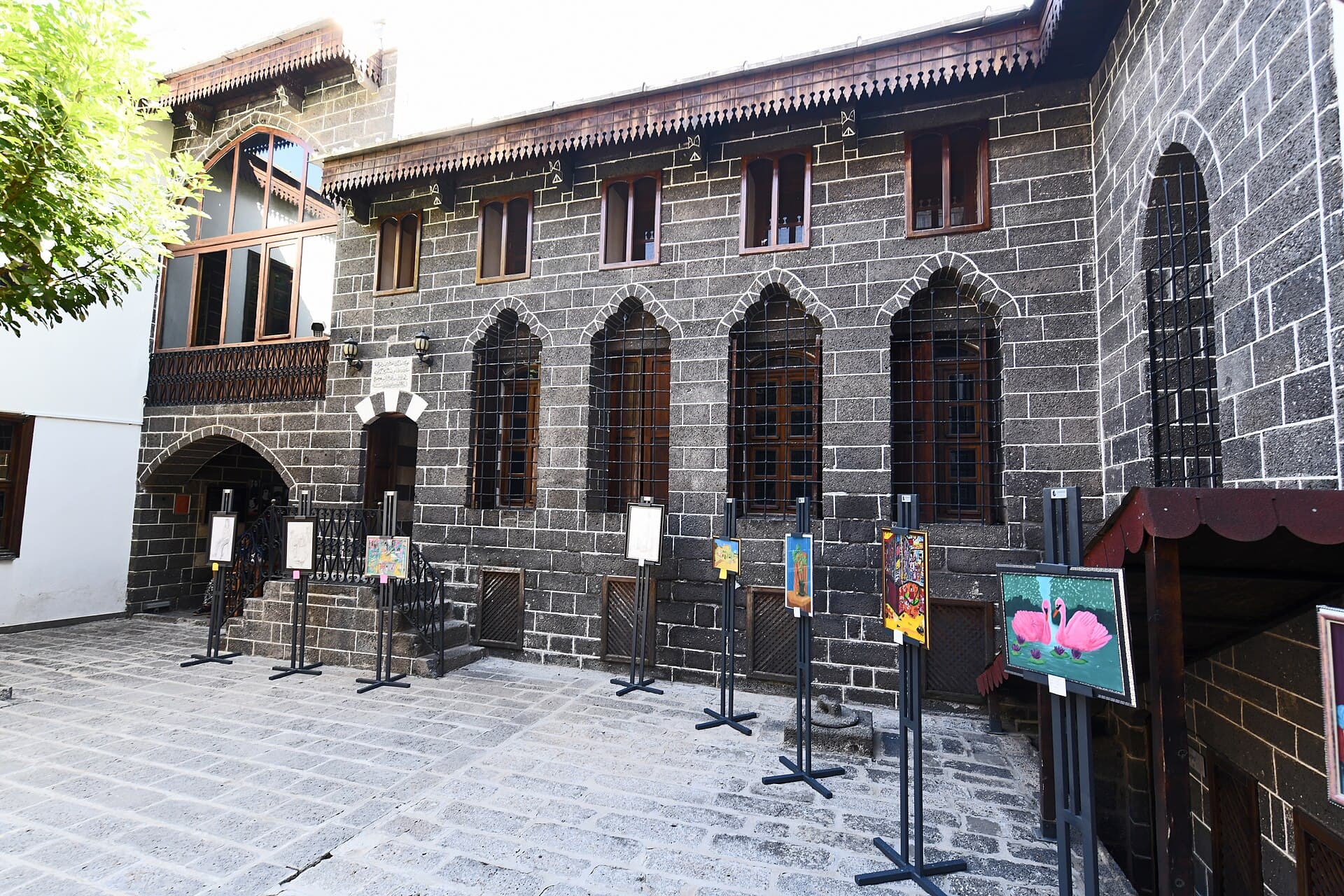
The name means 'Leech Han', and it is earned: the well in the middle of this courtyard was once where medicinal leeches were drawn for treating the sick, and the name outlived the cure. Hanilioğlu Mahmut Çelebi and his sister Atike Hatun built it in 1683 out of the same black basalt as the rest of the walled city; because the coppersmiths' market stood next door it was also known as Kazancılar Hanı, the Coppersmiths' Han. It began as three storeys with eighteen rooms on each floor and stables underneath for the animals and the goods, and during the Turkish War of Independence a cavalry unit made it their headquarters. Only the ground floor survived all that, and that is what you see now: a ring of dark basalt arcades around an open courtyard, the well, and vines strung overhead for shade. Since restoration it has lived as a café-restaurant, and that is the point to grasp before you go. This is not a monument to inspect but a place to sit: samovar tea, Turkish coffee, nargile and light plates under the arches, and on some evenings live music that fills the courtyard. Entry is free and the doors stay open from morning until late evening, but prices sit noticeably above the street cafés outside the gate. You are paying for the walls, not the tea. It stands on Gazi Caddesi just south of the Hasan Paşa Han, two minutes' walk from the Great Mosque, so treat it as the rest stop on your Sur walk rather than a destination in its own right. Families do fine here, since the courtyard is a single level with no stairs, though the cobbled alleys around it are unkind to pushchairs. In August, when Diyarbakır touches 40°C, there is no sense sitting here before sunset; in spring and autumn it is one of the best ways to spend a spare hour in the city.
Black arcades from 1683 around the leech well that named the place, with a vine roof shading the seats in summer.
On some nights the courtyard fills with music and song, and that is the best moment to be there.
A few steps from the Great Mosque and the Hasan Paşa Han, it is the natural tea break on an old-city walk.
Gazi Caddesi, Savaş Mah., Sur, Diyarbakır
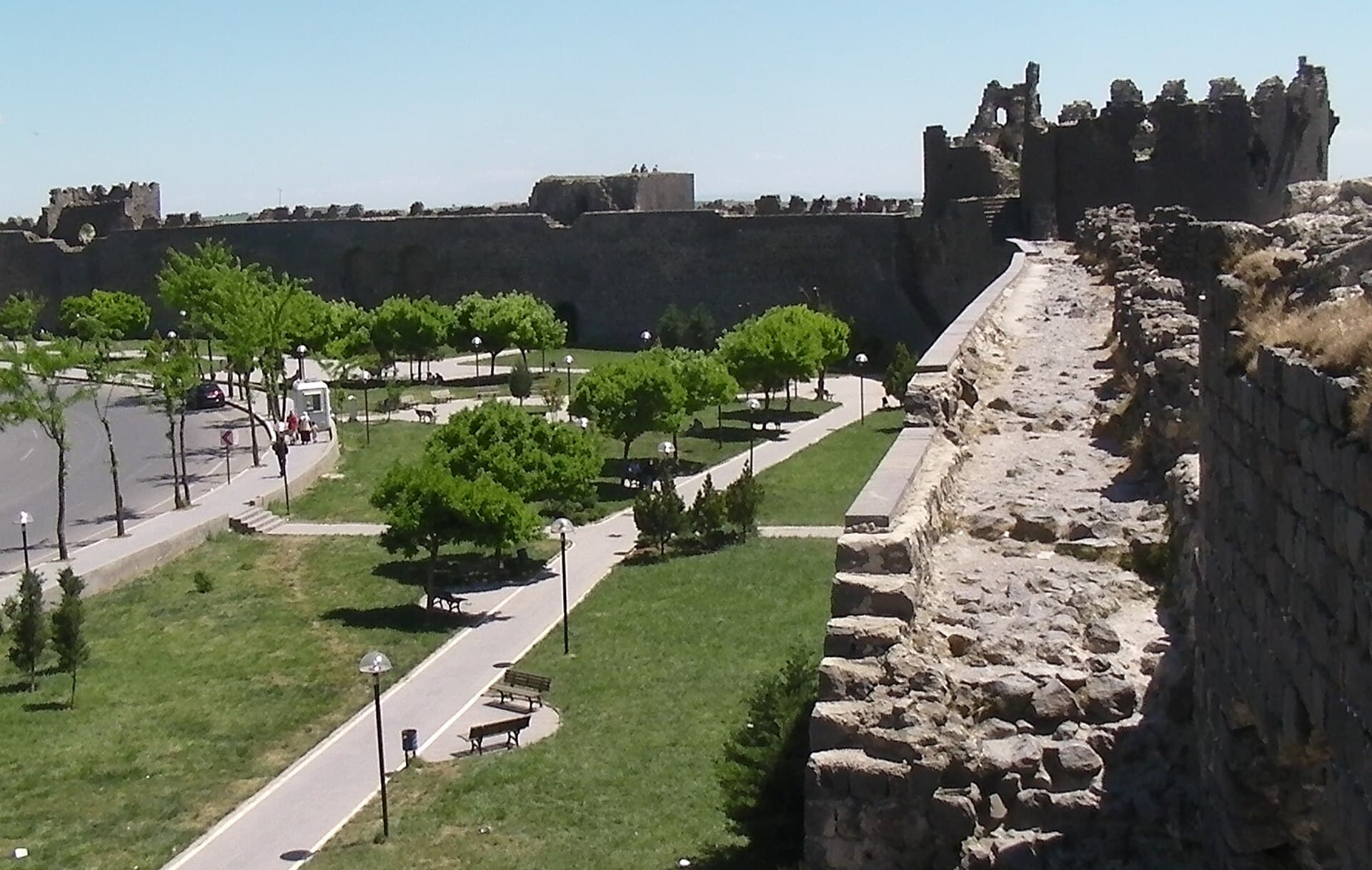 Suriçi Old TownBehind a black basalt wall nearly six kilometres round, with 82 towers and four 1 minute walk4.6
 Hasan Paşa HanBefore the city is fully awake, the smell of tea and hot bread is already drifti2 minutes walk4.6
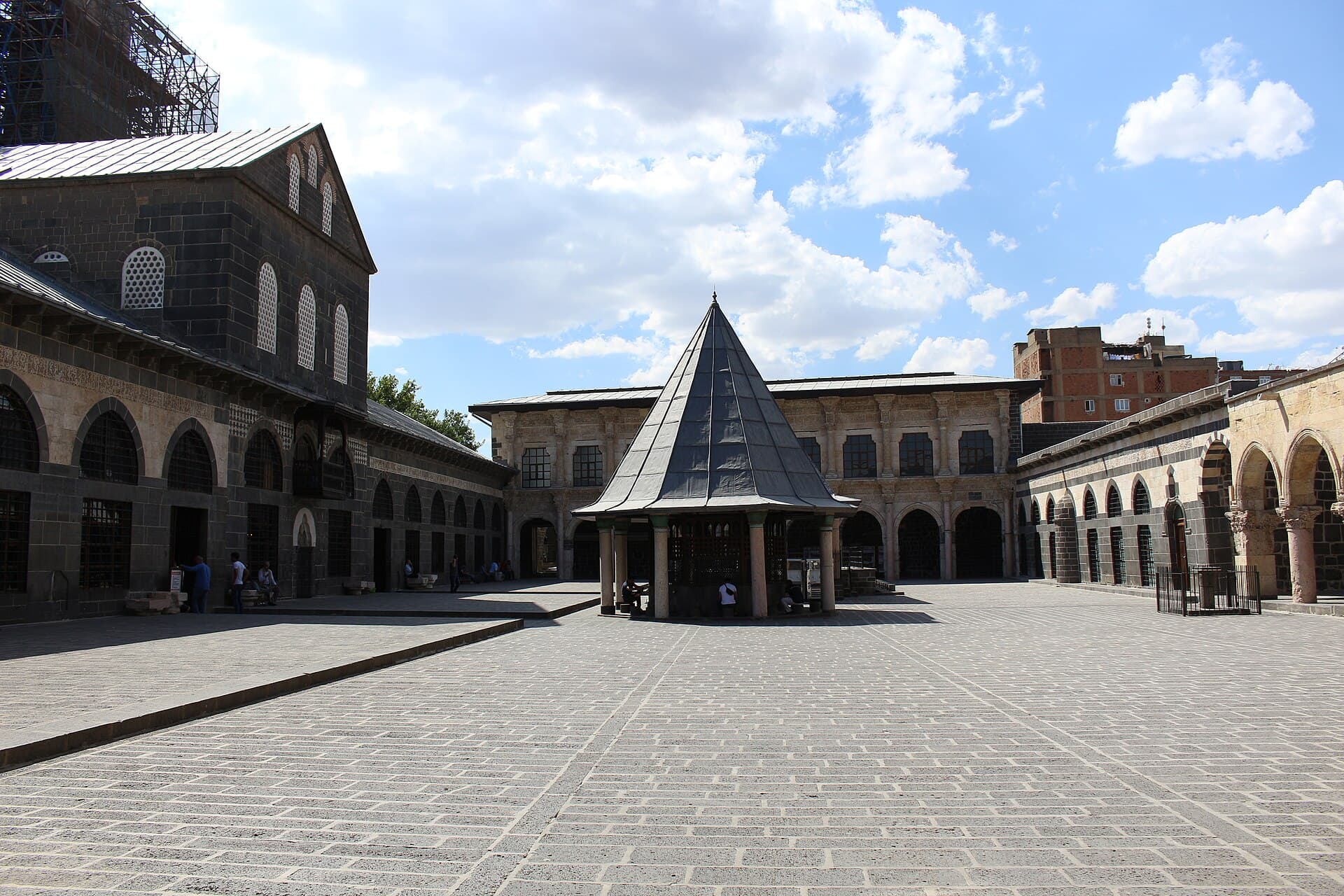 Great Mosque of DiyarbakırThe oldest mosque in Anatolia stands a few steps from Diyarbakır's old bazaar, a2 minutes walk4.8
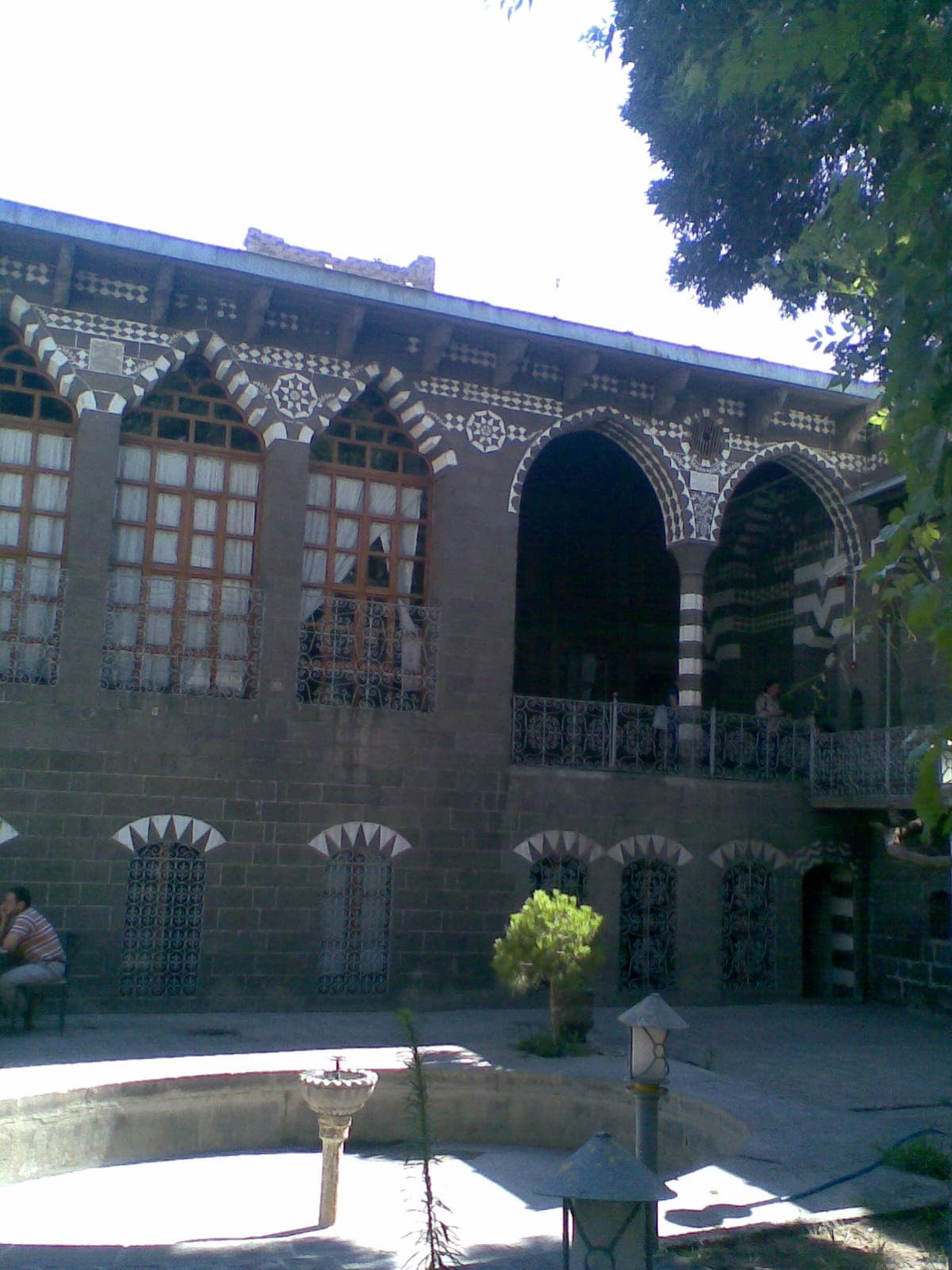 Cahit Sıtkı Tarancı MuseumA black-basalt house built in 1733, in which a Turkish poet was born in the autu3 minutes walk4.7
 Ziya Gökalp MuseumDown a narrow lane off Melik Ahmet Caddesi, a couple of hundred metres south-wes4 minutes walk4.6
Hasan Paşa Han (1573) is bigger and more famous, with two storeys of shops around its courtyard and Diyarbakır's celebrated breakfast spread in the mornings; Sülüklü Han is smaller, quieter and more of an evening café with live music on some nights. Short on time, do Hasan Paşa for breakfast and skip this one; staying a night in Sur, Sülüklü is the better place after sunset.
No. Only one storey survives and you take it all in from the doorway in half a minute. Its value is in sitting under the arches, not in looking at them.