
The four-season house
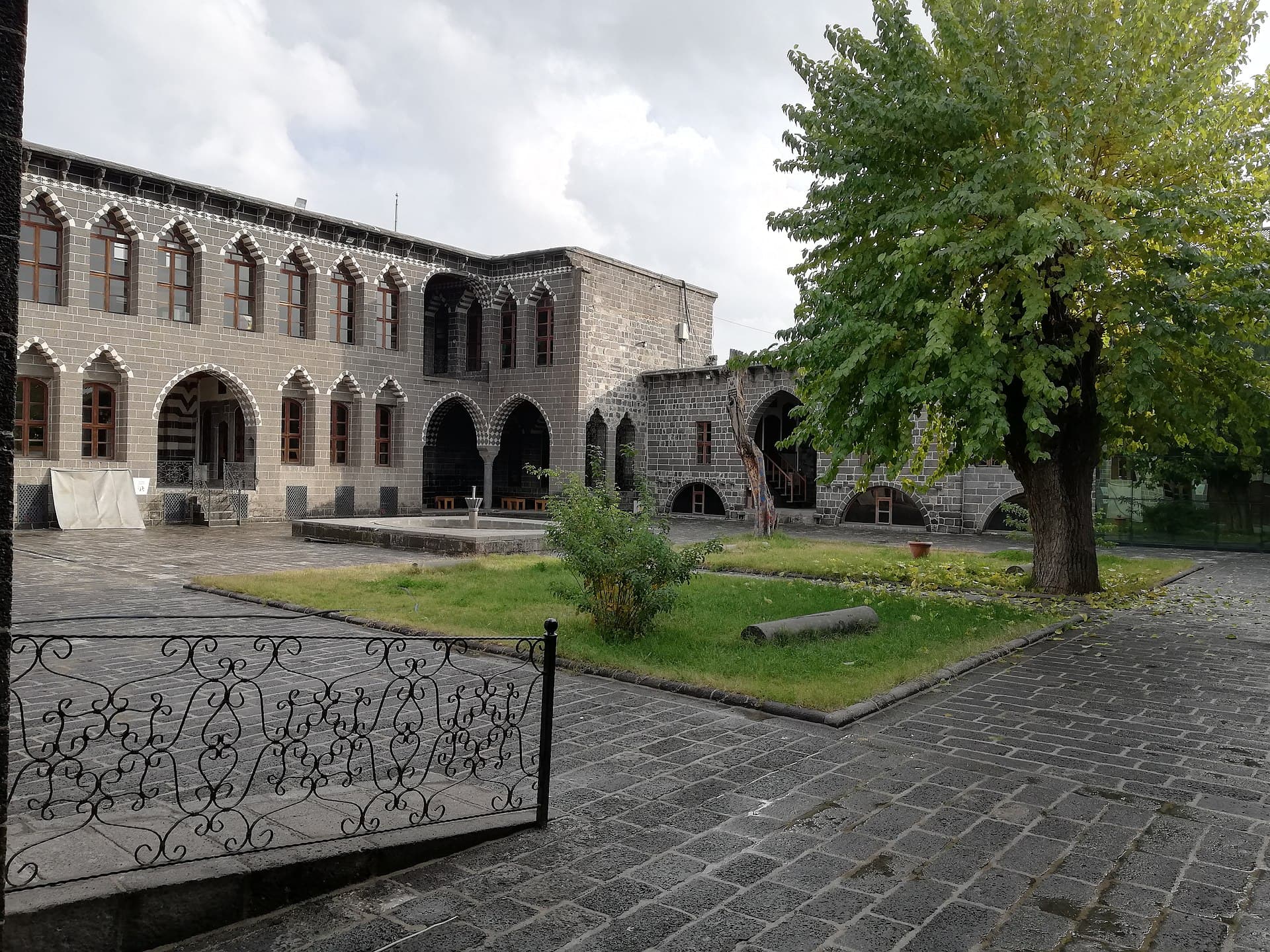
Four wings around a basalt courtyard, between which the family moved with Diyarbakır's summers and winters.
User:Hedda Gabler (usurped) — CC BY-SA 3.0 · Dosseman — CC BY-SA 4.0 · Dosseman — CC BY-SA 4.0 · Dosseman — CC BY-SA 4.0
A black-basalt house built in 1733, in which a Turkish poet was born in the autumn of 1910; today the house matters more than the poet to most people who walk through the door. Every Turkish schoolchild knows Cahit Sıtkı Tarancı for his poem about turning thirty-five, but a visitor who does not read Turkish will find something quite different here: the clearest example open to the public of the old Diyarbakır courtyard house with its four seasonal wings, a few steps from the Great Mosque in the heart of walled Sur. The architecture is the point. The house is arranged around a courtyard in four wings named after the seasons: a two-storey summer wing on the north, a winter wing on the south, spring and autumn wings east and west, and the family moved between them as the city's harsh weather turned. Inside are fourteen rooms, a kitchen set in an eyvan in the north-east corner, a small private hammam in the south-west corner and an open iwan facing the courtyard. Only the harem section survives; the selamlık wing collapsed long ago. Anyone who knows the old houses of Aleppo or Mardin will feel at home immediately. The Ministry of Culture bought the house in 1973 and opened it as a museum soon afterwards; it was fully restored in 2011-2012 and reopened on International Museum Day in 2013. The rooms hold the poet's and his family's furniture, photographs and manuscripts, with labels mostly in Turkish. It is a short visit, twenty to forty minutes at most, and the mansion next door houses the Ahmet Arif Literature Museum and library, so the two are taken together. Families are fine here, but the courtyard is stone and the upper floor is reached by stairs, so pushchairs stay at the door. The courtyard is fairly shaded, yet August in Diyarbakır brushes or passes forty degrees; spring and autumn are far better for the whole Sur circuit. Foreigners pay three euros, the museum closes on Monday, and the ticket desk shuts half an hour before closing.
Four wings around a basalt courtyard, between which the family moved with Diyarbakır's summers and winters.
A small family hammam in the corner and a kitchen built as an iwan, details you rarely see in a house open to visitors.
The adjoining mansion holds the Ahmet Arif Literature Museum and library, turning one visit into two in an extra twenty minutes.
Camii Kebir Mah., Cahit Sıtkı Tarancı Sk. No 3, Sur, Diyarbakır
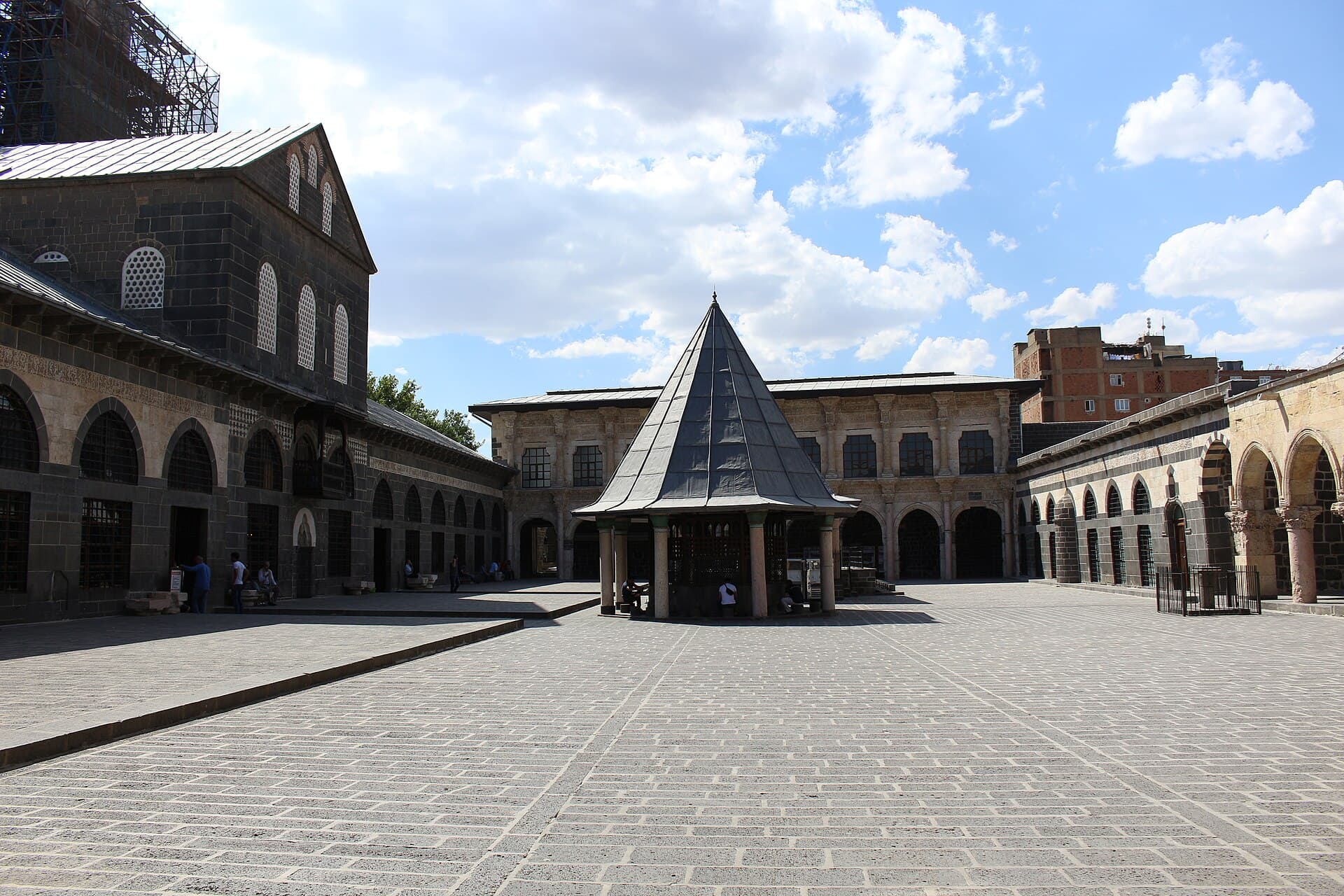 Great Mosque of DiyarbakırThe oldest mosque in Anatolia stands a few steps from Diyarbakır's old bazaar, a1 minute walk
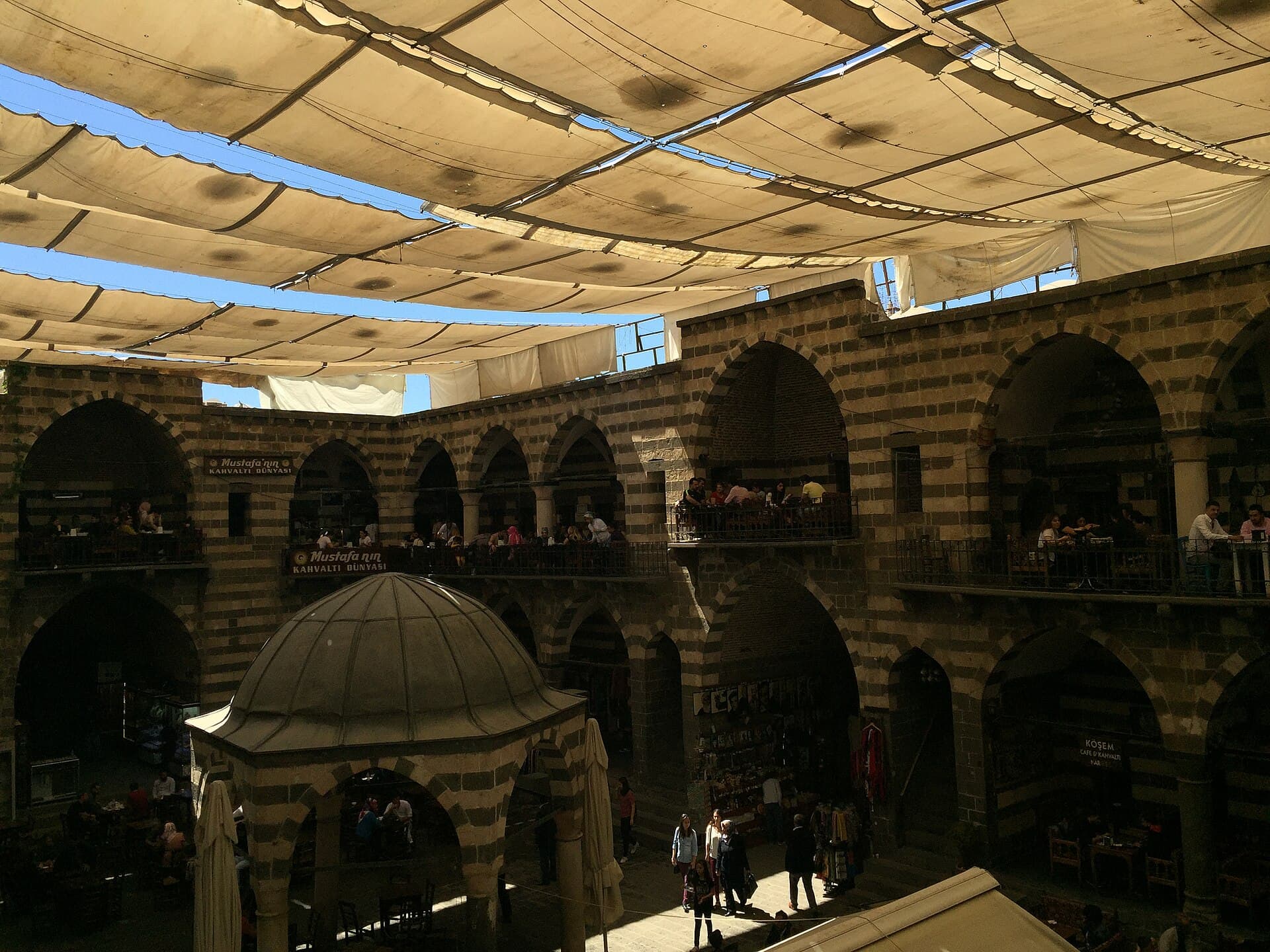 Hasan Paşa HanBefore the city is fully awake, the smell of tea and hot bread is already drifti2 minutes walk
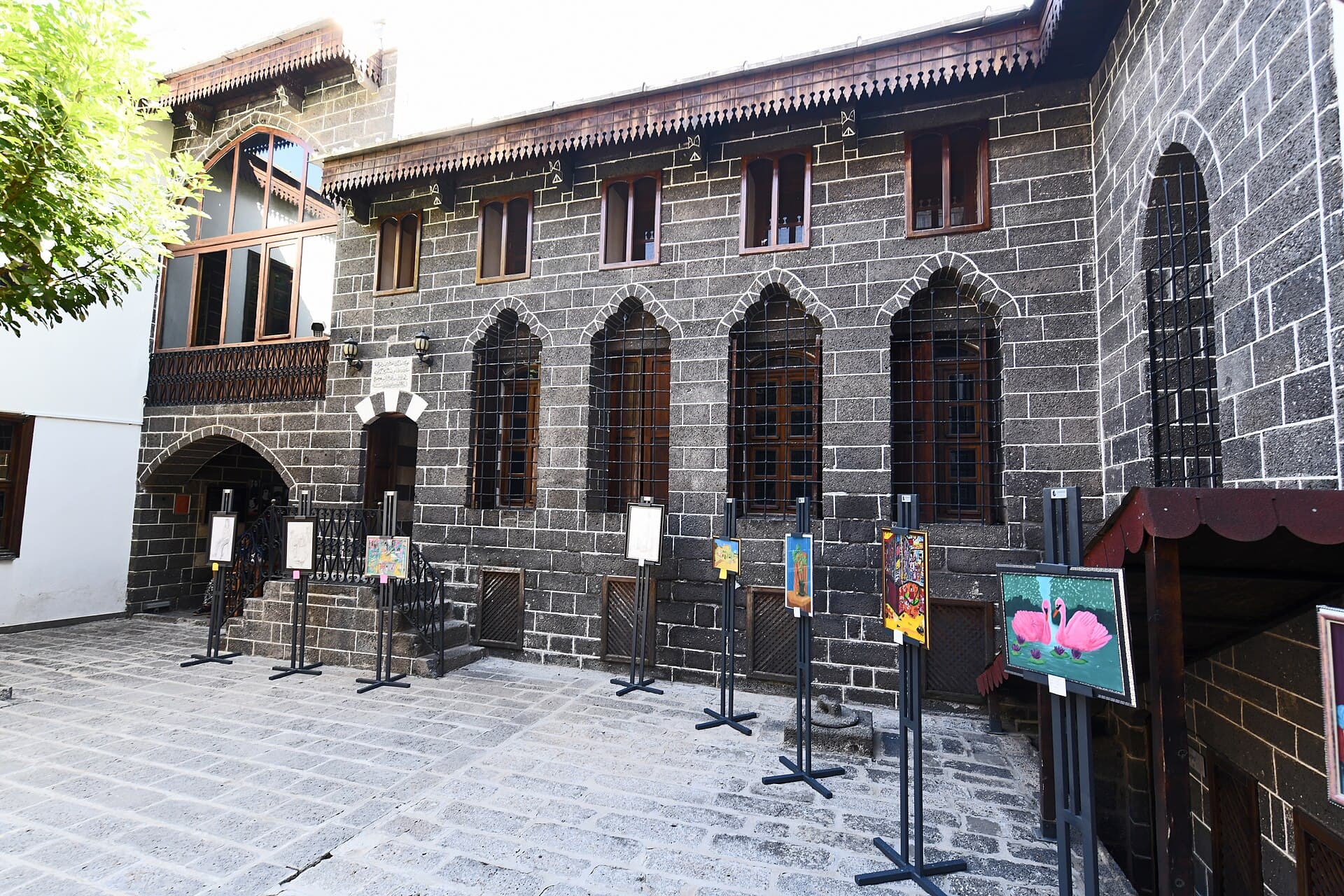 Ziya Gökalp MuseumDown a narrow lane off Melik Ahmet Caddesi, a couple of hundred metres south-wes3 minutes walk
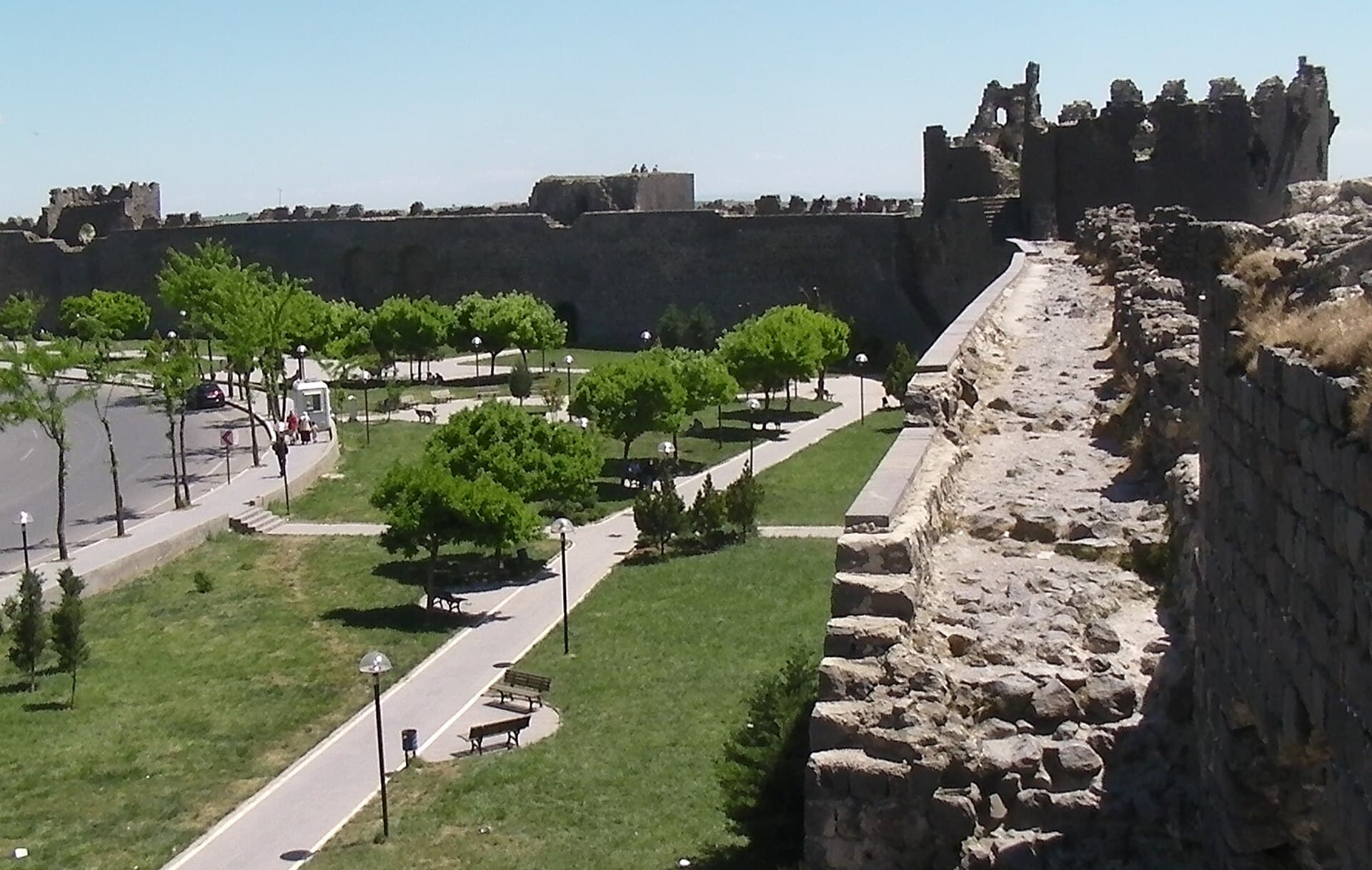 Suriçi Old TownBehind a black basalt wall nearly six kilometres round, with 82 towers and four 3 minutes walk
 Cemil Paşa Mansion (City Museum)Forty-two rooms, two courtyards, an elliptical pool and a stable: this is the la7 minutes walk
Yes if you are already in Sur, because the house itself is the real exhibit: courtyard, wings and hammam as the city's houses were two centuries ago. Do not cross town for it alone, but fold it into a walk with the Great Mosque and Hasan Paşa Han.
Fine for half an hour, the courtyard is safe and there are few rooms, but nothing is interactive and the stairs to the upper floor mean leaving the pushchair at the entrance.