
The eight domes
A file of Byzantine domes giving the church its singular shape.
Didier Descouens — CC BY-SA 4.0 · G41rn8 (edited by MenkinAlRire) — CC BY-SA 4.0 · Bramfab — CC BY-SA 4.0 · Bramfab — CC BY-SA 4.0
**A church of eight domes and two minaret-like towers that looks more like a mosque than a European cathedral** — a pilgrimage site receiving millions a year. ⚠ **Its form is unique in Italy**: **Byzantine domes** in the Venetian manner, **and two conical towers** resembling minarets — **a mixture of Romanesque, Gothic, Byzantine and Islamic**. Building began in **1232**, a year after the death of **Saint Anthony**. ⚠ **Paduans call it simply "il Santo" — "the Saint"**, without a name. ✅ **In the square before it stands Donatello's Gattamelata** — **the first large bronze equestrian statue cast in Europe since the Romans**, a landmark in the history of sculpture. ⚠ **It holds relics** and a chapel whose wall pilgrims touch.
A file of Byzantine domes giving the church its singular shape.
Donatello's bronze of the condottiero on horseback in the square.
Quiet, free arcaded courtyards behind the church.
Piazza del Santo 11, 35123 Padua, Italy
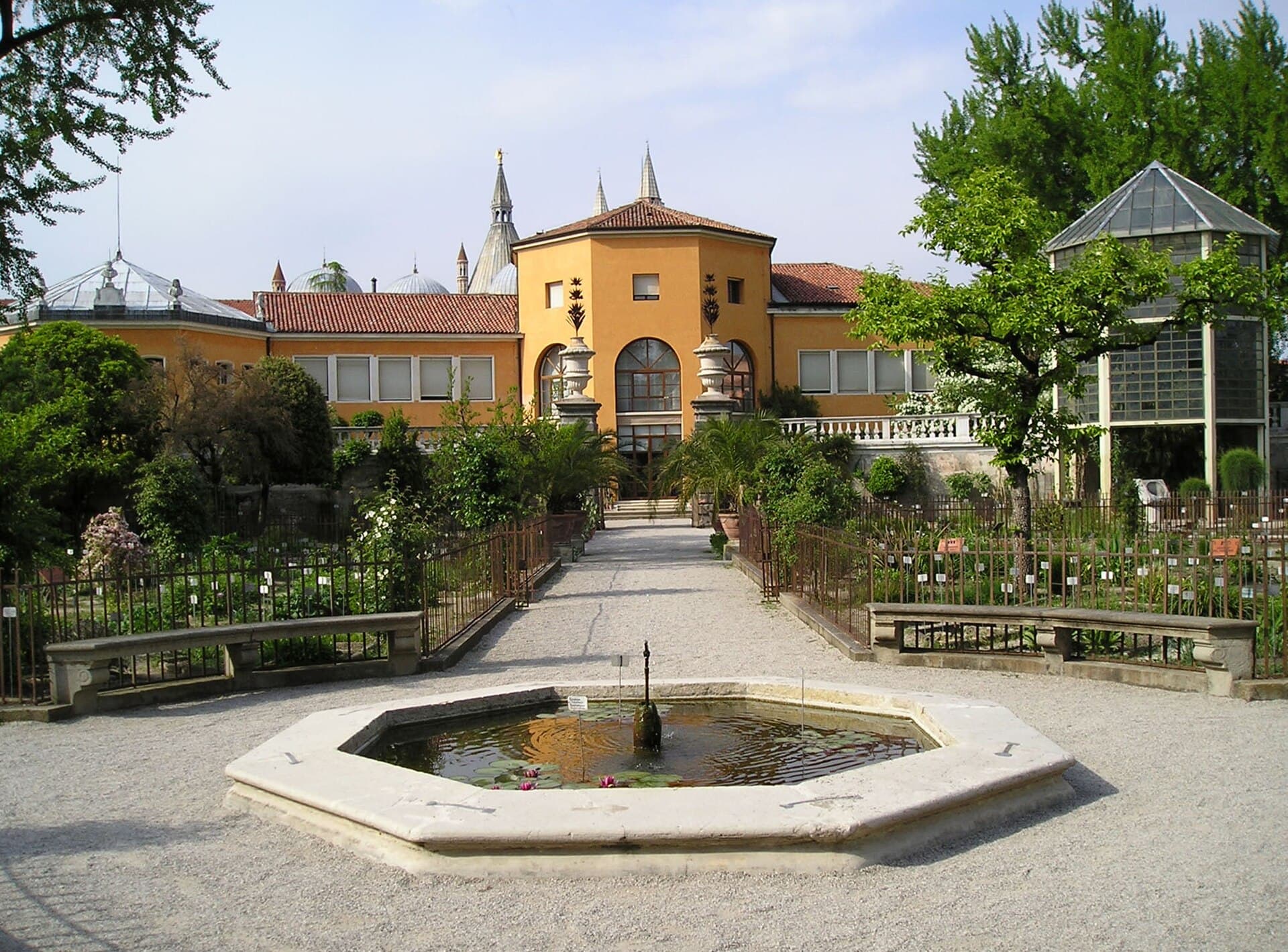 The Botanical Garden**The world's oldest university botanical garden still on its original site — si3 minutes walk4.8
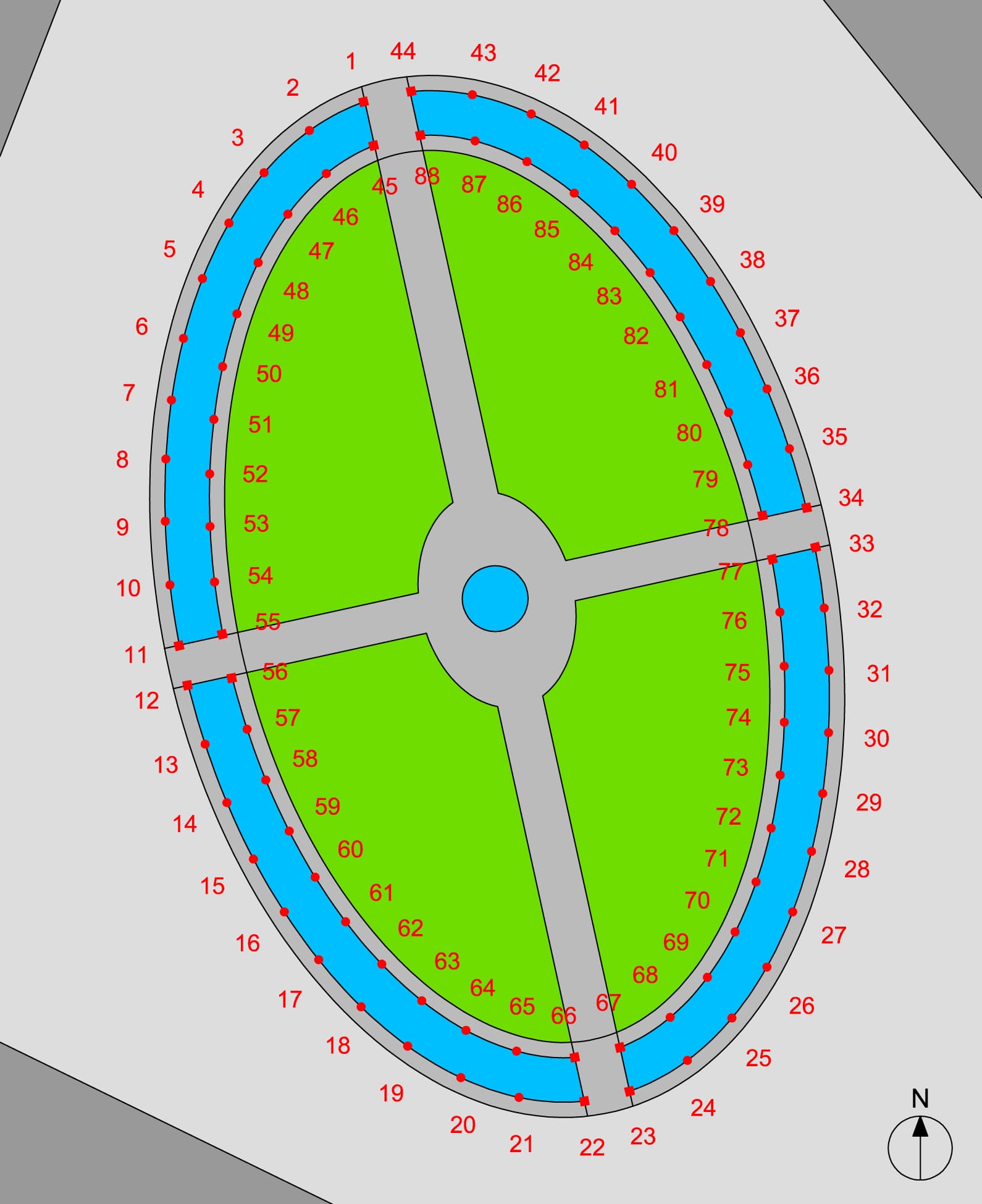 Prato della Valle**Italy's largest square and one of Europe's biggest — an oval island in a moat 6 minutes walk4.6
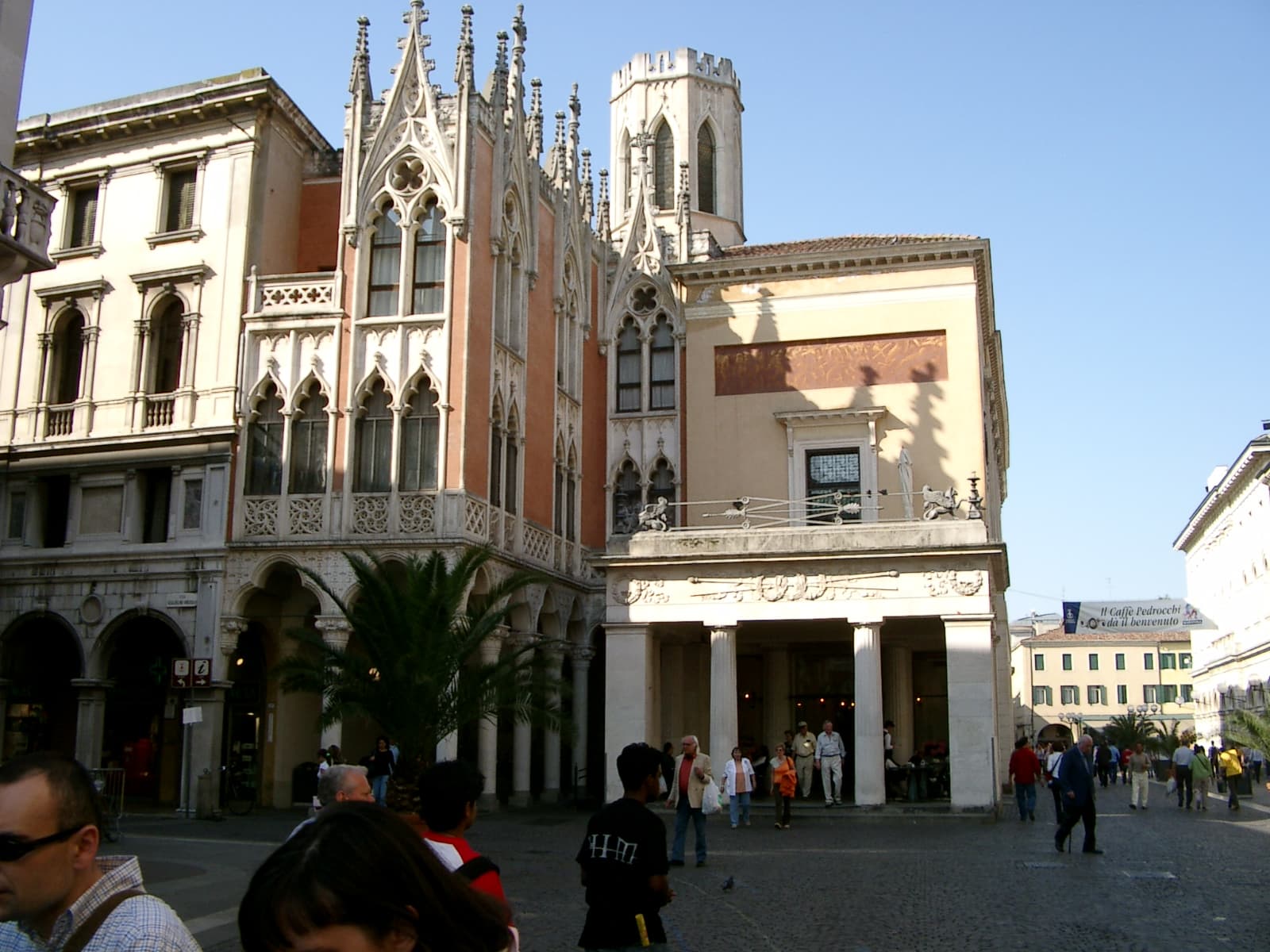 Caffè Pedrocchi**A café built without doors that stayed open day and night for a century — and 9 minutes walk4.5
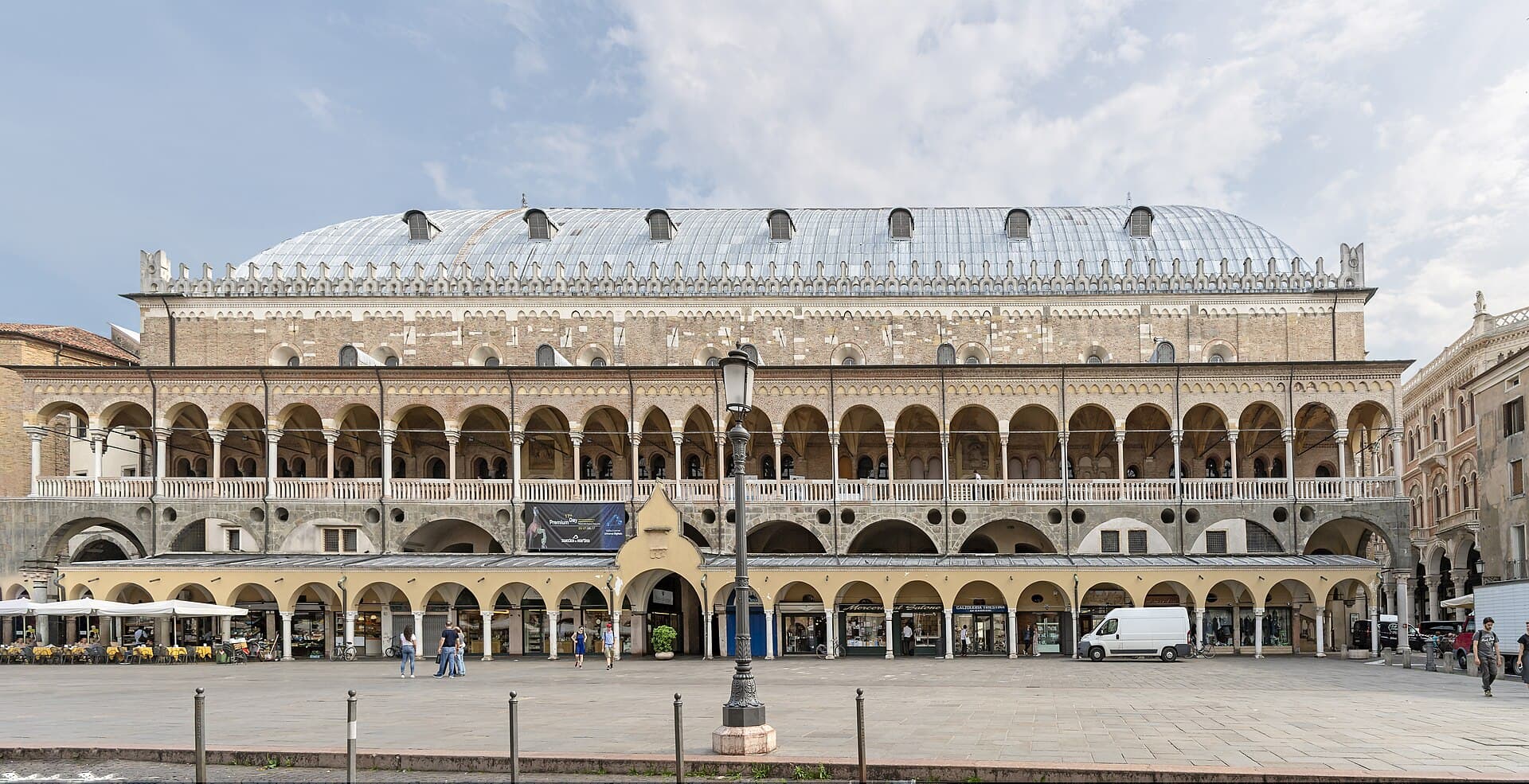 Palazzo della Ragione**A medieval hall without a single column in the middle, roofed by an inverted t10 minutes walk4.7
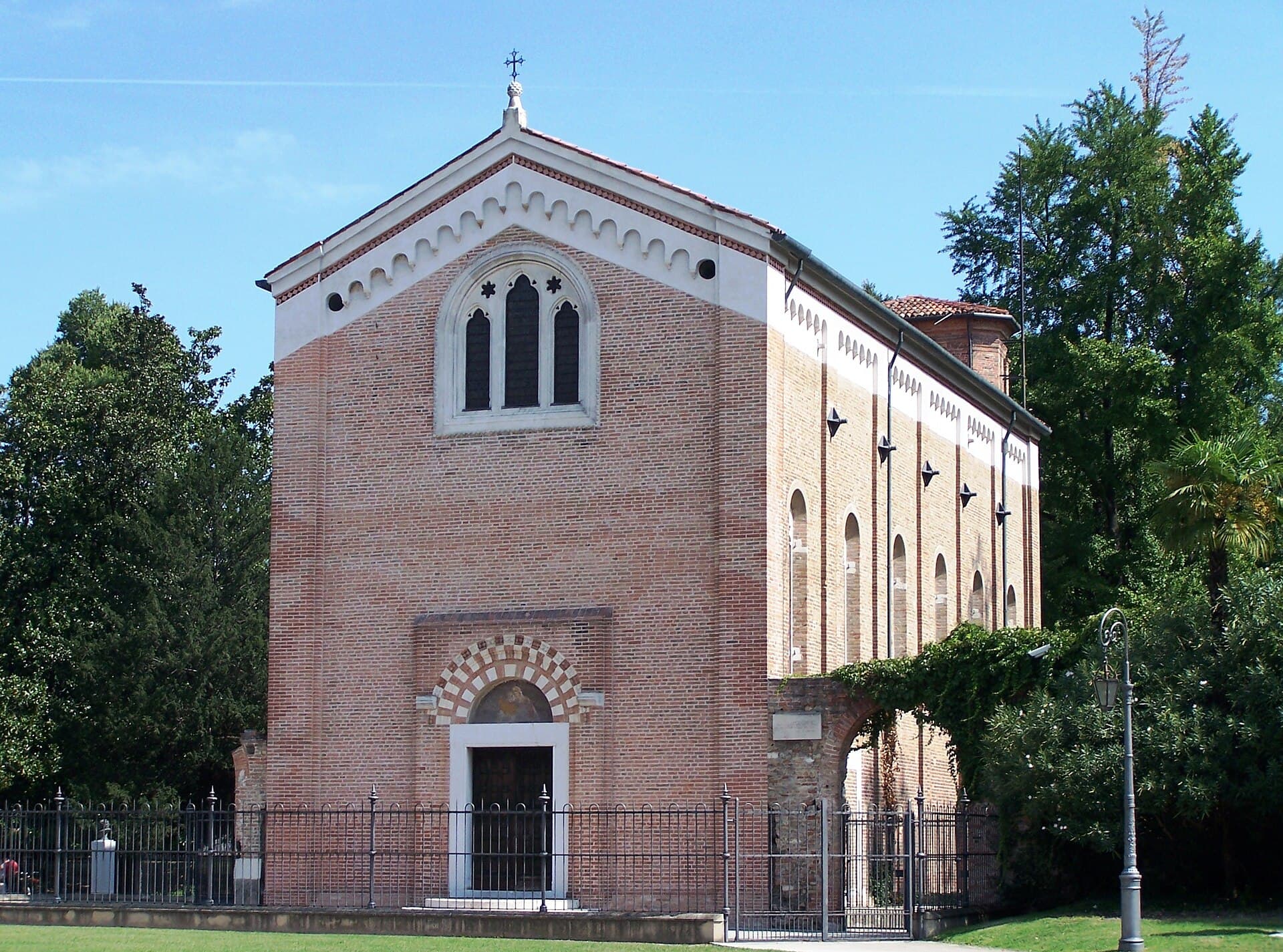 The Scrovegni Chapel**One room painted entire by Giotto in 1305, and taken as the moment modern Euro15 minutes walk4.9
**Because it is Europe's first large bronze equestrian statue since the Romans — and it recovered a form lost for a thousand years.** ✅ **The background**: the **bronze equestrian statue** was a classical Roman form — **and one famous example survived**: **Marcus Aurelius** in Rome, **which survived by accident** because it was mistaken for the Christian Constantine and so not melted down. ⚠ **The technique itself** — **casting bronze at that scale** — **was effectively lost in Europe** for centuries. ✅ **What Donatello did**: in **1453** he completed a large bronze of the commander **Erasmo da Narni**, called **«Gattamelata»** (the honeyed cat), captain of Venice's armies. ⚠ **The daring was double**: **technically** — casting a horse and rider at that size was a genuine engineering challenge — **and artistically**: **the equestrian statue had been an imperial privilege**, **and granting it to a mercenary captain was a social statement**. ✅ **What distinguishes it**: **not an idealised hero but a particular man** — **an old, severe face**, **a calm, commanding posture**, **and a horse standing still rather than rearing**. ✅ **Its influence**: **Verrocchio answered it with the Colleoni in Venice**, **and the form became the backbone of European public sculpture** until the 20th century.