
The bullet hole
An 1848 mark preserved and framed in the White Room.
No machine-readable author provided. Kalibos~commonswiki assumed (based on copyright claims). — Public domain · Chris Light — CC BY-SA 4.0 · Chris Light — CC BY-SA 4.0 · Chris Light — CC BY-SA 4.0
**A café built without doors that stayed open day and night for a century — and where the "green coffee" was invented** — in central Padua. It opened in **1831** in a neoclassical building with a temple front, **and was called "the café without doors"** ⚠ **because it stayed open 24 hours a day until 1916** — **students and intellectuals came in at any hour** with no obligation to buy. ⚠ **Its political role is real**: **it was the centre of the Italian national movement in Padua**, ⚠ **and on 8 February 1848 fighting broke out in it between students and Austrian soldiers** — **and a bullet hole is still preserved in its wall on purpose**; the street outside is named for the date. ✅ **Its upper rooms** are decorated in different styles: Egyptian, Greek and Pompeian. ✅ **And the green "mint coffee"** is its invention.
An 1848 mark preserved and framed in the White Room.
Chambers in Egyptian, Greek and Pompeian styles.
Espresso under mint cream and cocoa, the café's invention.
Via VIII Febbraio 15, 35122 Padua, Italy
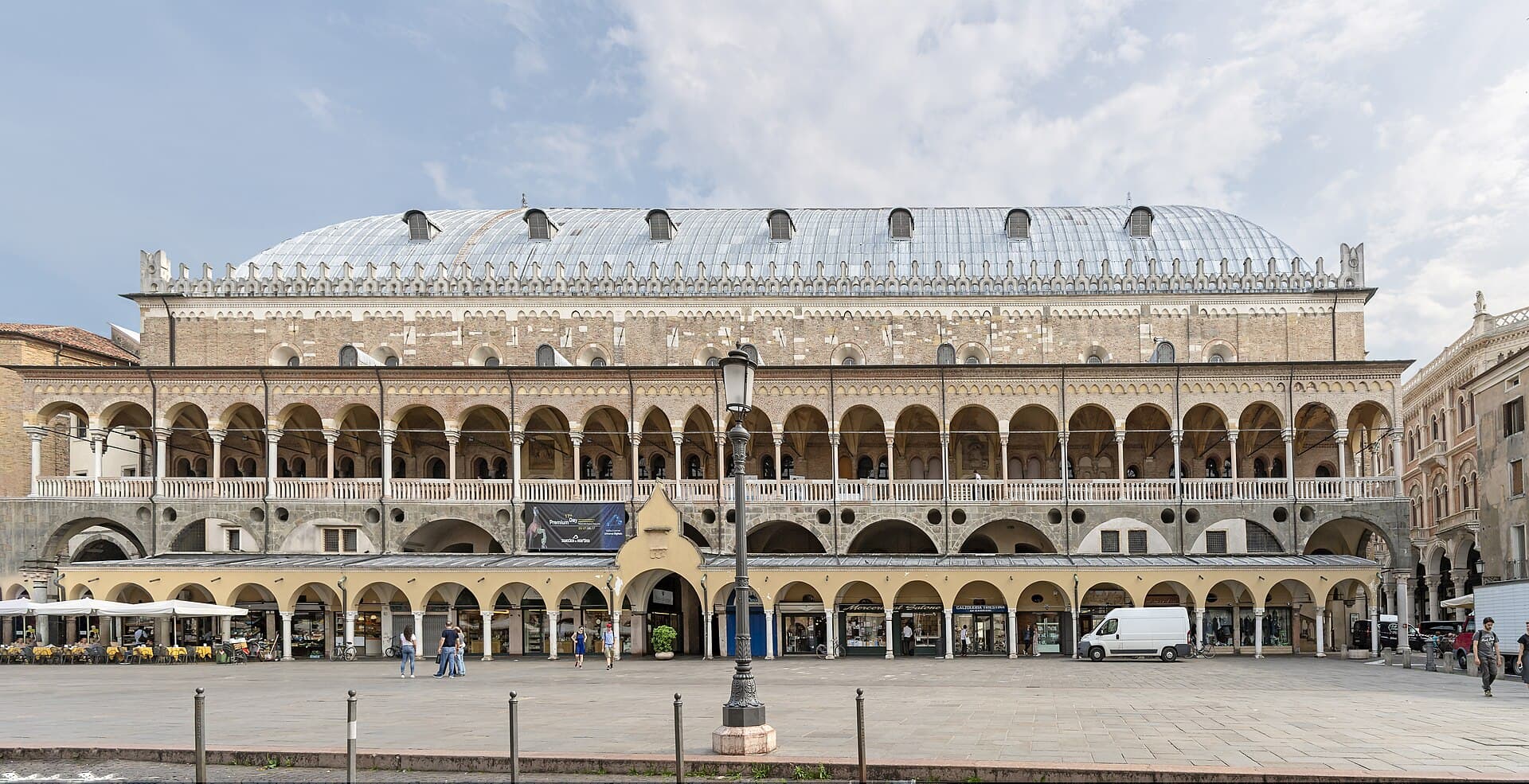 Palazzo della Ragione**A medieval hall without a single column in the middle, roofed by an inverted t2 minutes walk4.7
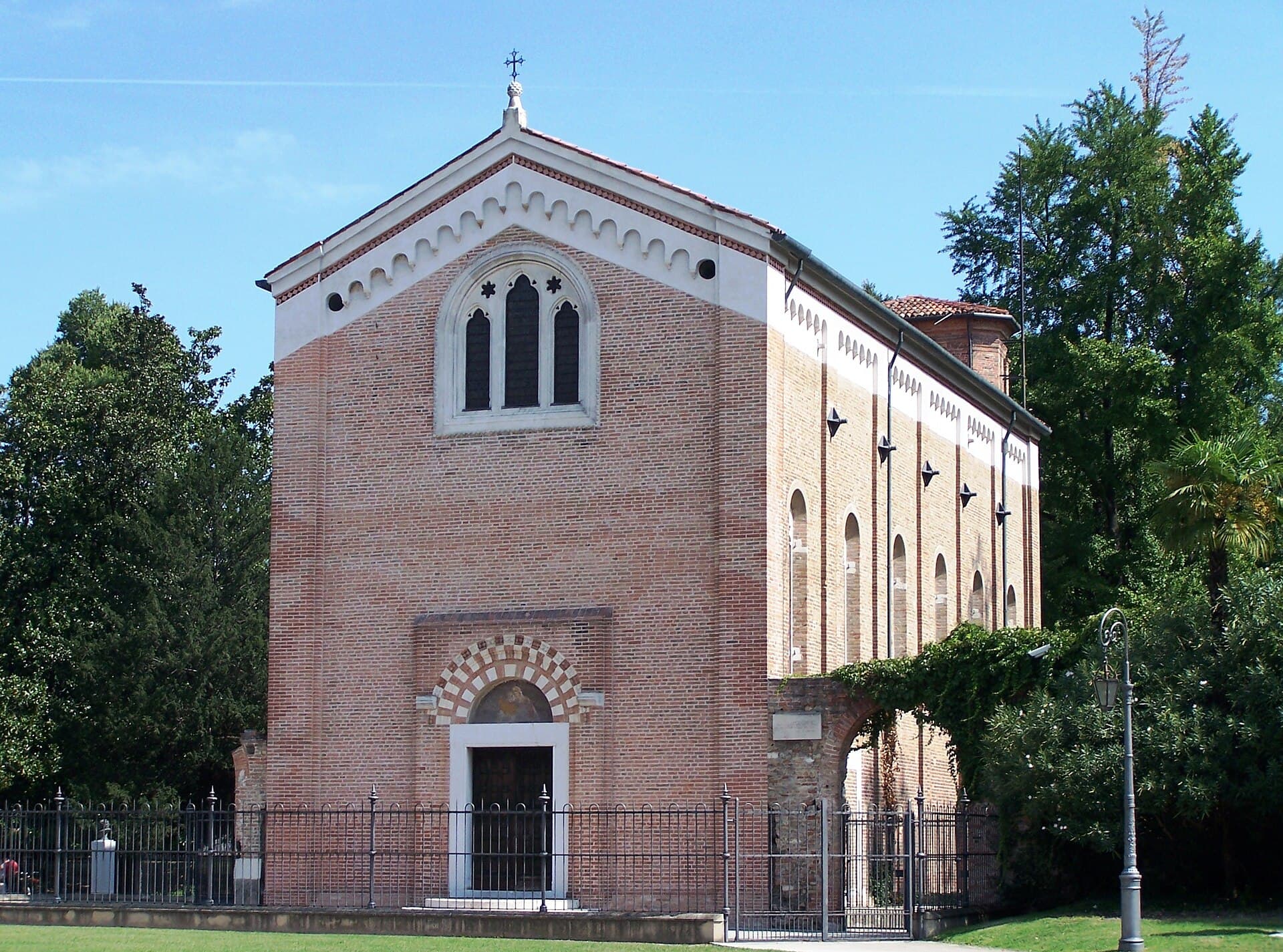 The Scrovegni Chapel**One room painted entire by Giotto in 1305, and taken as the moment modern Euro6 minutes walk4.9
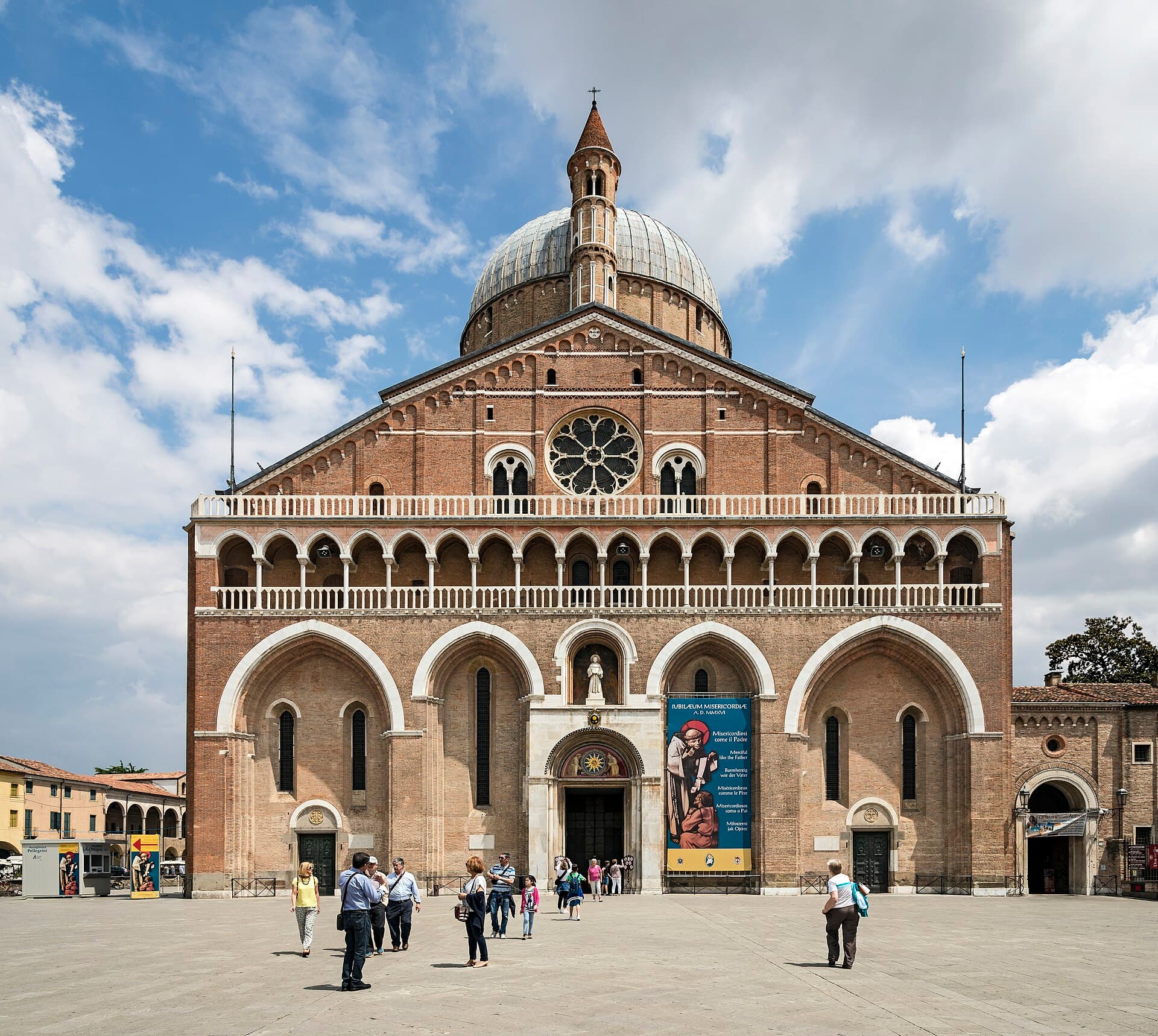 Basilica of Saint Anthony**A church of eight domes and two minaret-like towers that looks more like a mos9 minutes walk4.9
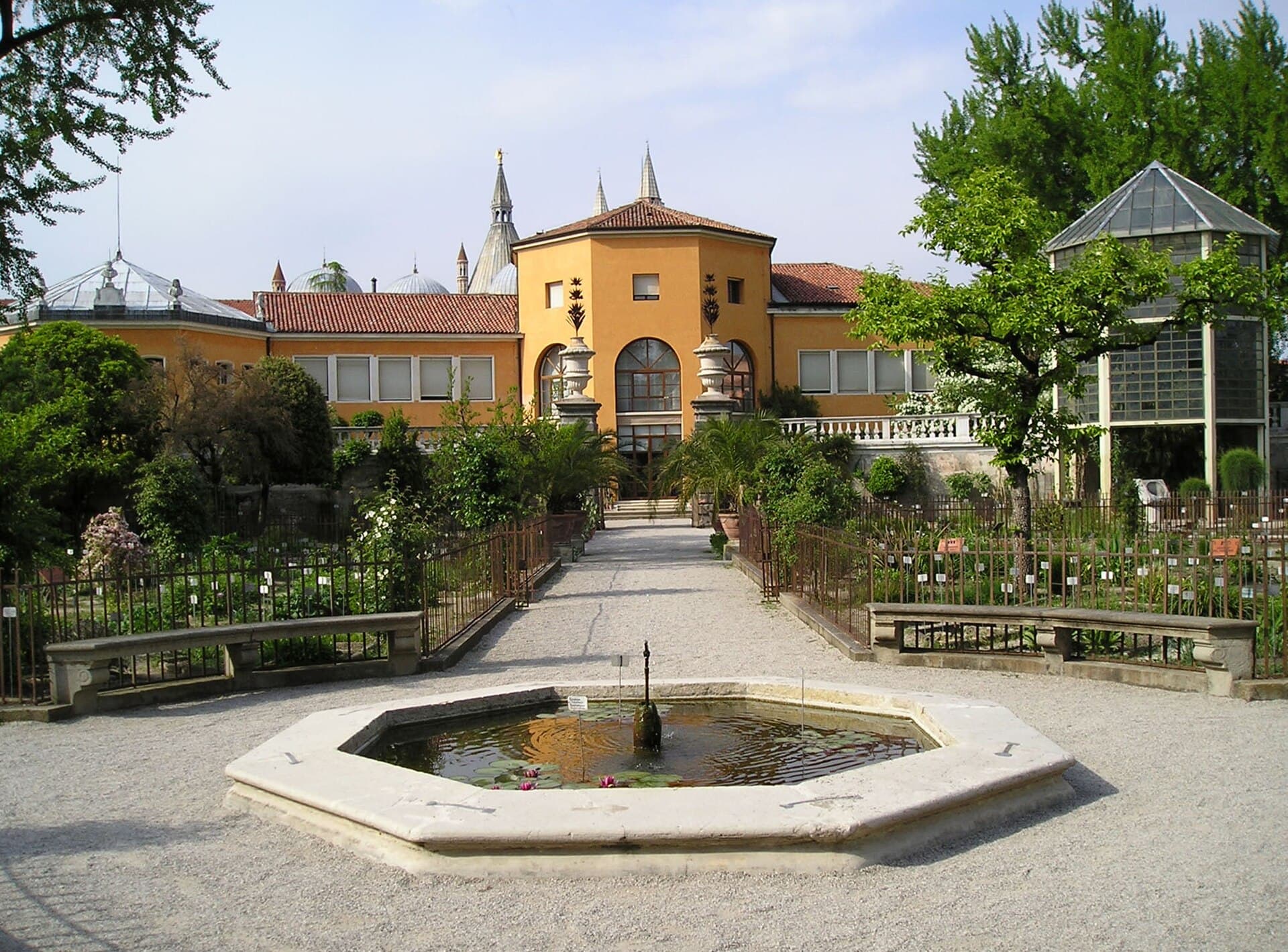 The Botanical Garden**The world's oldest university botanical garden still on its original site — si12 minutes walk4.8
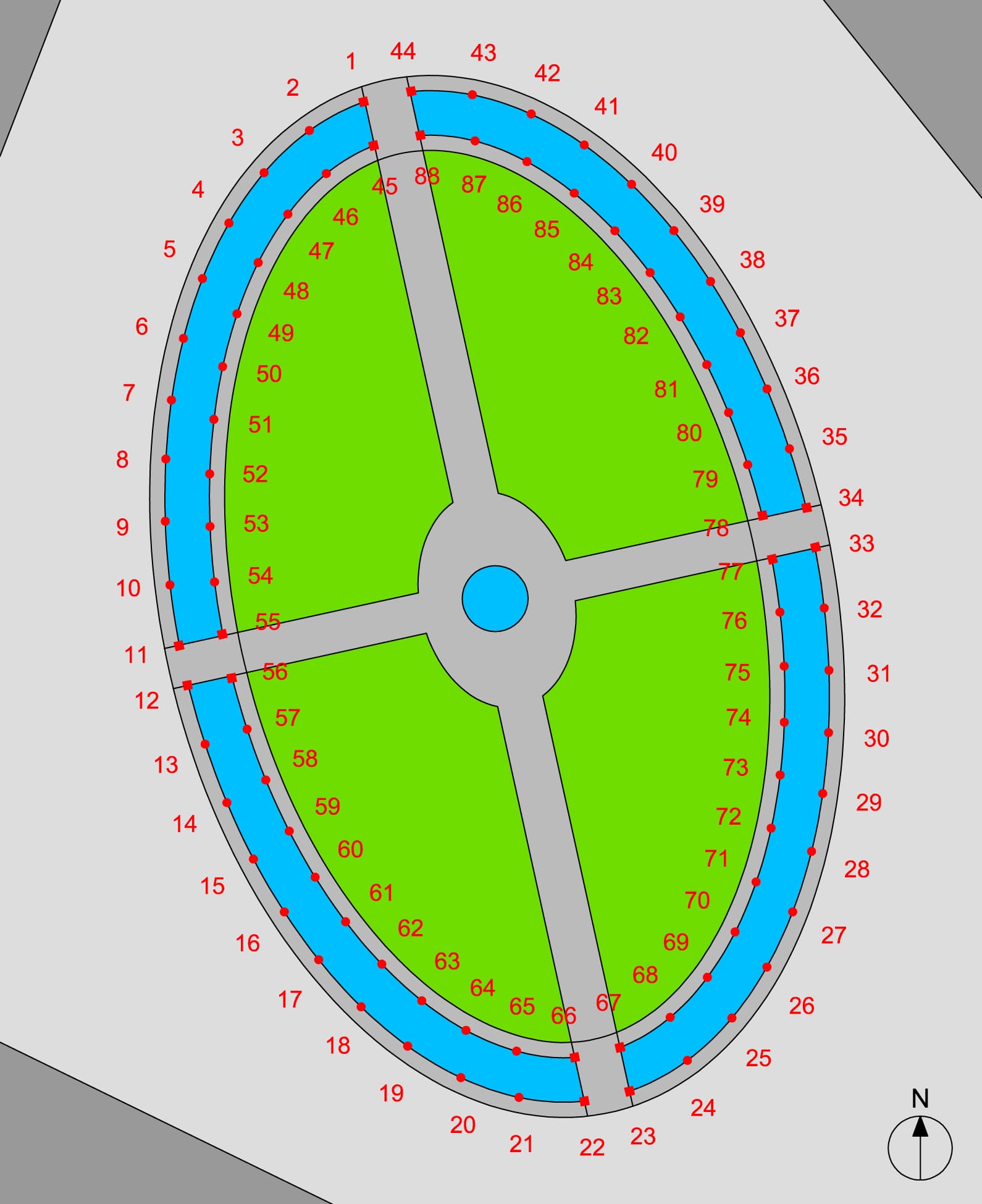 Prato della Valle**Italy's largest square and one of Europe's biggest — an oval island in a moat 13 minutes walk4.6
**Because they were the one place people could gather and speak relatively freely — so they became movement headquarters.** ✅ **The function**: in 19th-century European cities **there were no open political clubs and no permitted parties** under Austrian rule in northern Italy. ⚠ **Meeting in a private house drew the police**, **and meeting in a square got dispersed**. ✅ **A café, though, is public and private at once**: **anyone enters without explanation**, **sits for hours**, **reads the newspapers** (and the café subscribed to foreign ones), **and talks quietly**. **So cafés became «informal parliaments».** ✅ **And Pedrocchi is an extreme case**: **doorless and open 24 hours** — **no closing moment and no threshold**; **and close to the university**, so it filled with students, **the fuel of every national movement**. ⚠ **What happened in 1848**: Europe was in the **«springtime of peoples»** — simultaneous revolutions against the standing order. **On 8 February, Padua's students clashed with Austrian soldiers inside and around the café** — **and there were casualties**, ✅ **and the bullet hole remains as witness**. ✅ **The street today is named «8 February».**