
Jerusalem's soil
The field shipped from Golgotha — a cemetery on founding legend.
Luca Aless — CC BY-SA 4.0 · Luca Aless — CC BY-SA 4.0 · Bernd Thaller from Graz, Austria — CC BY 2.0 · Palauenc05 — CC BY-SA 4.0
The Camposanto — holy field — is the Field of Miracles' wronged fourth side: a vast marble cloister-rectangle (1277) whose soil, tradition holds, came shipped from Jerusalem's Golgotha by crusade galleys — Pisans wishing to lie in literally holy ground, filling its walks with reused Roman sarcophagi, tombs and a floor of slabs. Its walls were Italy's greatest fresco gallery until the 1944 incendiary melted the lead roof over them — and its tragedy became second birth: the famous terrible Triumph of Death and its sisters, restored across decades, stand returned, while the Sinopie room shows the underdrawings the ash revealed: a double lesson in art and mortality suiting the place. Its quiet is the lawn's opposite: near-empty walks of light and shadow — the contemplative quarter hour that closes the field at its true balance.
The field shipped from Golgotha — a cemetery on founding legend.
The fresco that terrified centuries and gave Liszt his theme.
The marble rectangle in its silence — Gothic of long shadows.
Piazza del Duomo, 56126 Pisa
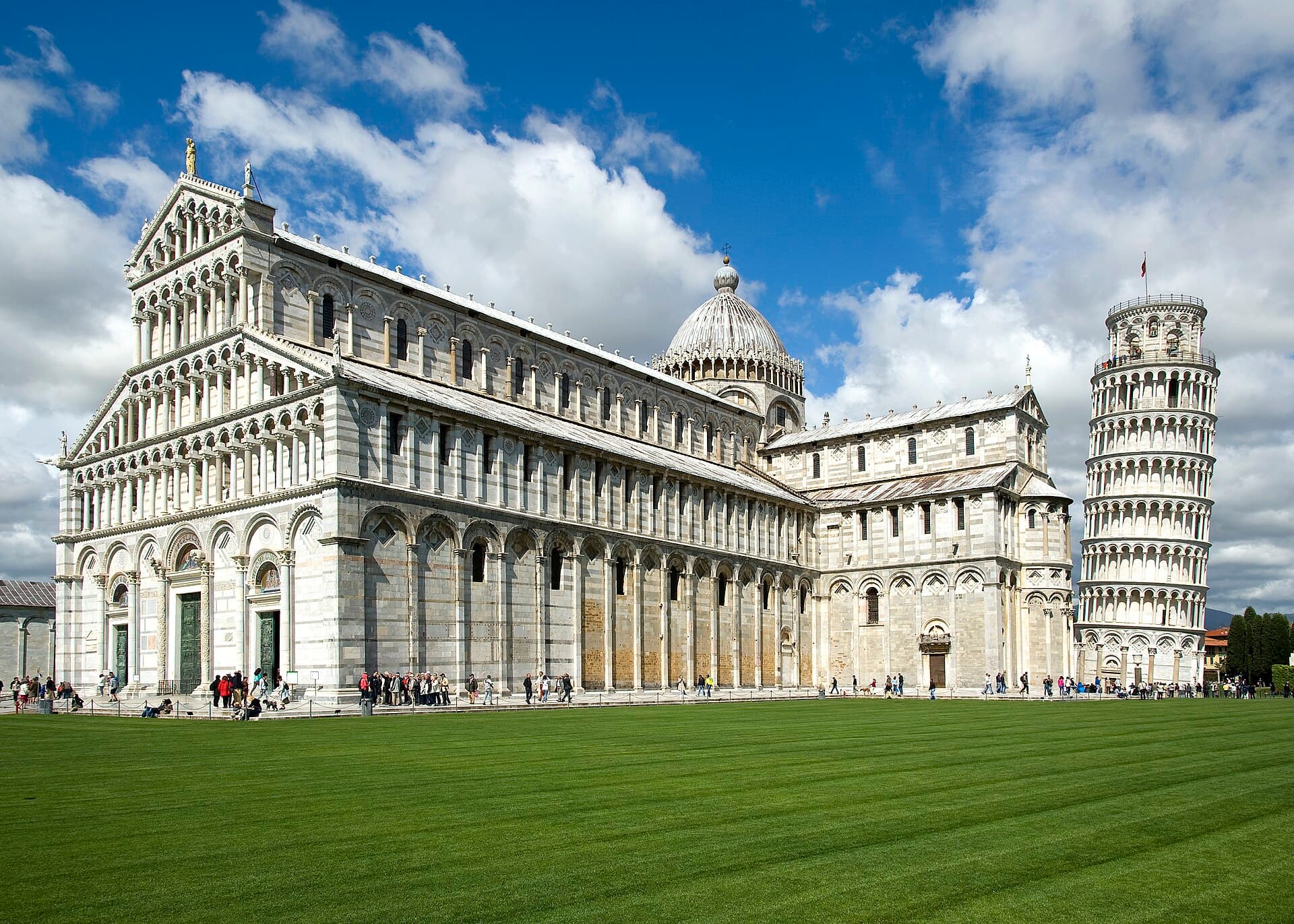 Pisa CathedralBefore the tower leaned, the cathedral was the miracle: Pisa began it (1064) as 1 minute walk4.7
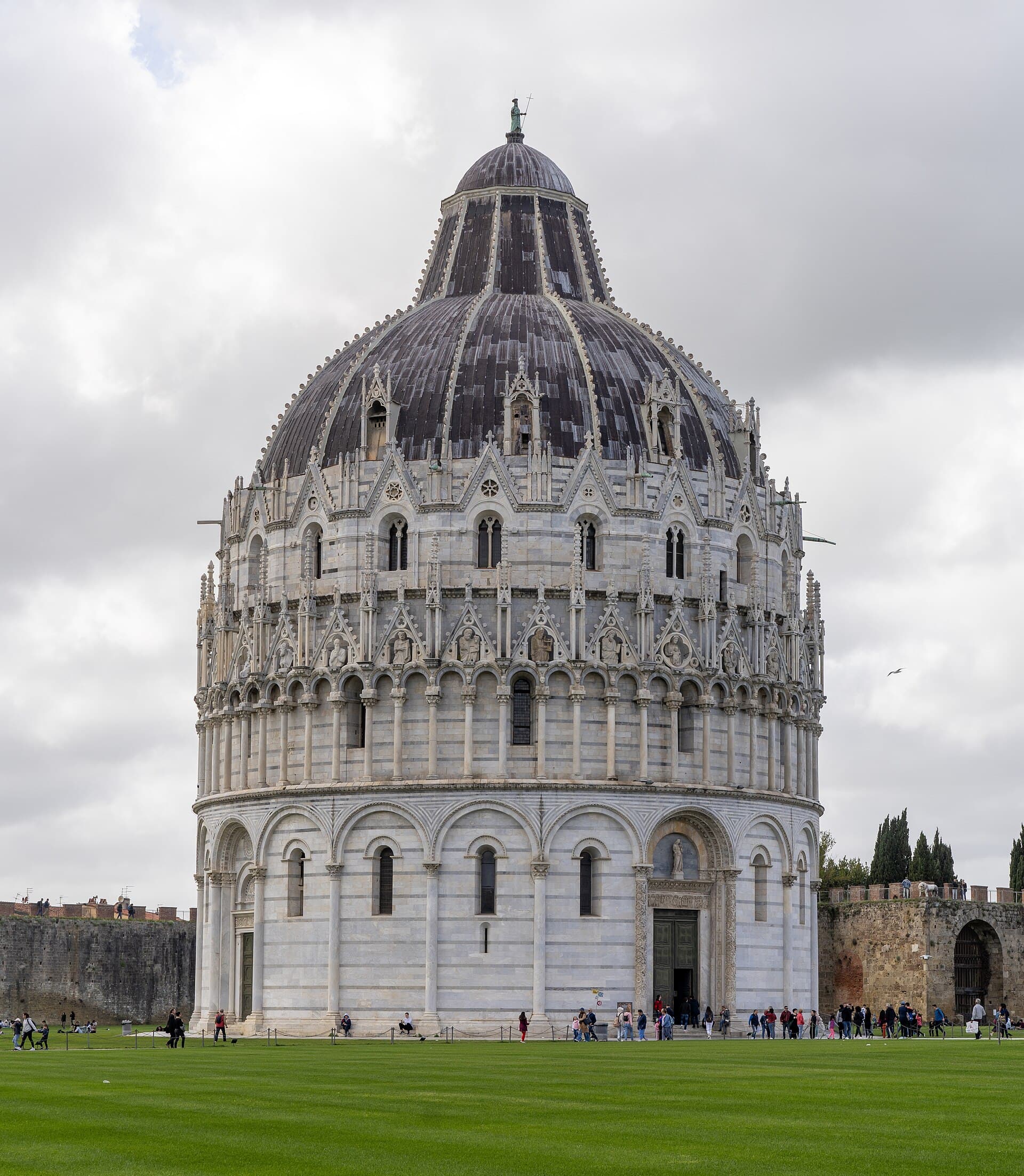 Pisa BaptisteryPisa's baptistery is Italy's largest: a marble cylinder over a hundred metres ro1 minute walk4.8
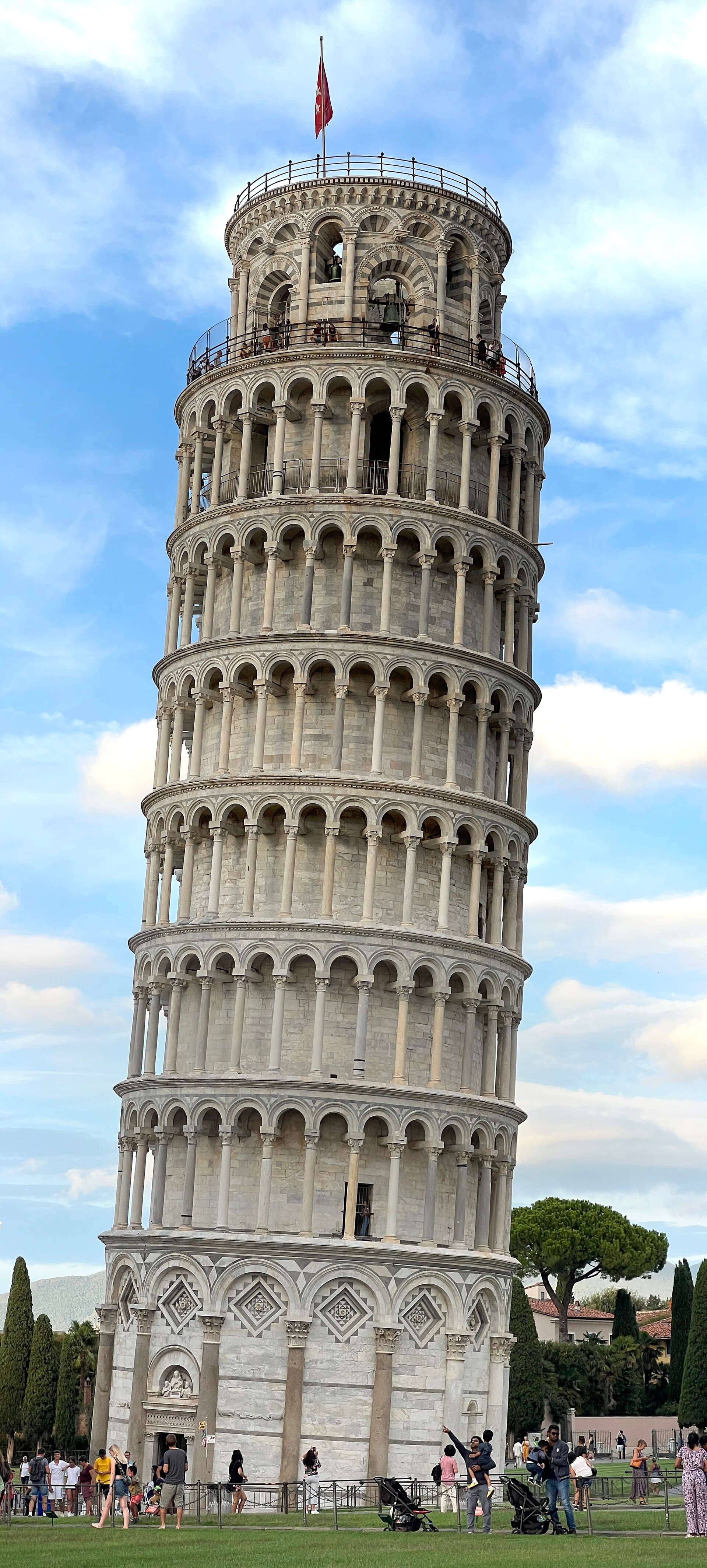 Leaning Tower of PisaThe Tower of Pisa is architecture's most famous and best-loved mistake: the cath2 minutes walk4.8
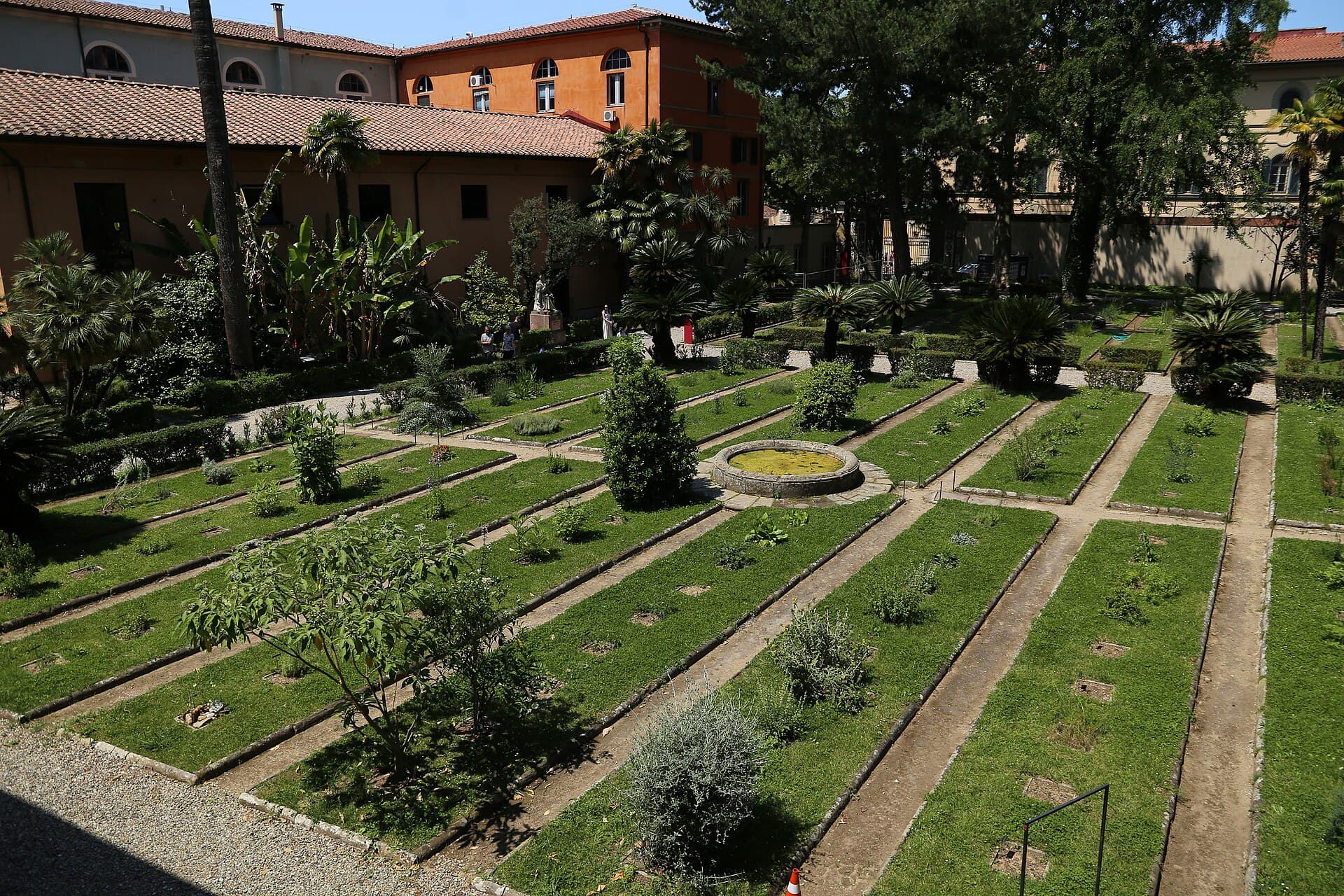 Pisa Botanical GardenIn 1543 — some sources say 1544 — Cosimo I de' Medici ordered a garden planted s6 minutes walk4.3
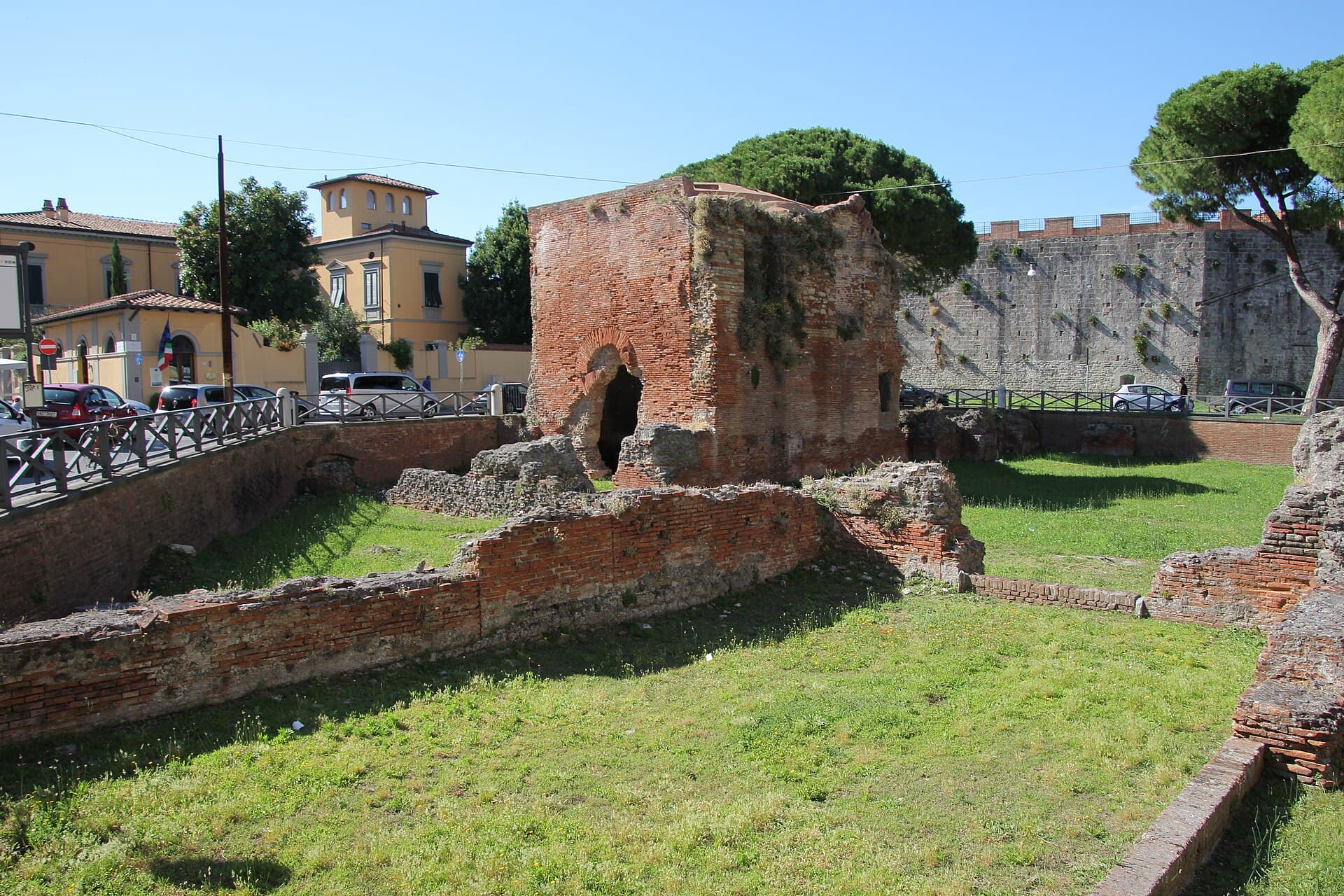 Baths of NeroThe name lies to you with total confidence. Nero neither built these baths nor e7 minutes walk4.0
A shell fired the lead roof, which poured molten onto the frescoes and fused — prompting history's greatest fresco rescue: the colour layers were detached from the walls, revealing beneath the sinopie (red preparatory drawings) unseen six centuries. Today the paintings hang in the Camposanto, the preparations in their museum opposite — creation's two faces forcibly parted.
For anyone owning a quarter hour of silence: no background needed — beautiful walks, storied tombs, a fresco understood at sight. Practically it is the field's perfect rest between tower clamour and baptistery show.