
The ten-second echo
Notes stacking to a choir — the dome an instrument.
PaestumPaestum — CC BY 4.0 · PaestumPaestum — CC BY 4.0 · Jan Drewes (www.jandrewes.de) — CC BY-SA 3.0 · Spike — CC BY-SA 4.0
Pisa's baptistery is Italy's largest: a marble cylinder over a hundred metres round, its dome outtopping the leaning tower itself — begun Romanesque (1152) and finished Gothic by the Pisano family, the two styles reading as embracing storeys, its odd double dome (a half-cone inside a cupola) the secret of its living wonder. The wonder is the echo: the double dome holds sound ten full circling seconds — so a custodian stands at the font each half hour and sends up successive notes that stack into a choir from a single throat: the world's most famous architectural sound show, three notes enough to shiver the hall. And it holds Nicola Pisano's pulpit (1260) — Renaissance sculpture's founding moment two centuries early: Rome's classicism waking on Gothic supports. Climb the upper gallery to face the cathedral façade at bird's height.
Notes stacking to a choir — the dome an instrument.
Rome waking (1260) — the Renaissance ahead of schedule.
A cone within a cupola — the engineering behind the magic.
Piazza del Duomo, 56126 Pisa
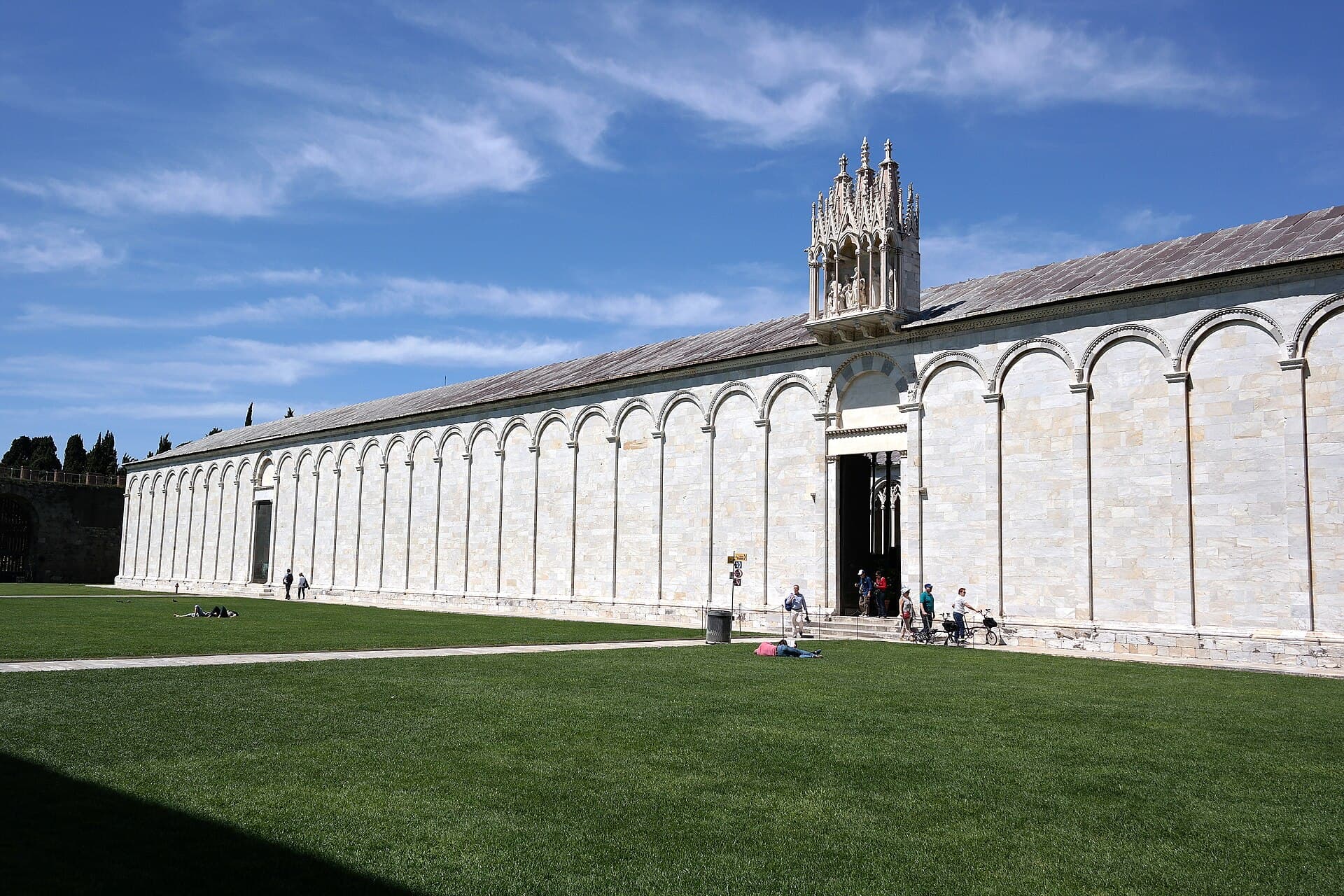 Camposanto MonumentaleThe Camposanto — holy field — is the Field of Miracles' wronged fourth side: a v1 minute walk4.8
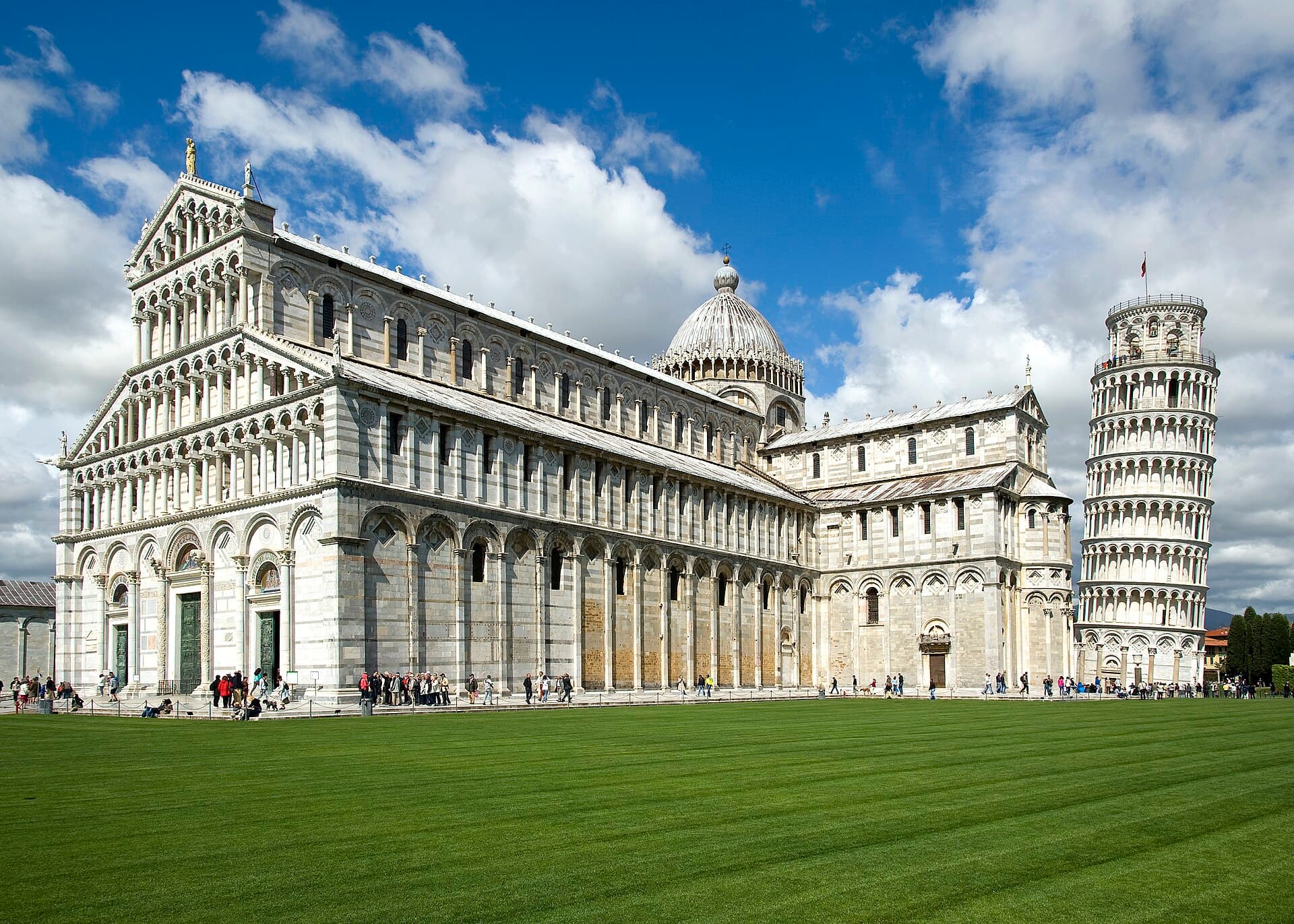 Pisa CathedralBefore the tower leaned, the cathedral was the miracle: Pisa began it (1064) as 1 minute walk4.7
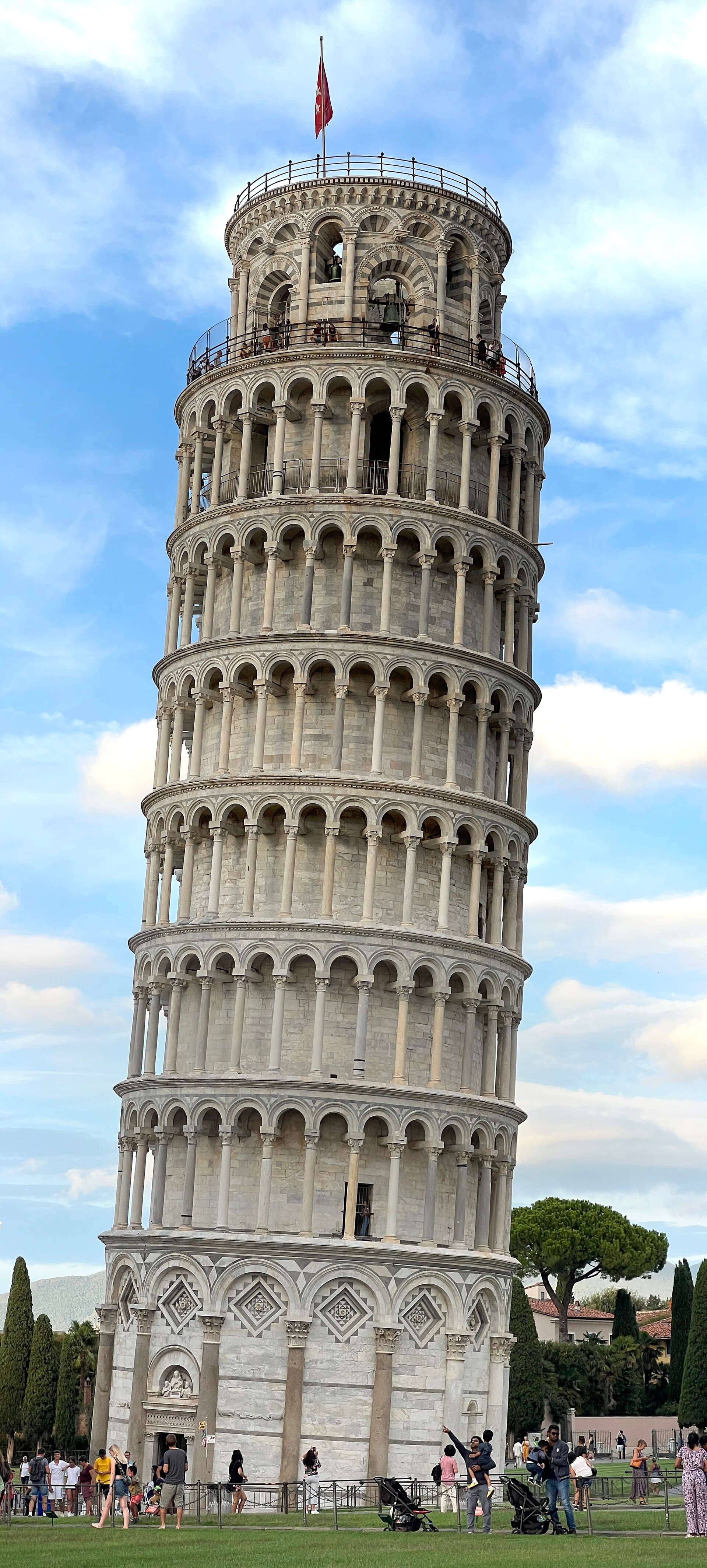 Leaning Tower of PisaThe Tower of Pisa is architecture's most famous and best-loved mistake: the cath2 minutes walk4.8
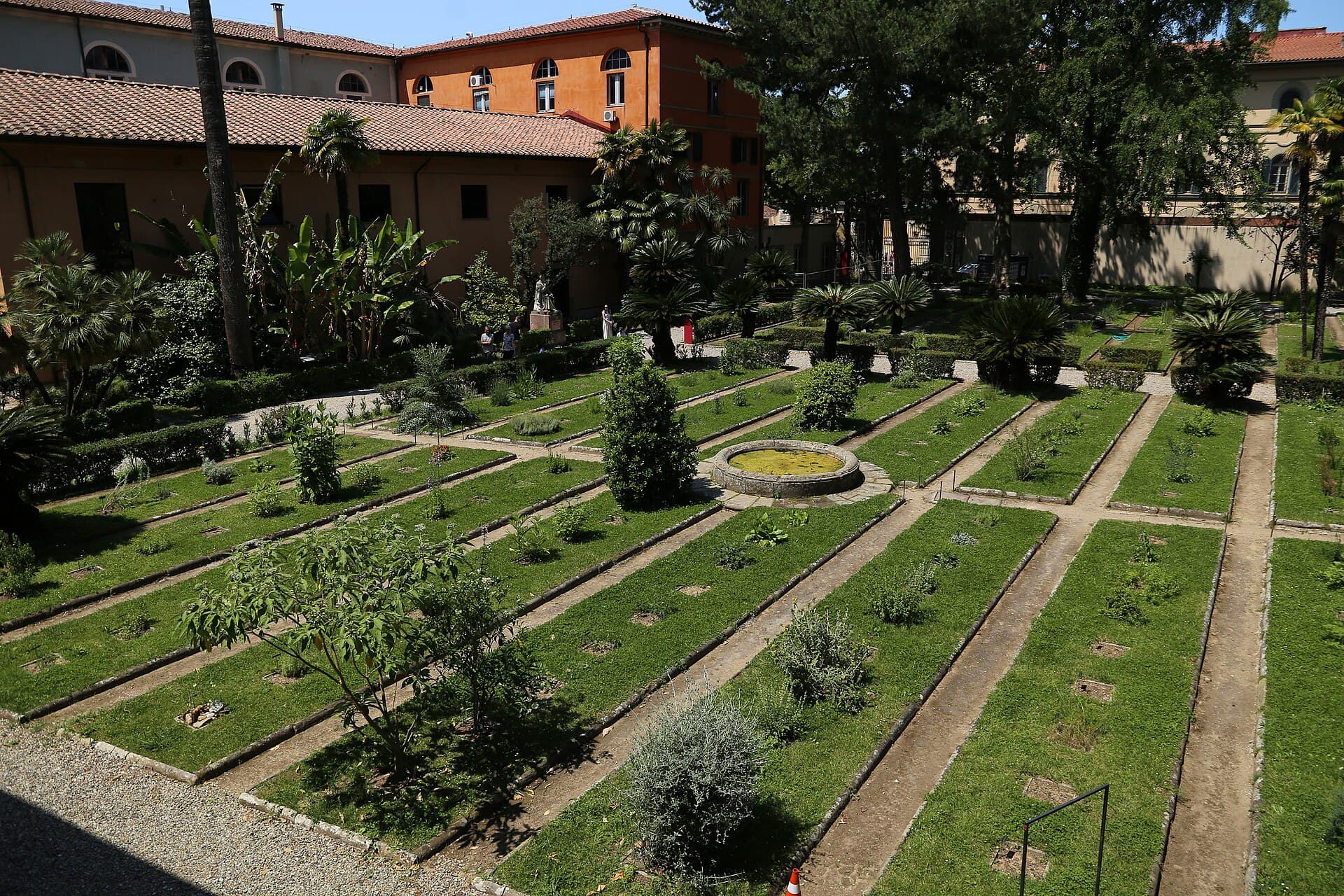 Pisa Botanical GardenIn 1543 — some sources say 1544 — Cosimo I de' Medici ordered a garden planted s5 minutes walk4.3
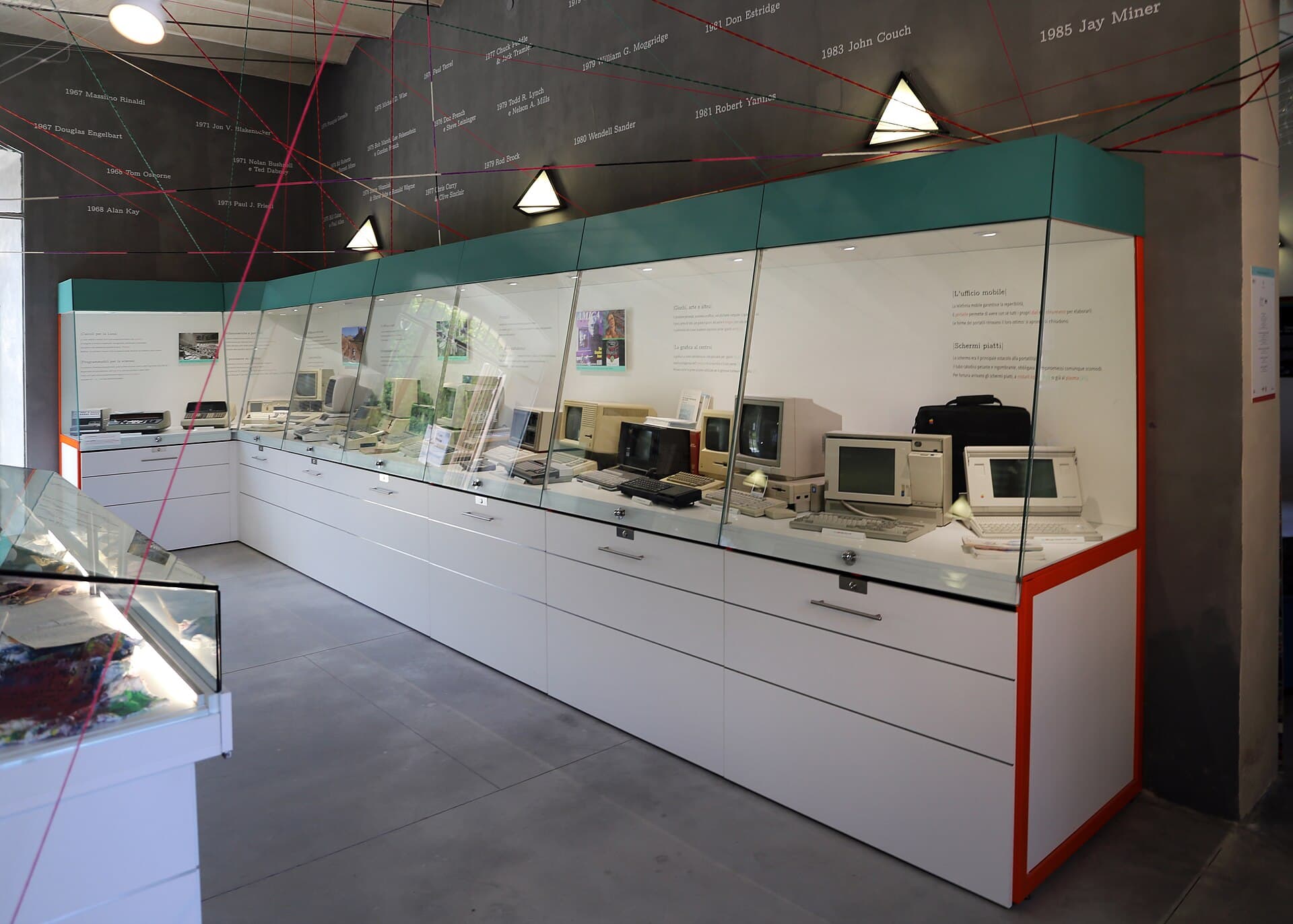 Museum of Computing InstrumentsIn the mid-1950s the provinces of Pisa, Lucca and Livorno had money set aside fo7 minutes walk4.4
The cavity between domes returns waves in slow-decaying circulation — a ten-second acoustic tail letting each note catch its living predecessor in harmony. Almost certainly a constructional accident, not design — but Pisa has made it daily art for centuries.
Golden-century pride: victorious Pisa wanted each monument the largest — its baptistery outdoing its own cathedral dome, rivalling Byzantium. Then the fleet broke before Genoa (1284) and the golden time stopped — leaving the field like its ambition: complete at the edge of the breaking.