
The Adige serpent
The full bend around the town — Verona's living map.
trolvag — CC BY-SA 3.0 · dconvertini — CC BY-SA 2.0 · Falk2 — CC BY-SA 4.0 · dconvertini — CC BY-SA 2.0
On the hill where Verona was born — where the Romans set their first temple above the Adige's bank — stands the Castel San Pietro terrace: the city panorama nothing contests: the river drawing its full serpent around the old town, Ponte Pietra at your feet, and the sea of tile pierced by towers and domes out to the Arena and the far Alps. The name belongs to a closed Austrian barracks above the spot (built on an older castle's ruins) — but the destination is the esplanade before it: free and always open, reached by a modern funicular in one minute from the riverbank, or by shaded stone steps in ten, small balconies along the way. Its sunset is Verona's communal rite: the city ignites gold and then lights up — claim the wall's edge early in summer, or take its empty sunrise as a private secret.
The full bend around the town — Verona's living map.
Tile igniting, then the city lighting — the ritual sunset.
The first Roman temple's hill — Verona began here.
Piazzale Castel San Pietro, 37129 Verona
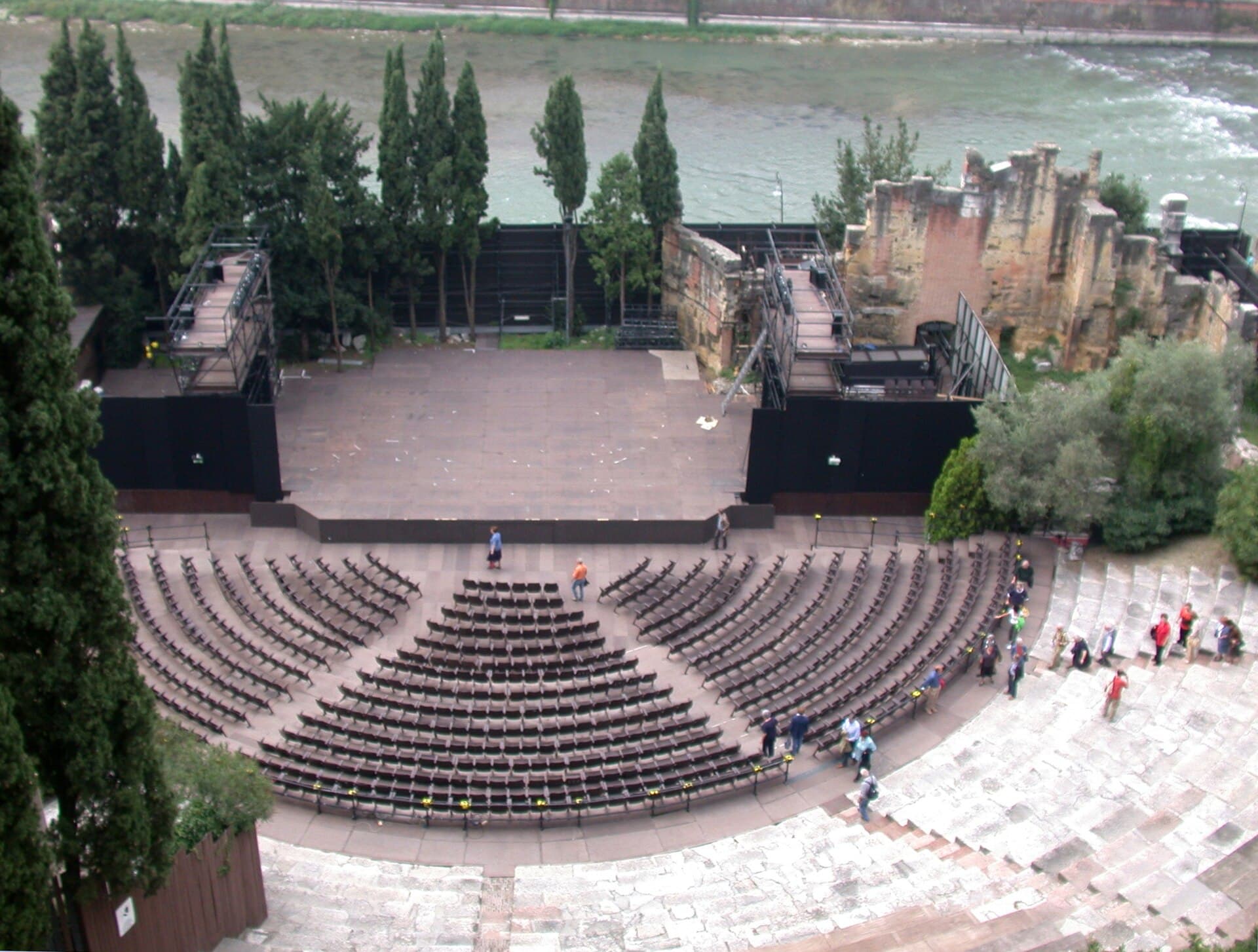 Roman Theatre and Archaeological MuseumDecades before the Arena, Verona built its theatre: in the late first century BC2 minutes walk4.4
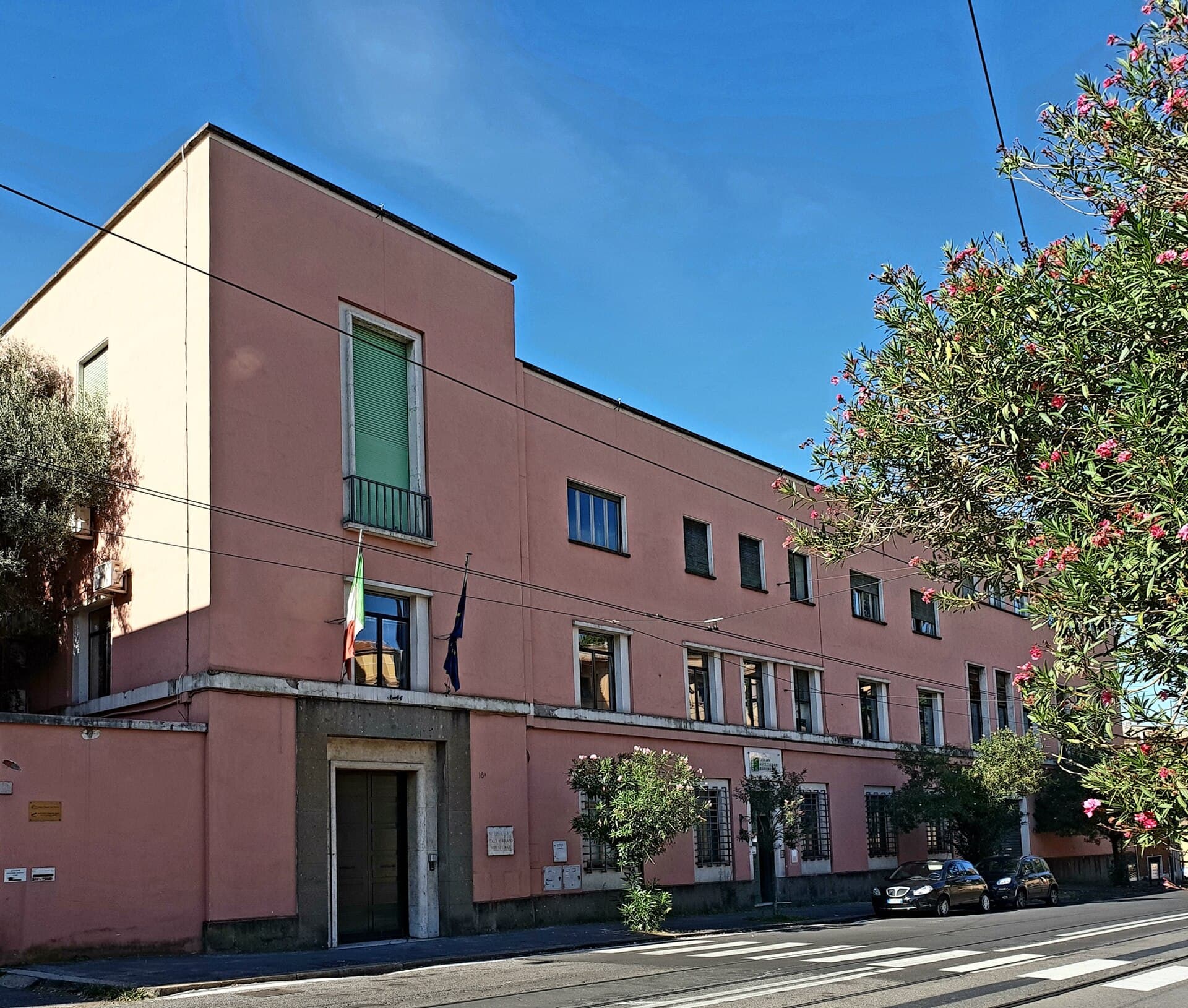 Museo AfricanoIt is rare that the hardest part of a museum is getting through the door, but th3 minutes walk4.6
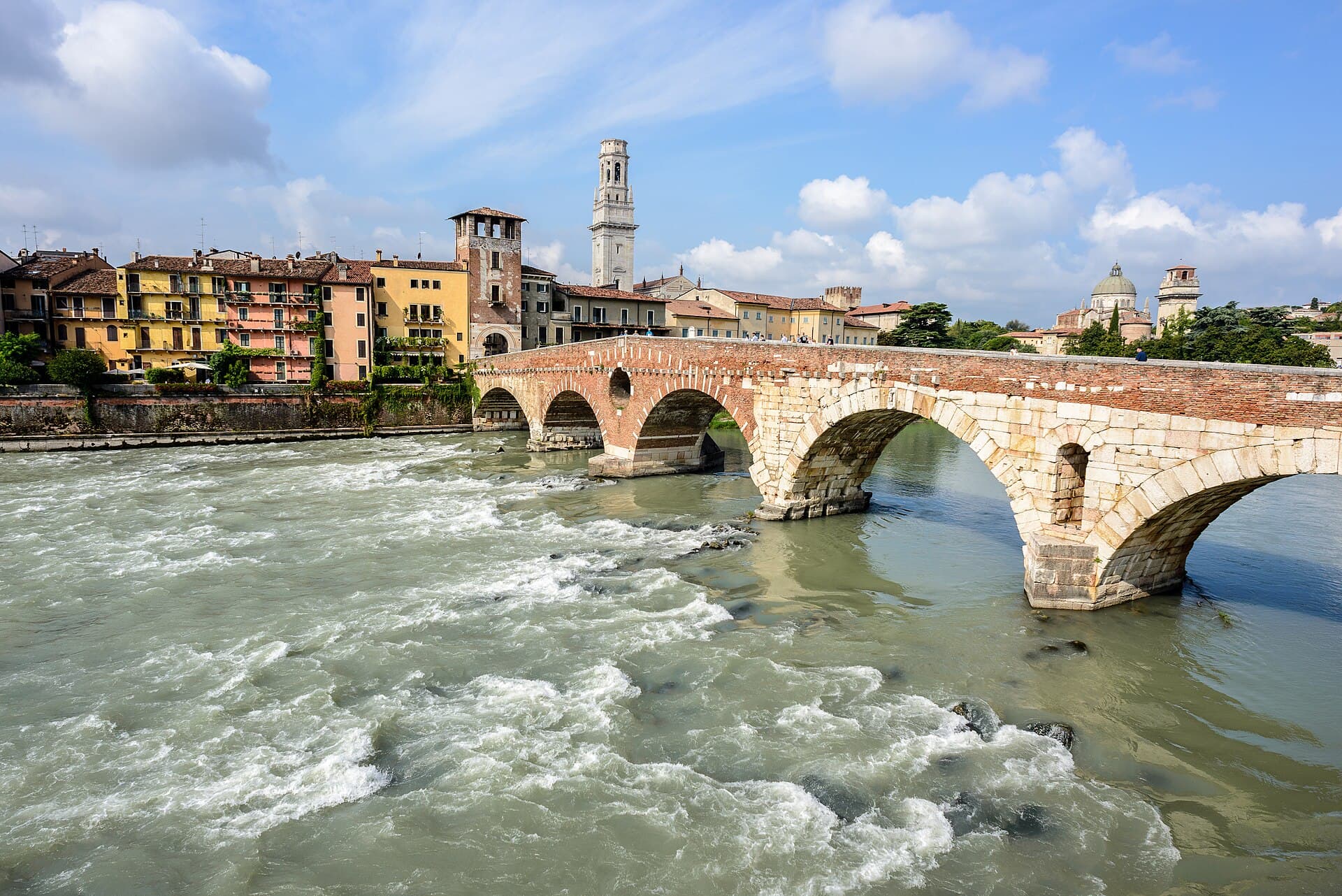 Ponte PietraPonte Pietra is the Adige's oldest crossing: a first-century-BC Roman bridge tha3 minutes walk4.8
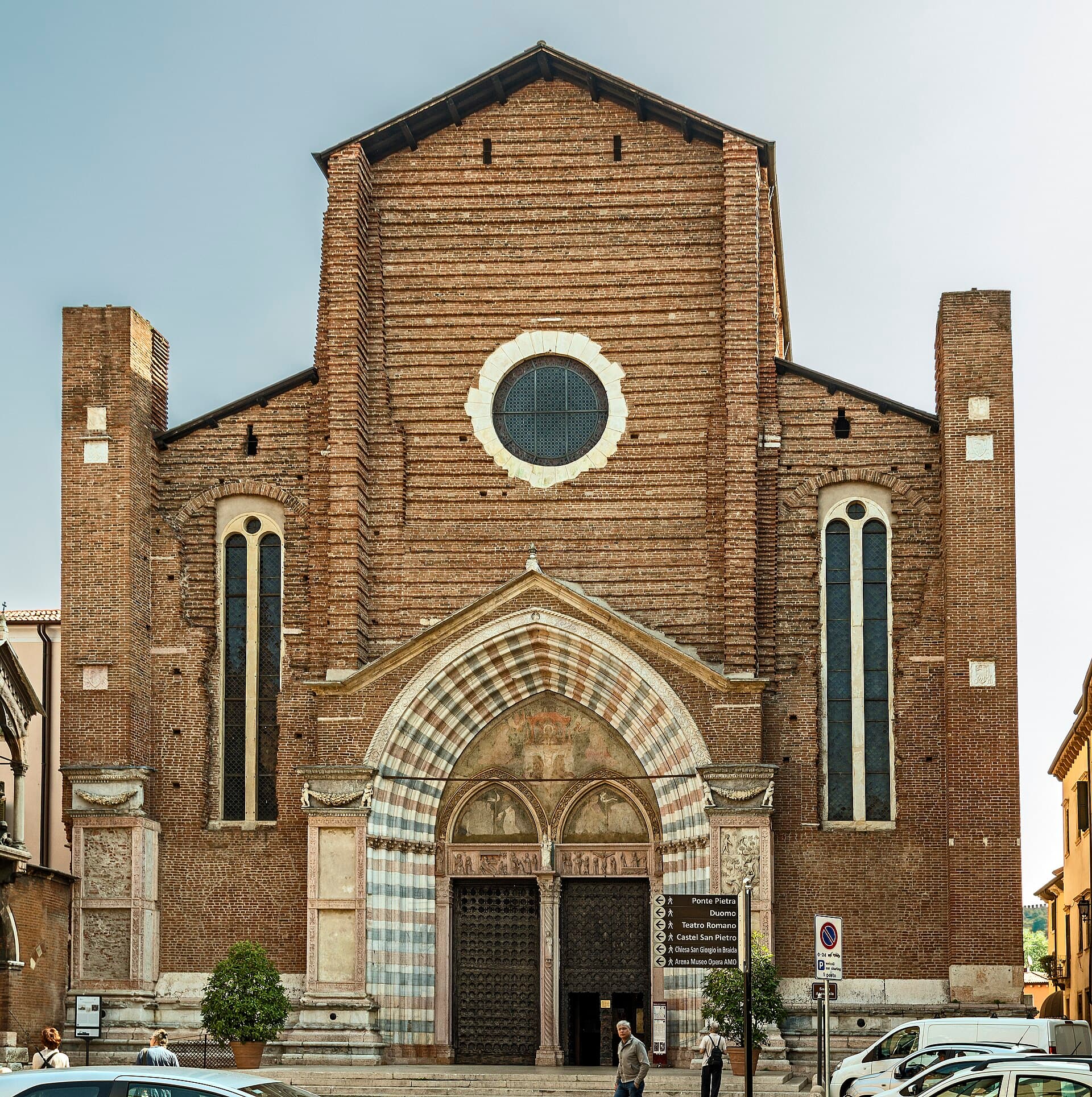 Basilica of Santa AnastasiaSeven centuries on, Verona's largest church still has no face. Bare brick rises 6 minutes walk4.6
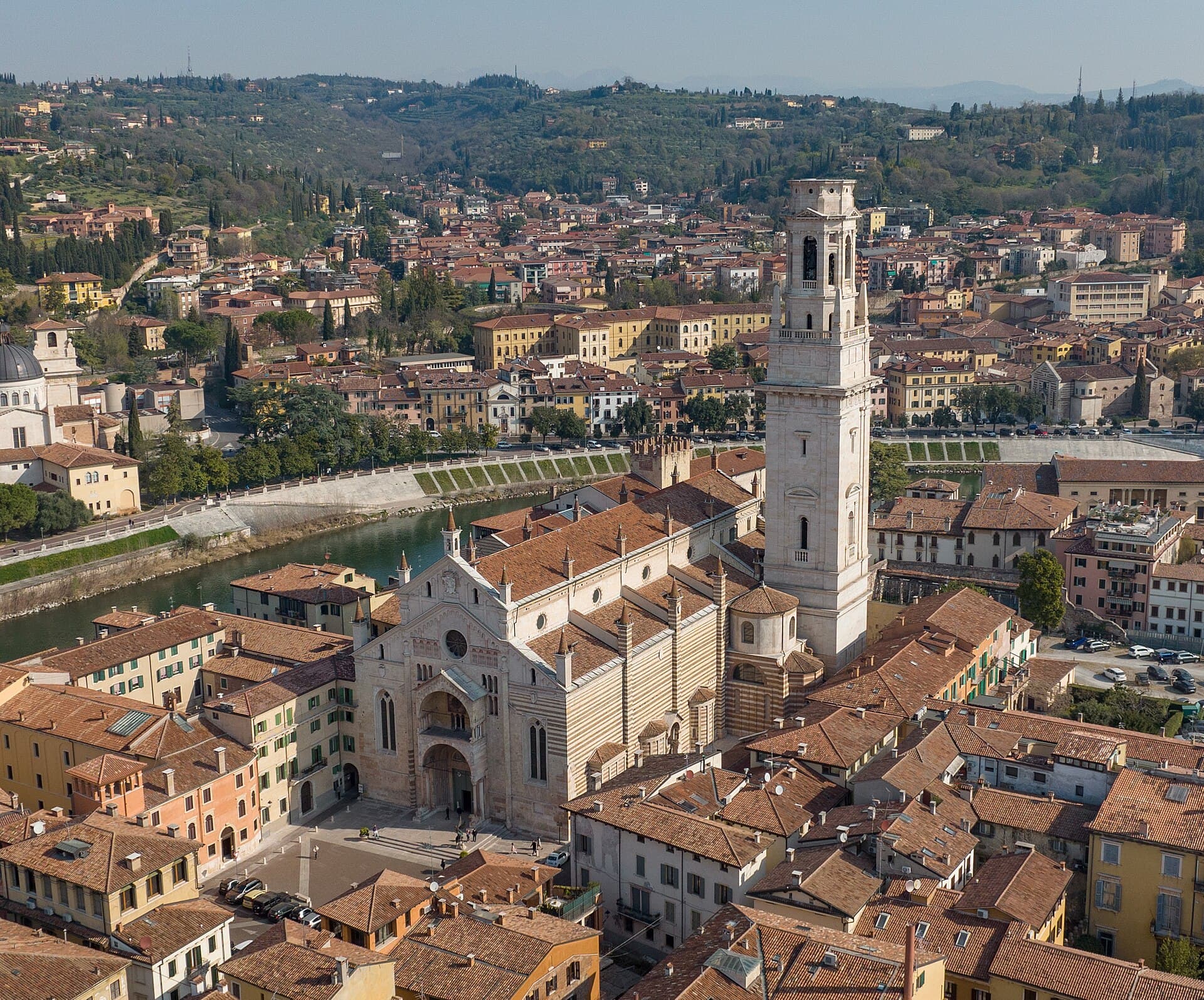 Verona CathedralVerona's cathedral is a complex of stacked ages in the old city's quietest corne6 minutes walk4.7
Best mixed: climb the shaded stone steps unhurried with their mini-balconies, descend by funicular after sunset when the stairs darken — or reverse for elders and strollers: mechanical up, free down. The lower station is steps from Ponte Pietra.
The barracks has sat closed in restoration limbo for decades — a small loss: everything the hill is climbed for is the esplanade before it and the view, not the Austrian stones behind.
The Roman theatre directly at your foot — its tiers part of the view, its museum in the monastery above it — and summer nights carry its performances: the ideal evening plan, sunset above then theatre under the stars below.