
A museum arguing with itself
Rooms redesigned in 1996, 2006 and 2014 to move from a display of missionary trophies to African cultures described on their own terms.
Carlo Dani — CC BY-SA 4.0 · Alvaro Morales Ríos — CC BY-SA 4.0 · Emilio J. Rodríguez Posada — CC BY-SA 2.0 · Emilio J. Rodríguez Posada — CC BY-SA 2.0
It is rare that the hardest part of a museum is getting through the door, but that is the Museo Africano in Verona. It opens Tuesday to Friday mornings only (8:30 to 14:30, last entry 14:00), and on weekends only the first and third Saturday and Sunday of each month, 15:00 to 18:00. Closed Mondays, plus extra closures whenever the staff take part in one of the city's events, such as the Tocatì festival, and a break for part of August. Check the website or phone in the morning before you cross the river, because arriving to a locked door here is a real possibility, not a theoretical one. The Comboni missionaries founded it in 1938 inside their institute on Vicolo Pozzo, from objects gathered during their work in Sudan, Uganda, Ethiopia and elsewhere, material that had been arriving from the missions since the 1890s. It began as a display of missionary activity, and from the late 1970s onward it rebuilt itself from the ground up: Africa here is no longer a field of mission but a set of cultures with their own logic and their own right to be described in their own terms. The rooms have been redesigned again and again, between 1978 and 1981, then in 1996, 2006 and most recently 2014, when screens and audiovisual material were added to talk back to the objects rather than merely label them. Watching a European museum take apart its own colonial story is an unusual thing to see, and here it is on show without cosmetics. What you actually get is a single thematic route, colour-coded by section and wrapped around a central Tukul space: the cycle of life, crafts and work tools, masks, music, traditional African religions alongside Christianity and Islam, and a section on Comboni and the missionaries themselves. Some twenty-six display cases draw on holdings of more than ten thousand objects, masks and wood carvings, textiles, basketry, everyday things and photography. It is a small museum, honest about its size, with no treasures and no endless galleries, and the labelling is largely in Italian. Beside it sits the Nigrizia library, twenty thousand volumes and more on Africa, which brings in more researchers and students than tourists. An hour to ninety minutes covers it comfortably. Plainly: if you have two days in Verona, spend them on the Arena, Castelvecchio and Piazza delle Erbe, not here. If you have longer, or you care about Africa and about how Europe puts it on display, it earns the walk. The museum is in Veronetta, east of the Adige, about fifteen minutes on foot from Piazza delle Erbe across the bridge, near Piazza Isolo (bus 73 from Porta Nuova station; lines 31, 32 and 33 also stop there). The quarter itself is a bonus for Arab travellers: it is the most mixed part of Verona, with Middle Eastern and African restaurants and grocers along Via XX Settembre and the streets off it, and halal food far easier to find here than anywhere around the Arena. The institute also has a large internal car park, which in Verona is a small miracle.
Rooms redesigned in 1996, 2006 and 2014 to move from a display of missionary trophies to African cultures described on their own terms.
Twenty thousand volumes and more on Africa alongside the galleries, making this more a study centre than a sightseeing stop.
Veronetta is the city's most mixed neighbourhood, with Middle Eastern and African eateries and grocers minutes from the door.
Vicolo Pozzo 1, Veronetta, 37129 Verona
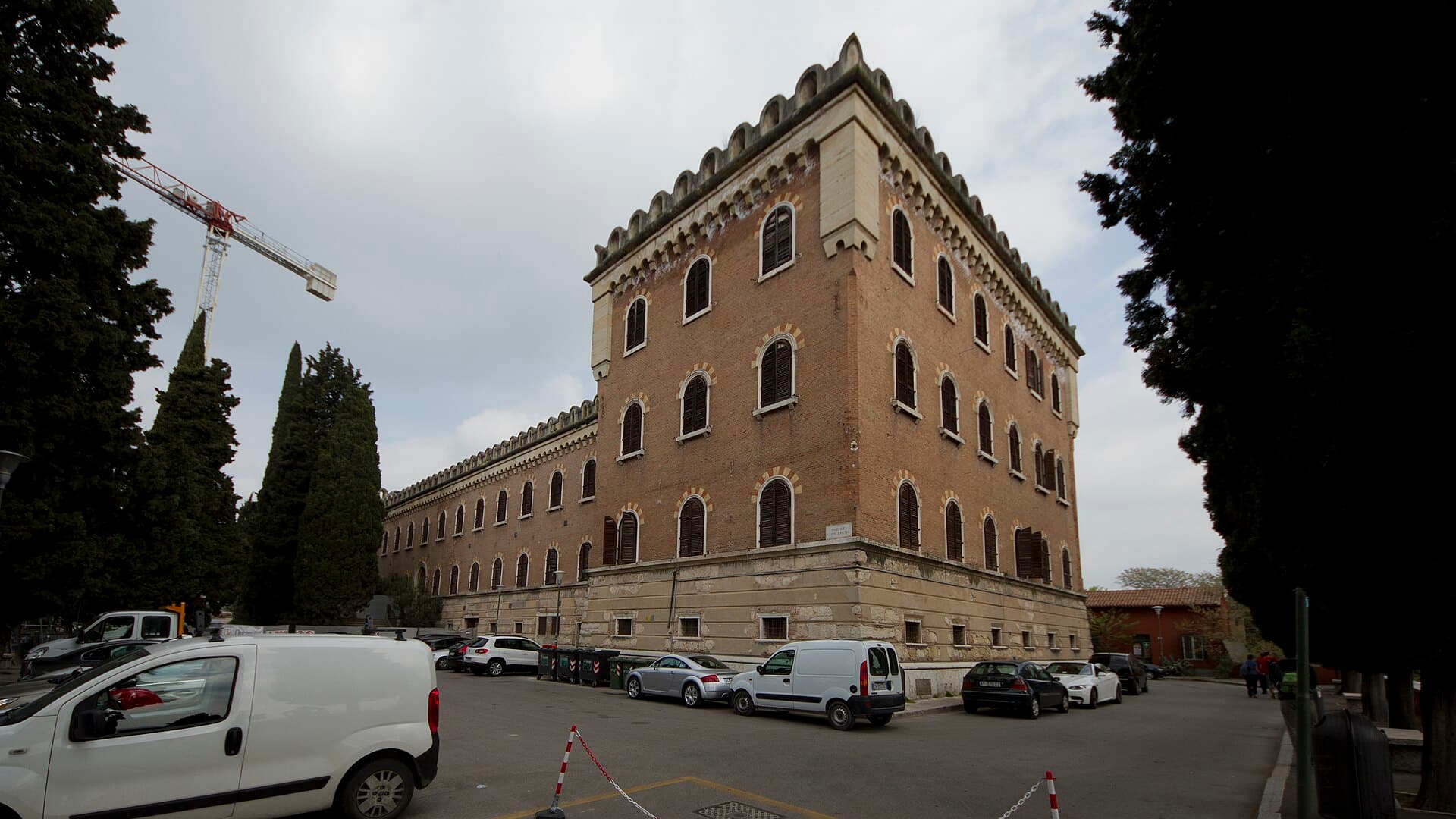 Castel San Pietro TerraceOn the hill where Verona was born — where the Romans set their first temple abov3 minutes walk4.8
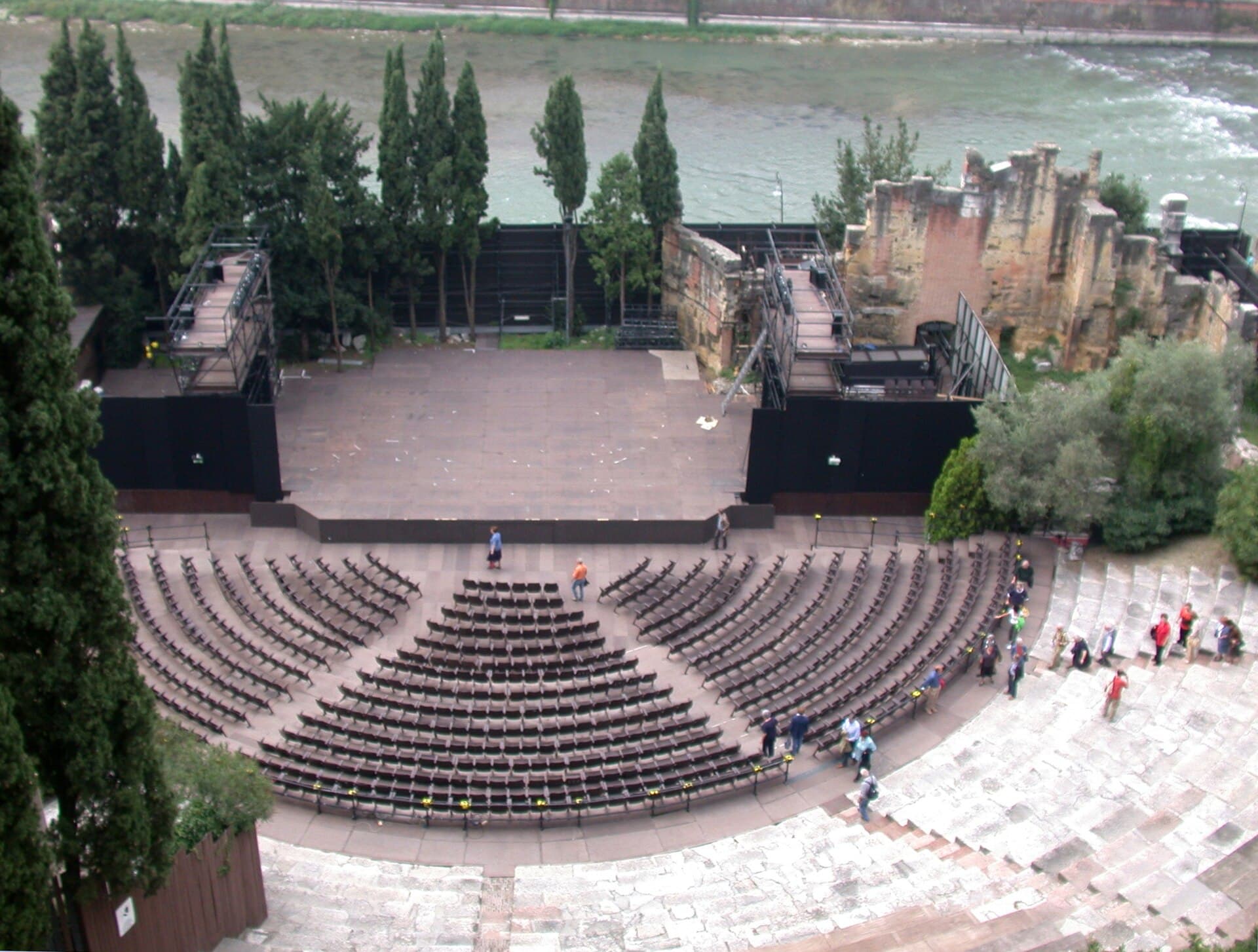 Roman Theatre and Archaeological MuseumDecades before the Arena, Verona built its theatre: in the late first century BC4 minutes walk4.4
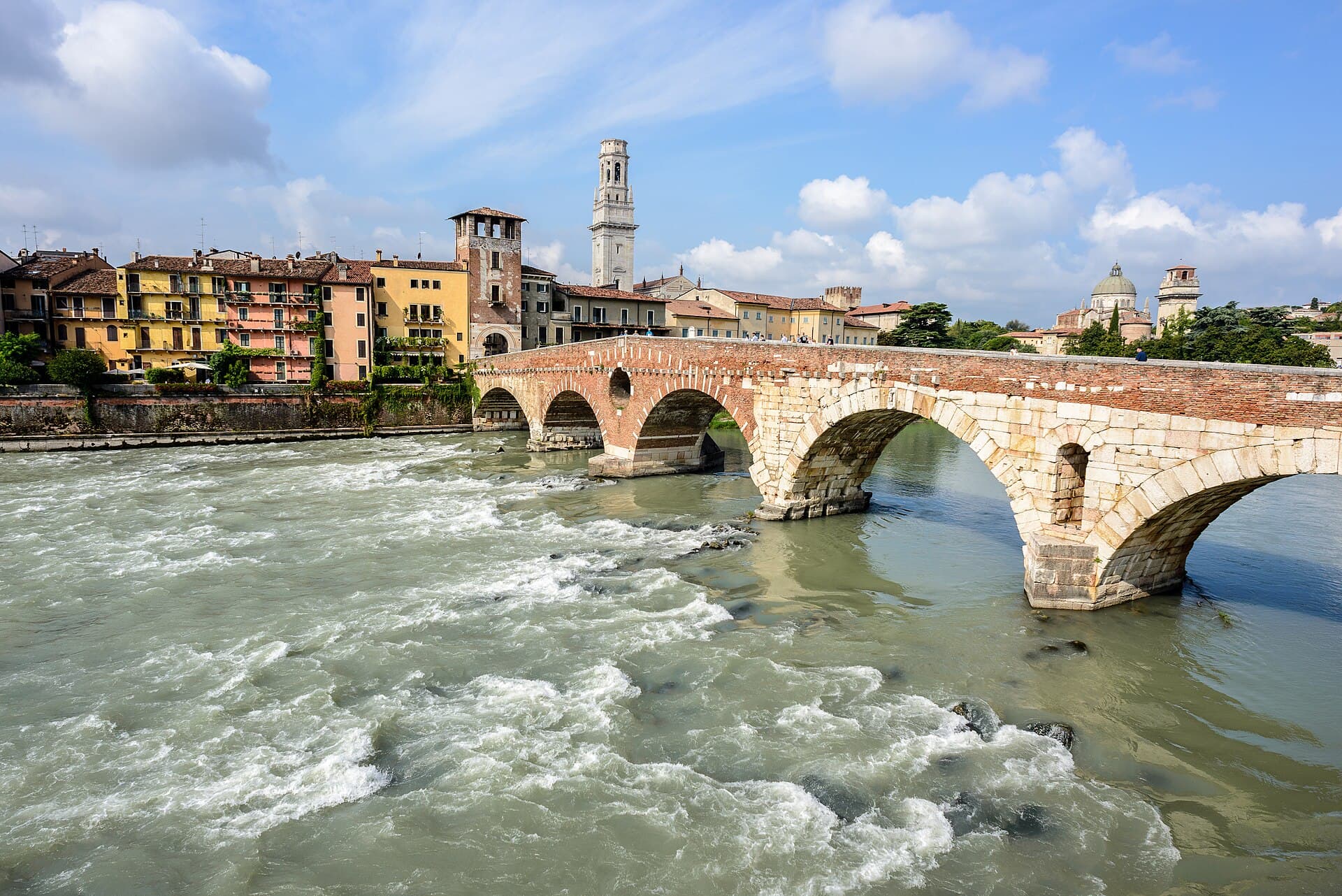 Ponte PietraPonte Pietra is the Adige's oldest crossing: a first-century-BC Roman bridge tha6 minutes walk4.8
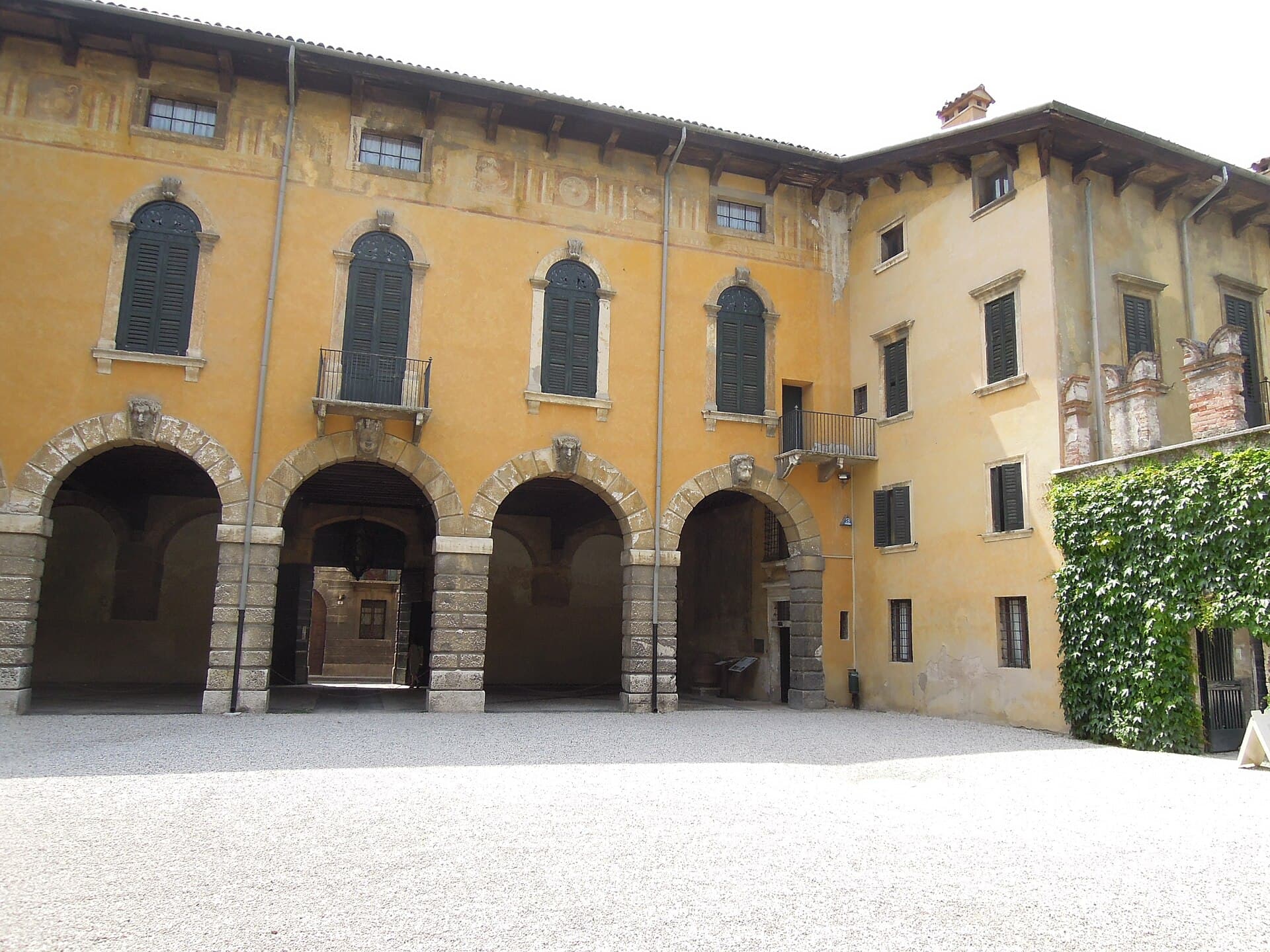 Giusti GardenThe Giusti is among Italy's most refined Renaissance gardens and less famous tha6 minutes walk4.4
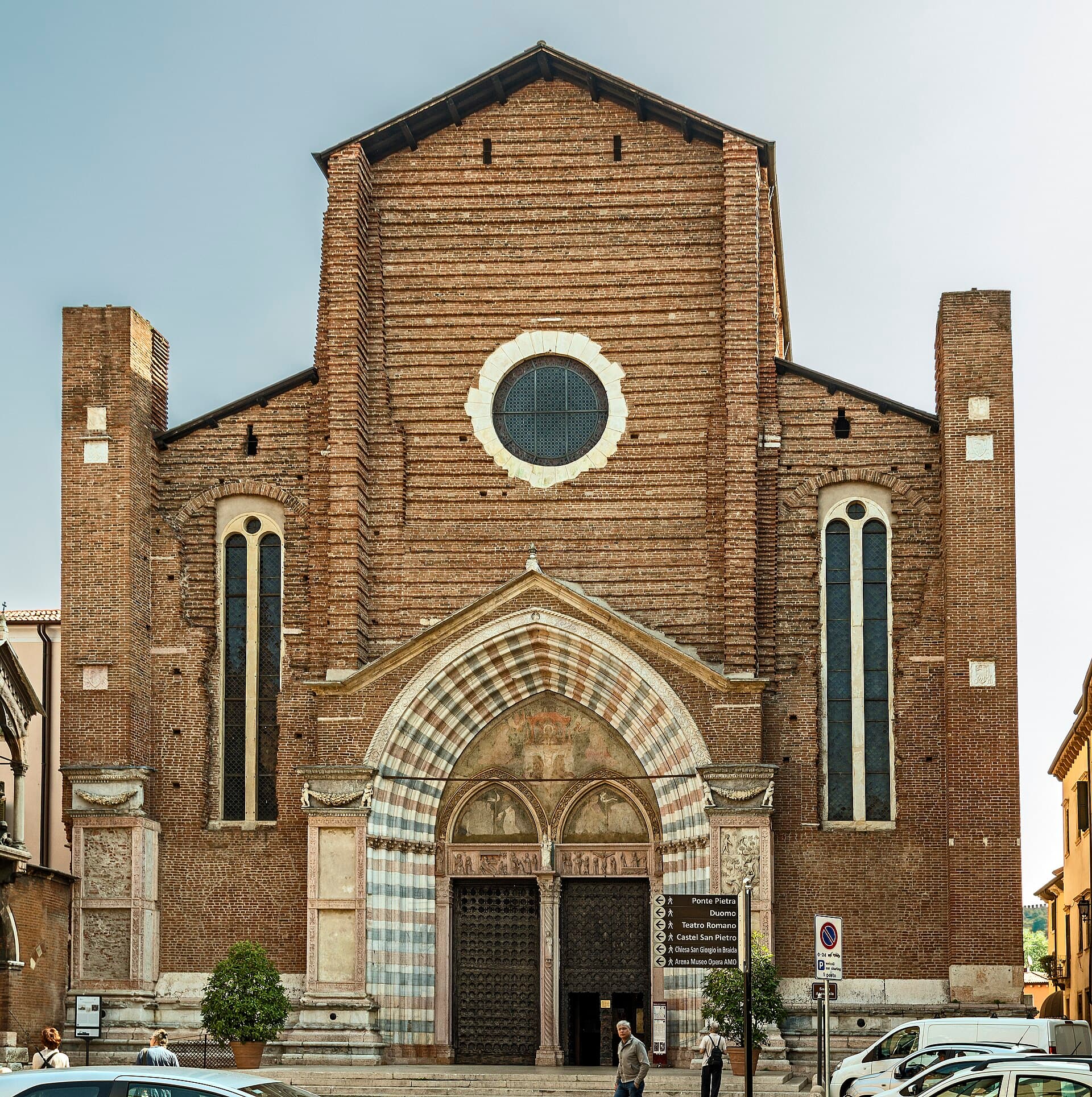 Basilica of Santa AnastasiaSeven centuries on, Verona's largest church still has no face. Bare brick rises 7 minutes walk4.6
No. The Arena, Castelvecchio, Piazza delle Erbe and the Torre dei Lamberti have a stronger claim on two days. Save this for a third or fourth visit, or come if the subject itself interests you, or if you happen to be staying in Veronetta.
As an individual you can turn up without booking, but phone in the morning first to confirm it is open that day, since extra closures are frequent. The VeronaCard brings the ticket down to EUR 3 rather than letting you in free. Groups and guided tours must be booked ahead.