
Tiers in living rock
The hill itself carved to seats two thousand years ago.
MM — Public domain · José Luiz — CC BY-SA 4.0 · thievingjoker — CC BY-SA 2.0 · Carla Brain — CC BY-SA 3.0
Decades before the Arena, Verona built its theatre: in the late first century BC the Romans cut their tiers into San Pietro hill's own rock above the river — the site alone explaining the choice: the audience watched the play with all Verona the greater stage behind the scaena. Tiers, orchestra and stage fragments survive in working order — the summer theatre festival has played on them since 1948, Shakespeare in his Italian city its favourite rite — and the climb through them terraces a whole hillside of remains: arches, passages and landings up to the monastery of Saint Jerome above, where the archaeological museum keeps the Roman city's sculpture, bronzes and mosaics, the monastery balcony closing with a view rivalling the hill terrace's. The pairing — Ponte Pietra at the foot, the theatre in the ascent — makes the left bank Verona's richest Roman hour.
The hill itself carved to seats two thousand years ago.
The museum's close over river and city.
Festival nights on Roman stone — the theatre alive.
Regaste Redentore 2, 37129 Verona
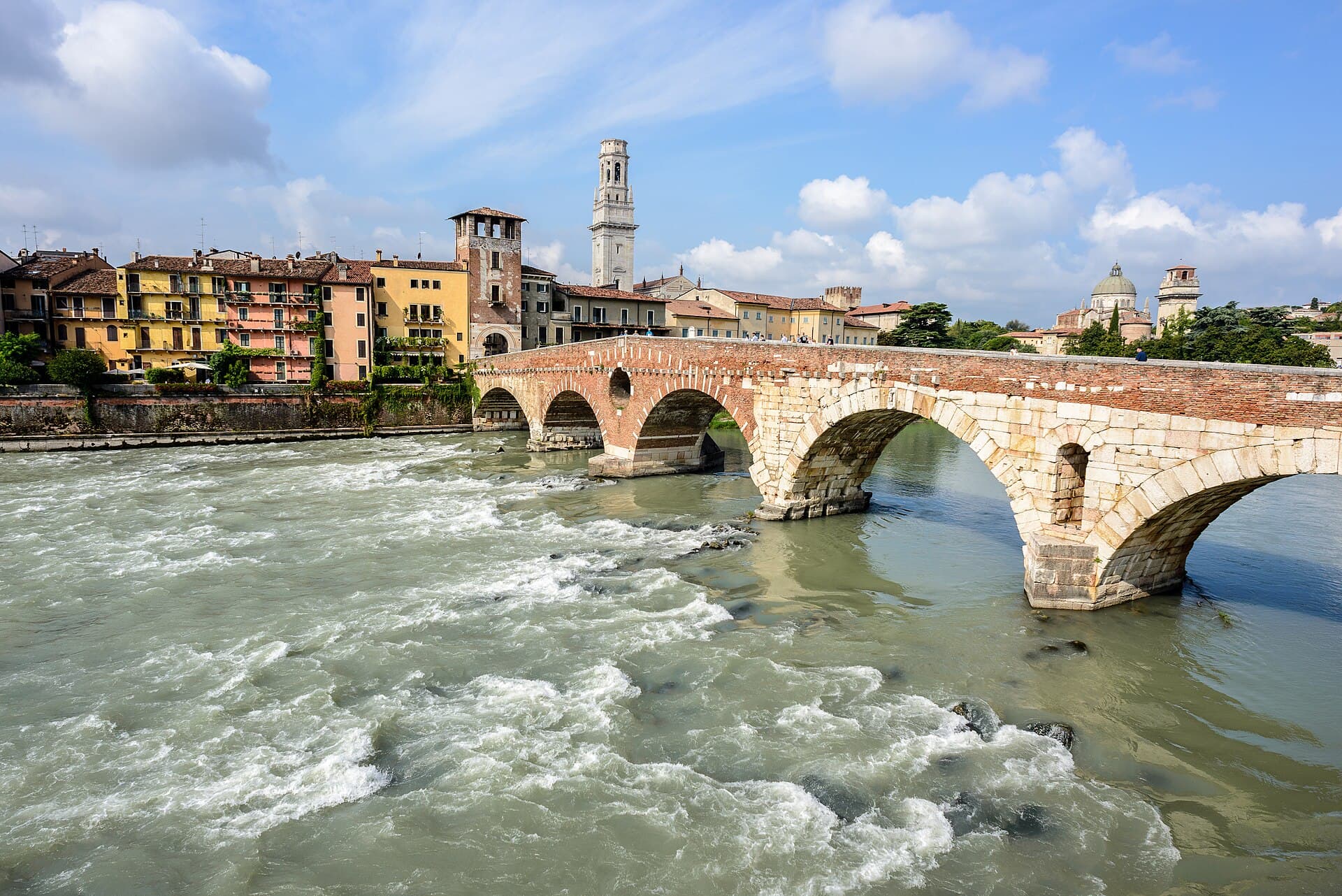 Ponte PietraPonte Pietra is the Adige's oldest crossing: a first-century-BC Roman bridge tha2 minutes walk4.8
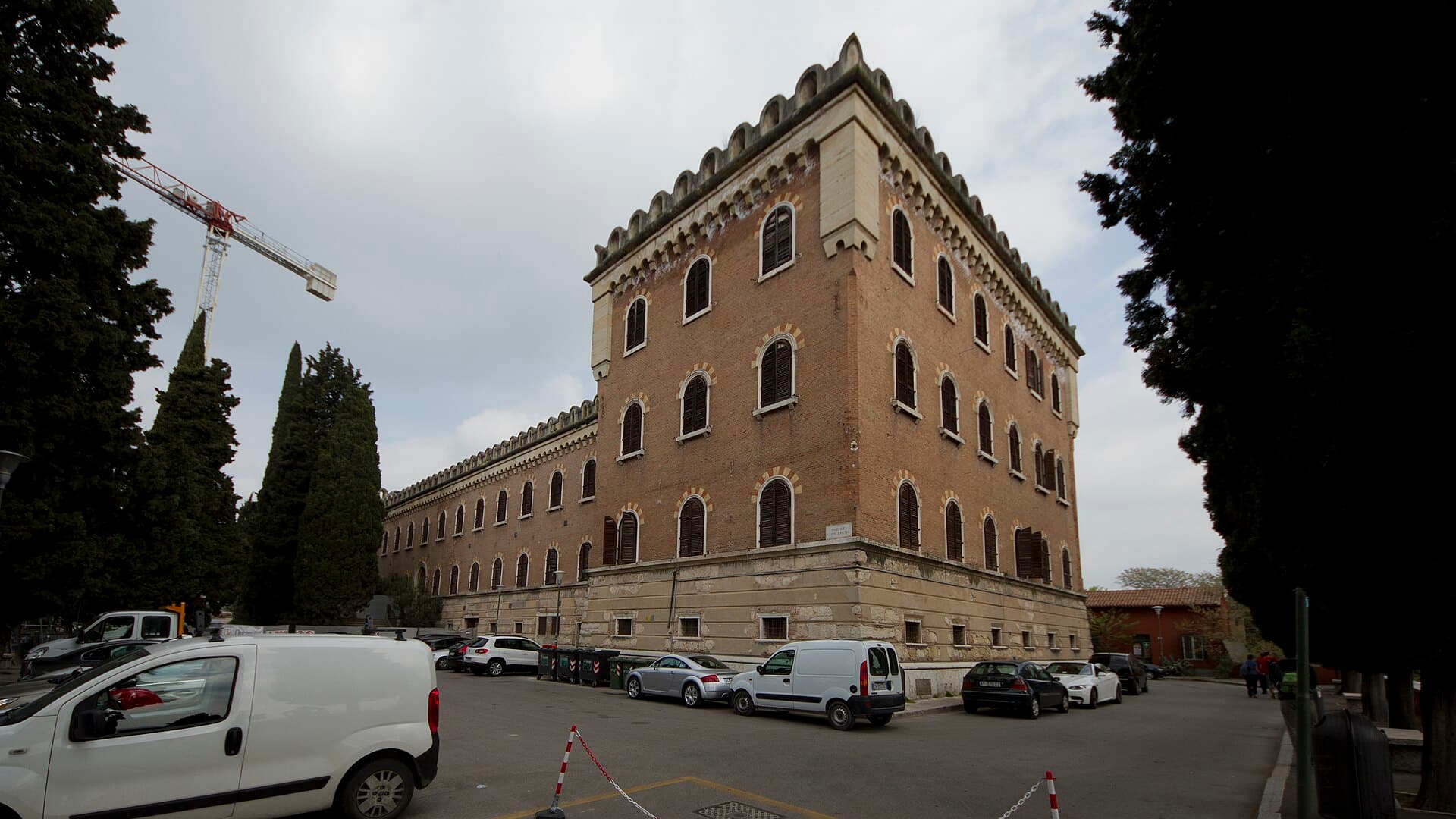 Castel San Pietro TerraceOn the hill where Verona was born — where the Romans set their first temple abov2 minutes walk4.8
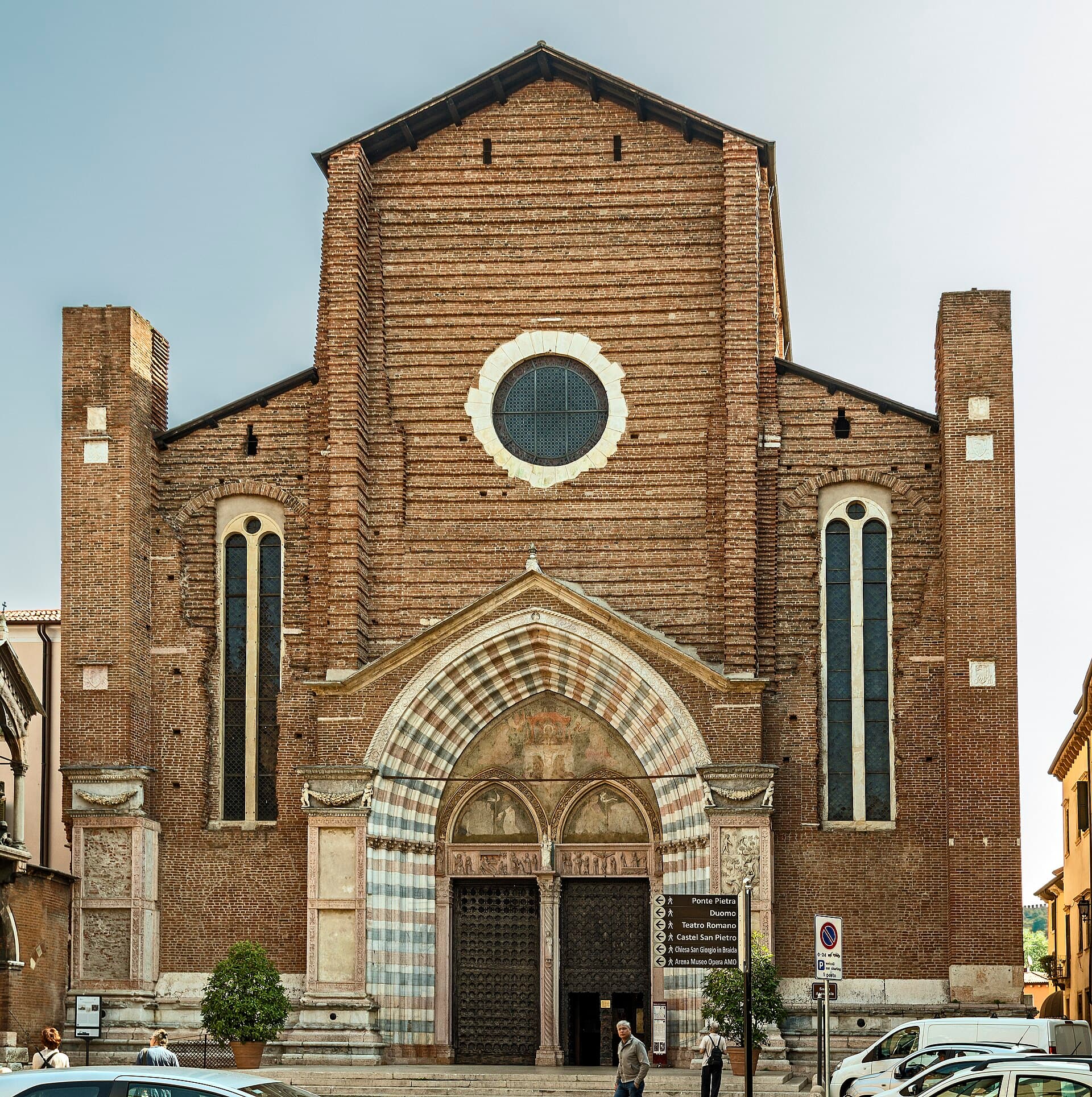 Basilica of Santa AnastasiaSeven centuries on, Verona's largest church still has no face. Bare brick rises 4 minutes walk4.6
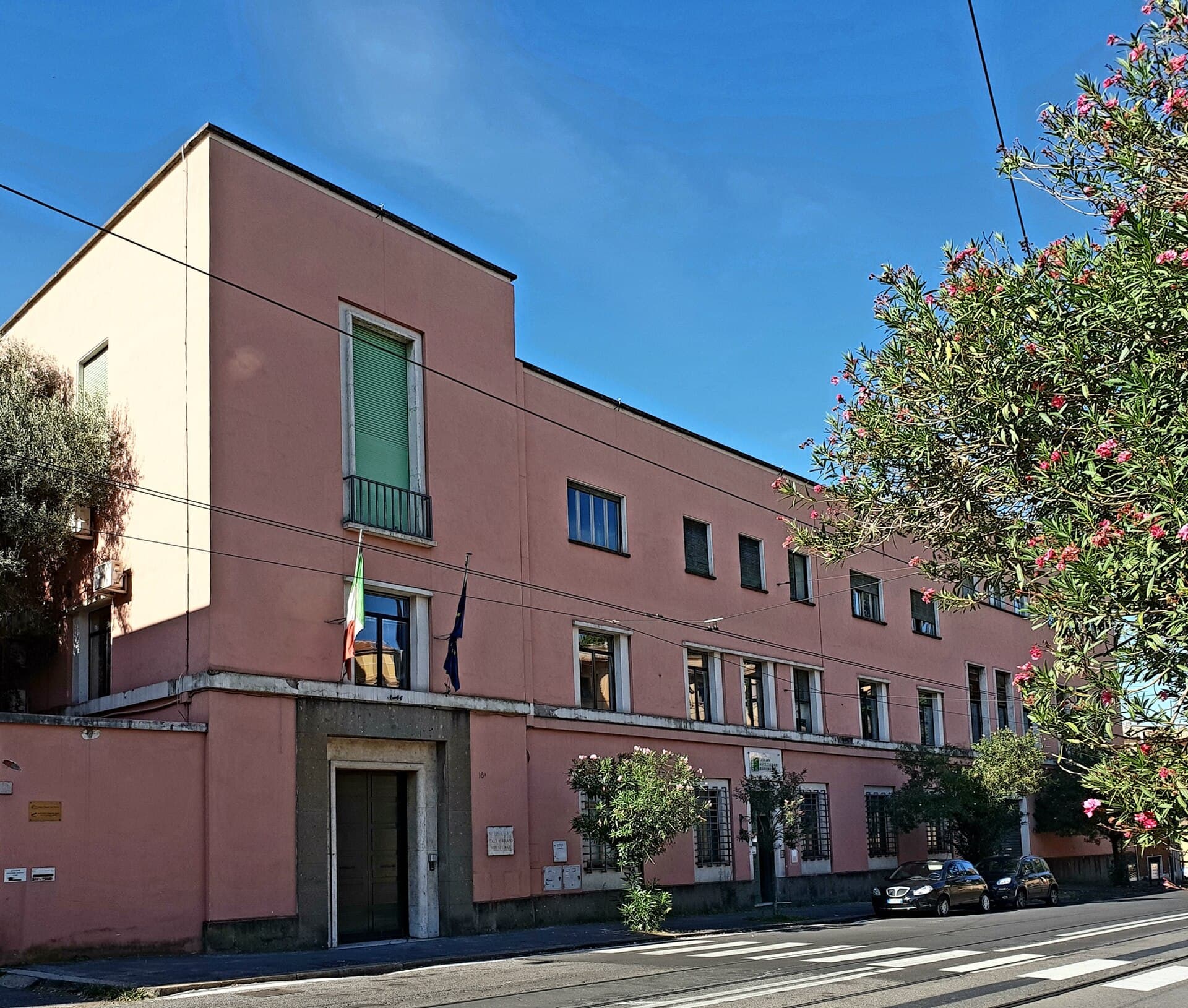 Museo AfricanoIt is rare that the hardest part of a museum is getting through the door, but th4 minutes walk4.6
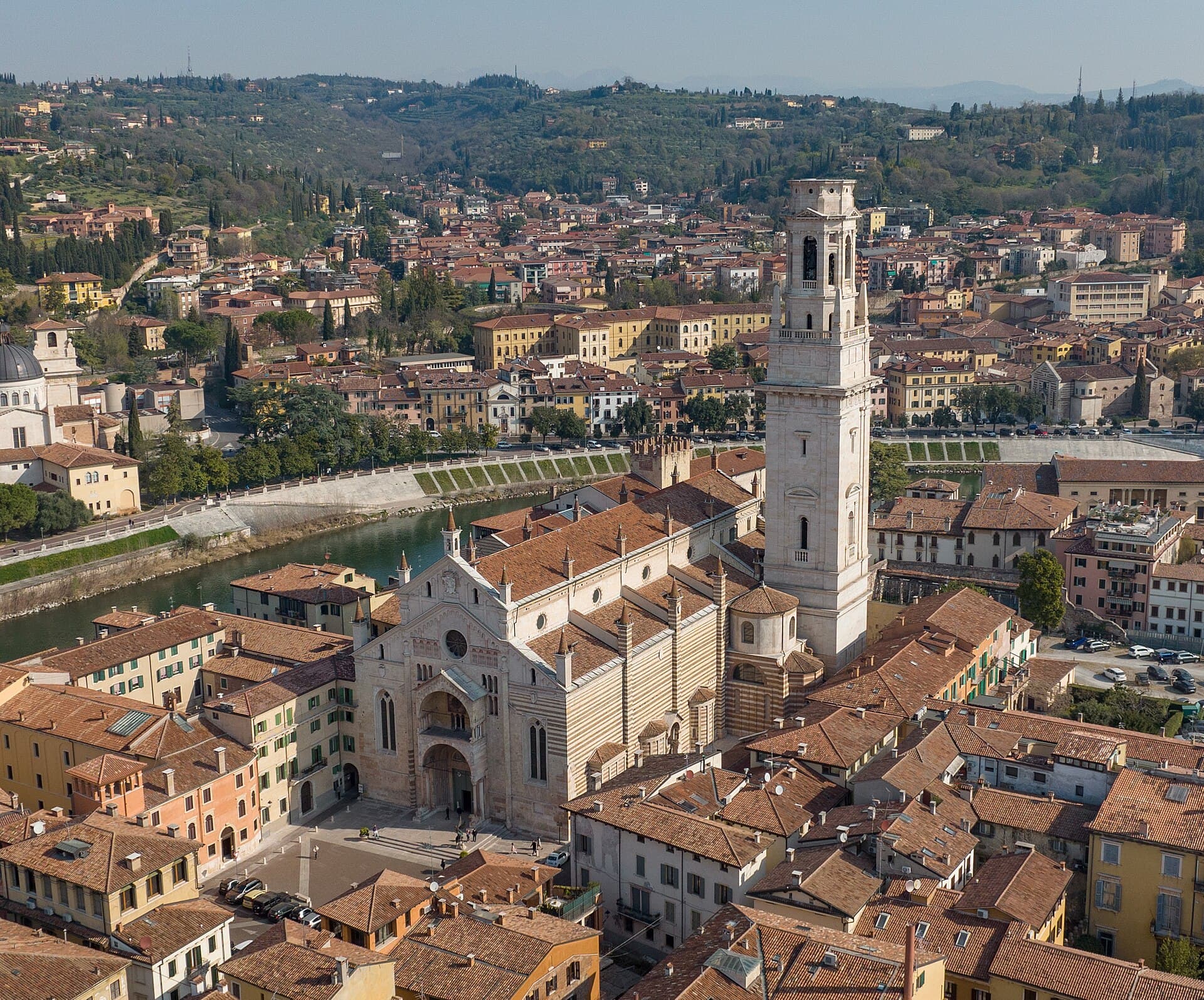 Verona CathedralVerona's cathedral is a complex of stacked ages in the old city's quietest corne5 minutes walk4.7
No contest to hold: the Arena is a colossal games amphitheatre, this an intimate drama stage with a river view — together completing Roman entertainment's two wings. Practically: the Arena is unmissable; the theatre rewards the bank-crossing of whoever gives Verona her full day.
By merciful burial: houses and churches collapsed over it for centuries until it vanished — then a rich nineteenth-century merchant bought the hill and spent his life excavating, demolishing the houses to uncover the theatre for the city: Andrea Monga, perhaps Europe's first private archaeologist, his name on the entrance by right.