
Two thousand years of crossing
The bridge the legions walked, still walked.
Nick Savchenko from Kiev, Ukraine — CC BY-SA 2.0 · Falk2 — CC BY-SA 4.0 · Son of Groucho from Scotland — CC BY 2.0 · This Photo was taken by Andrea Bertozzi. Feel free to use my photos, but please mention me as the author and send me a message. — CC BY-SA 4.0
Ponte Pietra is the Adige's oldest crossing: a first-century-BC Roman bridge that served Verona two thousand years — until an April night in 1945, when retreating Germans blew it with every bridge in the city. Verona answered with its noblest rebuilding decision: dredging its stones from the riverbed and returning it as it was, stone upon stone, reopening in 1959 with its two white Roman arches and red medieval ones — its whole history declared in its colours. It is now, by sunset consensus, Verona's most beautiful point: pedestrian only, crossing from the cathedral's bend toward the Roman theatre and San Pietro hill — and the pause on its back joins rushing river, hill and roof tile into the city's most complete picture. Cross it uphill in the evening; the view back from the far bank — the bridge's colours in the river, the cathedral behind — is Verona's eternal cover image.
The bridge the legions walked, still walked.
Stones raised from the riverbed, history rebuilt by hand.
River, hill and tile from its back — Verona complete.
Ponte Pietra, 37121 Verona
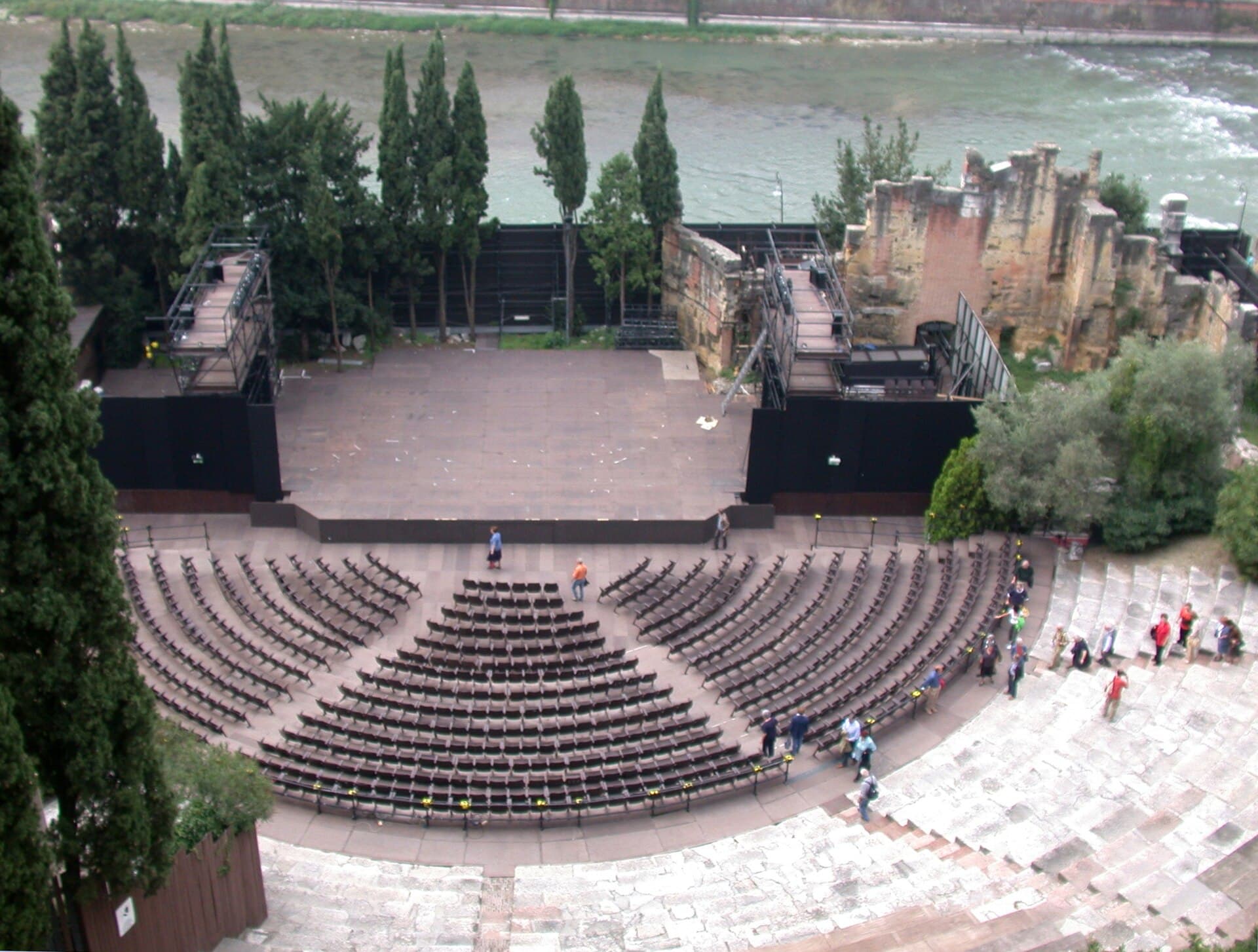 Roman Theatre and Archaeological MuseumDecades before the Arena, Verona built its theatre: in the late first century BC2 minutes walk4.4
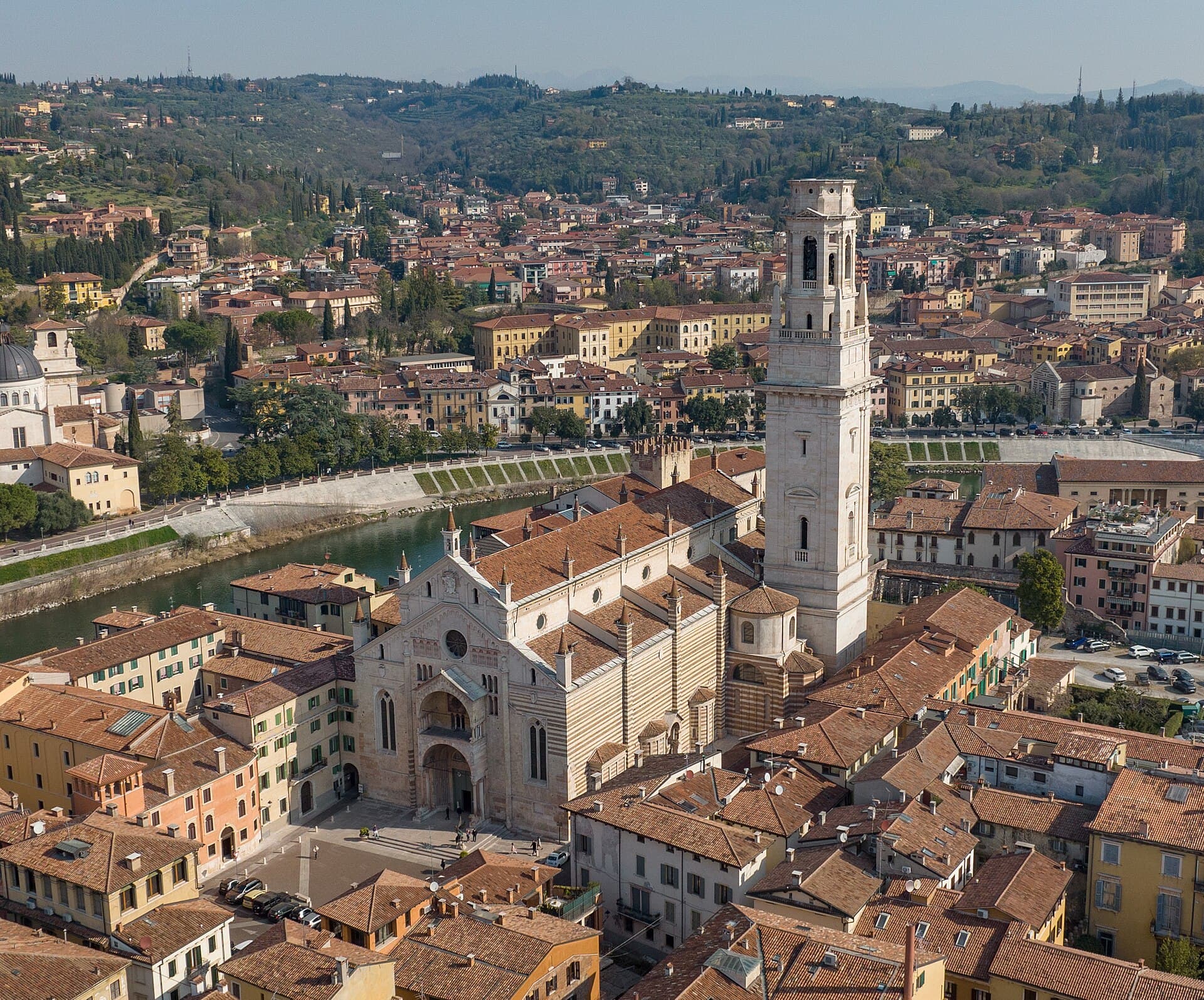 Verona CathedralVerona's cathedral is a complex of stacked ages in the old city's quietest corne3 minutes walk4.7
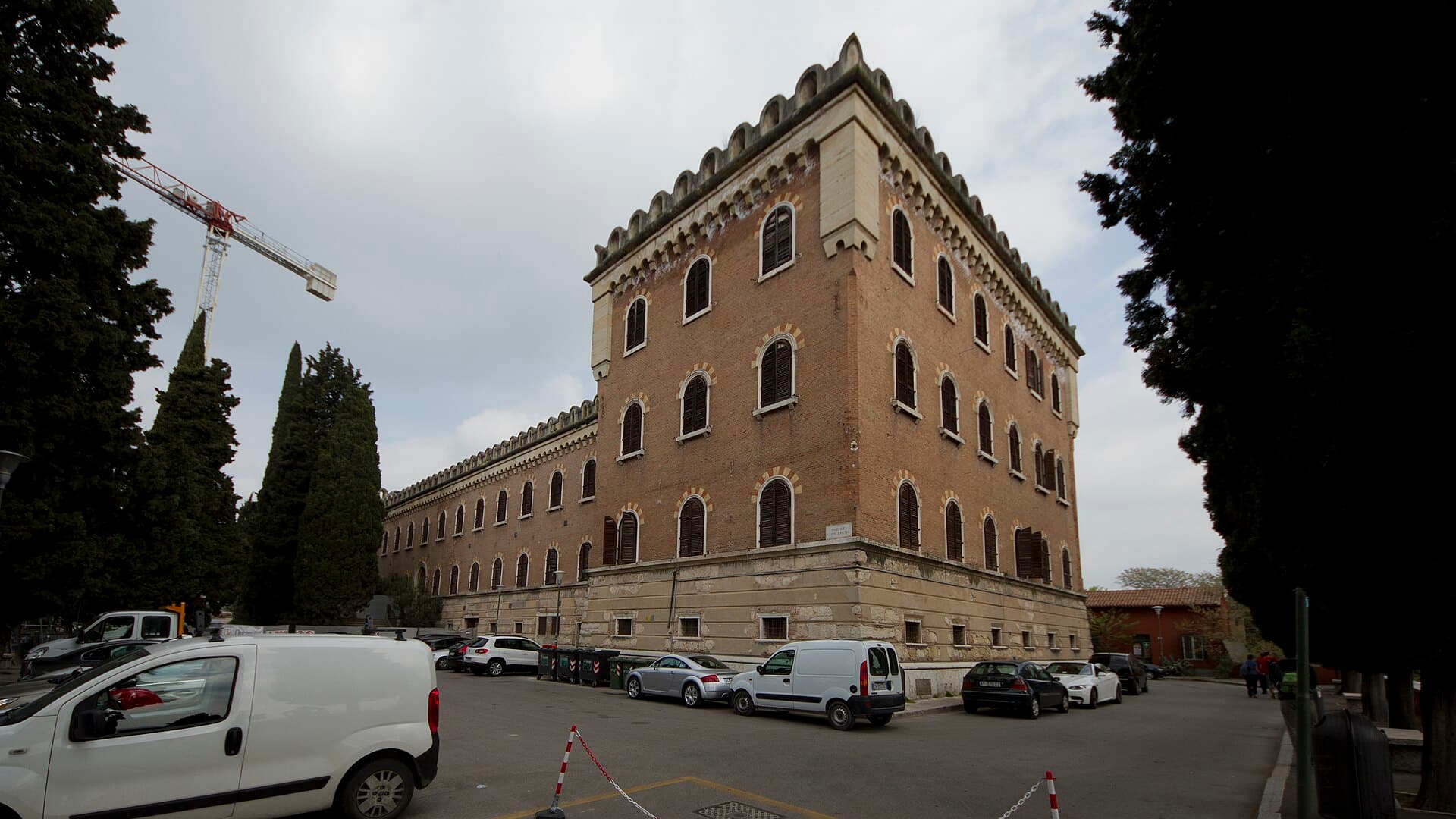 Castel San Pietro TerraceOn the hill where Verona was born — where the Romans set their first temple abov3 minutes walk4.8
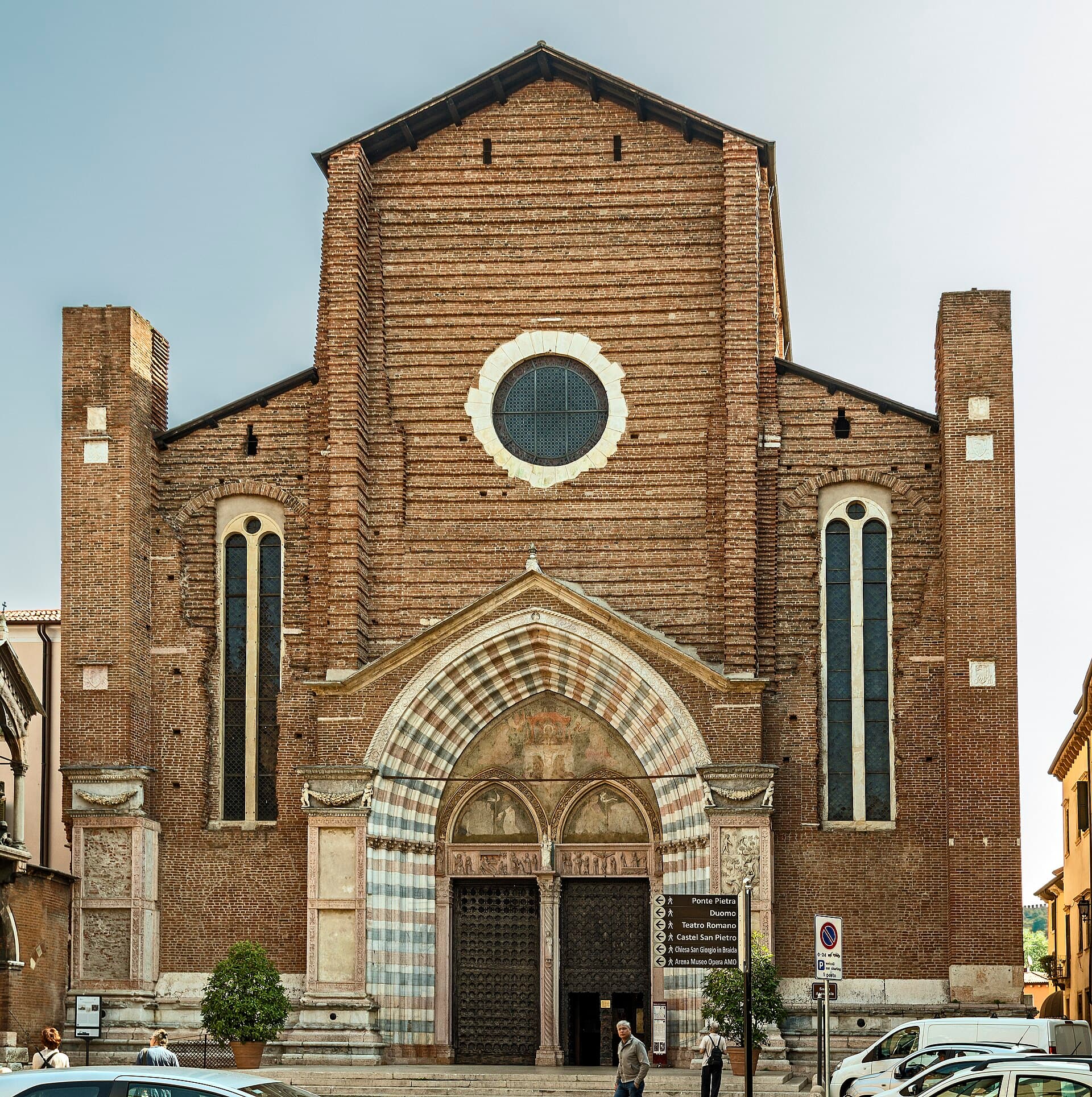 Basilica of Santa AnastasiaSeven centuries on, Verona's largest church still has no face. Bare brick rises 4 minutes walk4.6
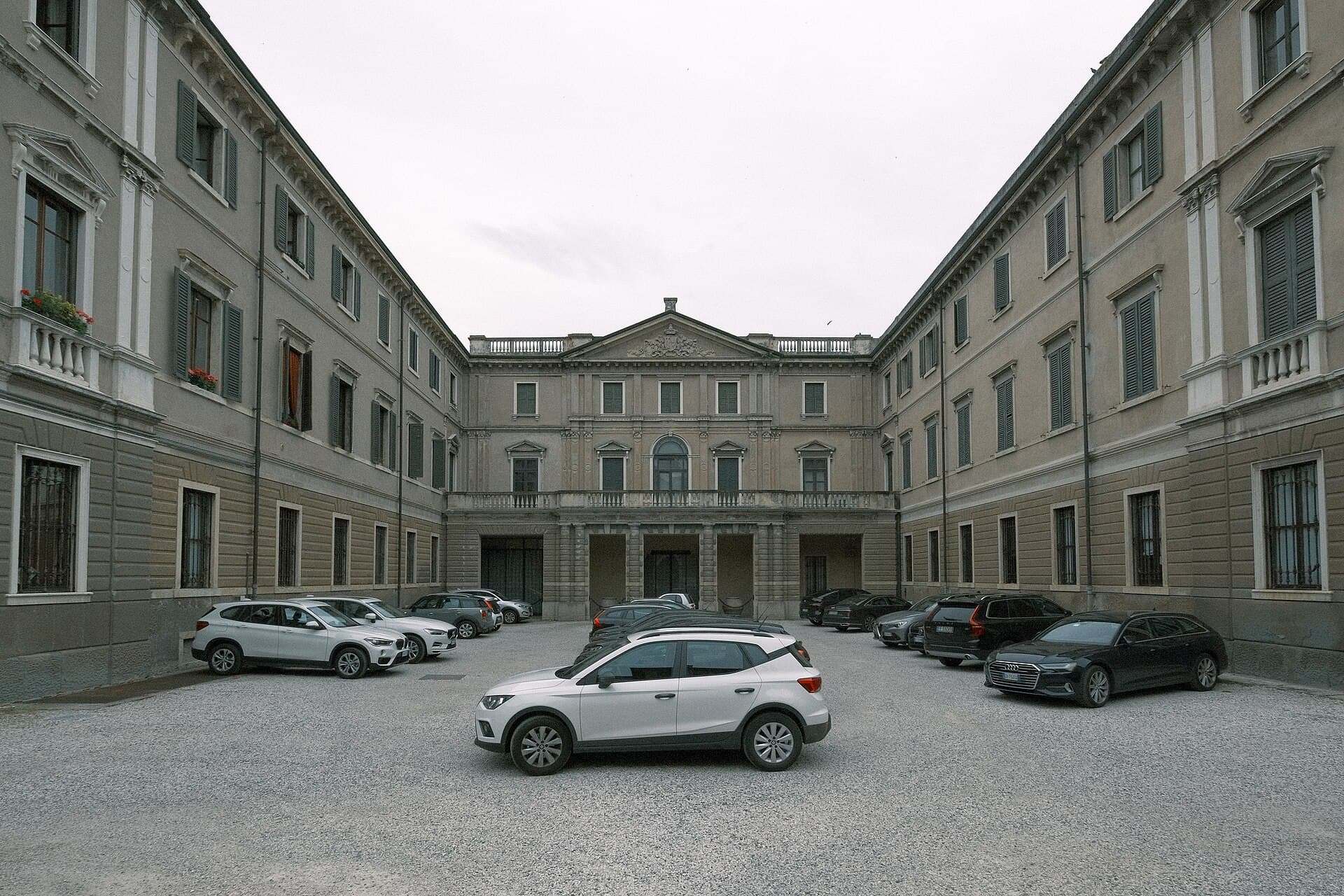 Miniscalchi-Erizzo MuseumOn a narrow lane off Via Garibaldi there is a facade still carrying the remains 5 minutes walk4.7
Because Verona counted its bridges as kin, not infrastructure: after the demolition the city refused a "better" modern bridge and insisted on the original — stones dredged, numbered, repositioned, gaps alone filled in declared new stone. The decision became a restoration school; its crenellated brother at Castelvecchio was returned the same way.
The Castel San Pietro terrace — Verona's premier panorama — reached by a one-minute funicular for two euros or ten shaded minutes of steps, with the Roman theatre at the foot, its museum and summer performances: bridge, hill and theatre one evening's trilogy.
Its summer sunset belongs to the whole world — bear the crowd, it earns it, or take the secret alternative: its utterly empty sunrise, light rising behind the hill — the Verona moment the hurried never meet.