
The viaduct sky garden
An 1892 iron viaduct the National Trust turned into a garden above the city, free when open; closed for maintenance until autumn 2026, with the full-length extension delayed past its summer 2026 target.
Carroll Pierce — CC BY-SA 2.0 · Peter McDermott — CC BY-SA 2.0 · Bob Harvey — CC BY-SA 2.0 · Bob Harvey — CC BY-SA 2.0
In under ten minutes on foot you can stand on the footprint of a Roman fort built around AD 79, cross the world's first industrial canal, pass the oldest surviving passenger railway station on earth, and do it all beneath a tangle of Victorian iron viaducts so dense they read like the ceiling of a second city. This is Castlefield, the south-western corner of central Manchester and the first place Britain ever called an Urban Heritage Park, back in 1982. There is no gate, no ticket and no closing time: walk in from any side and start. The oldest layer is Mamucium, the Roman fort that gave the city its name. What stands today is a gateway and a stretch of wall rebuilt on the original footings; it is small and takes a quarter of an hour, but nowhere explains better why Manchester exists here at all. The second layer is the Bridgewater Canal basin of 1761, ringed by revived brick warehouses and crossed by the white, bowed Merchants' Bridge that appears in every photograph of the district. The third is the Science and Industry Museum on Liverpool Road: free, open daily 10:00-17:00 (closed 24-26 December and 1 January), with a free online ticket recommended rather than compulsory, and the one stop here that can swallow half a day with children. Its historic 1830 Station is currently shut for restoration with no reopening date announced, so do not plan the visit around it. The newest star is the 1892 Castlefield Viaduct, which the National Trust has turned into a garden in the sky. Entry is free, and in a normal season it opens in daytime hours on most days of the week, mostly on a walk-up basis with booked slots at some times. One caveat for 2026: the garden closed over the summer for maintenance and for preparatory works on its extension, and the Trust does not expect it to reopen before autumn 2026, with no date confirmed. Until now the garden covered only about a third of the viaduct's length; the extension along the full 330-metre span, originally due by summer 2026, has slipped, so check the National Trust page before promising it to the children. A frank word for our readers: the basin is lined with pubs and bars, and on summer evenings and weekends it gets loud and crowded. The comfortable family version is a daytime one: museum, then fort, then the towpaths and the viaduct garden if it is open, and away before dusk. The paths are mostly level and pushchair-friendly, and the Deansgate-Castlefield tram stop and Deansgate railway station sit on the district's edge. In winter the light is gone by half past four and the towpaths are wet; that is the season for the museum, not for wandering.
An 1892 iron viaduct the National Trust turned into a garden above the city, free when open; closed for maintenance until autumn 2026, with the full-length extension delayed past its summer 2026 target.
A gateway and wall rebuilt on the footings of the fort of around AD 79 that gave Manchester its name; small, but this is where the story starts.
The world's first industrial canal (1761) with its brick warehouses and white bowed bridge; the district's best photograph, by day rather than by night.
Liverpool Road / Castle Street, Castlefield, Manchester M3
 Science and Industry MuseumThe world's first inter-city passenger train left from exactly this spot in 18303 minutes walk4.3
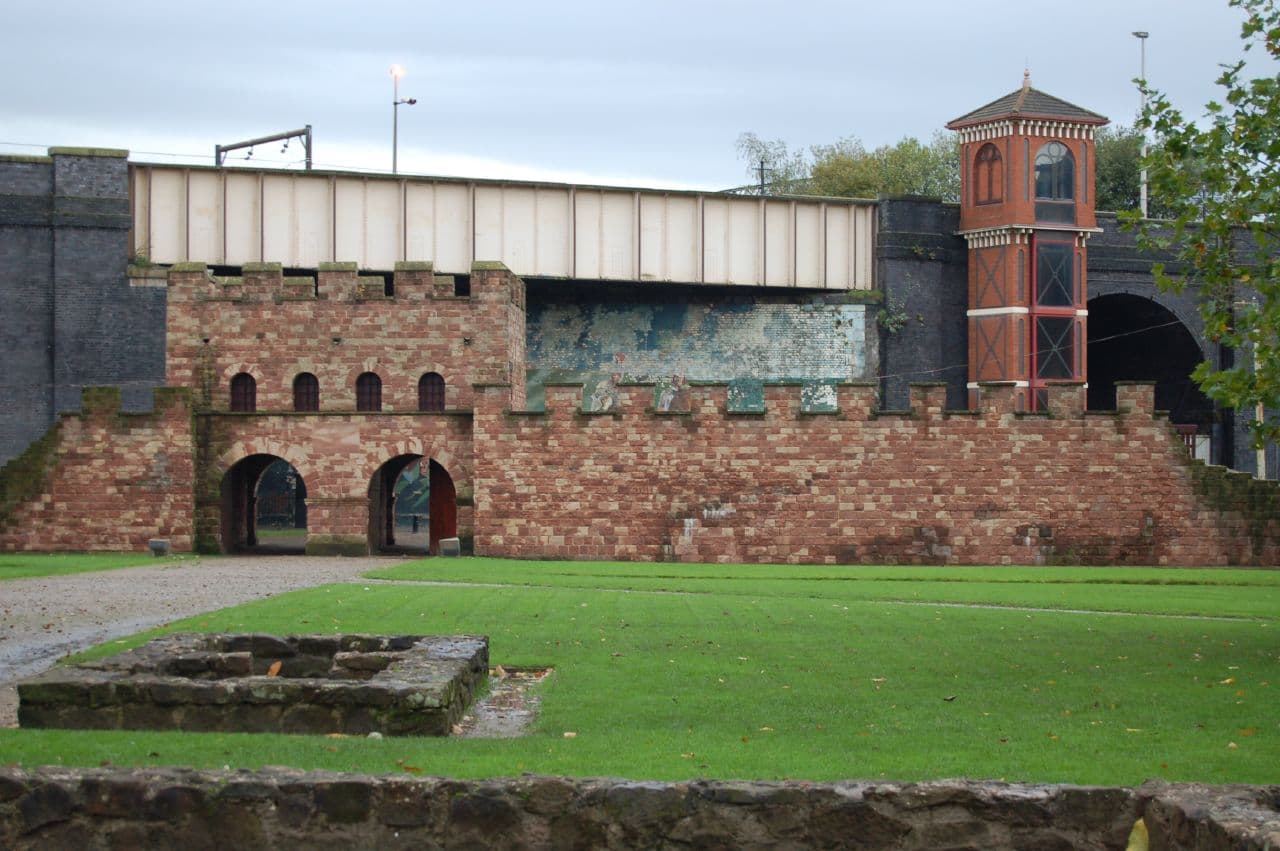 Mamucium Roman FortThe first half of the word Manchester traces back to this patch of ground. A sma4 minutes walk4.1
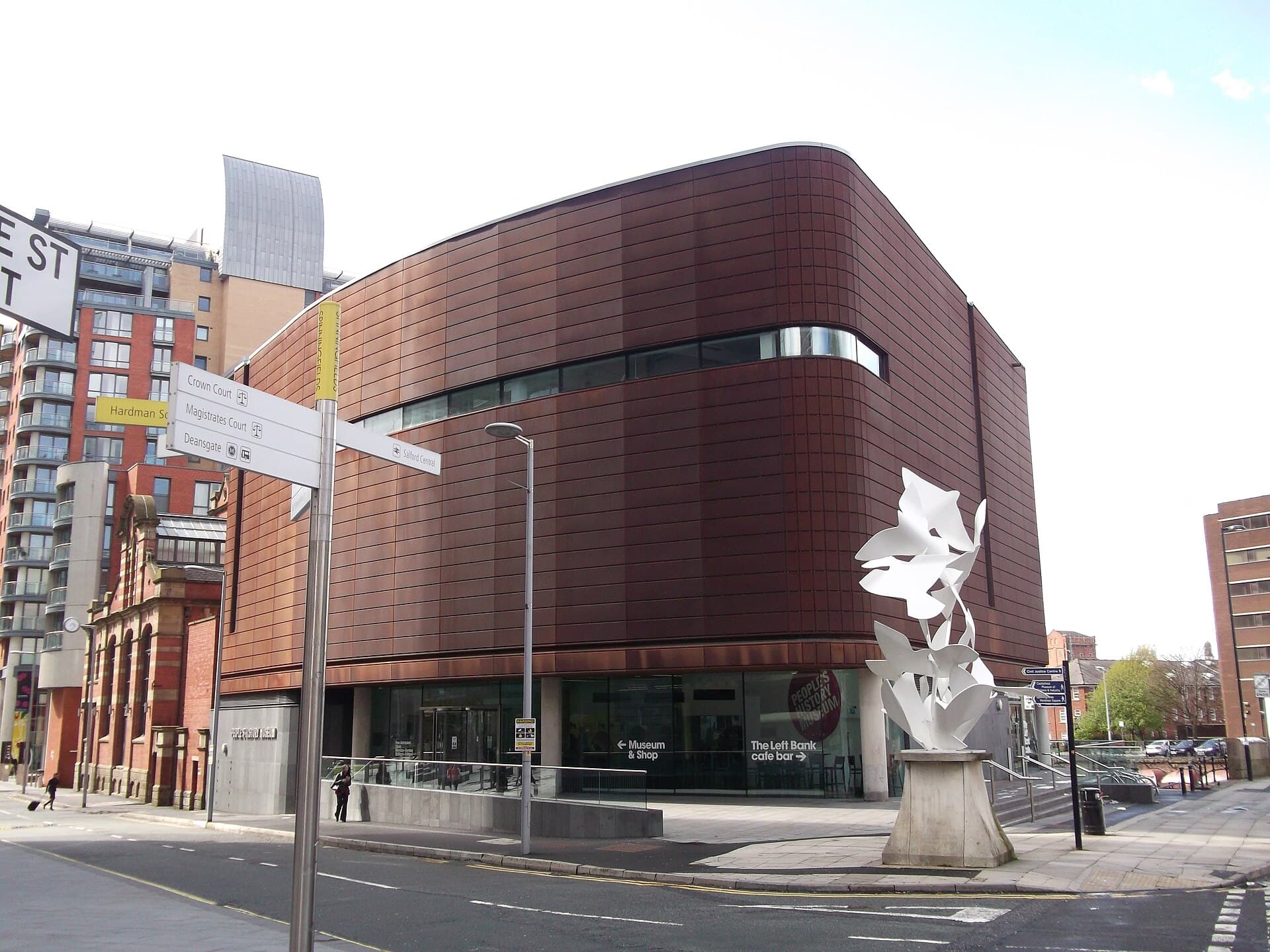 People's History MuseumThe largest collection of trade-union banners on earth, more than four hundred o9 minutes walk4.6
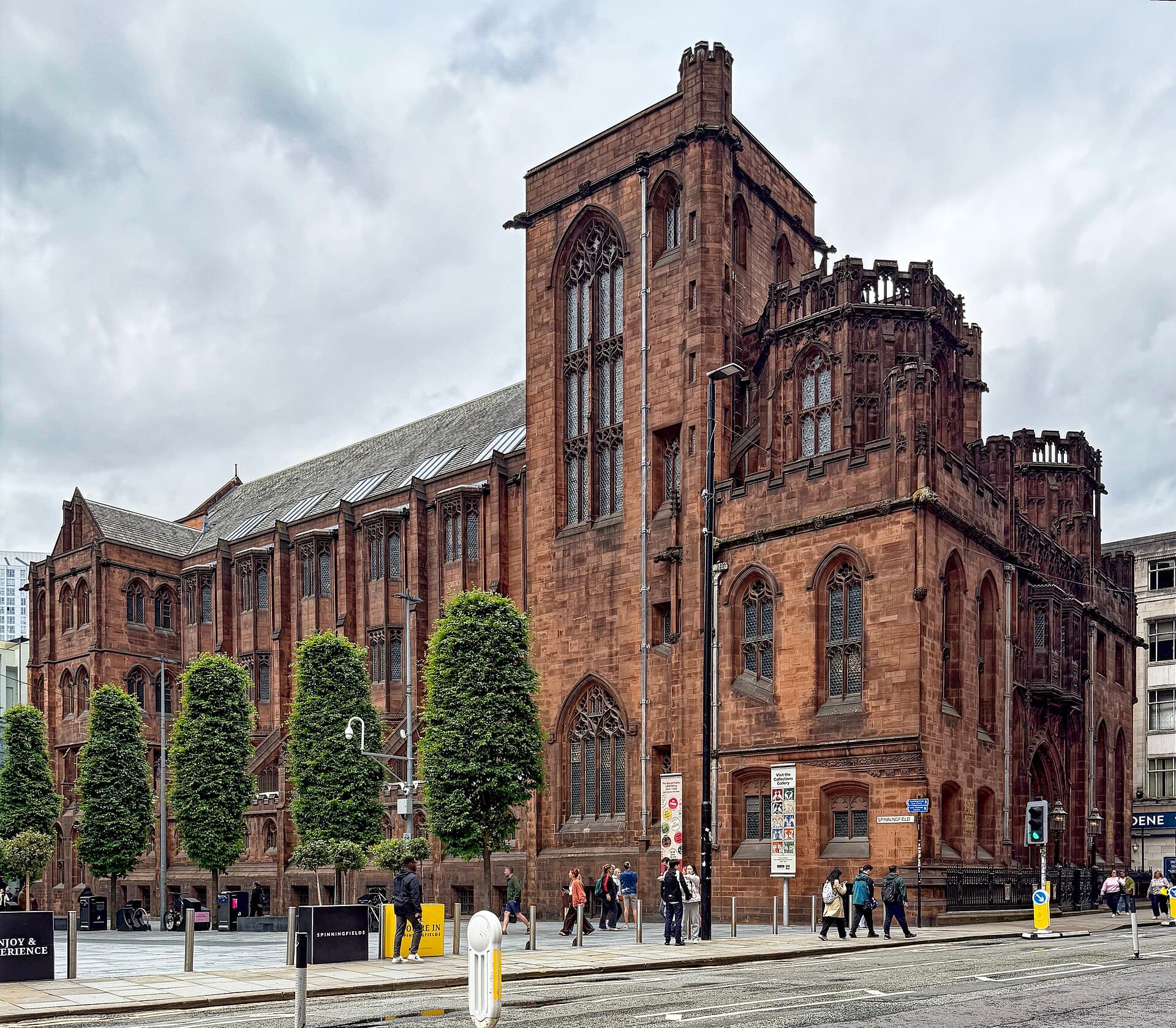 John Rylands LibraryHalfway along Deansgate, between the shops and restaurants, stands what looks li9 minutes walk4.9
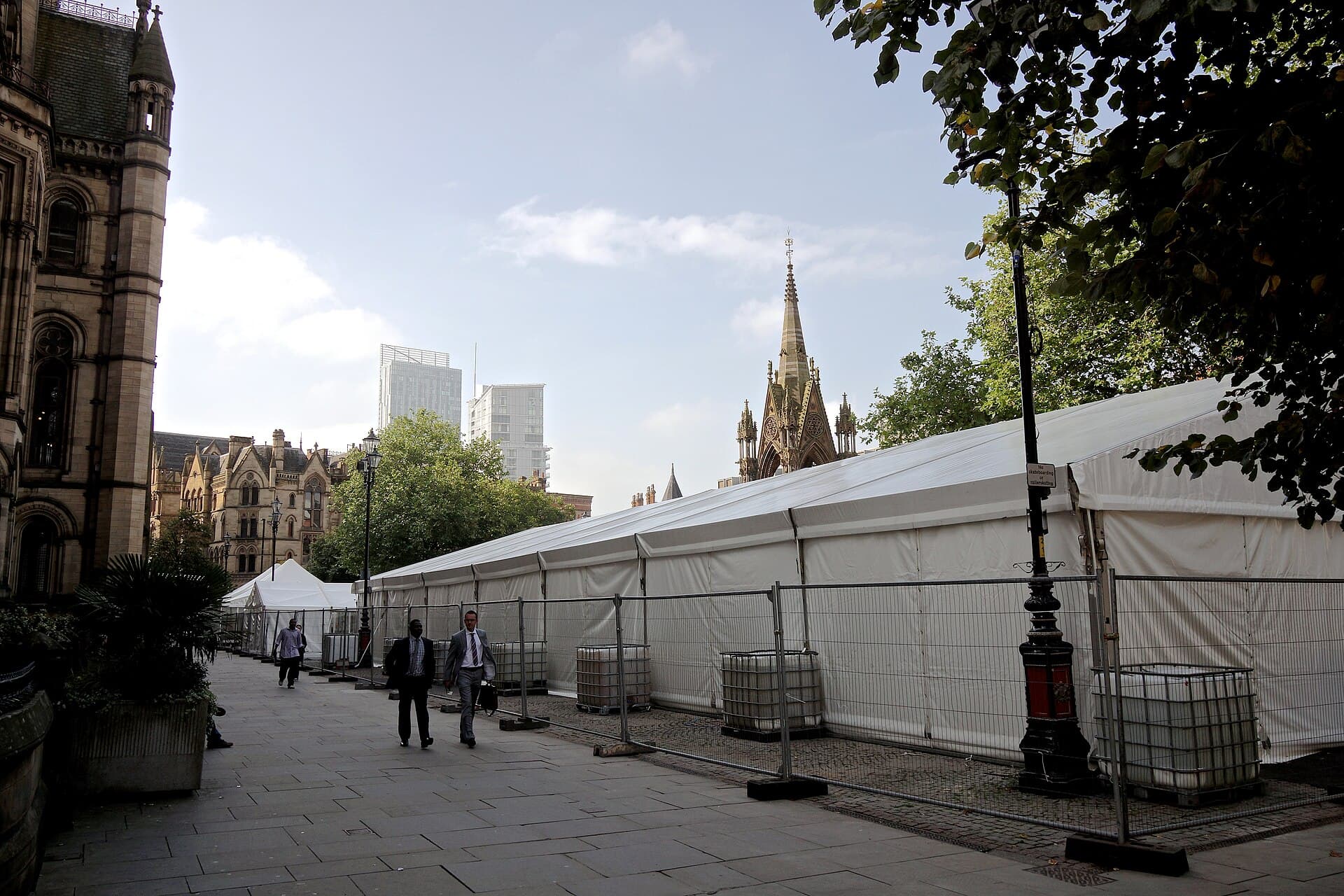 Albert SquareManchester got its Albert Memorial up years before London did. The Gothic canopy10 minutes walk4.3
The museum is the big draw for children, but Castlefield is literally at its door, so give it an extra hour: the Roman fort, a stroll along the canal and the climb to the viaduct garden if it has reopened. Do not set aside a full day for it, and do not come on a summer evening looking for a family sit-down; the bars own the basin then.
The district, the fort and the towpaths are free with no booking. The Science and Industry Museum is free and recommends a free online ticket without requiring one; in the summer holidays it is worth booking a day or two ahead. The viaduct garden is free too but is closed for maintenance until autumn 2026; once it reopens, check the National Trust site for opening days and whether slots need booking.