
Banded basalt on a grand scale
Forty-two rooms of cut black basalt striped with white limestone, the biggest example of the Diyarbakır house you can walk through.
İbrahimtrn00 — CC BY-SA 4.0 · Dosseman — CC BY-SA 4.0 · Dosseman — CC BY-SA 4.0 · Dosseman — CC BY-SA 4.0
Forty-two rooms, two courtyards, an elliptical pool and a stable: this is the largest house still standing inside the walls of old Diyarbakır. Ahmet Cemil Paşa, a former governor of Yemen and mutasarrıf of Siirt, raised it between 1888 and 1902 on roughly 2,000 square metres in the Ali Paşa quarter, a short walk from the southern walls. The cut black basalt is banded with white limestone in the manner that sets Diyarbakır houses apart from every other Ottoman town, but here on a scale no other house open to visitors comes close to. The plan follows the classic division into harem and selamlık, and each wing is split again into summer and winter halves: the family moved between rooms with the seasons rather than between houses. The selamlık has an elliptical pool set in a rectangular frame under the iwans, the courtyards have enough tree shade to make standing in them at an August midday survivable, and the stone rooms stay cool when the street outside is past forty degrees. The family did not enjoy the place for long. Implicated in the 1925 Sheikh Said rising, they were exiled and left the house in 1927; after a second wave of exile in 1936 it became a primary school, then a silk-rearing and weaving workshop with rooms let out as shops, then stood abandoned from the 1970s until the Metropolitan Municipality restored it between 2010 and 2013 for around 5.5 million lira and opened it in April 2014, with the city-museum displays completed the following year. The exhibits are modest and honest: eighteen sections on Diyarbakır's cuisine, crafts, music, schooling, farming and water, told through black-and-white photographs, family papers and household objects, with touchscreens and QR codes on the pieces. Half an hour is plenty for the cases; it is the rooms and courtyards you will remember. Entry is free with no booking, the courtyards and ground floor are level, and the upper rooms are reached by a stone staircase. Its position at the south-western edge of the old town makes it a natural stop on a walk along the walls: Mardin Gate and the Keçi Burcu tower are minutes away on foot, and Behram Paşa Mosque is close by. One plain warning: the museum stayed locked for a long stretch after the 2015-16 curfew in Sur, and its running has shifted with changes of municipal administration. The posted hours are Tuesday to Sunday 09:00-17:00, closed Monday, so ask at your hotel or at Mardin Gate before making a special trip.
Forty-two rooms of cut black basalt striped with white limestone, the biggest example of the Diyarbakır house you can walk through.
An oval pool set in a rectangular frame beneath the iwans, where guests were received through the summer heat.
Old photographs, papers and household objects on Diyarbakır's cuisine, crafts and music, with touchscreens and QR codes.
Ali Paşa quarter, Binici Sokak, Sur
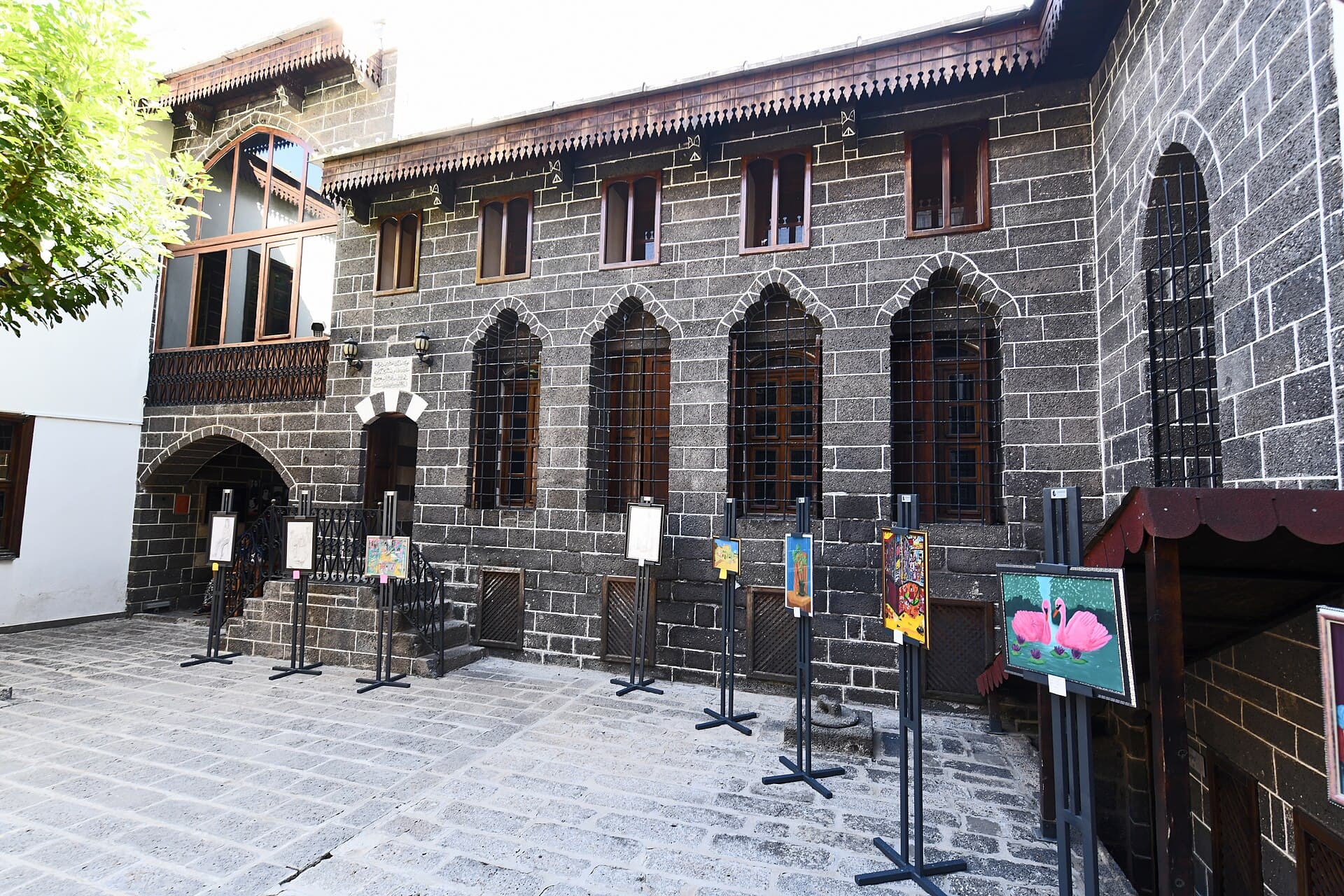 Ziya Gökalp MuseumDown a narrow lane off Melik Ahmet Caddesi, a couple of hundred metres south-wes4 minutes walk
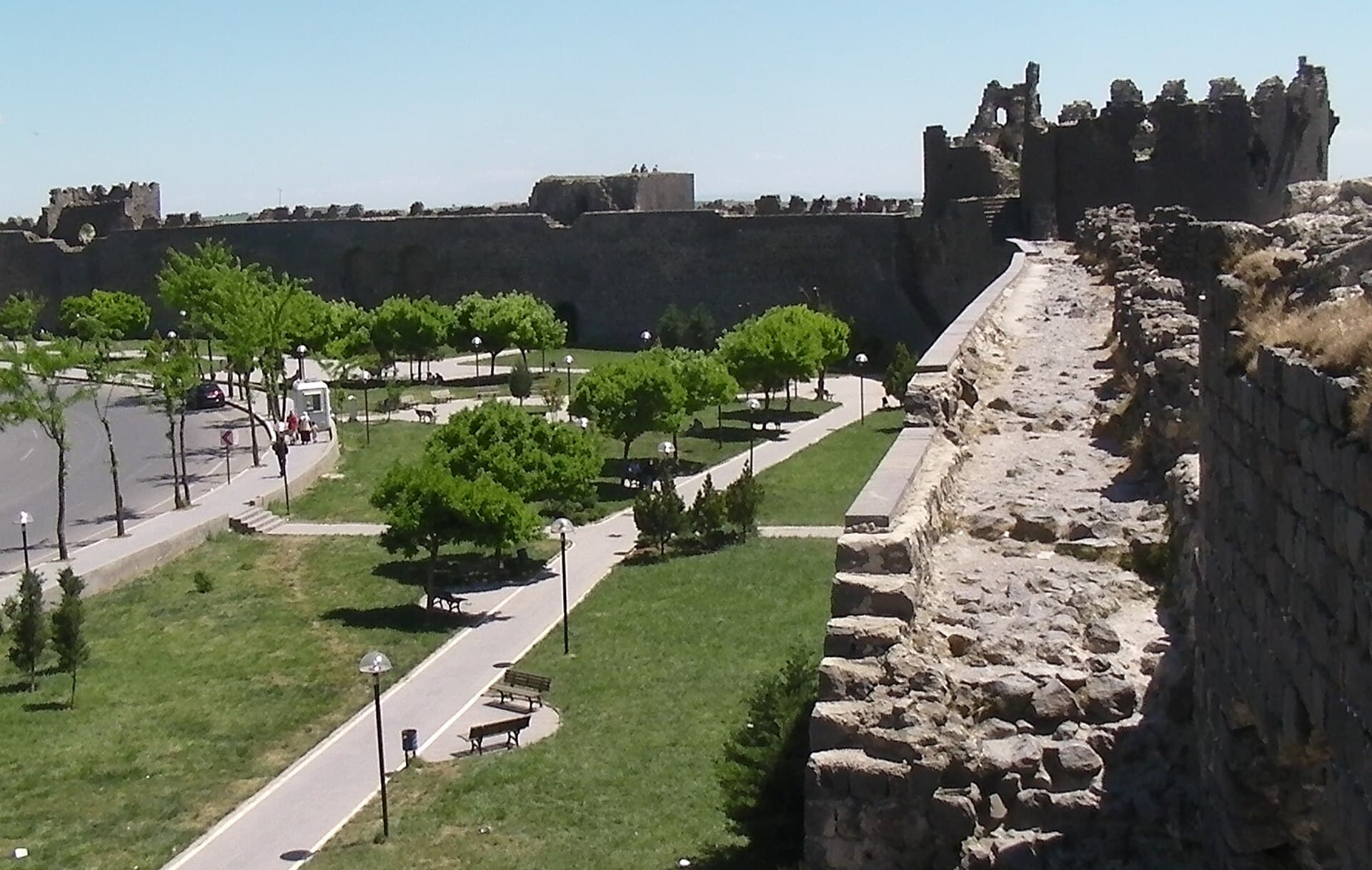 Suriçi Old TownBehind a black basalt wall nearly six kilometres round, with 82 towers and four 5 minutes walk
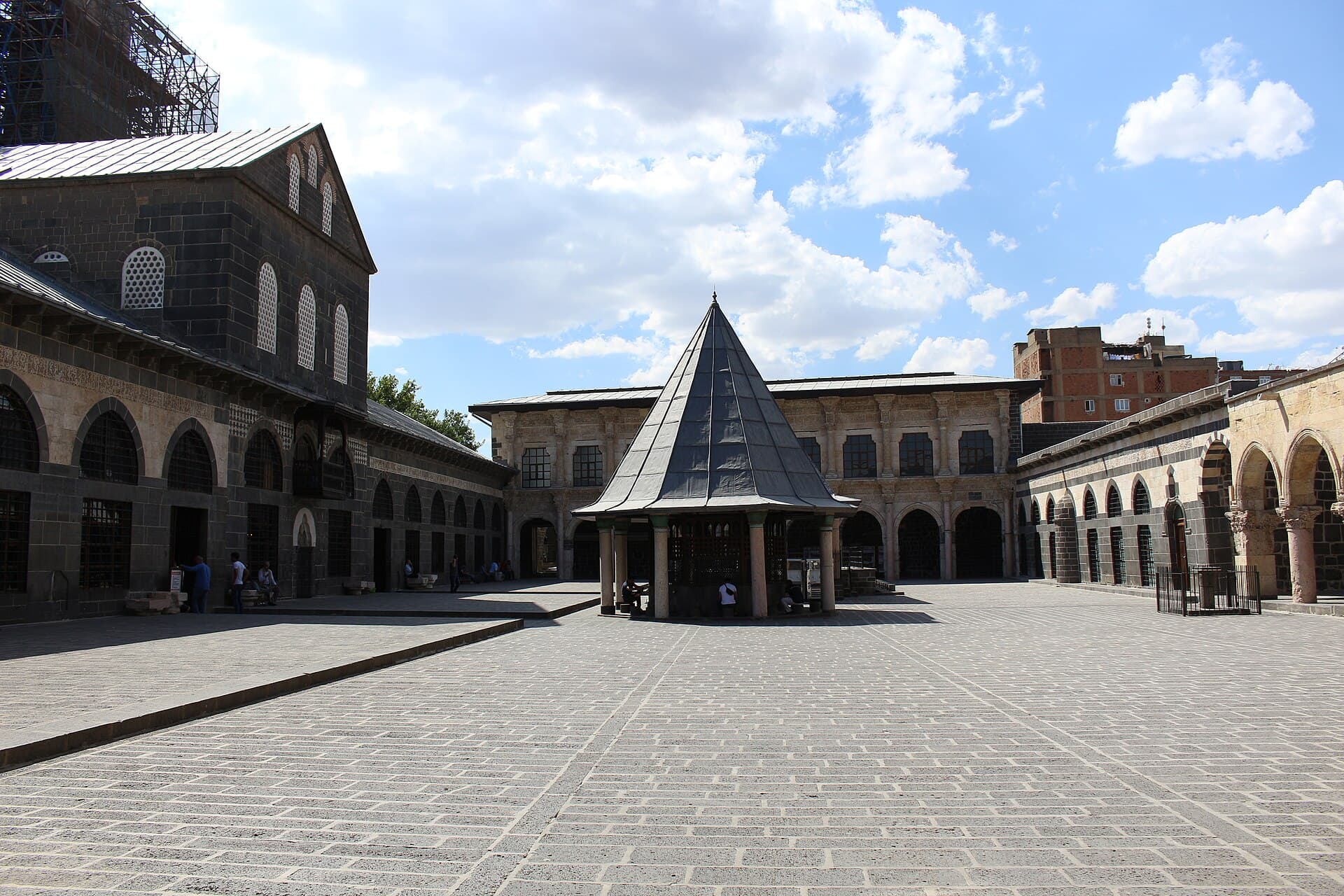 Great Mosque of DiyarbakırThe oldest mosque in Anatolia stands a few steps from Diyarbakır's old bazaar, a6 minutes walk
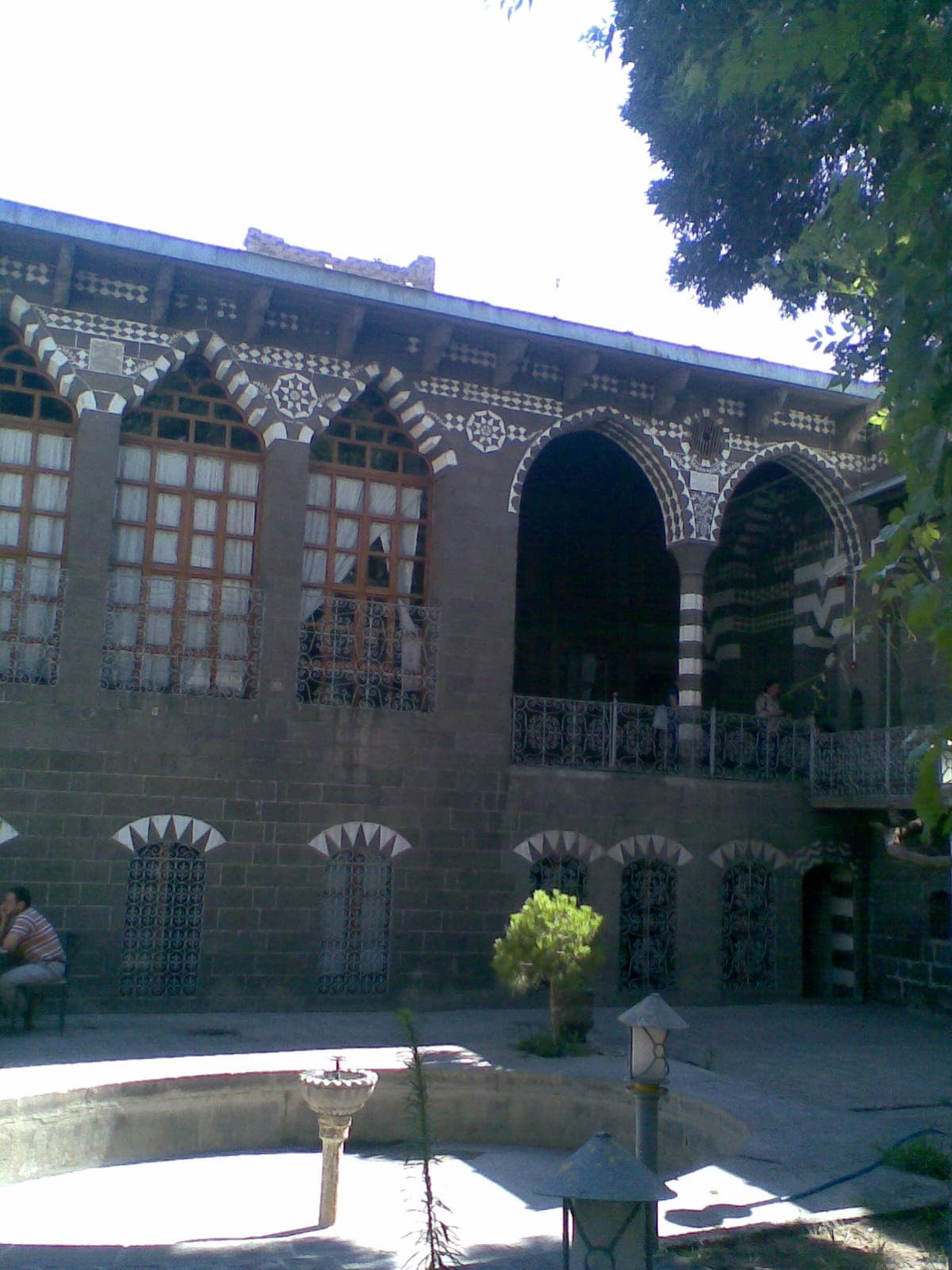 Cahit Sıtkı Tarancı MuseumA black-basalt house built in 1733, in which a Turkish poet was born in the autu7 minutes walk
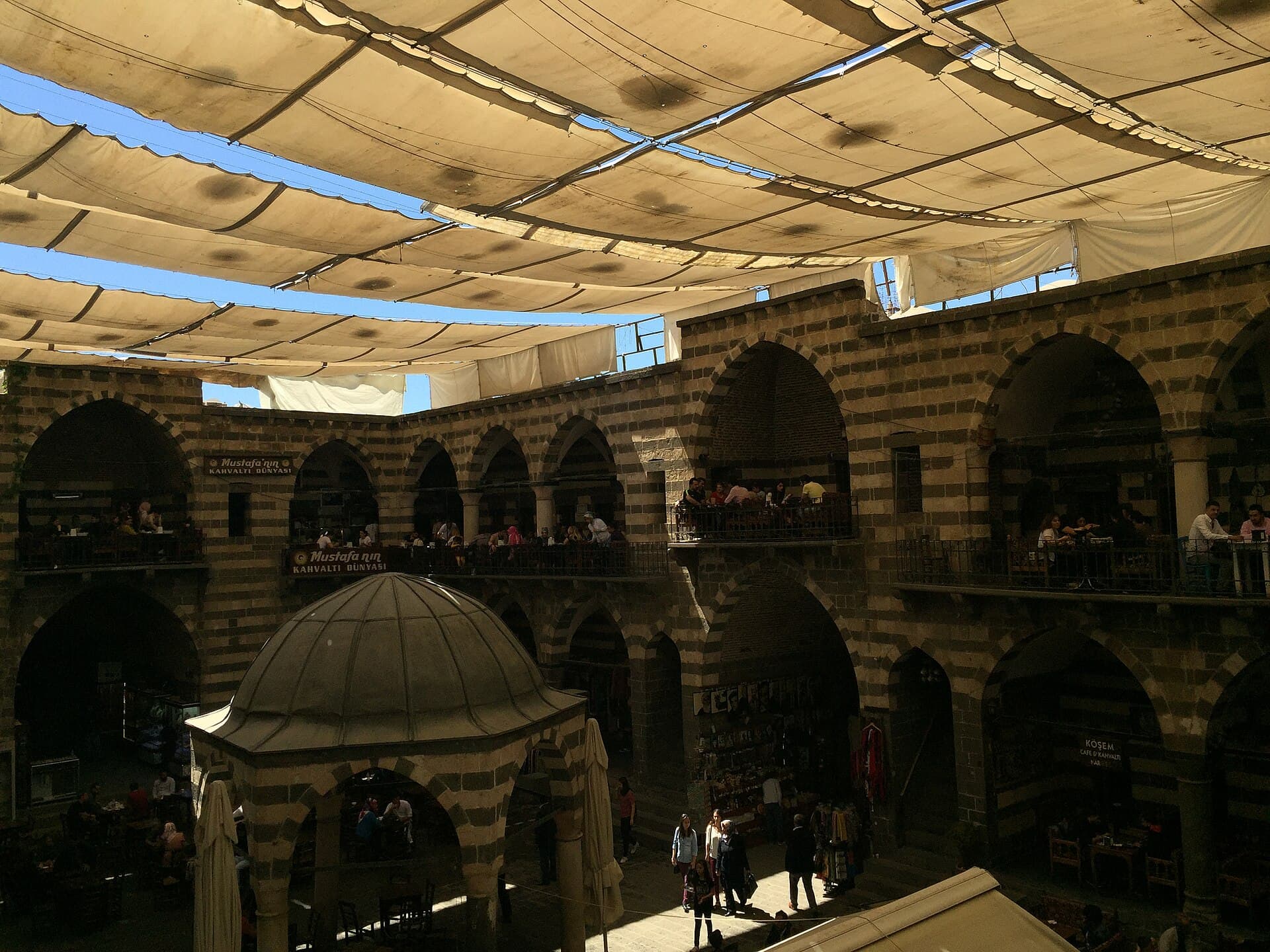 Hasan Paşa HanBefore the city is fully awake, the smell of tea and hot bread is already drifti7 minutes walk
Do not make it a priority: the walls, Keçi Burcu, the Great Mosque and Hasan Paşa Han come first. But it is free and on the way to Mardin Gate, and thirty minutes covers the courtyards and the pool. If you go inside just one basalt house in the city, make it this one, the largest of them all; if you have already seen the Cahit Sıtkı Tarancı or Ziya Gökalp houses, it is the same experience at a bigger scale.
No booking and no ticket. Posted hours are Tuesday to Sunday 09:00-17:00 with Monday closed, but it is a municipal museum that has been shut for long stretches and changes hands with the administration, so do not make a special trip in winter or on holidays without asking at your hotel first.