
The double view
The Pétrusse west and the Alzette east from one platform.
Flocci Nivis — CC BY 4.0 · Krzysztof Golik — CC BY-SA 4.0 · MadBob — CC BY-SA 4.0 · MadBob — CC BY-SA 4.0
The Citadel of the Holy Spirit is a triangular plateau projecting south of the upper town between the Pétrusse and Alzette valleys, and today an open public terrace giving a view into both valleys at once — which no other point in the city offers. The name comes from a medieval Holy Spirit monastery that stood here. The French, under Vauban, turned it in the seventeenth century into a fortified citadel commanding the meeting of the two valleys, a point hard to attack from three sides. Its visible fortifications were demolished with the rest of the fortress after 1867, leaving the platform and the lower walls. The place today is a levelled public space with trees, benches and paths, and it is where the free rock lift starts, dropping to the Grund in seconds — the single most useful practical feature in the whole old town. The visit is short and free, and folds into a walk between the upper town and the valley.
The Pétrusse west and the Alzette east from one platform.
A free descent to the valley floor in seconds.
Plateau du Saint-Esprit, 1475 Luxembourg
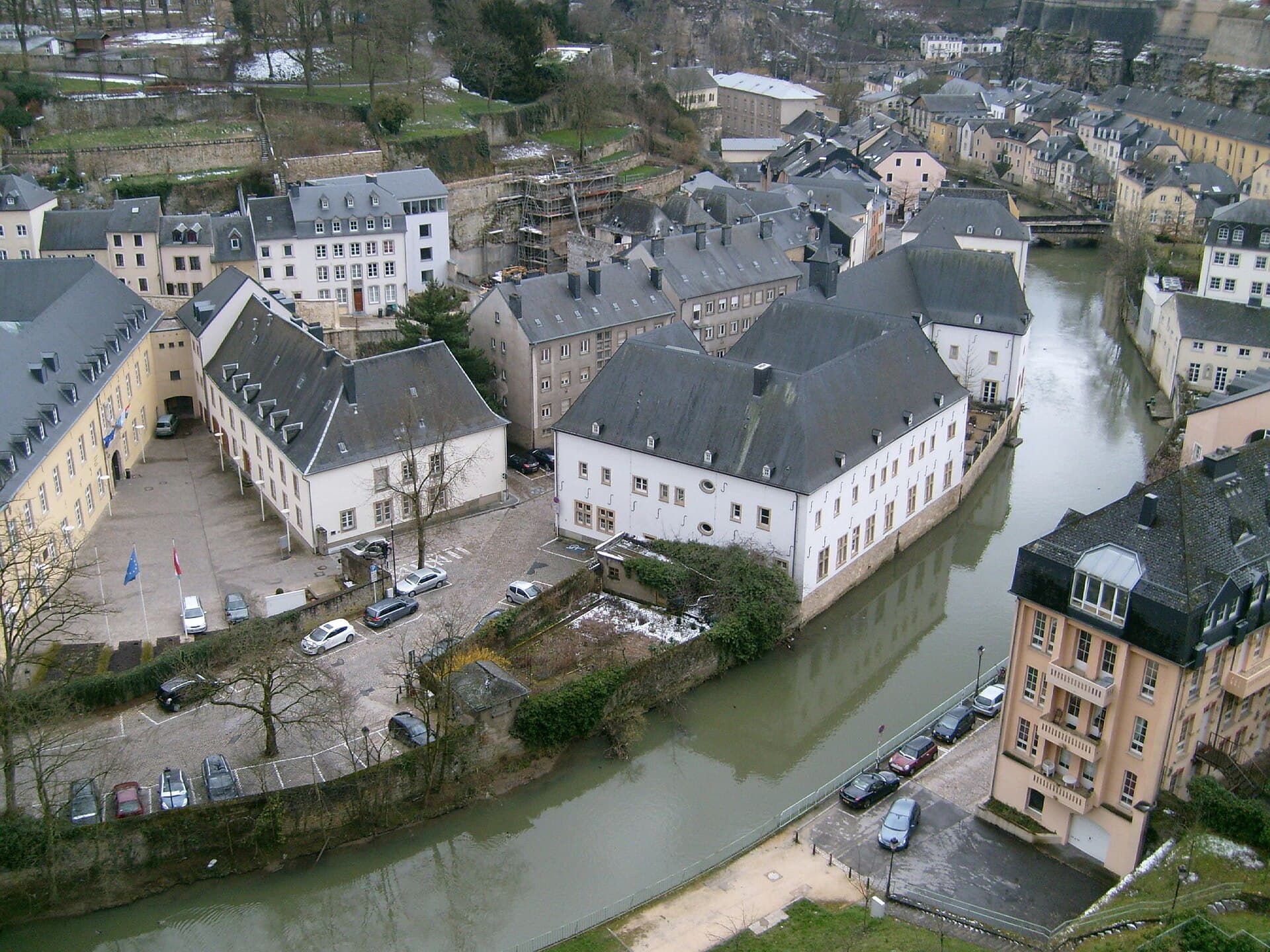 The National Museum of Natural HistoryThe National Museum of Natural History is in the Grund, housed in the former Hos4 minutes walk4.7
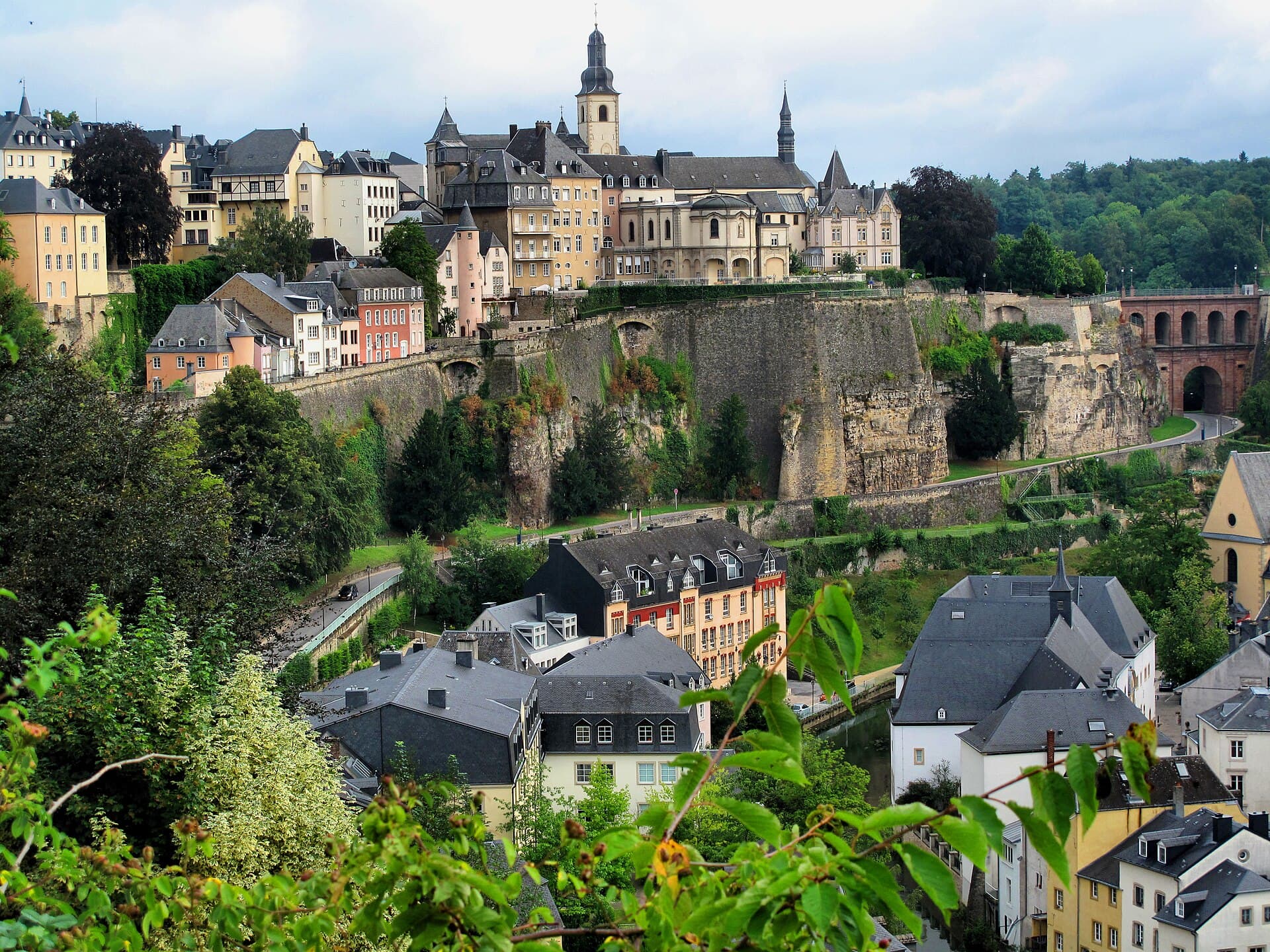 The Chemin de la CornicheThe Chemin de la Corniche is a short walk running along the top of the old rampa4 minutes walk
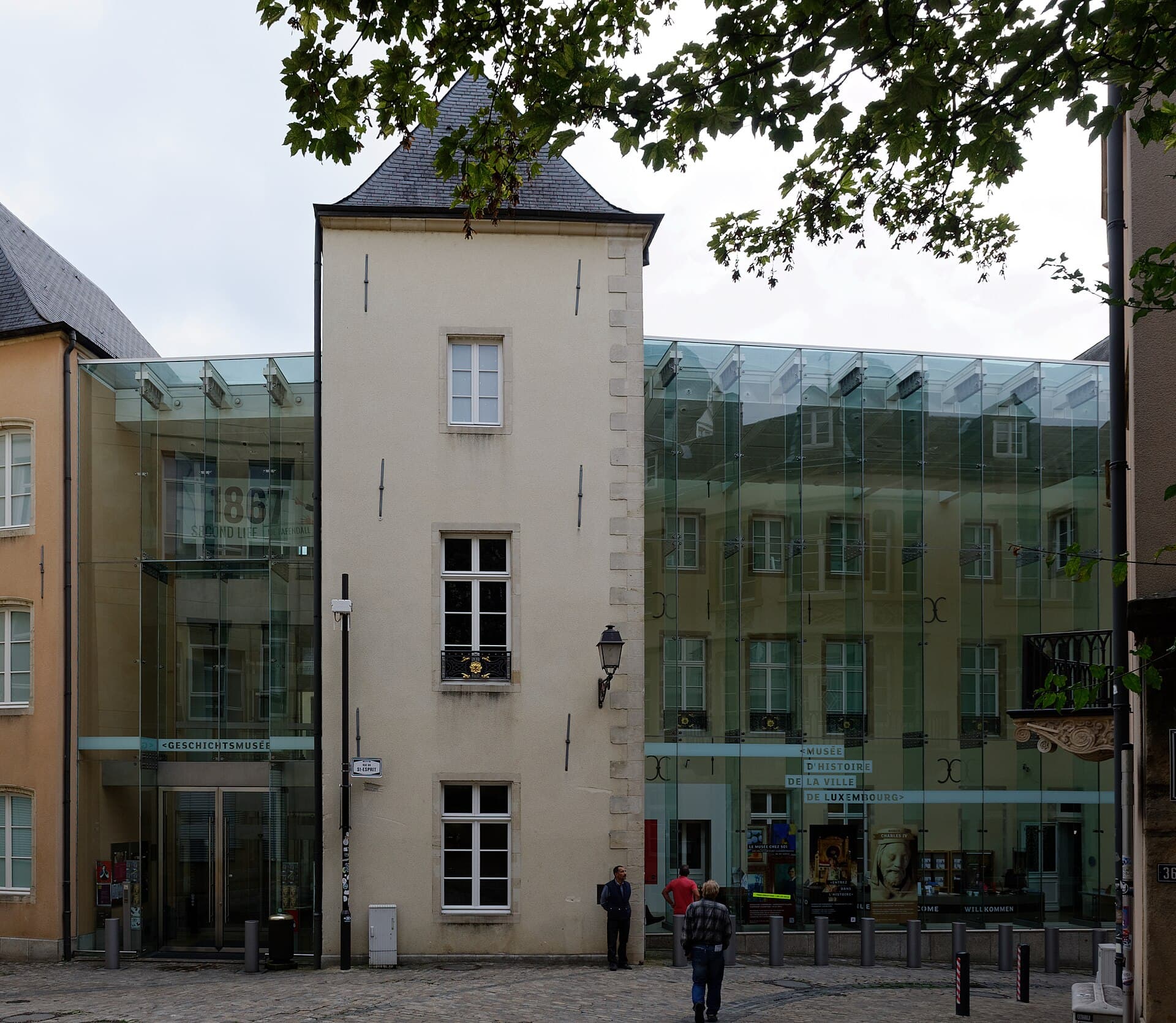 The Luxembourg City History MuseumThe City History Museum occupies four adjoining historic houses in the upper tow4 minutes walk4.7
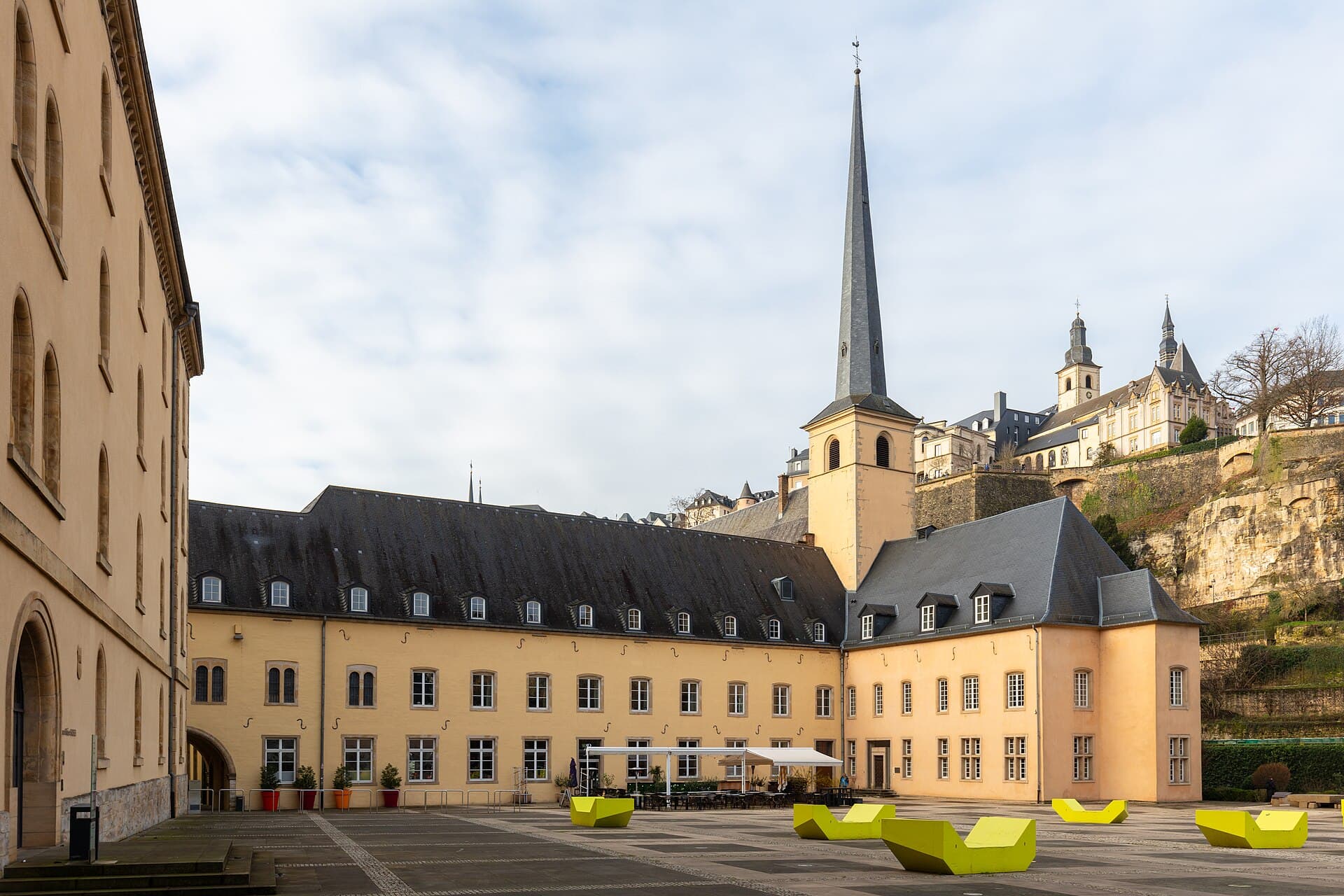 Neumünster AbbeyNeumünster Abbey is a broad white complex on the floor of the Grund valley besid4 minutes walk4.5
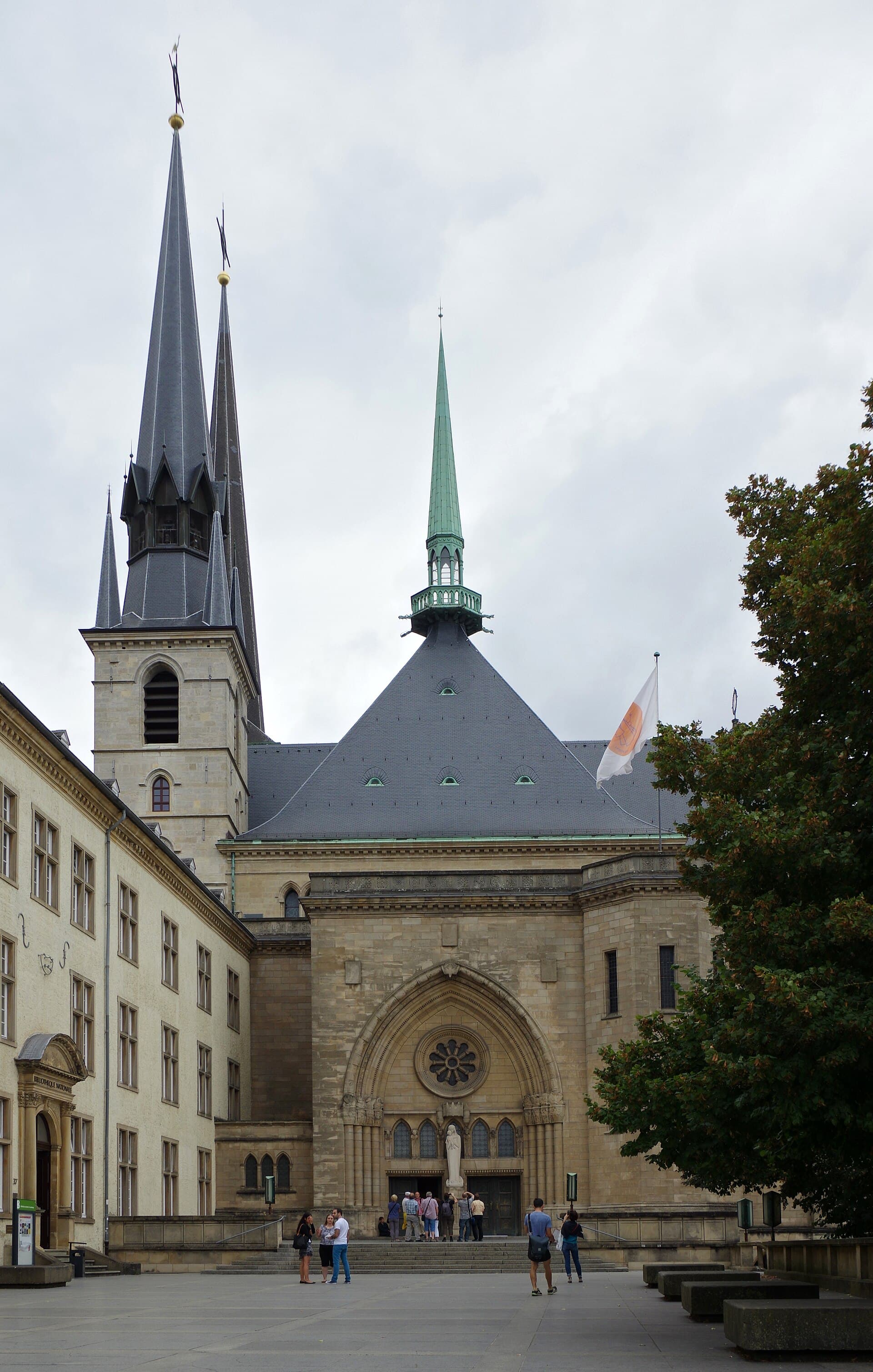 Notre-Dame CathedralNotre-Dame is Luxembourg's principal church, built originally in 1613 as the chu5 minutes walk4.5
Sébastien Le Prestre de Vauban, a French military engineer under Louis XIV and the most famous designer of fortifications in European history — he built or improved more than three hundred sites. After France took Luxembourg in 1684 the king set him to redesign the fortress, and he extended the casemates and added outer forts. What made Luxembourg the Gibraltar of the North was largely his work.