
The 1945 section
A city whose language, population and identity changed within a few years — the museum's strongest part.
Togamek — CC BY-SA 3.0 · Tomasz Gąsior — CC BY-SA 4.0 · Hans Baluschek — Public domain · Mach240390 — CC BY 4.0
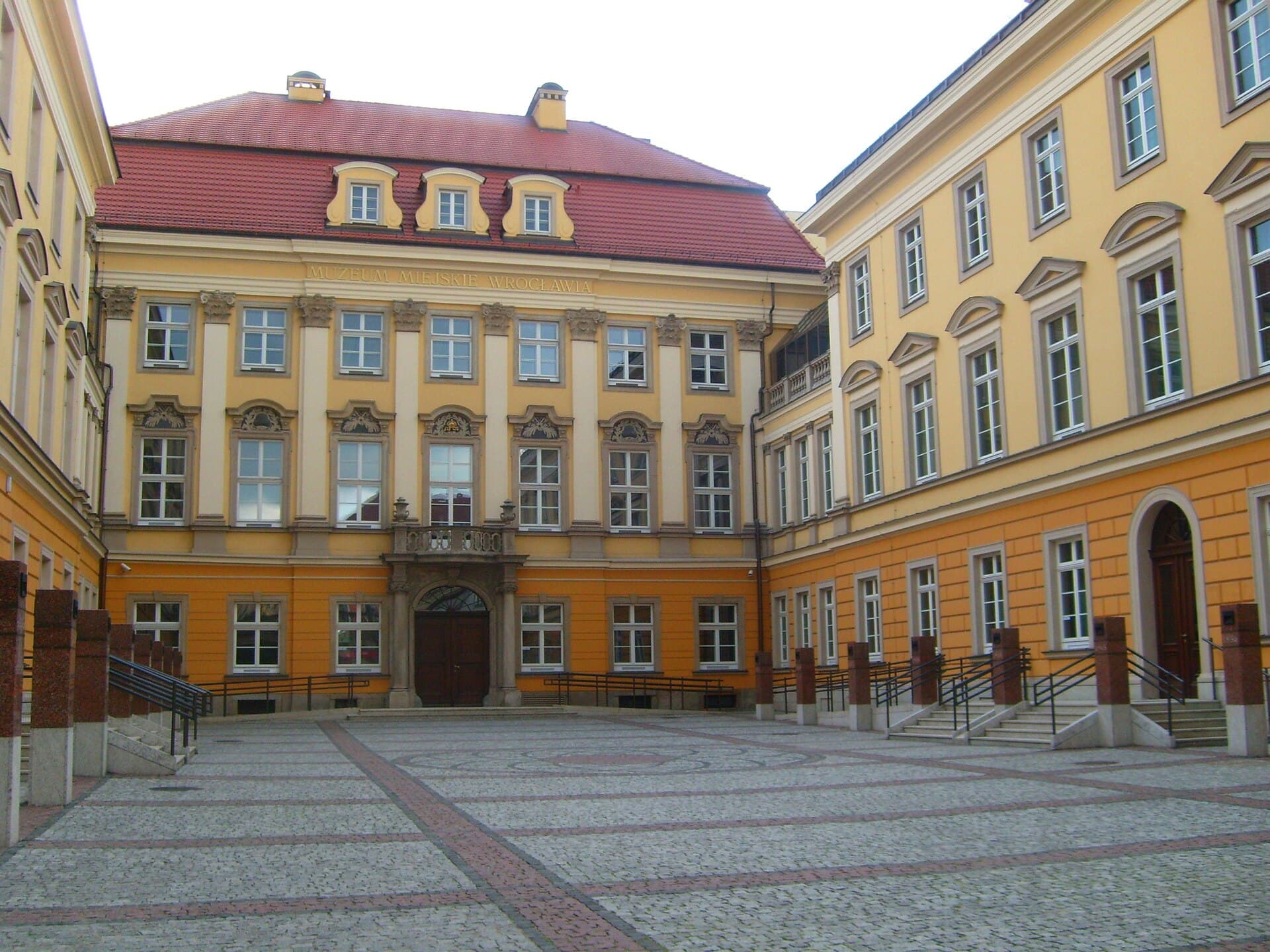
The museum of the city's history, in the Royal Palace in central Wrocław, a Baroque building that served as a residence for the kings of Prussia when the city was known as Breslau. Wrocław's history is what makes this museum matter more than its counterparts: the city was Polish, then Bohemian, then Austrian, then Prussian and German, and returned to Poland in 1945 after being destroyed in the war and having its population almost entirely replaced, as Germans left and Poles displaced from the east arrived. The museum tells that sequence, and its section on 1945 and after is the strongest part: a city whose language, population and identity changed within a few years. Understanding it changes how you read everything else you see in the city afterwards. The palace is worth the visit in itself, with restored royal apartments and an interior garden. The location is central, a walk from the main square.
A city whose language, population and identity changed within a few years — the museum's strongest part.
A Baroque building that housed the kings of Prussia, with restored apartments and an inner garden.
Afterwards you look at the square, the churches and the bridges with a quite different understanding.
Royal Palace, ulica Kazimierza Wielkiego, Wrocław
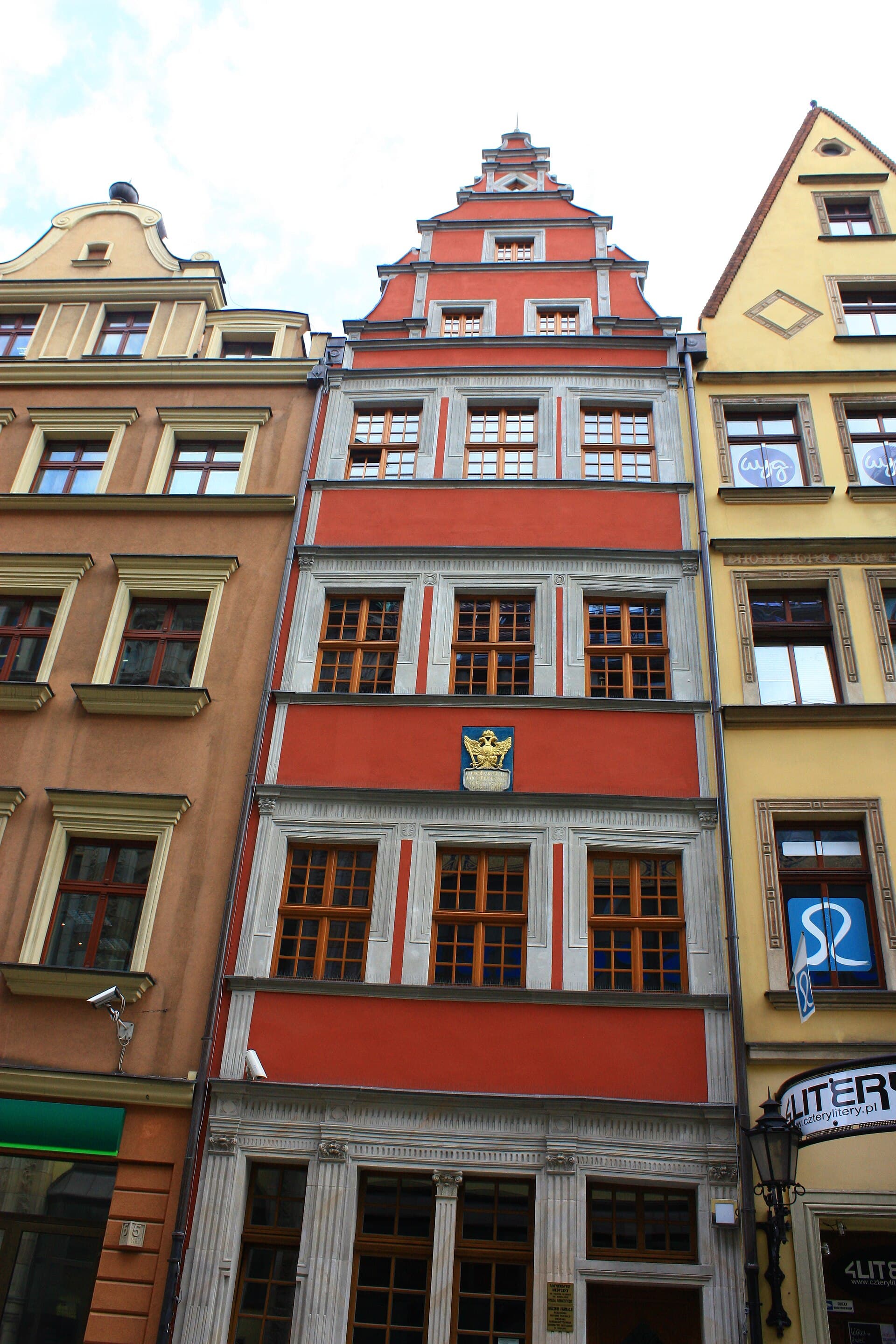 Museum of Pharmacy, WrocławA small museum of Wrocław Medical University, in a historic house near the main 1 minute walk4.6
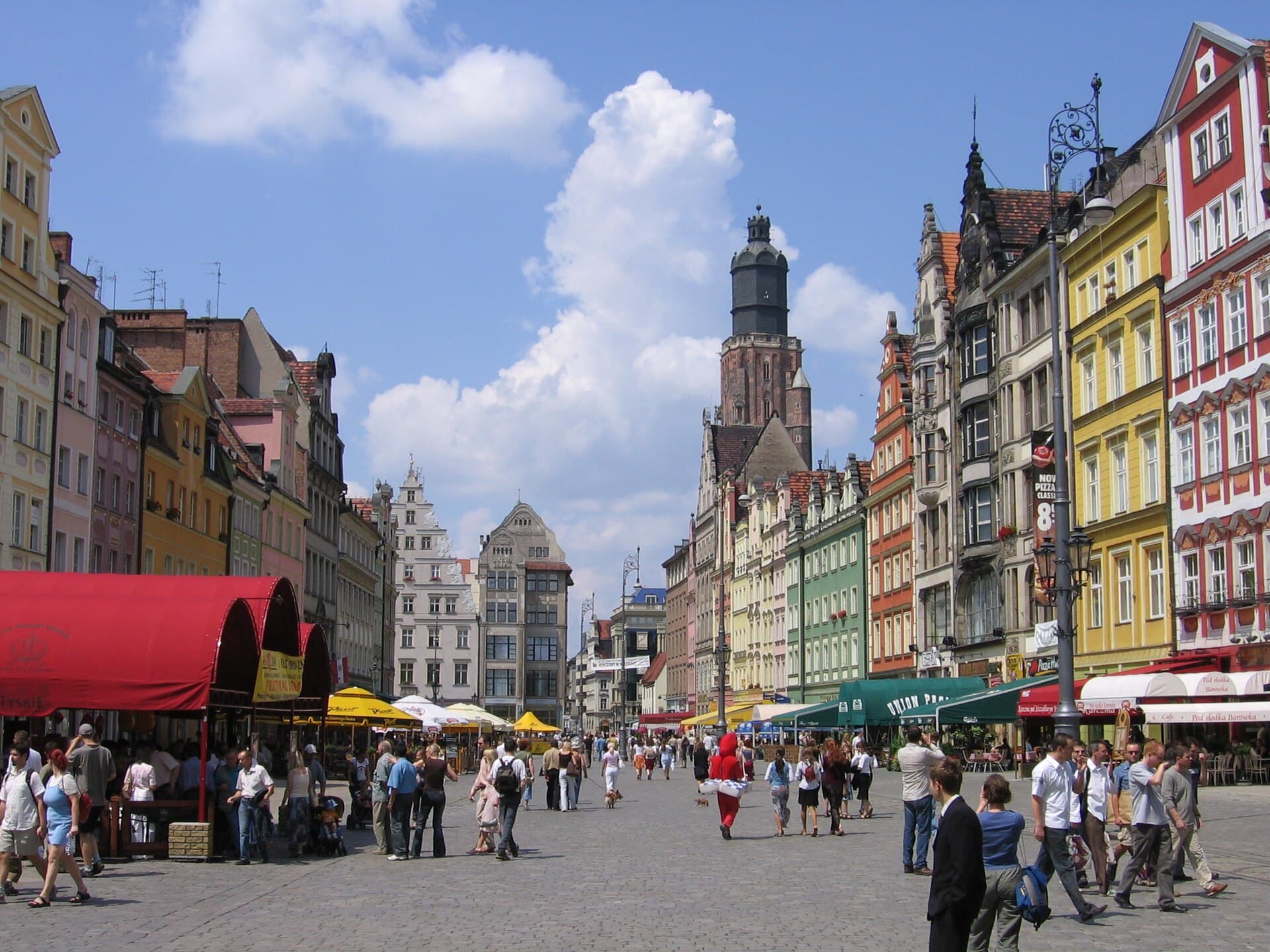 Wroclaw's Rynek & its DwarfsWroclaw's Rynek is Poland's second-greatest medieval square — and its most colou2 minutes walk4.8
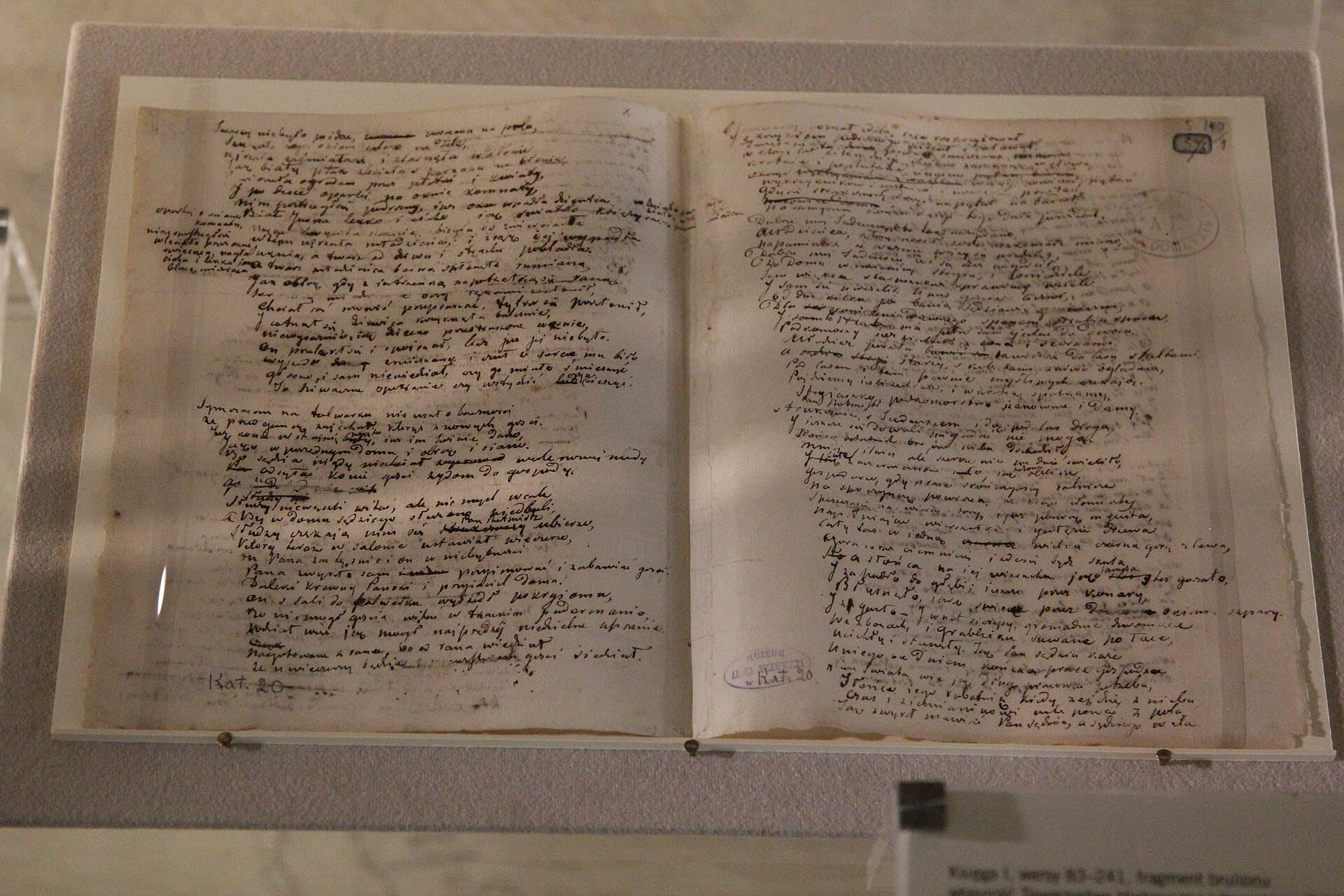 Pan Tadeusz MuseumA museum in a historic house on Wrocław's Main Market Square, built around a sin2 minutes walk4.5
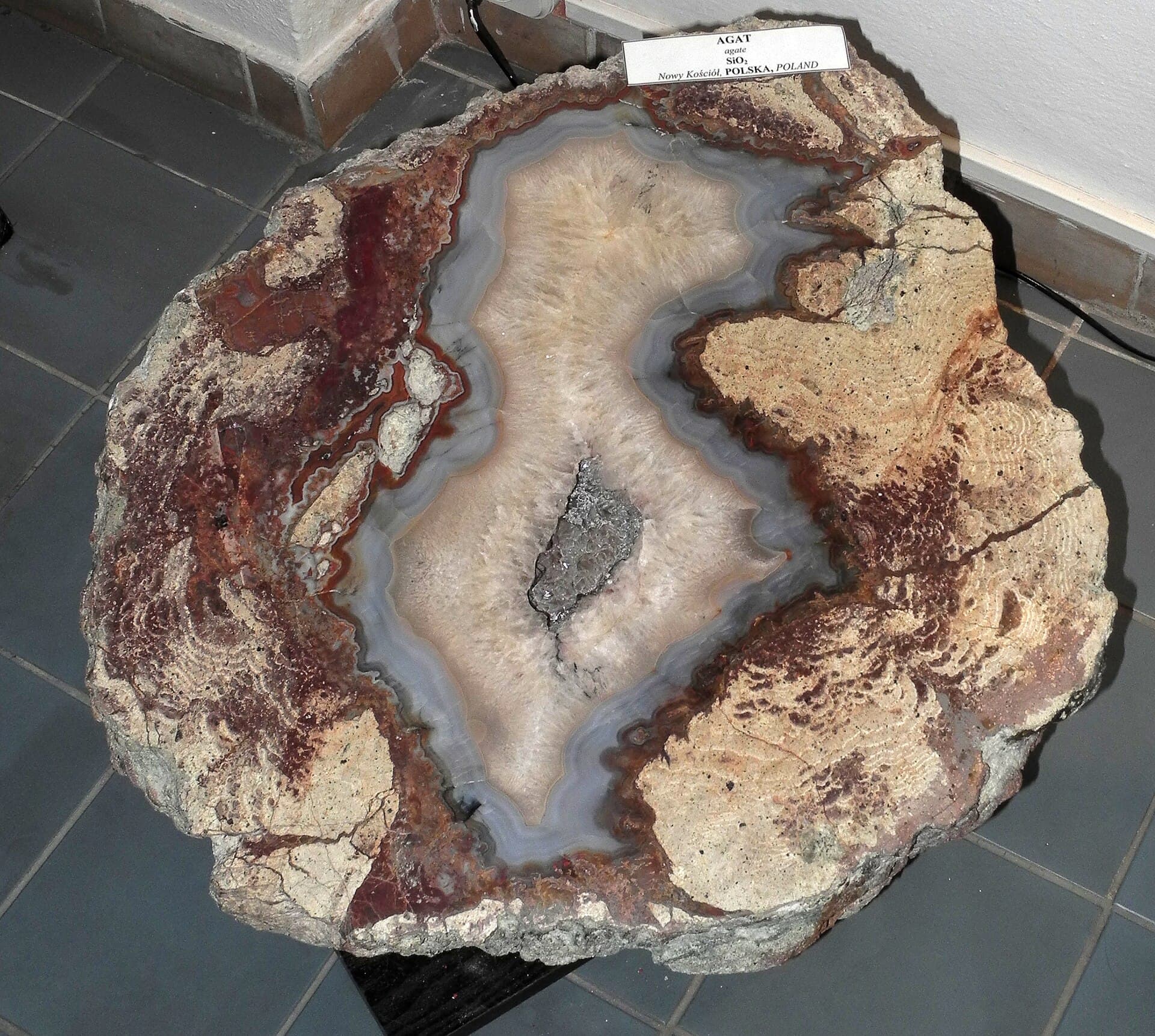 The University Mineralogical MuseumA mineralogical museum belonging to the University of Wrocław, its collections g4 minutes walk4.7
 Museum of Medallic ArtA museum in Wrocław devoted to medallic art, among the few museums anywhere give4 minutes walk4.8
At the start if you can. Wrocław is hard to make sense of without knowing the history of its changing rulers and population, and the museum gives you that context so you read the rest of the city through it rather than seeing pretty buildings with no background.
The main sections carry English alongside Polish, though some detailed text is Polish only. Ask about an audio guide or an English booklet at the entrance if the text matters to you.