
The Town Hall
Poland's finest civic Gothic with its clock.
Public domain · Gerd Eichmann — CC BY 4.0 · Gerd Eichmann — CC BY 4.0 · Gerd Eichmann — CC BY 4.0
Wroclaw's Rynek is Poland's second-greatest medieval square — and its most colour-joyful: rainbow façades around the Gothic Town Hall (1290-1504) with its astronomical clock and stone ornament counted Poland's finest civic Gothic — at its corner the arch-joined houses of Jaś and Małgosia (Hansel and Gretel), St. Elisabeth's tower of 300 steps behind them. Its most famous secret sits below the knees: the krasnale — bronze dwarfs scattered by the hundred (begun 2005 saluting the Orange Alternative movement that mocked communism with painted dwarfs) — a dwarf hauling a cart, a dwarf dousing a lantern, a dwarf at an ATM: hunting them is children's complete obsession, their maps sold — the count past eight hundred citywide. The square rings with cafés and evening music — and Stare Jatki, the old butchers' lanes with their galleries and the droll Slaughtered Animals monument, adjoin: joy is Wroclaw's official temperament.
Poland's finest civic Gothic with its clock.
The arch-joined pair — Hansel and Gretel in stone.
The butchers' lanes as galleries and droll monument.
Rynek, 50-101 Wroclaw
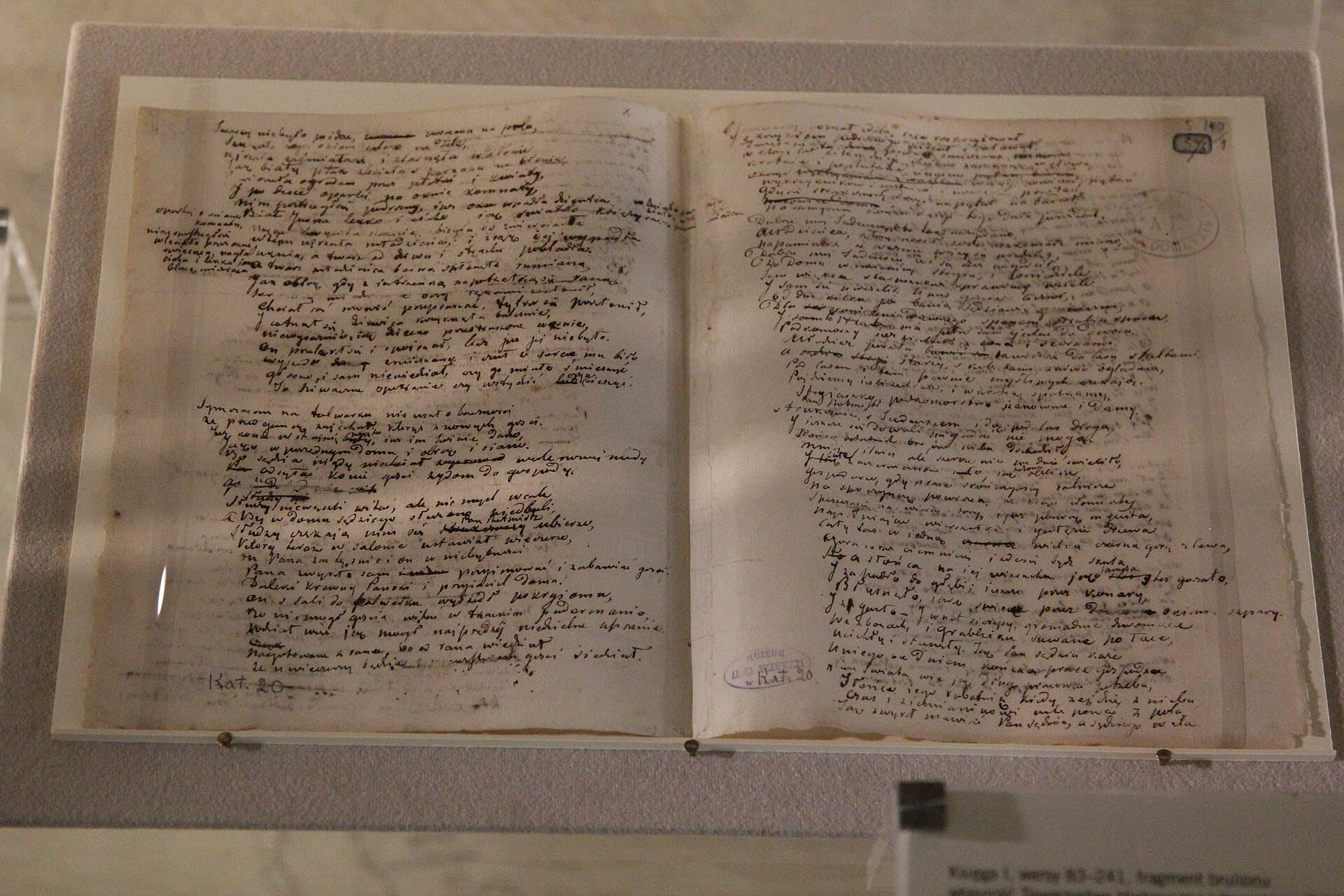 Pan Tadeusz MuseumA museum in a historic house on Wrocław's Main Market Square, built around a sin1 minute walk4.5
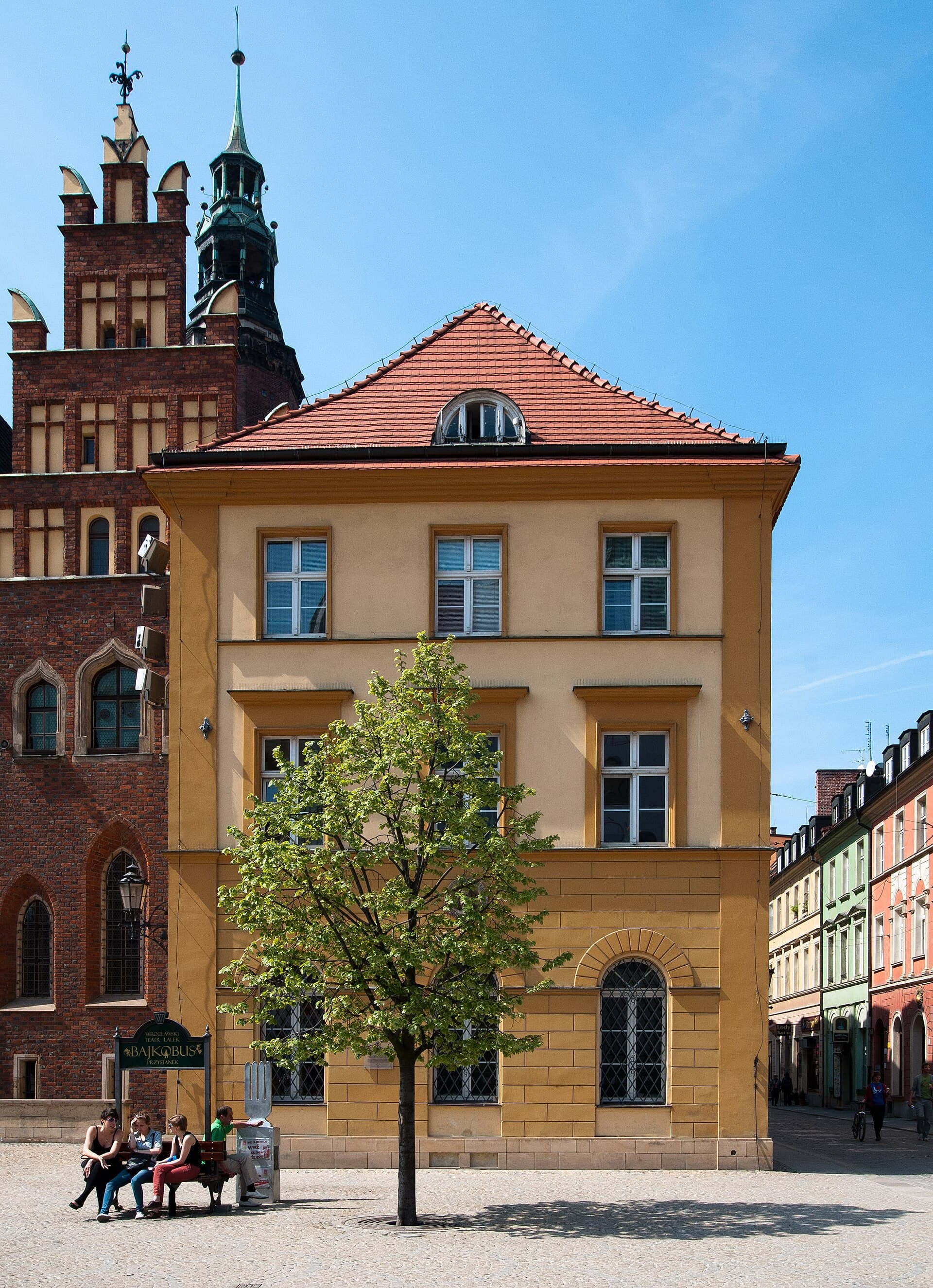 City Museum of WrocławThe museum of the city's history, in the Royal Palace in central Wrocław, a Baro2 minutes walk4.7
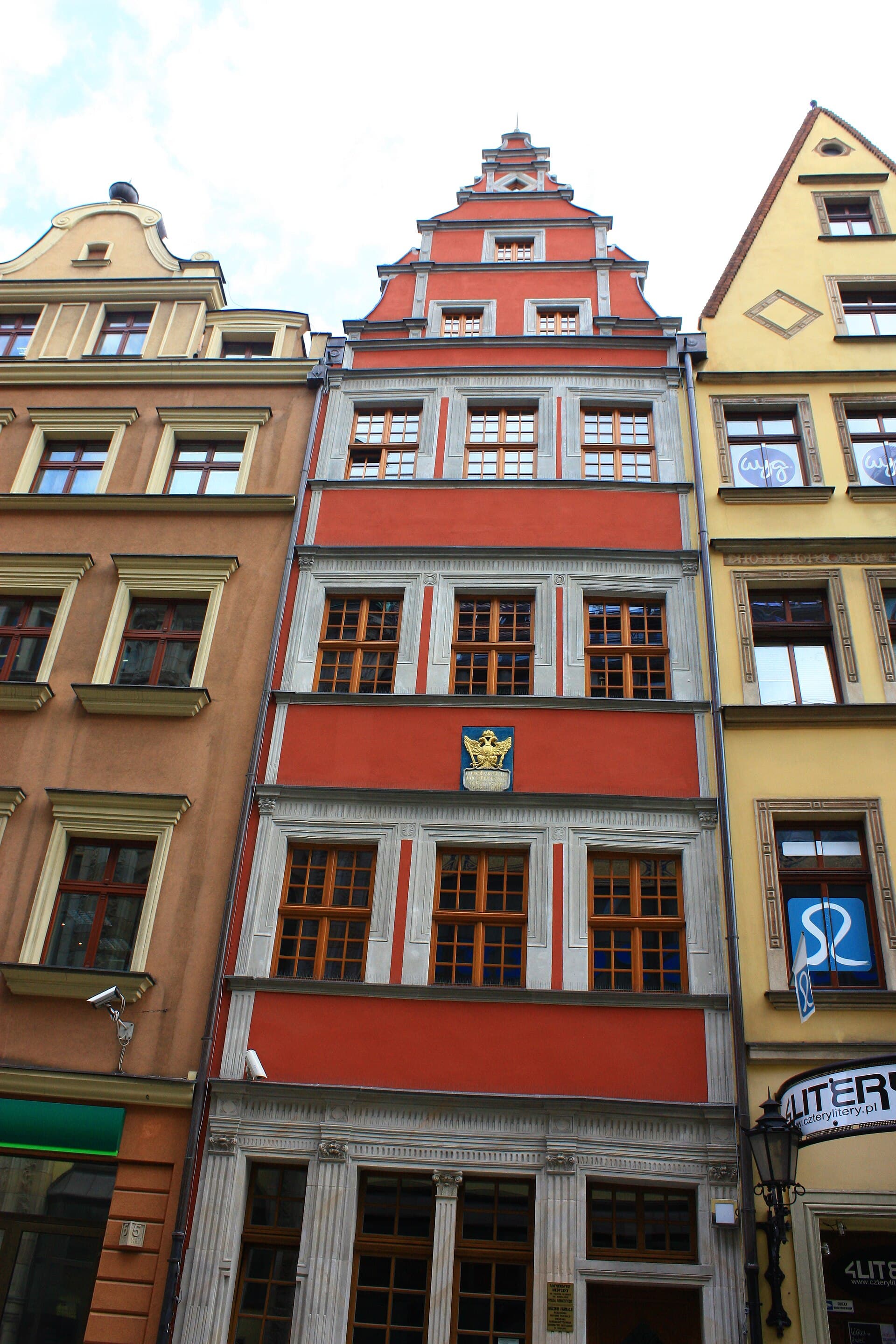 Museum of Pharmacy, WrocławA small museum of Wrocław Medical University, in a historic house near the main 3 minutes walk4.6
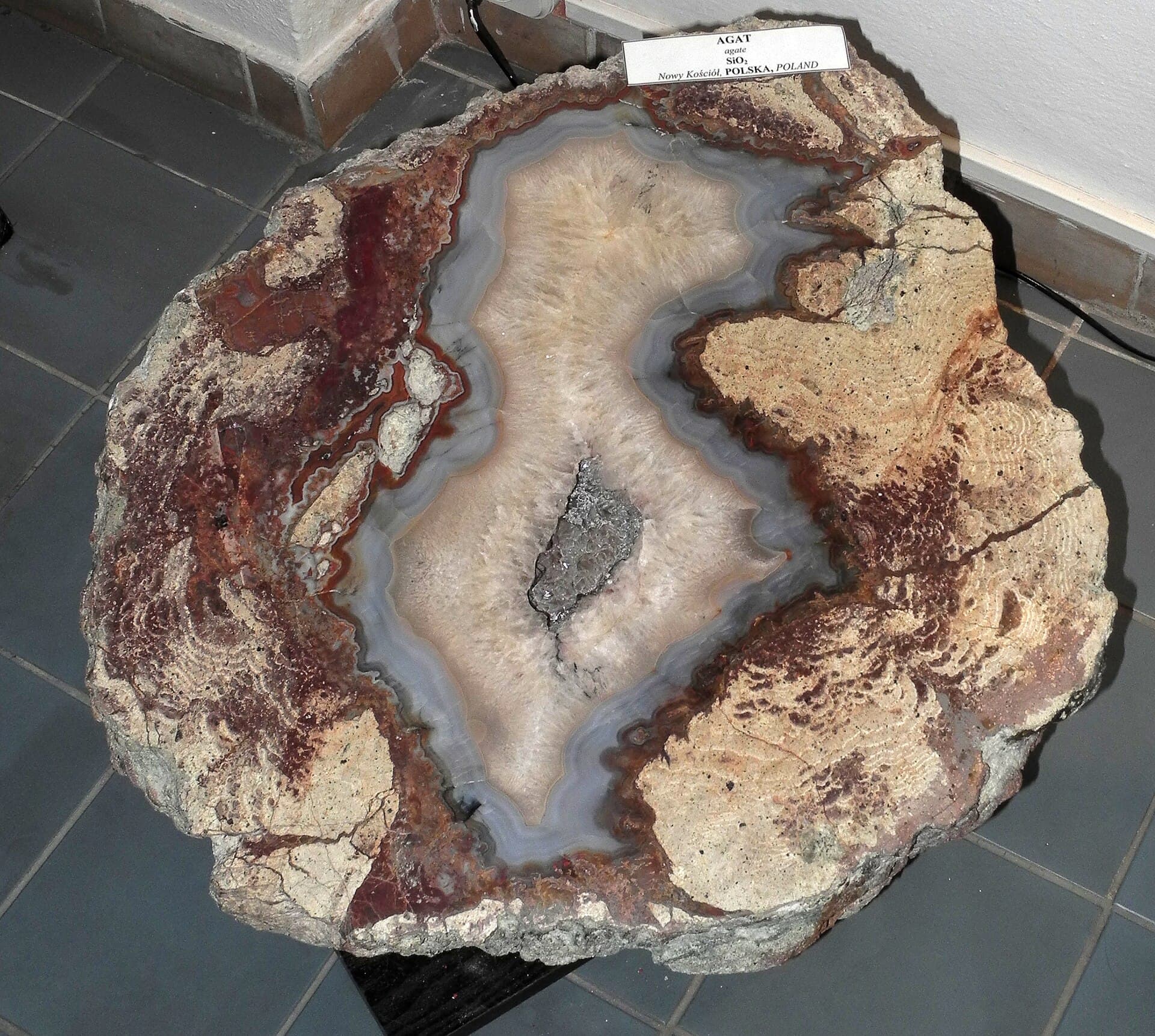 The University Mineralogical MuseumA mineralogical museum belonging to the University of Wrocław, its collections g4 minutes walk4.7
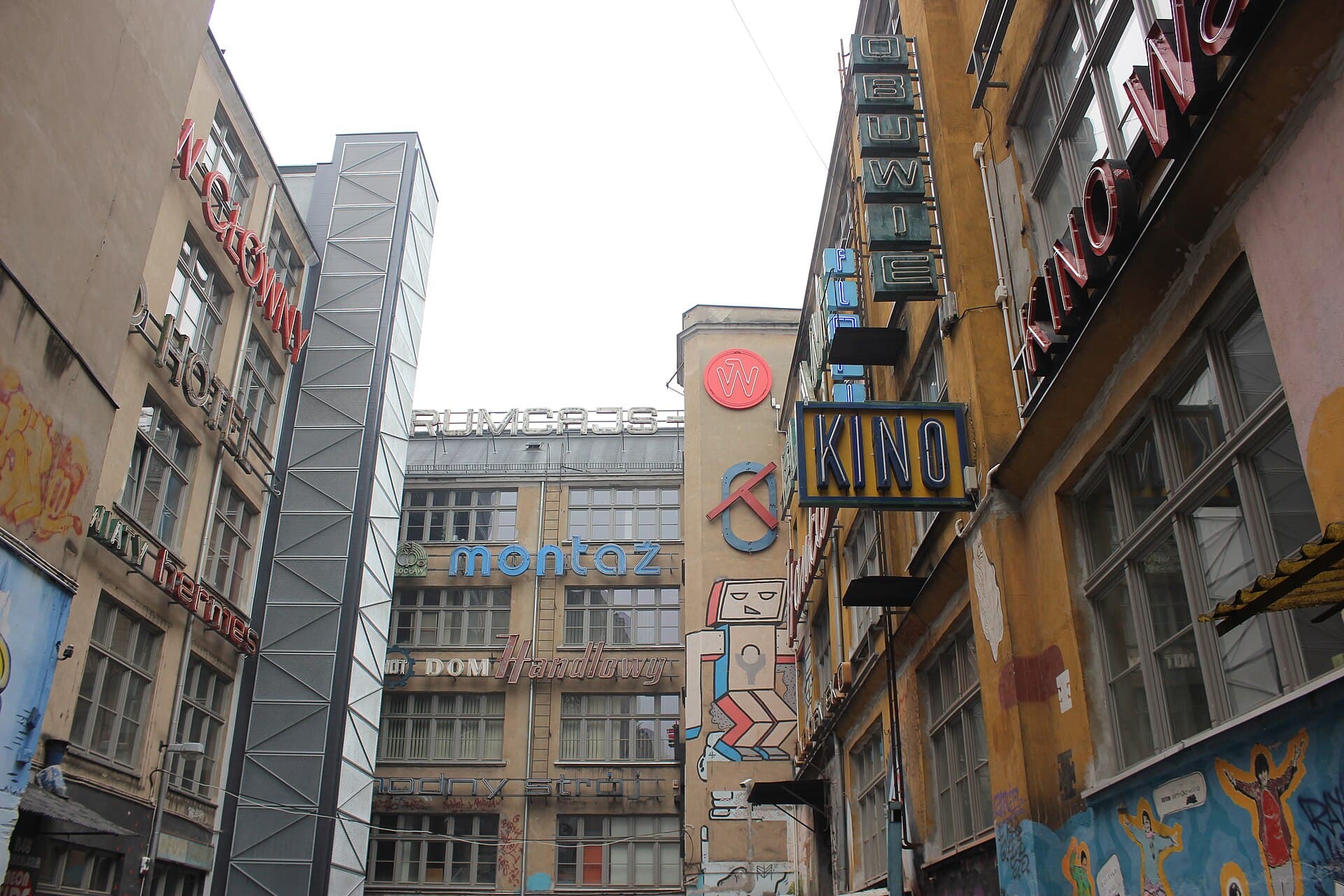 District of Four DenominationsA small area in central Wrocław where four places of worship of four faiths stan4 minutes walk4.7
The Orange Alternative (1980s): a student movement painting dwarfs over censorship's wall blotches — every erasure got its dwarf — and marching absurdist dwarf demonstrations that baffled the police: how do you arrest a dwarf? Mockery as the weapon repression couldn't answer — and the city immortalised it in multiplying bronze: every shop and institution commissions its own until the hunt never ends.