
O Lithuania, my homeland
The poem's opening, written by a Pole exiled in Paris about a land Russia had swallowed.
Fallaner — CC BY-SA 4.0 · Fallaner — CC BY-SA 4.0 · Fallaner — CC BY-SA 4.0 · Fallaner — CC BY-SA 4.0
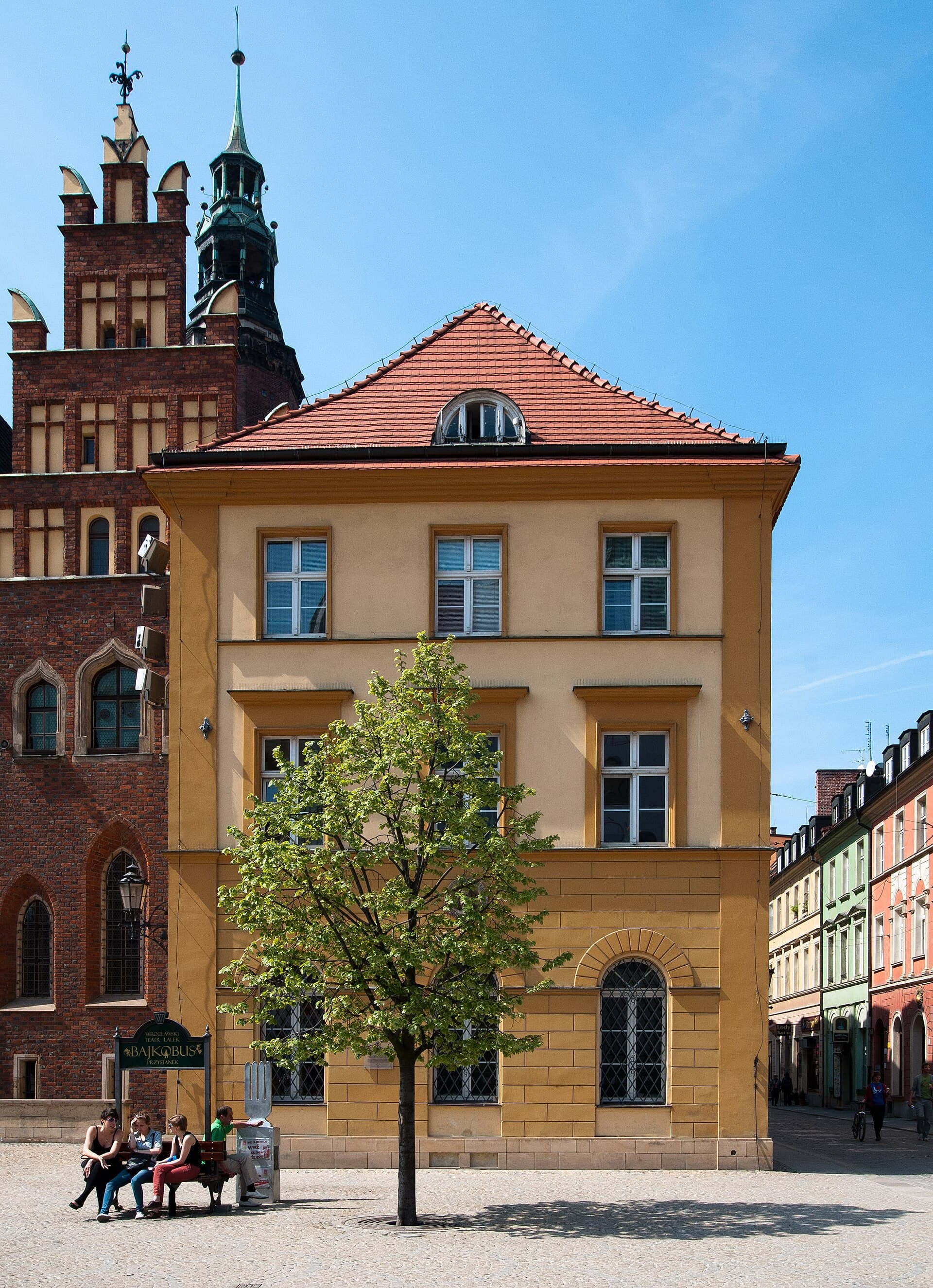
A museum in a historic house on Wrocław's Main Market Square, built around a single manuscript: Adam Mickiewicz's original handwritten text of the epic poem Pan Tadeusz. The poem of 1834 is Poland's national epic and is taught in every school. Mickiewicz wrote it in exile in Paris, and it opens with the famous line "O Lithuania, my homeland" — written in Polish about a land that no longer existed as a state, in longing for the countryside of his childhood, by then swallowed by the Russian Empire. The manuscript is displayed in a room designed around it. But the museum is wider: a whole section on the Polish twentieth century from a personal angle — the Warsaw Uprising, deportation to Siberia, the Solidarity movement, and the transition after 1989 — through testimony, objects and documents. The building is the Ossoliński House, and the Ossolineum institution that owns it is among the most venerable in Polish culture, moved from Lwów to Wrocław after the war along with those of its people who were moved too.
The poem's opening, written by a Pole exiled in Paris about a land Russia had swallowed.
Uprising, Siberia, Solidarity and 1989 through testimony and objects, not statistics.
A cultural institution moved from Lwów to Wrocław with its people after the war.
The Ossoliński House, Main Market Square, central Wrocław
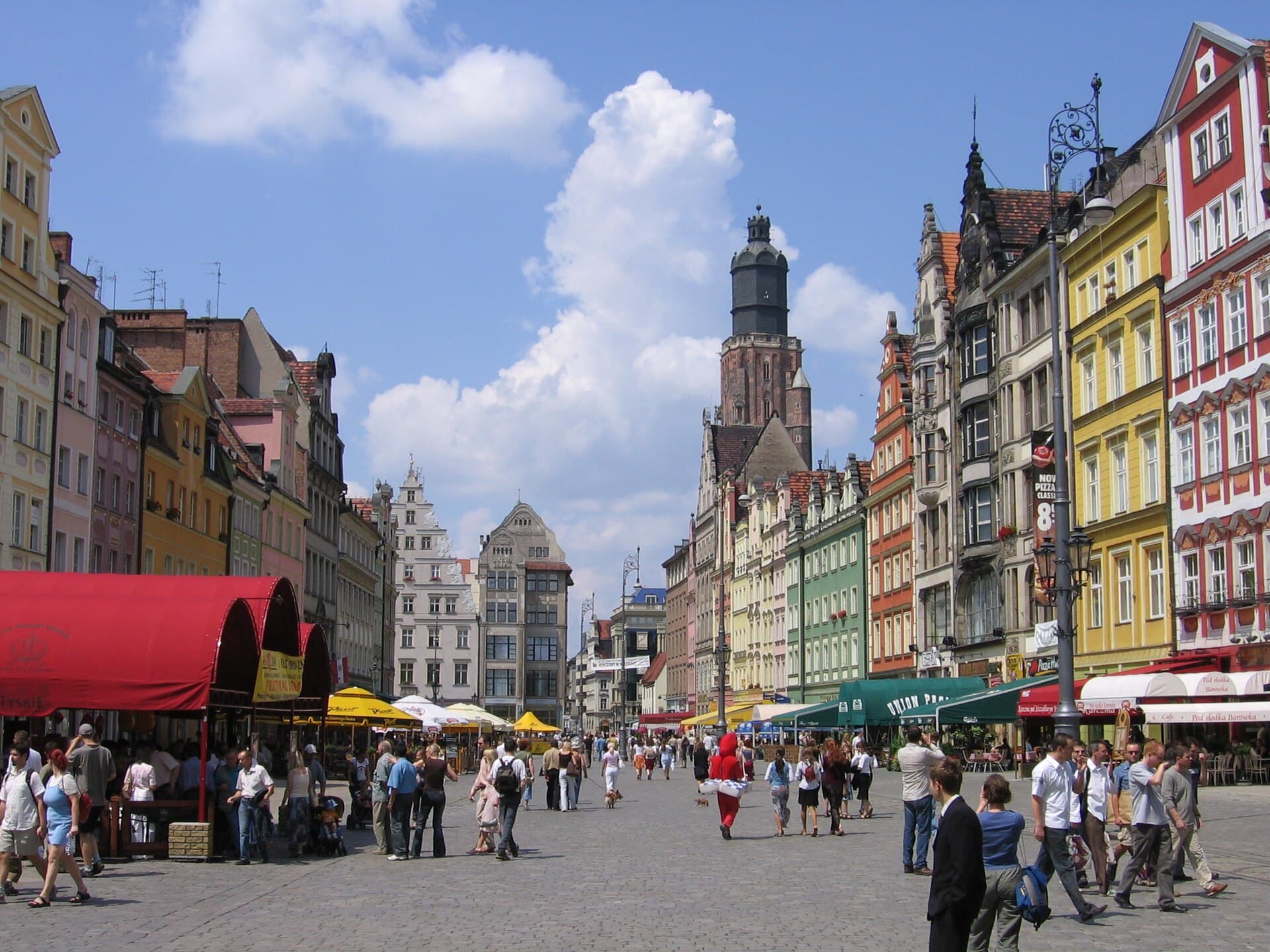 Wroclaw's Rynek & its DwarfsWroclaw's Rynek is Poland's second-greatest medieval square — and its most colou1 minute walk4.8
 City Museum of WrocławThe museum of the city's history, in the Royal Palace in central Wrocław, a Baro2 minutes walk4.7
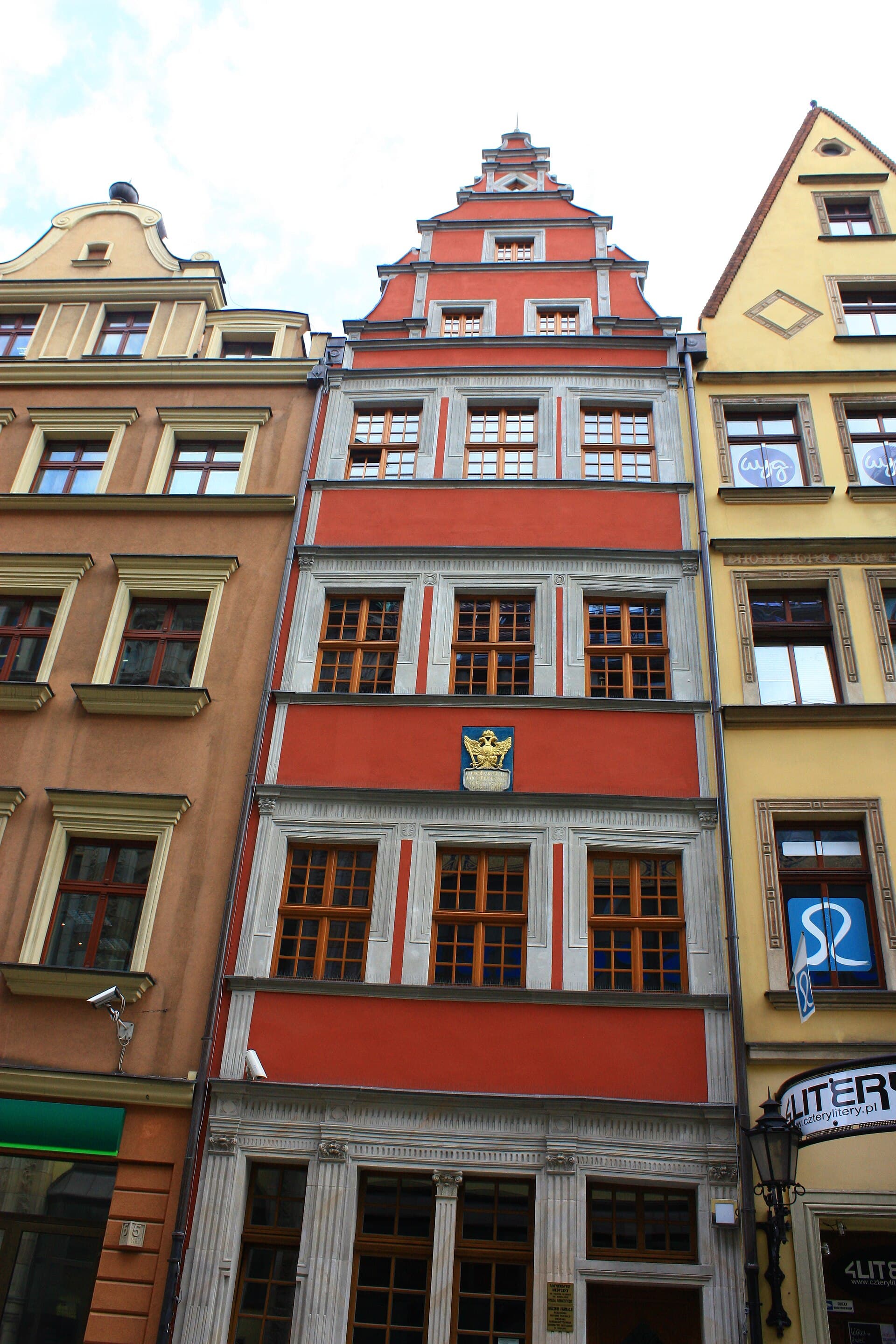 Museum of Pharmacy, WrocławA small museum of Wrocław Medical University, in a historic house near the main 3 minutes walk4.6
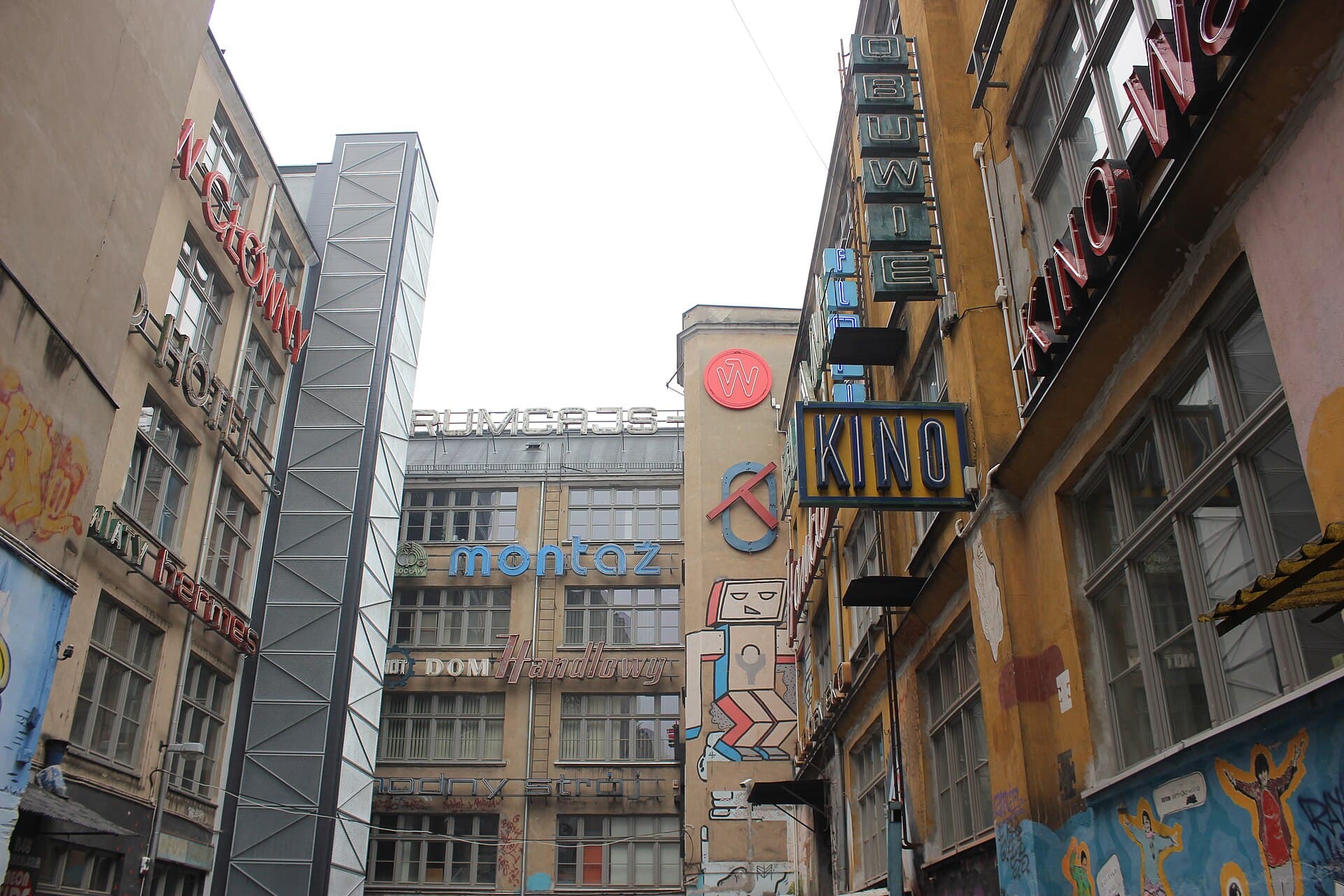 District of Four DenominationsA small area in central Wrocław where four places of worship of four faiths stan4 minutes walk4.7
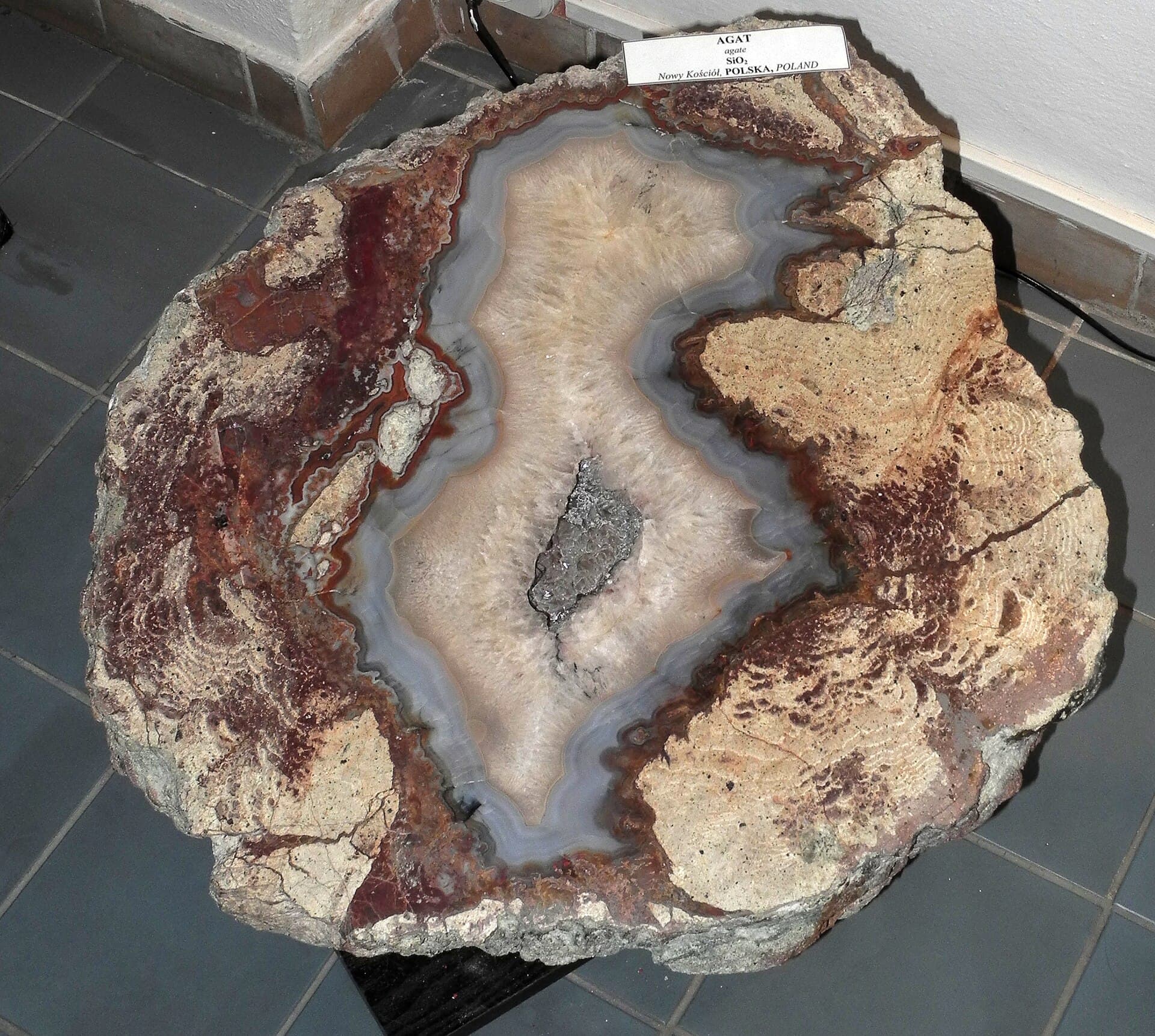 The University Mineralogical MuseumA mineralogical museum belonging to the University of Wrocław, its collections g4 minutes walk4.7
Because the Polish-Lithuanian Commonwealth was a single state for more than two centuries, and Mickiewicz was born in lands that are now in Belarus and were then part of the Grand Duchy of Lithuania within that Commonwealth. He wrote in Polish and considered himself of that shared homeland. The poem is read today as a national epic in Poland, and in Lithuania and Belarus with different sensitivities.
Yes. The museum is designed for visitors who have not read it, and explains its context and meaning before showing the manuscript. The second section on the twentieth century stands entirely on its own and assumes no literary background. English interpretation is available.