
Art under constraint
A few centimetres across, a few millimetres deep, two related faces.
Aniax — Public domain · Robert Niedźwiedzki — CC BY-SA 3.0 · Stefan Didam - Schmallenberg — CC BY-SA 3.0
A museum in Wrocław devoted to medallic art, among the few museums anywhere given over to this field alone. A medal is an art form in its own right rather than merely an award. It is a small relief sculpture on two faces, working under severe constraints: a surface a few centimetres across, a relief a few millimetres deep, and two sides that must relate to each other. Within that, the artist is expected to say something complete. The form arose in the Italian Renaissance as a way of commemorating people and events, and it was the principal method of circulating a ruler's image before printing and photography — a small coin travelling between cities carrying a face. Poland has a strong tradition in the field and Wrocław is its centre: the museum holds thousands of pieces from the Renaissance to the present and runs international competitions. Practical points: entry is ticketed and the museum is small and specialised — allow under an hour to ninety minutes. The exhibits are small and need close looking and patience; anyone not interested in sculpture or minting will find them repetitive.
A few centimetres across, a few millimetres deep, two related faces.
Before printing, the medal carried an image between cities.
Be honest: anyone uninterested in sculpture will find it repetitive.
The Royal Palace, Kazimierza Wielkiego street, Wrocław
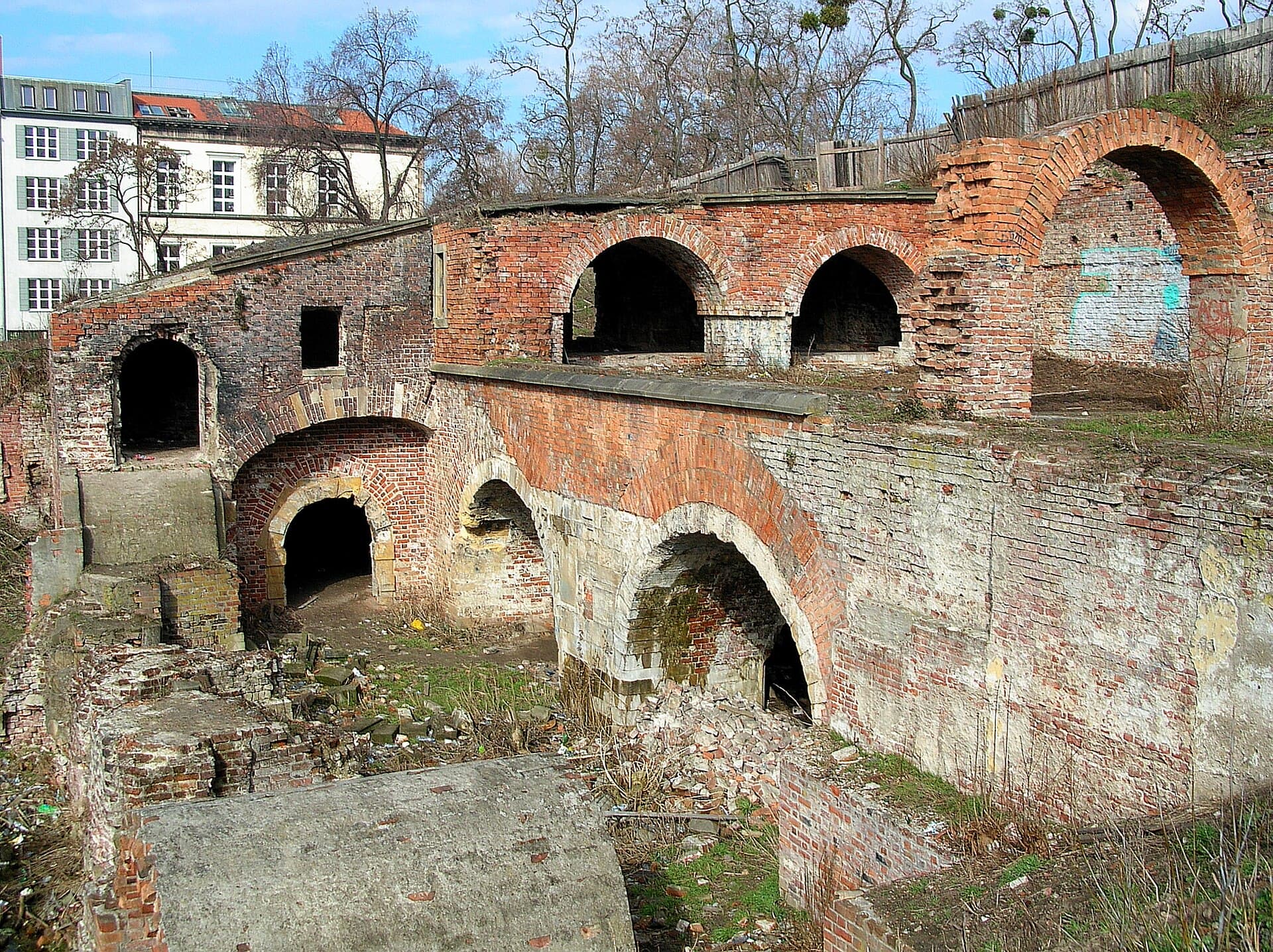 The Remains of the City WallsWhat remains of Wrocław's medieval walls: scattered stretches of brick embedded 1 minute walk4.3
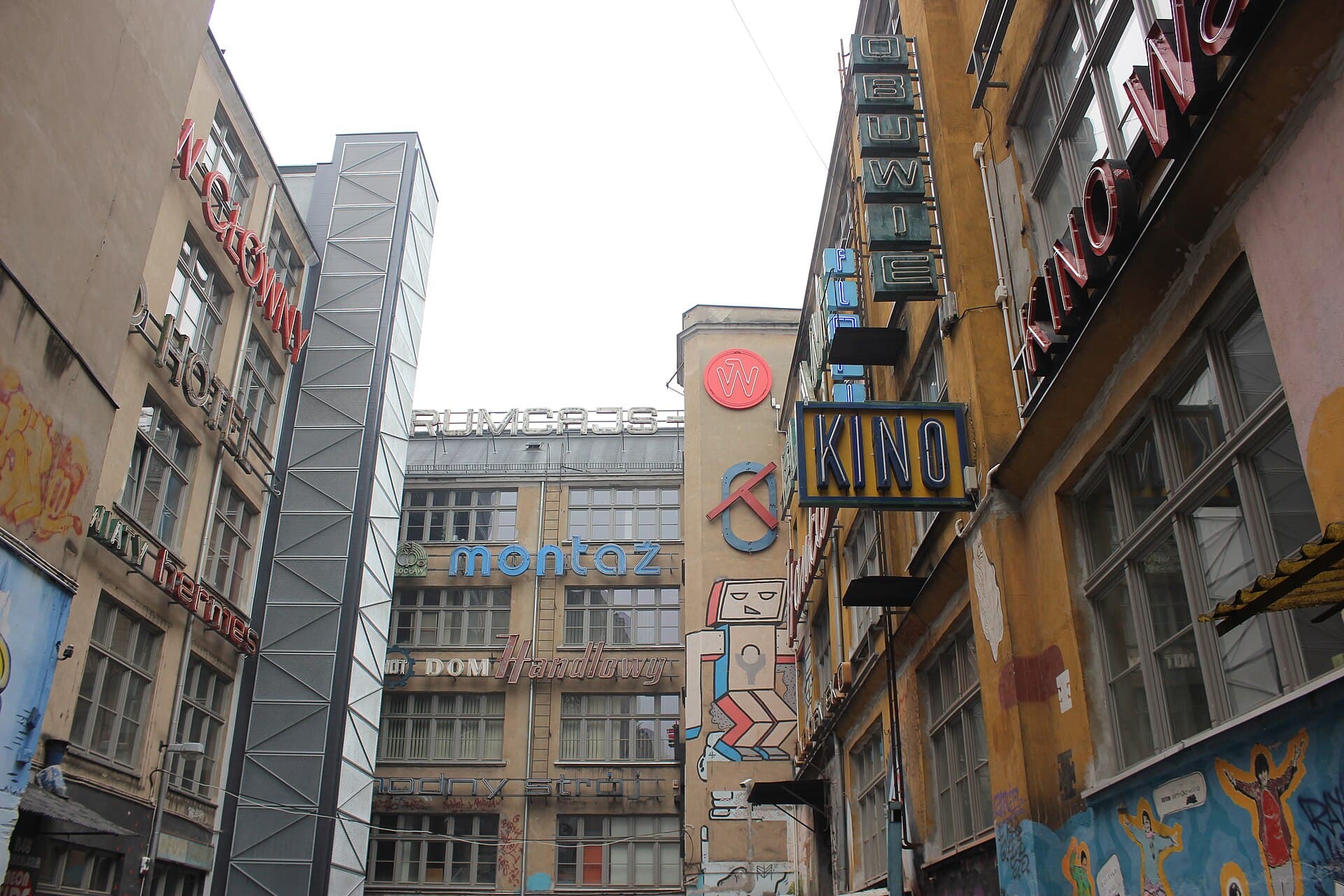 District of Four DenominationsA small area in central Wrocław where four places of worship of four faiths stan3 minutes walk4.7
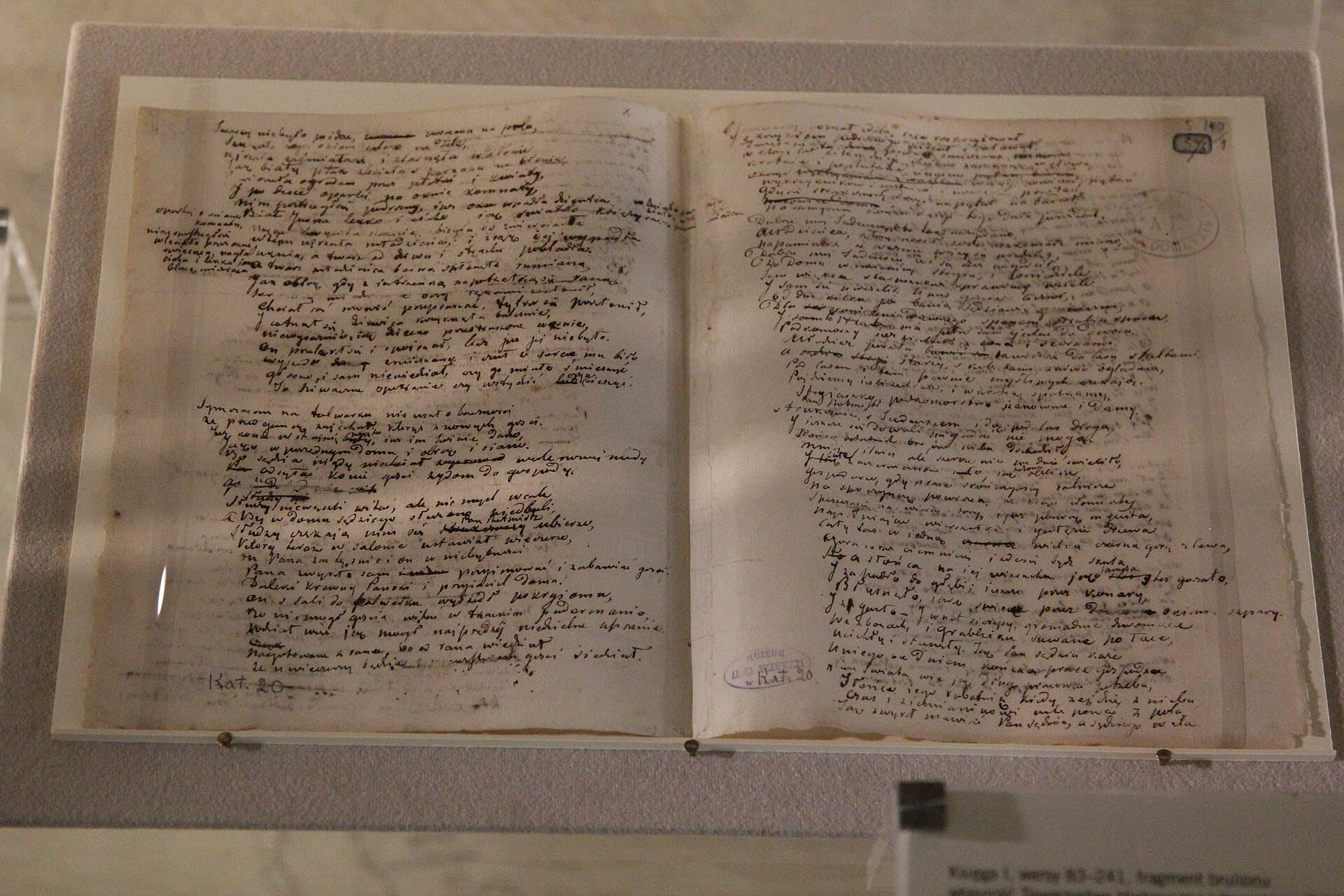 Pan Tadeusz MuseumA museum in a historic house on Wrocław's Main Market Square, built around a sin4 minutes walk4.5
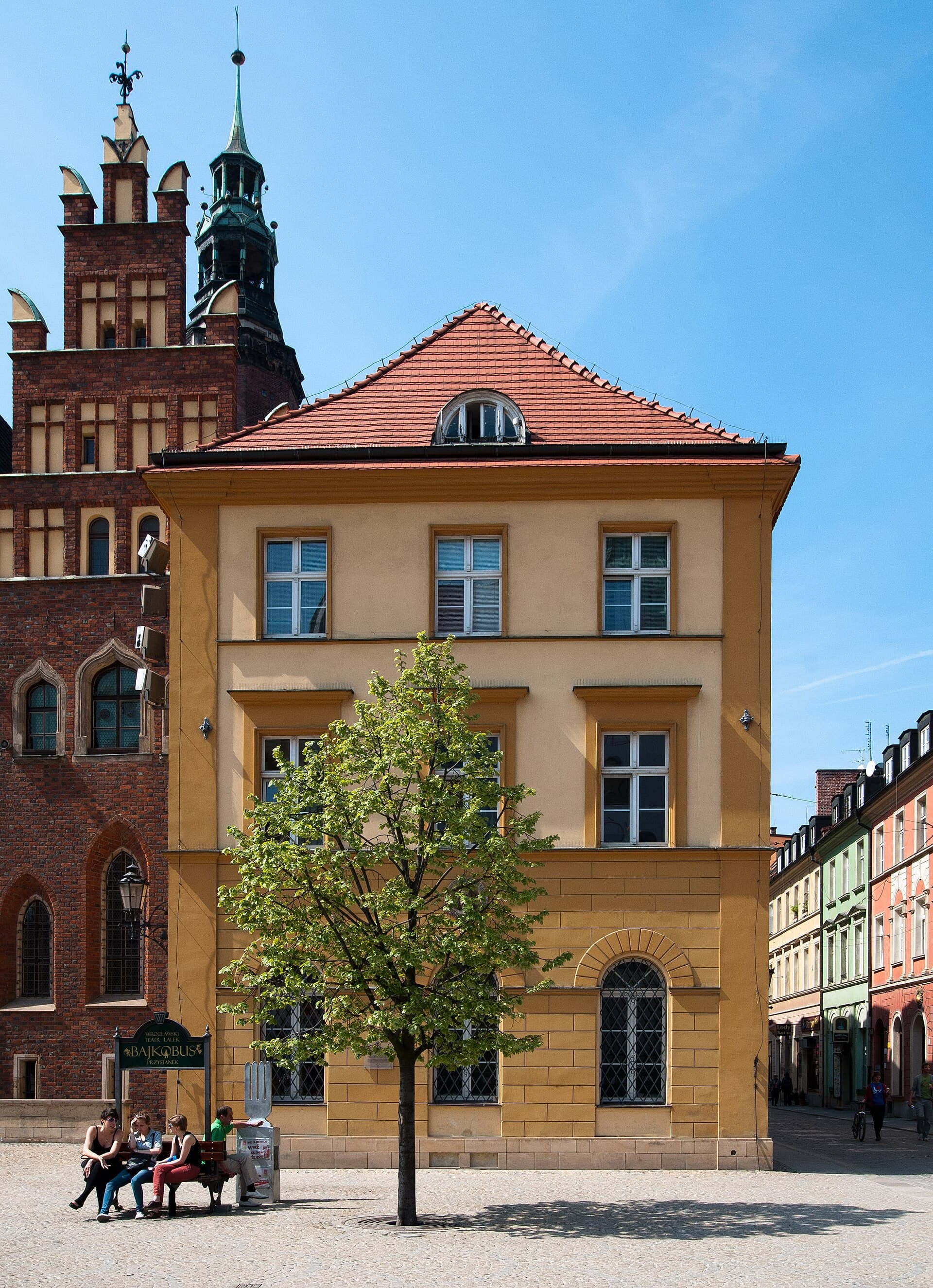 City Museum of WrocławThe museum of the city's history, in the Royal Palace in central Wrocław, a Baro4 minutes walk4.7
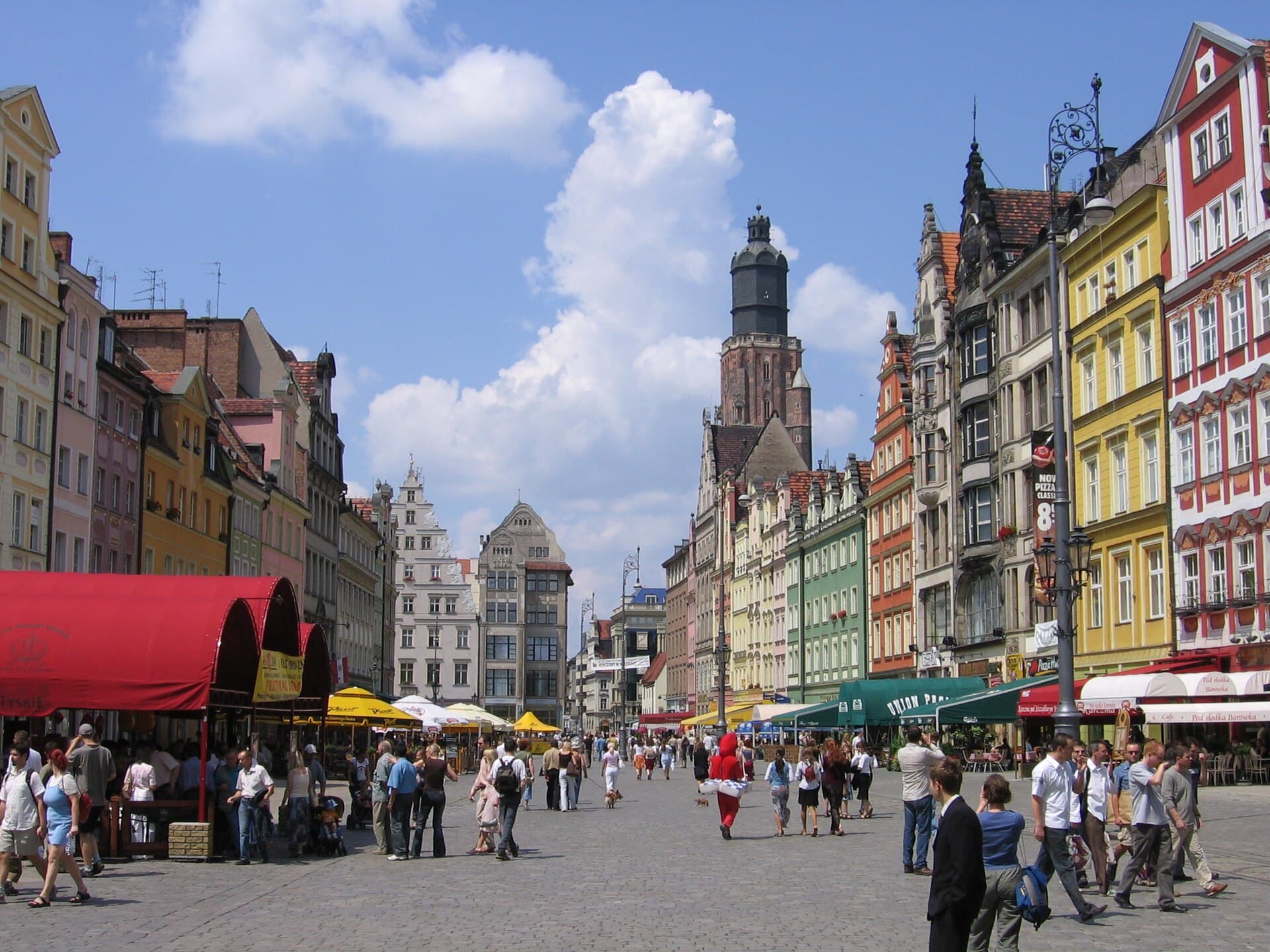 Wroclaw's Rynek & its DwarfsWroclaw's Rynek is Poland's second-greatest medieval square — and its most colou5 minutes walk4.8
Honestly, probably not. This is a specialised museum of small objects that need close looking and reading. With two days in Wrocław, the Centennial Hall, the Racławice Panorama and the old town come well ahead. But if you care about sculpture, design or minting, it is a rare place.
An enormous circular painting fifteen metres high and a hundred and fourteen long, painted in 1894, depicting a battle of the Kościuszko Uprising. It is shown in a purpose-built rotunda, viewed from a central platform with an audio guide. It is among Wrocław's best known sights and needs advance booking in season.