
Kaczawa river agate
Coloured stones still collected by amateurs in Silesia.
Mariuszjbie — CC BY-SA 3.0 · Mariuszjbie — CC BY-SA 3.0 · Mariuszjbie — CC BY-SA 3.0 · Mariuszjbie — CC BY-SA 3.0
A mineralogical museum belonging to the University of Wrocław, its collections going back to the early nineteenth century when the German university in the city was founded. The collection holds thousands of mineral, rock and fossil specimens, its most important sections concerning the geology of Lower Silesia — a mineralogically exceptional region: basalt, granite, agate, quartz and semi-precious stones, from which gold, silver, copper and coal were extracted across the centuries. Silesia in particular is known for its coloured stones — agate from the Kaczawa river is still collected by amateurs today. The museum also shows meteorites and samples from closed Polish mines, documents of an industry that ended. The display is traditional in university cases, and hours are tied to the university and can be very limited. Check before going.
Coloured stones still collected by amateurs in Silesia.
Documents of a mining industry that ended.
A mineralogically exceptional region: gold, silver, copper and coal.
University of Wrocław, Kuźnicza street
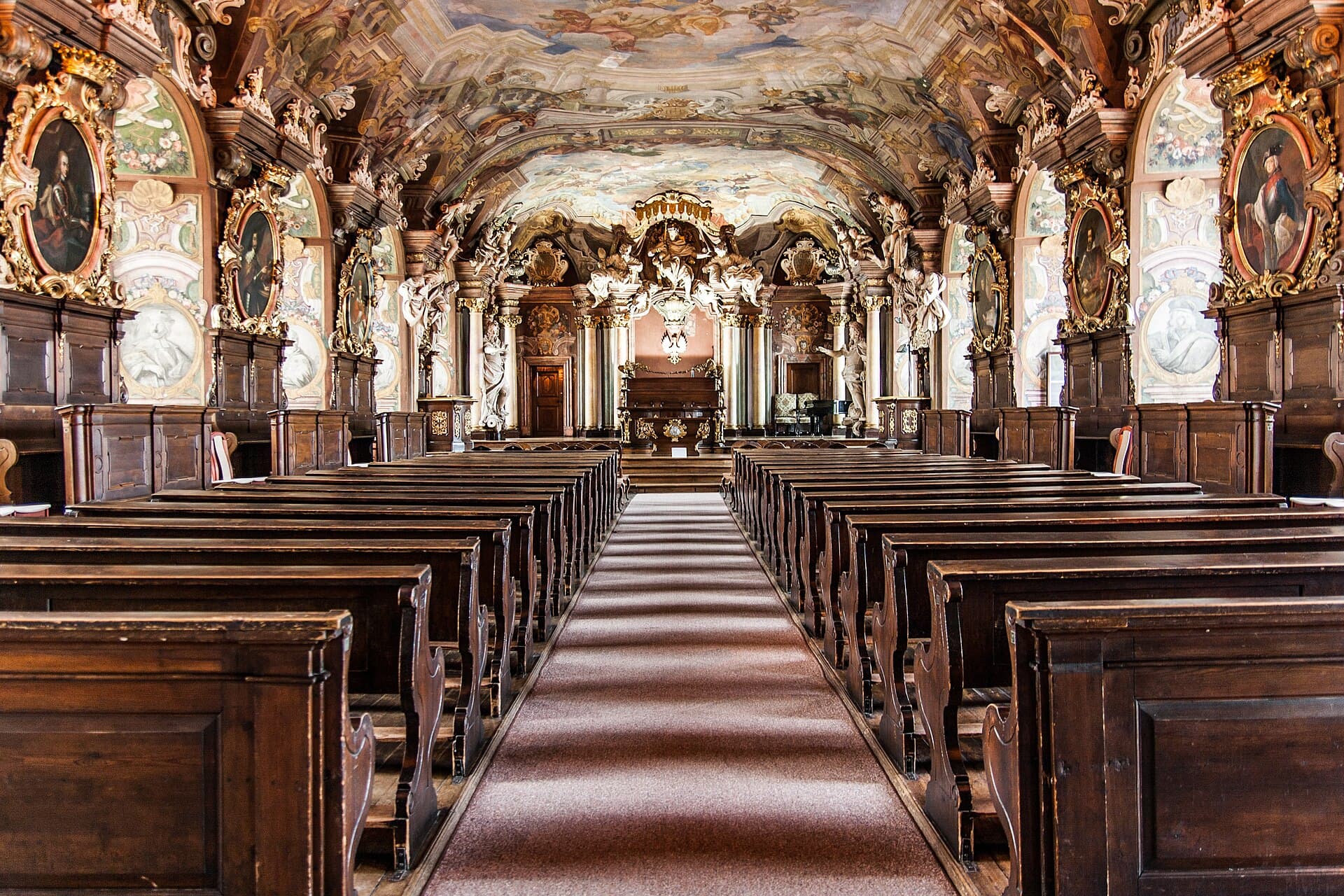 University of Wrocław MuseumA museum inside the main building of the University of Wrocław, whose most impor2 minutes walk4.9
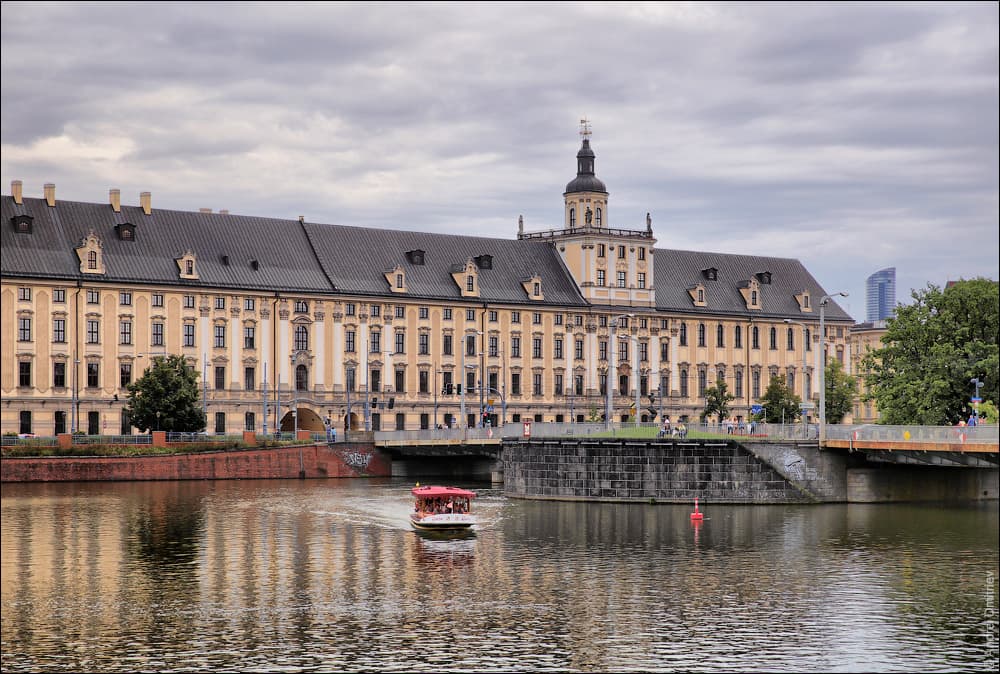 University of Wrocław Main BuildingA vast baroque building on the bank of the Oder, raised by the Jesuits in the ea3 minutes walk4.6
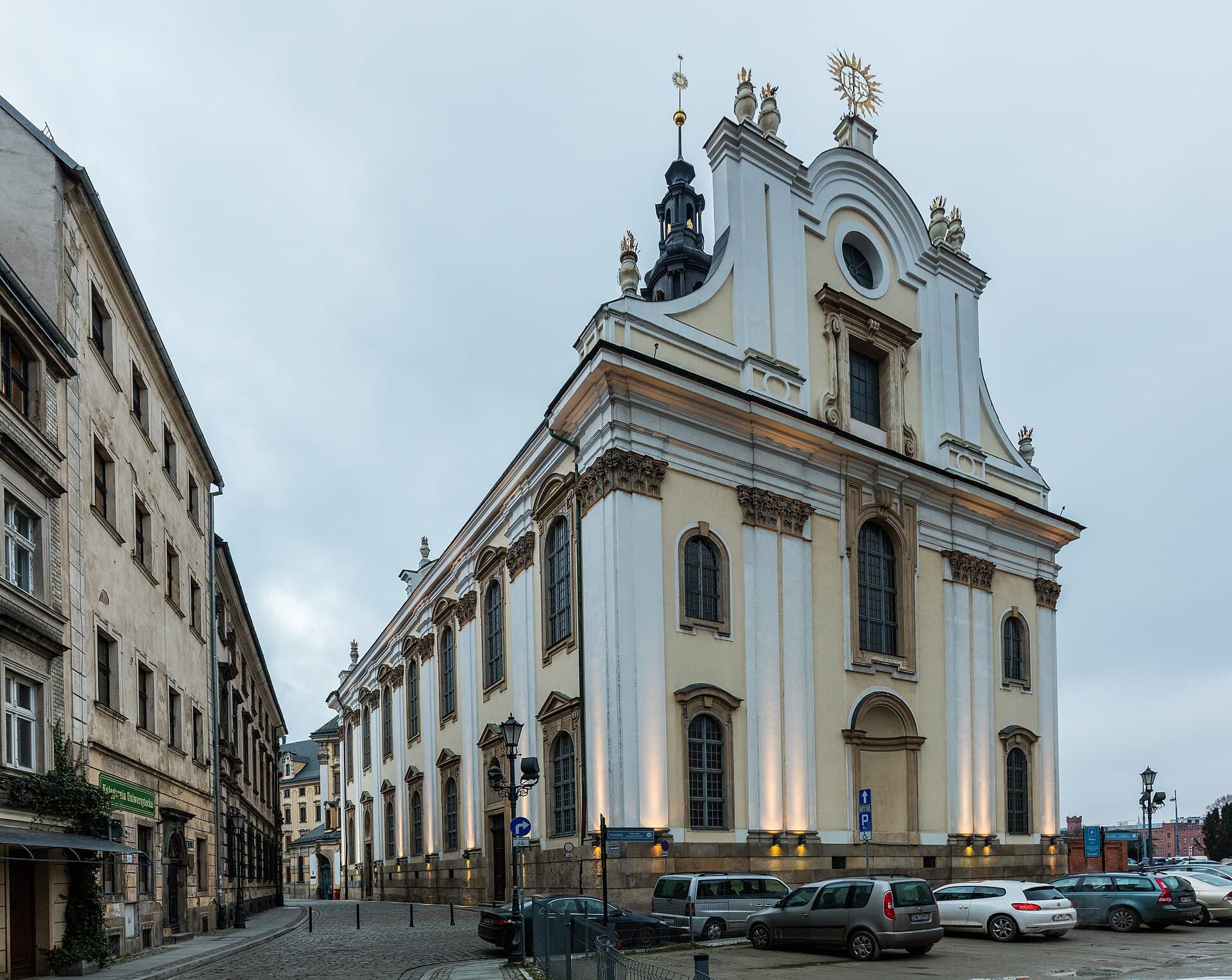 The Church of the Holy Name of JesusA late seventeenth-century baroque university church beside the main building of3 minutes walk4.7
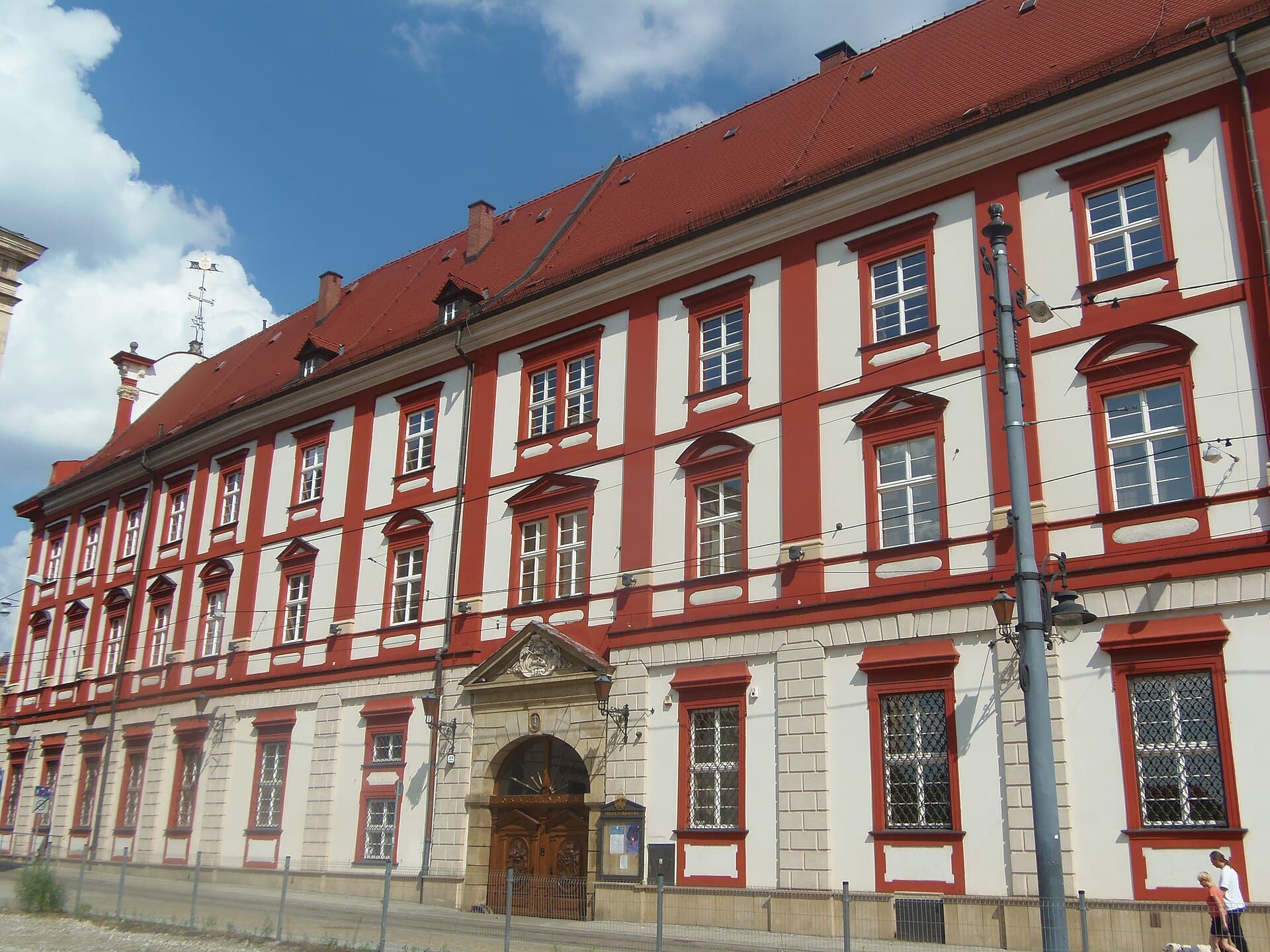 Museum of the Princes LubomirskiA museum in Wrocław showing an art and historical collection assembled by the pr3 minutes walk4.2
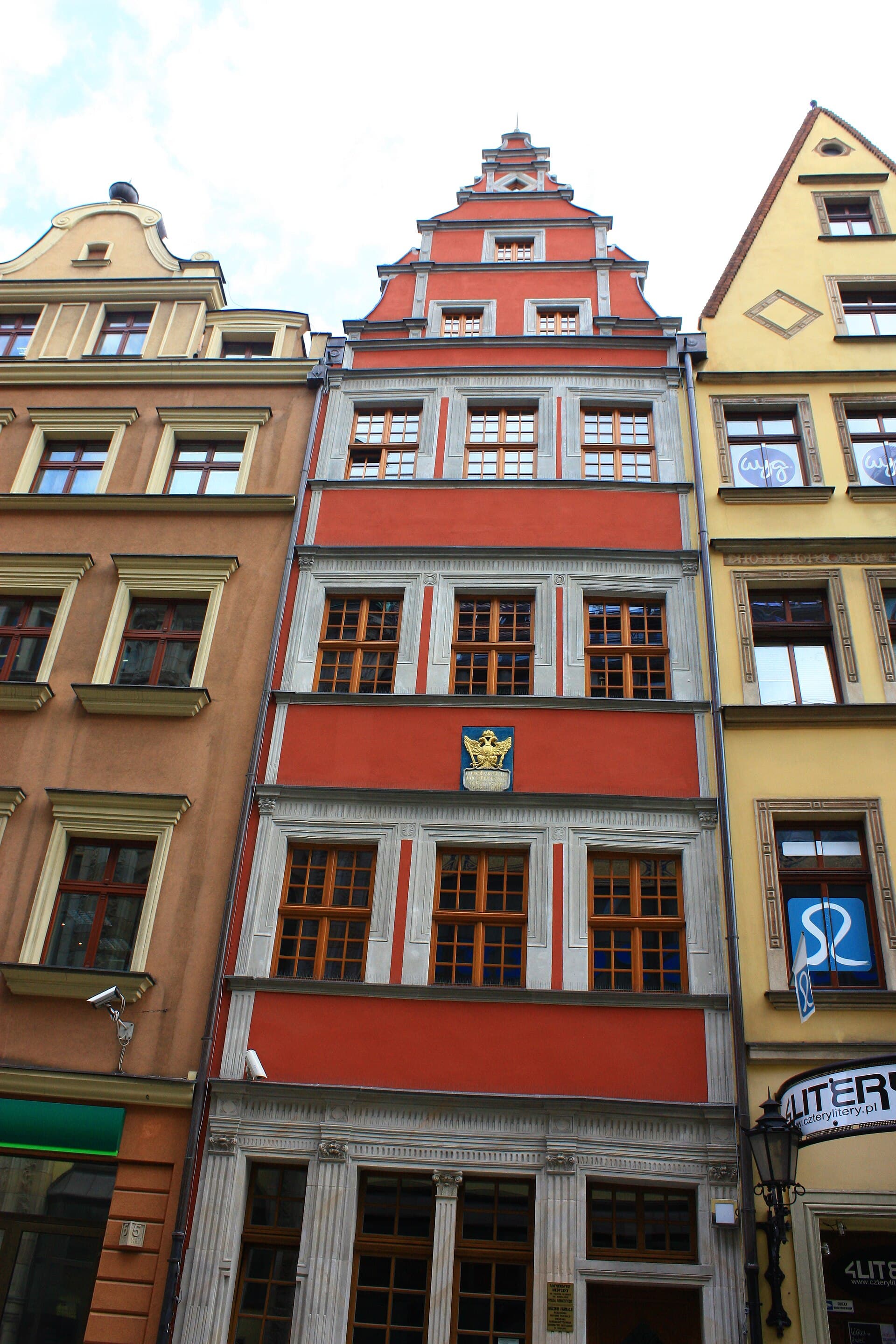 Museum of Pharmacy, WrocławA small museum of Wrocław Medical University, in a historic house near the main 4 minutes walk4.6
Founded in 1702 by decree of Emperor Leopold I, it was a German university as Breslau until 1945. It produced a striking number of Nobel laureates — eleven associated with it, among them Max Born and Fritz Haber. After 1945 it was refounded as a Polish university with professors who came from Lwów. Its baroque main building stands on the Oder bank, and its Aula Leopoldina is among the grandest university halls in Europe.
The geological museum in roughly the same building, and the natural history museum with its zoological and botanical collections — among the oldest natural history museums in central Europe — and the university botanical garden beside Cathedral Island, among the finest things in the city. University museums generally keep limited hours, but the botanical garden's are wider and seasonal.