
Two reassembled pharmacies
With their original fittings, vessels and documents.
Dawid Galus — CC BY-SA 3.0 pl · Palickap — CC BY 4.0 · Palickap — CC BY 4.0 · Palickap — CC BY 4.0
A small museum of Wrocław Medical University, in a historic house near the main square, documenting the history of pharmacy in Silesia. The display holds two pharmacies reassembled with their original fittings, a preparation laboratory, ceramic and glass vessels, scales and instruments, and prescription books and documents spanning centuries. What distinguishes the collection is its regional context: Silesia was an advanced pharmaceutical region under German rule, and much of the material carries German inscriptions from the time when the city was called Breslau. That makes the museum — without intending to — a record of the complete population change the city went through after 1945. The museum is very small and the visit short, and its hours may be limited. If you have visited the Museum of Pharmacy in Kraków, this is much smaller and less impressive; do not repeat the visit with the same expectation. Treat it as a half-hour stop within a walk around the main square.
With their original fittings, vessels and documents.
German inscriptions in a Polish museum — the mark of the 1945 population change.
Half an hour within a walk around the main square.
Kurzy Targ, near the main square
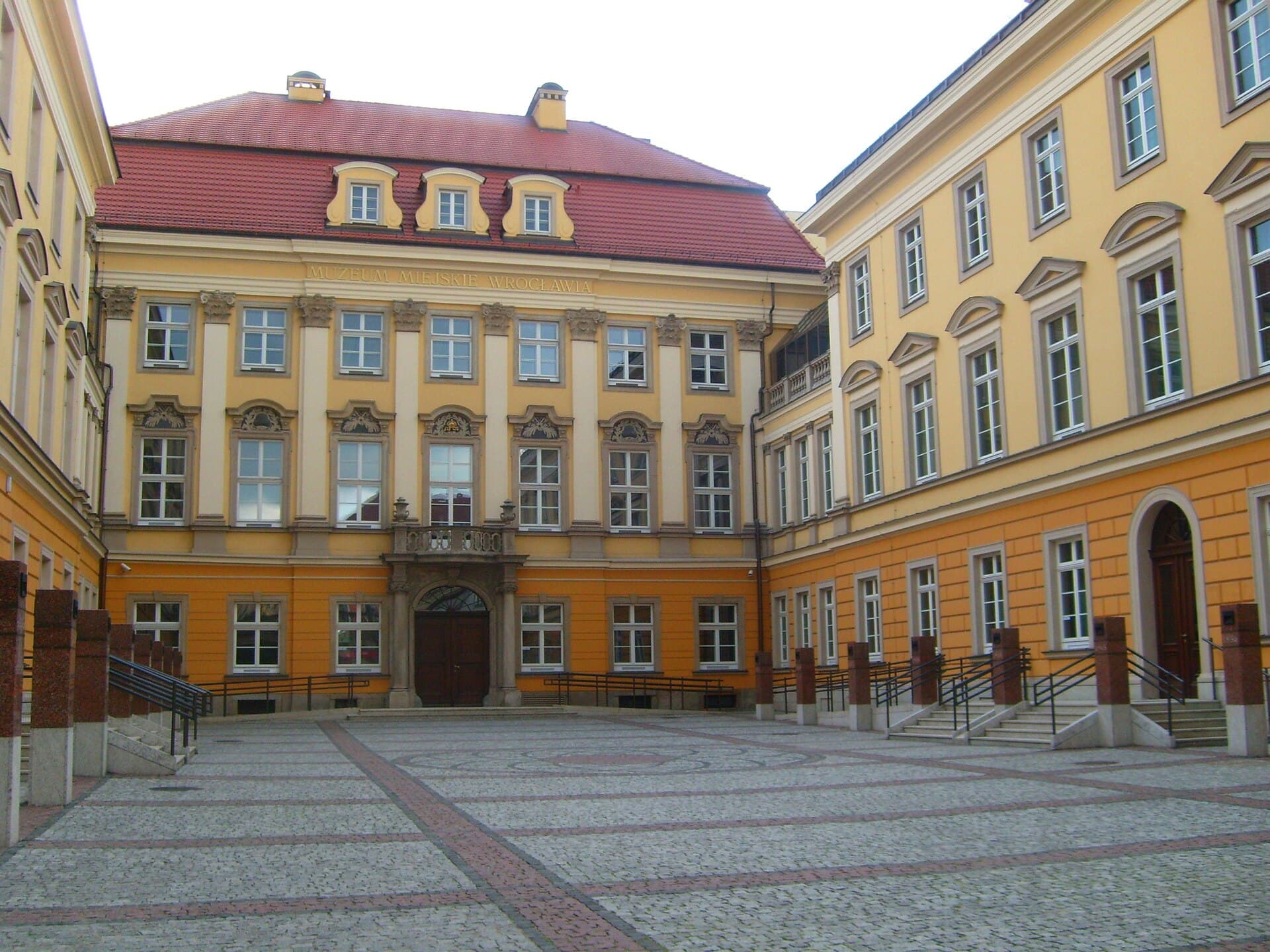
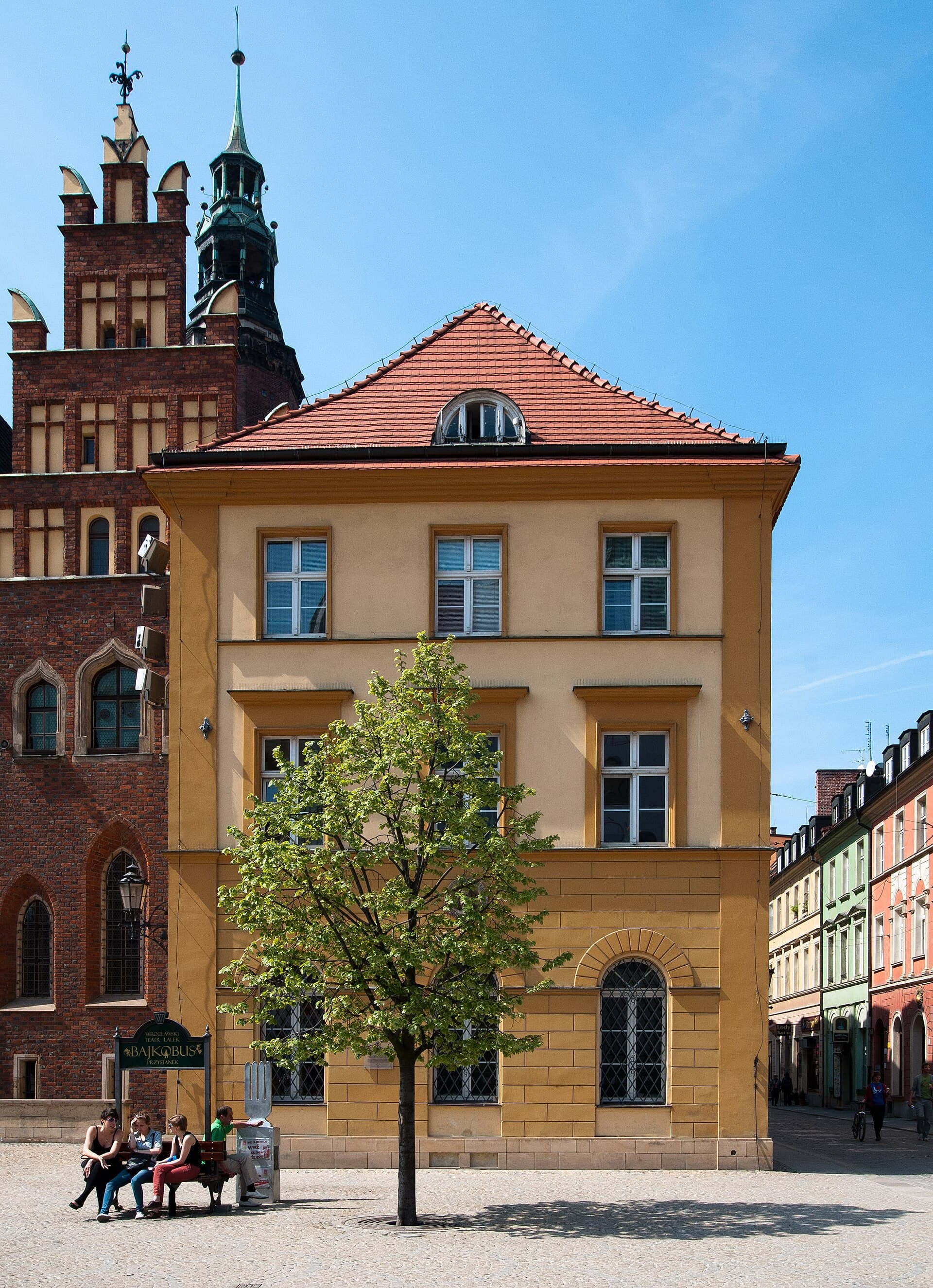 City Museum of WrocławThe museum of the city's history, in the Royal Palace in central Wrocław, a Baro1 minute walk4.7
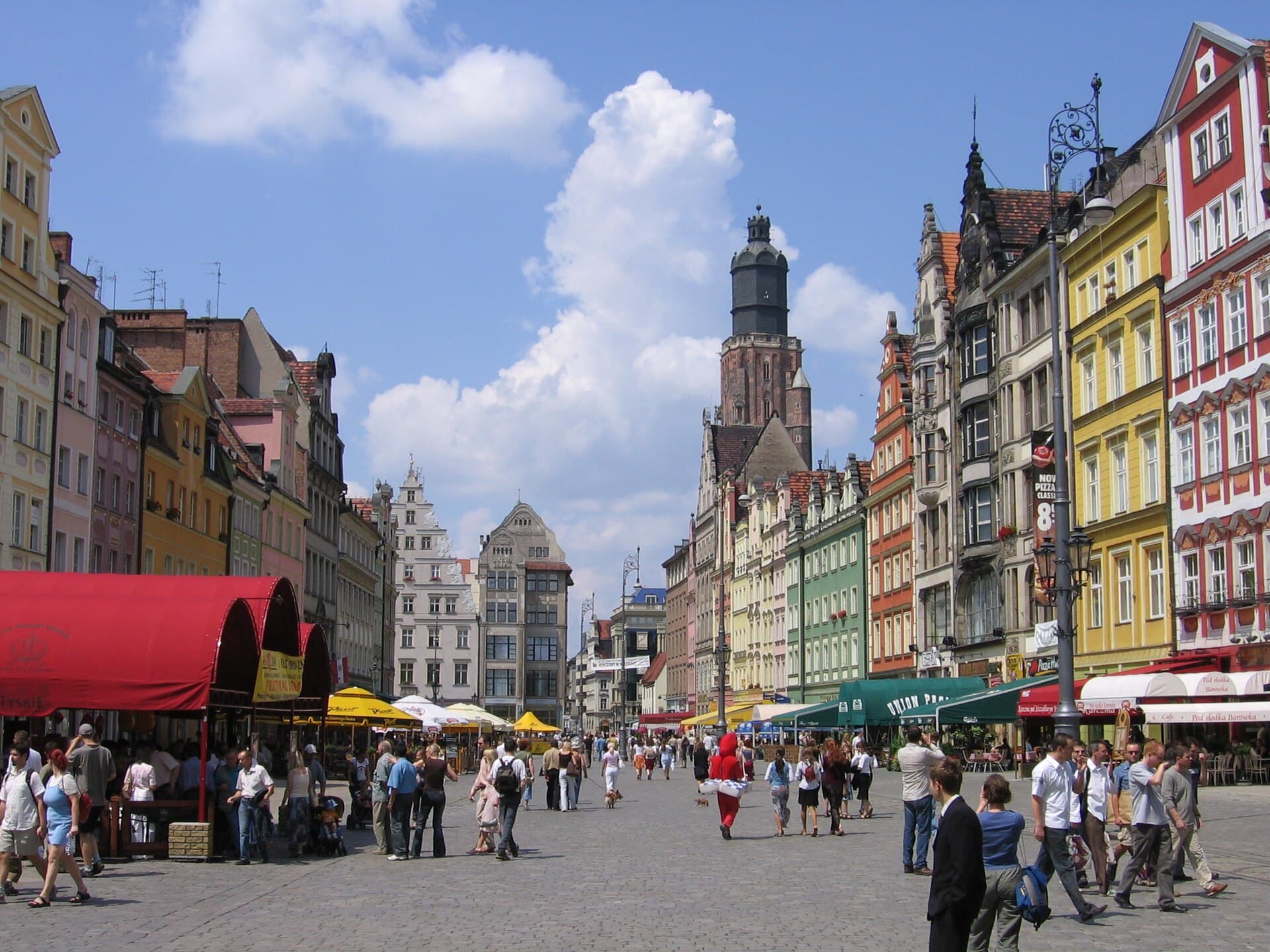 Wroclaw's Rynek & its DwarfsWroclaw's Rynek is Poland's second-greatest medieval square — and its most colou3 minutes walk4.8
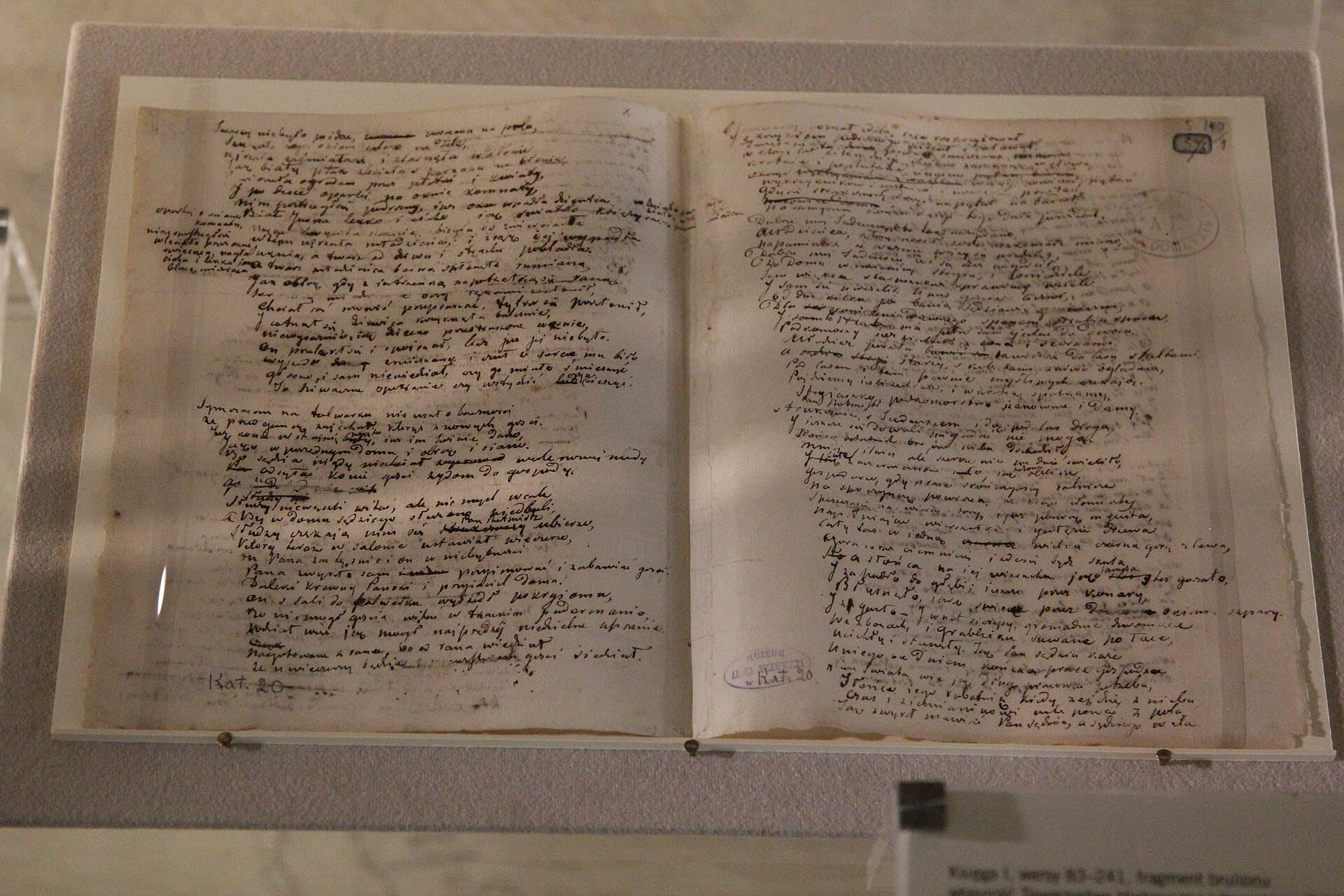 Pan Tadeusz MuseumA museum in a historic house on Wrocław's Main Market Square, built around a sin3 minutes walk4.5
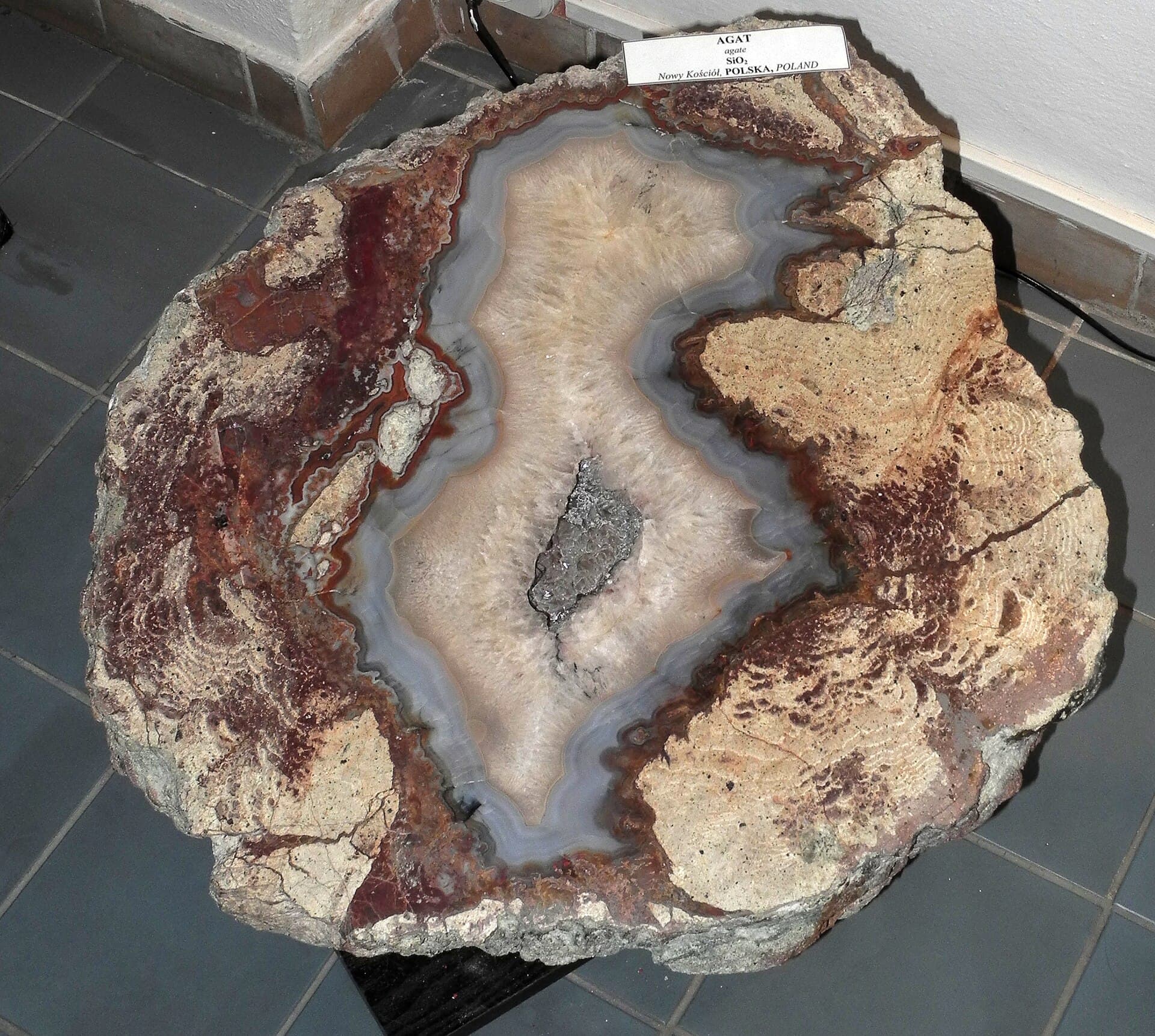 The University Mineralogical MuseumA mineralogical museum belonging to the University of Wrocław, its collections g4 minutes walk4.7
 Museum of Medallic ArtA museum in Wrocław devoted to medallic art, among the few museums anywhere give5 minutes walk4.8
The city had been German for centuries and was called Breslau. In 1945 it was declared a fortress and withstood a Soviet siege that destroyed most of it. After the war the borders moved west and the city became Polish, its German inhabitants were almost entirely expelled, and Poles displaced in turn from Lwów and eastern Poland annexed by the Soviet Union took their place. An entire city's population changed within a few years.
Probably not. The Kraków museum is far larger, richer and in a finer building, and this is very small by comparison. If you have seen neither and are in Wrocław, this is a pleasant short stop. If you have seen Kraków's, your time in Wrocław is better spent at the Aula Leopoldina or the Racławice Panorama.