
The old monument's fragments
Left broken at the base.
Guillaume Speurt from Vilnius, Lithuania — CC BY-SA 2.0 · Simonas stuopys — CC BY-SA 3.0 · Brian Toward from London, United Kingdom — CC0 · Brian Toward from London, United Kingdom — CC0
Three white crosses on a green hill, visible from everywhere in Vilnius: the monument stands on the Hill of Three Crosses in Kalnai Park, originally wooden from the seventeenth century in memory of Franciscan monks said to have been killed here, and rebuilt in concrete in 1916. Its Soviet chapter matters most: the Soviet authorities blew it up in 1950 and buried the rubble to deny any national or religious symbol — and the hill stood bare for forty years. In 1989, as the independence movement rose, it was rebuilt higher than before, and fragments of the old monument were left at its base exactly as they lay: you see them broken on the ground beneath the new crosses. It is climbed by steps and a wooded path from the Vilnia riverbank in twenty minutes, and the view from the platform is wider than Gediminas' Tower itself: the whole old town with the tower and cathedral in one frame, finest at sunset.
Left broken at the base.
Old town and tower in one frame.
Kalnų parkas, Vilnius
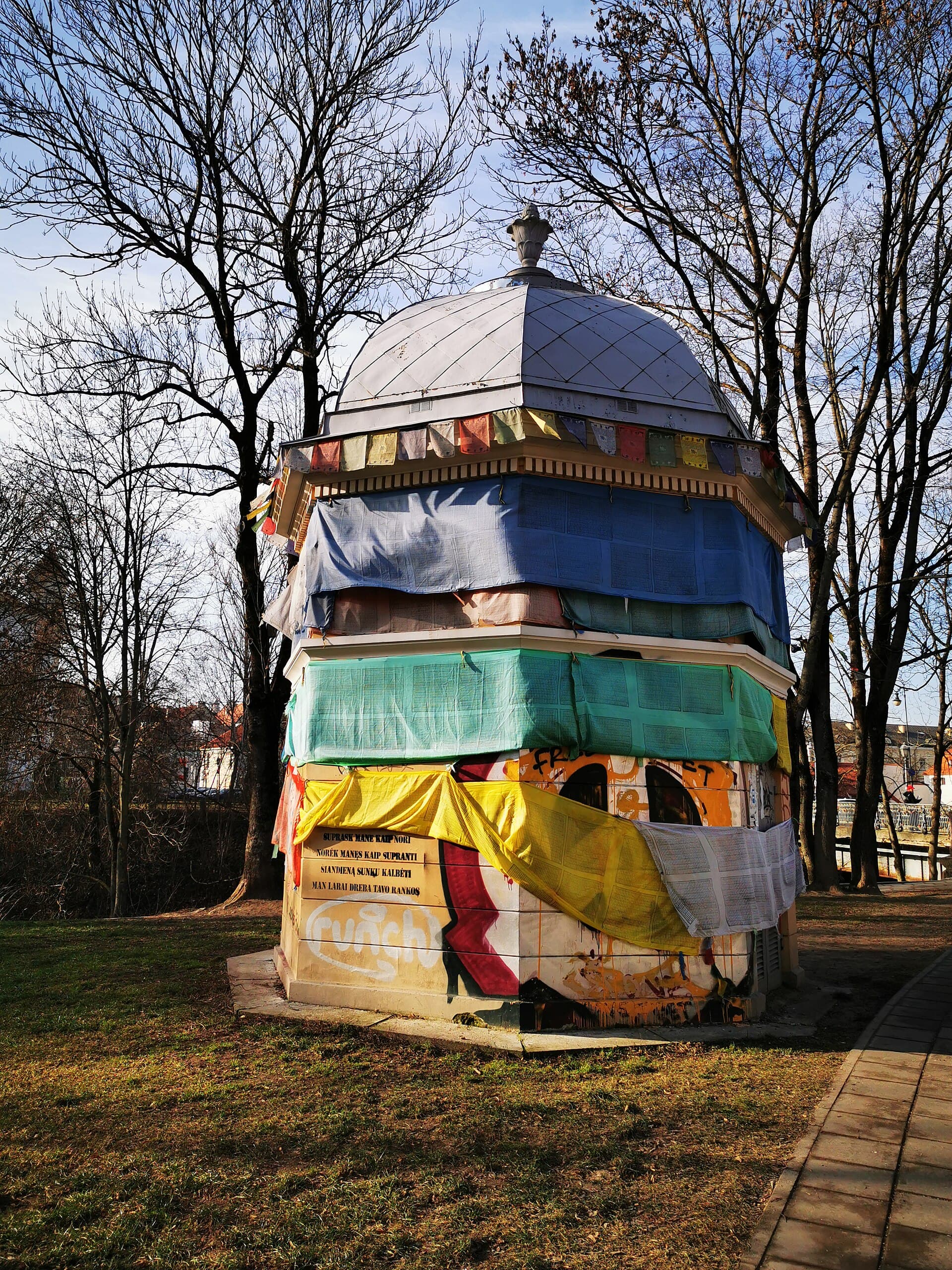 Tibet SquareA small square near the Užupis district of Vilnius, formally dedicated to Tibet 5 minutes walk4.6
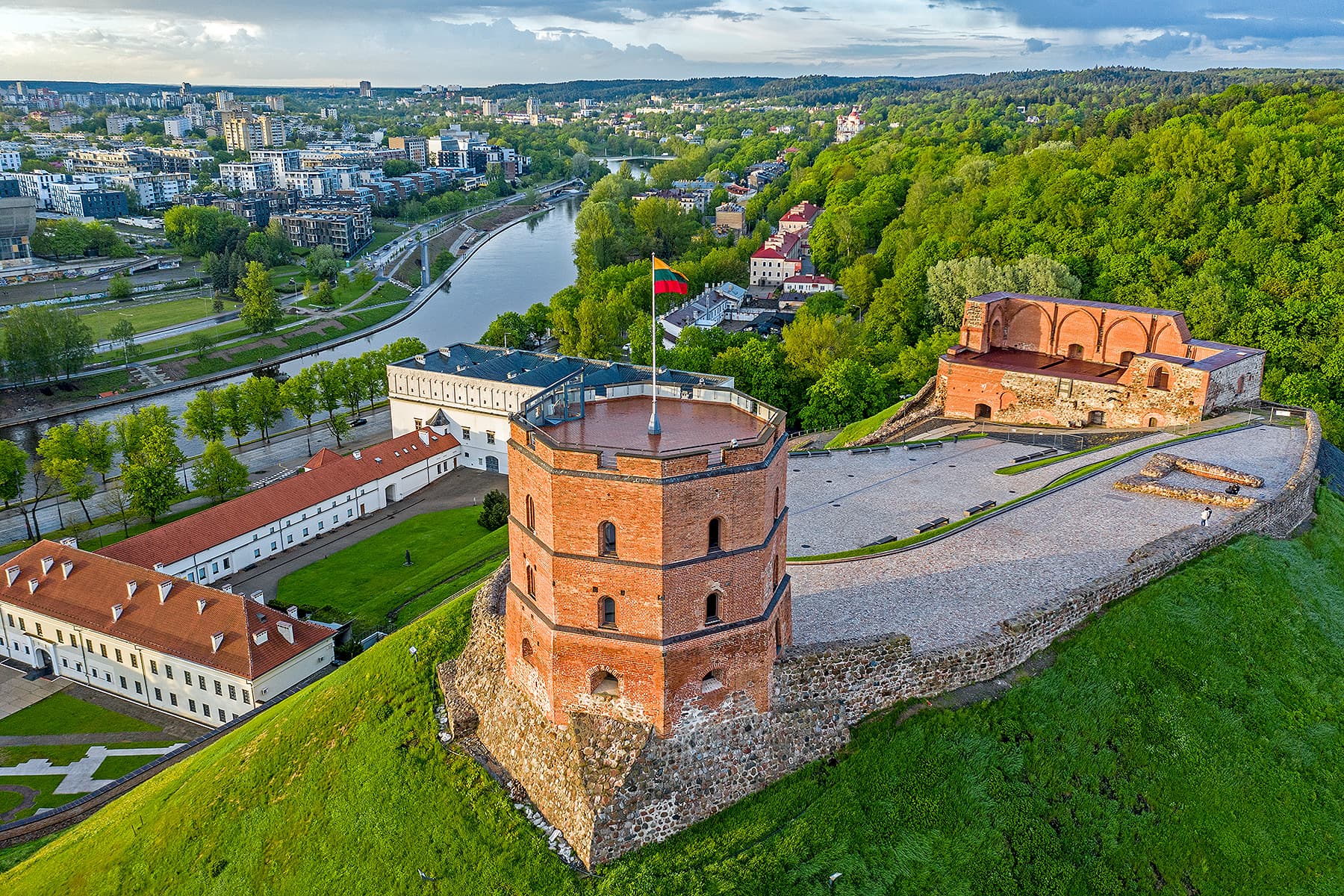 Gediminas' TowerAll that survives of Vilnius's Upper Castle, and the nation's emblem: the octago6 minutes walk4.8
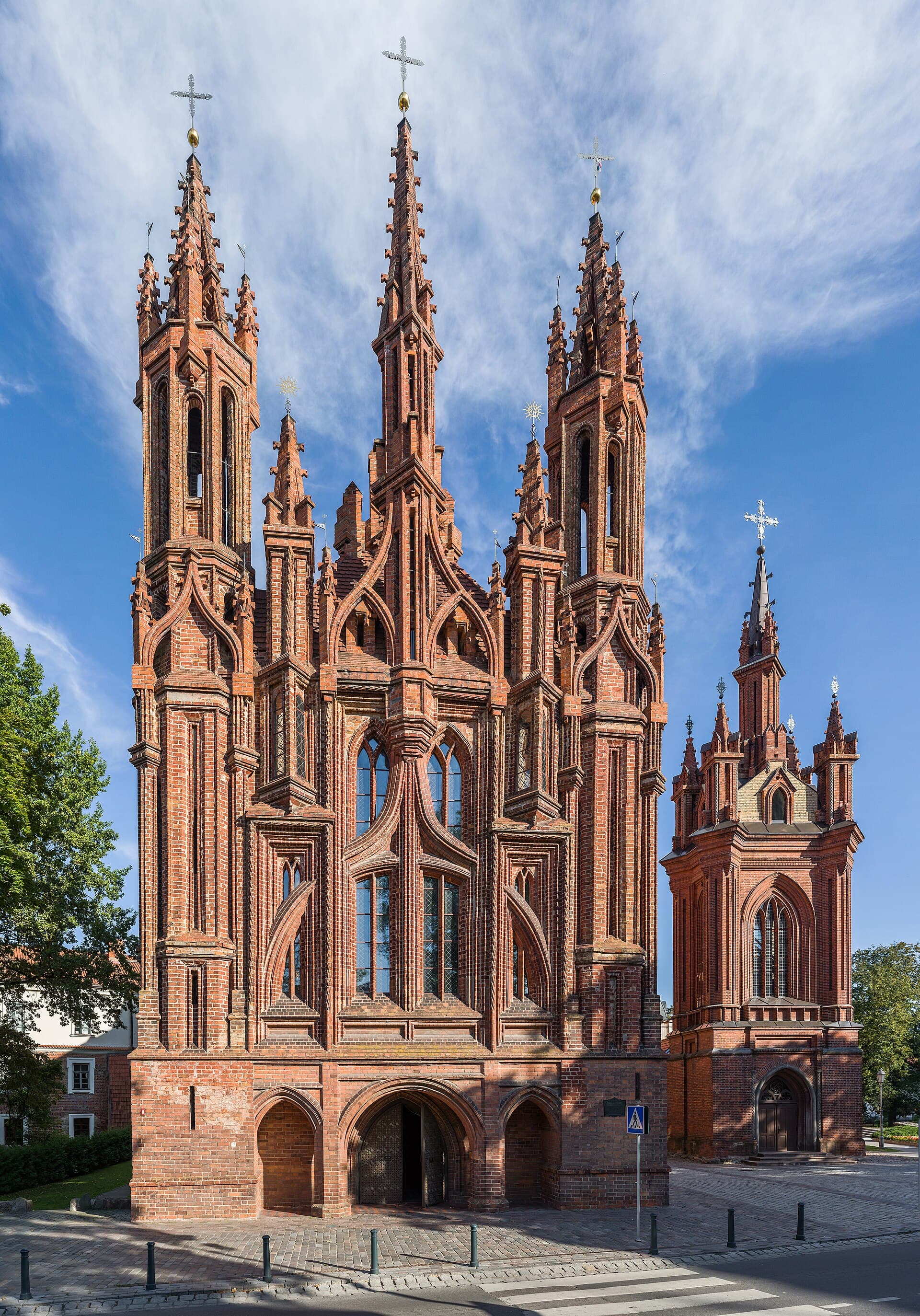 The Church of St AnneThe church Napoleon wanted to carry to Paris: St Anne's (1500) is the summit of 6 minutes walk4.9
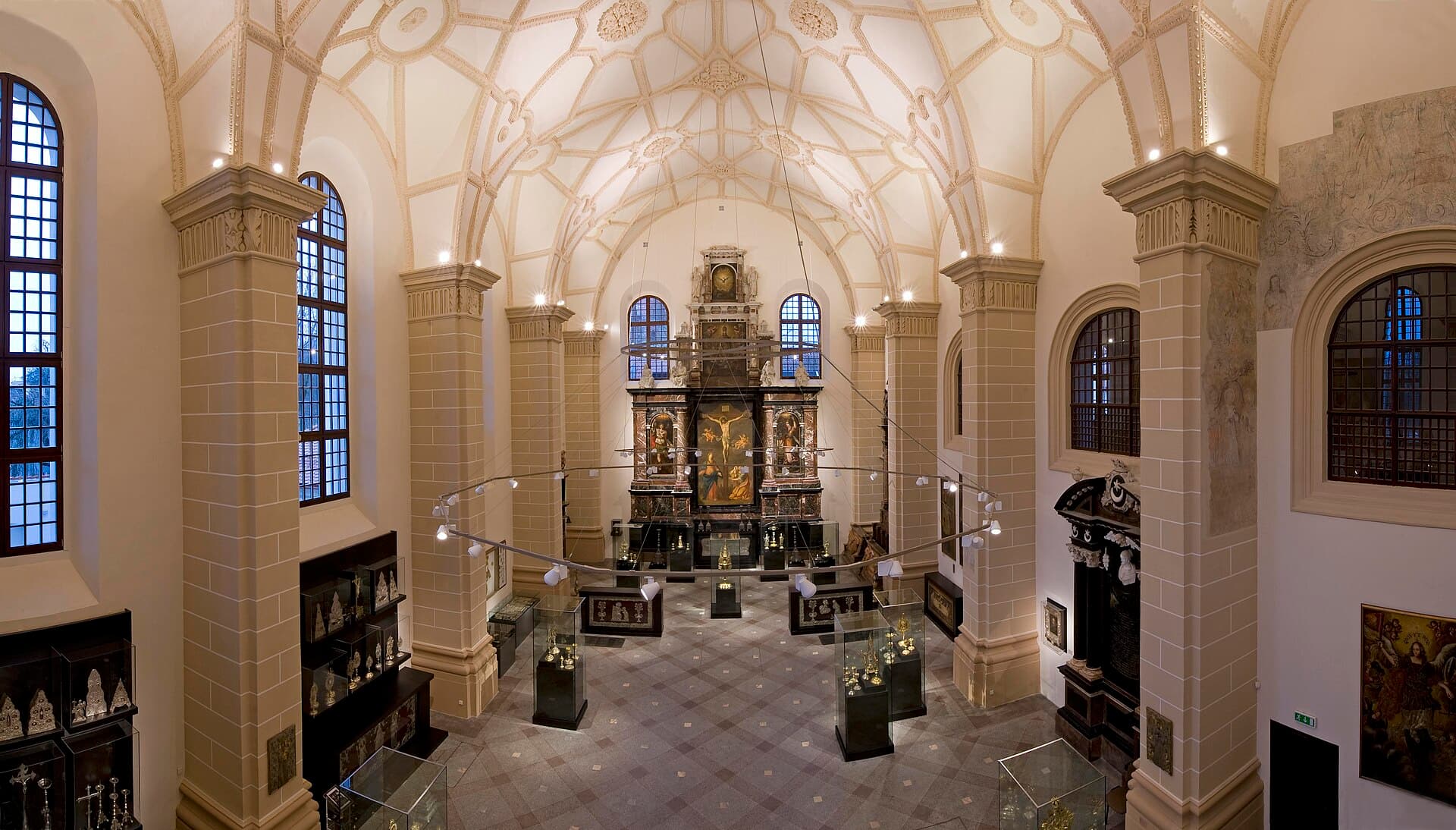 Church Heritage MuseumA museum in a former seventeenth-century church and convent, showing the treasur7 minutes walk4.6
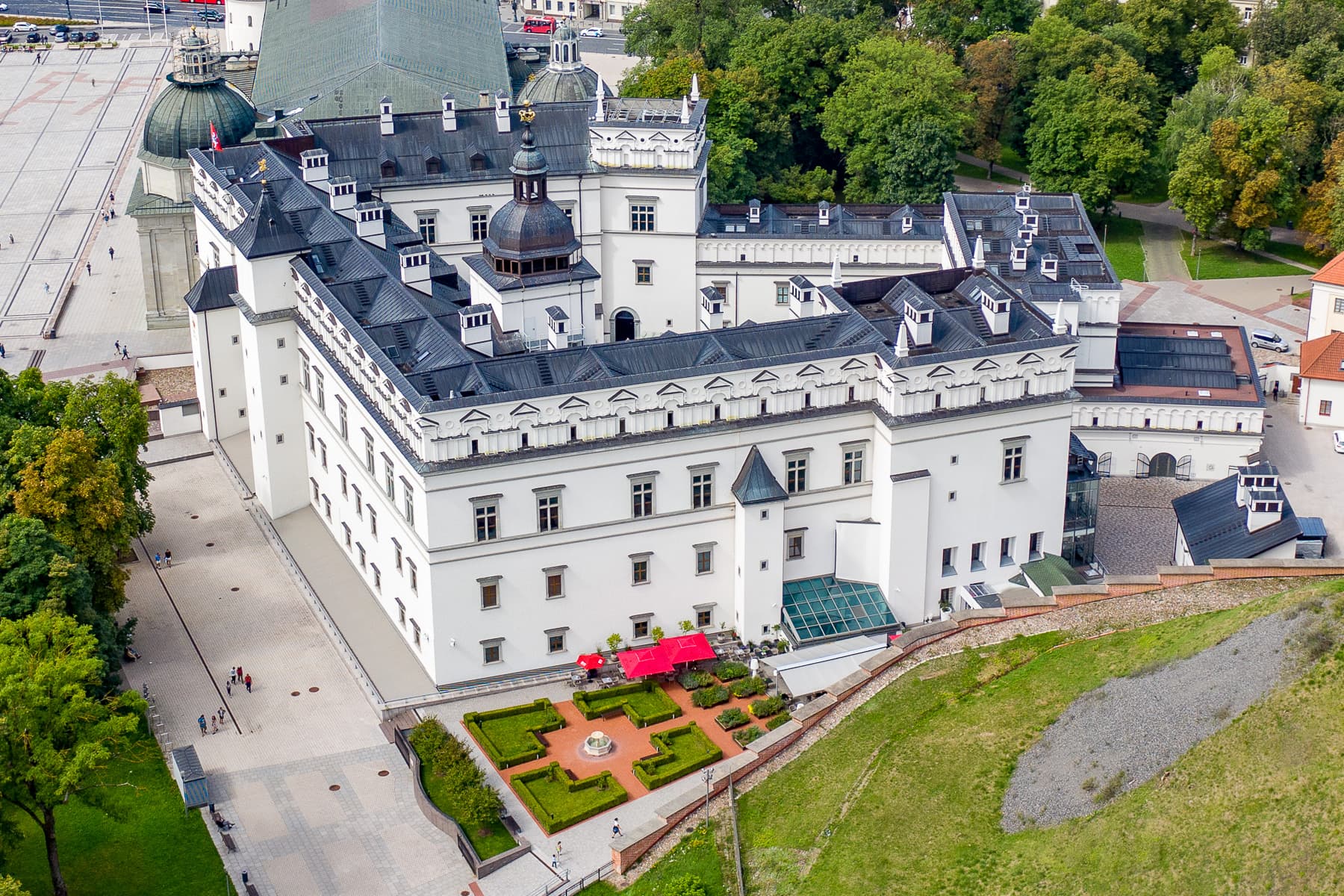 Palace of the Grand Dukes of LithuaniaA palace rebuilt from nothing to return a nation to its history: this was the se7 minutes walk4.8
From Užupis over the Vilnia bridge and up the forest steps, or from Kalnai Park on the gentler side; twenty minutes in ordinary shoes.