
Brazil's first match
In 1914.
Alexandre Magno Barreto Berwanger — CC BY-SA 4.0 · Alexandre Magno Barreto Berwanger — CC BY-SA 4.0 · Alexandre Magno Barreto Berwanger — CC BY-SA 4.0 · Alexandre Magno Barreto Berwanger — CC BY-SA 4.0 · Unknown authorUnknown author — Public domain · Unknown authorUnknown author — Public domain
The Laranjeiras Stadium, officially the Estádio Manoel Schwartz, is one of the oldest football grounds in Brazil, built in 1905 and owned by Fluminense, one of Rio's most traditional clubs, beside its historic headquarters in the Laranjeiras district. The club bought the plot in 1902, and its first stands held 5,000 people. The stadium saw founding moments of Brazilian football: the national team played its first-ever match here in 1914, against the English club Exeter City, winning 2–0. It was enlarged in 1919 to hold 19,000 and hosted every match of that year's South American Championship, which Brazil won for the first title in its history. Today the ground holds about 6,000 and has not staged professional matches since 2003 because of its small capacity, serving as the club's training ground. It can be seen from the street, the neighbouring Fluminense headquarters is a handsome eclectic palace, and football fans should ask about the tours the club runs.
In 1914.
An eclectic palace.
Brazil's first.
Rua Pinheiro Machado, Laranjeiras, Rio de Janeiro
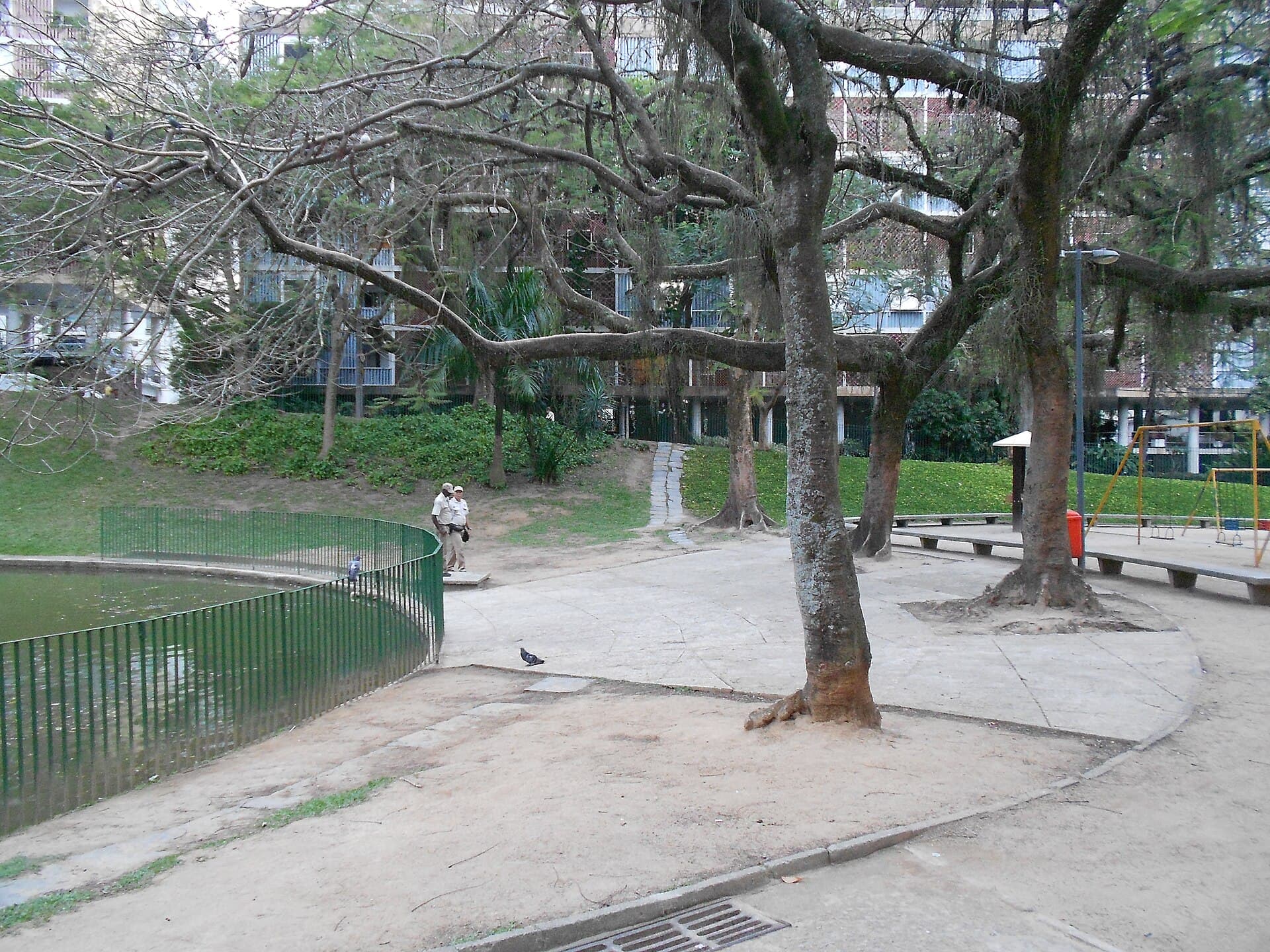 Parque GuinleParque Eduardo Guinle, «Guinle» to locals, is a quiet public park of about 24,759 minutes walk4.8
 Largo do MachadoLargo do Machado is a public square in Rio de Janeiro's Catete district, where t11 minutes walk4.2
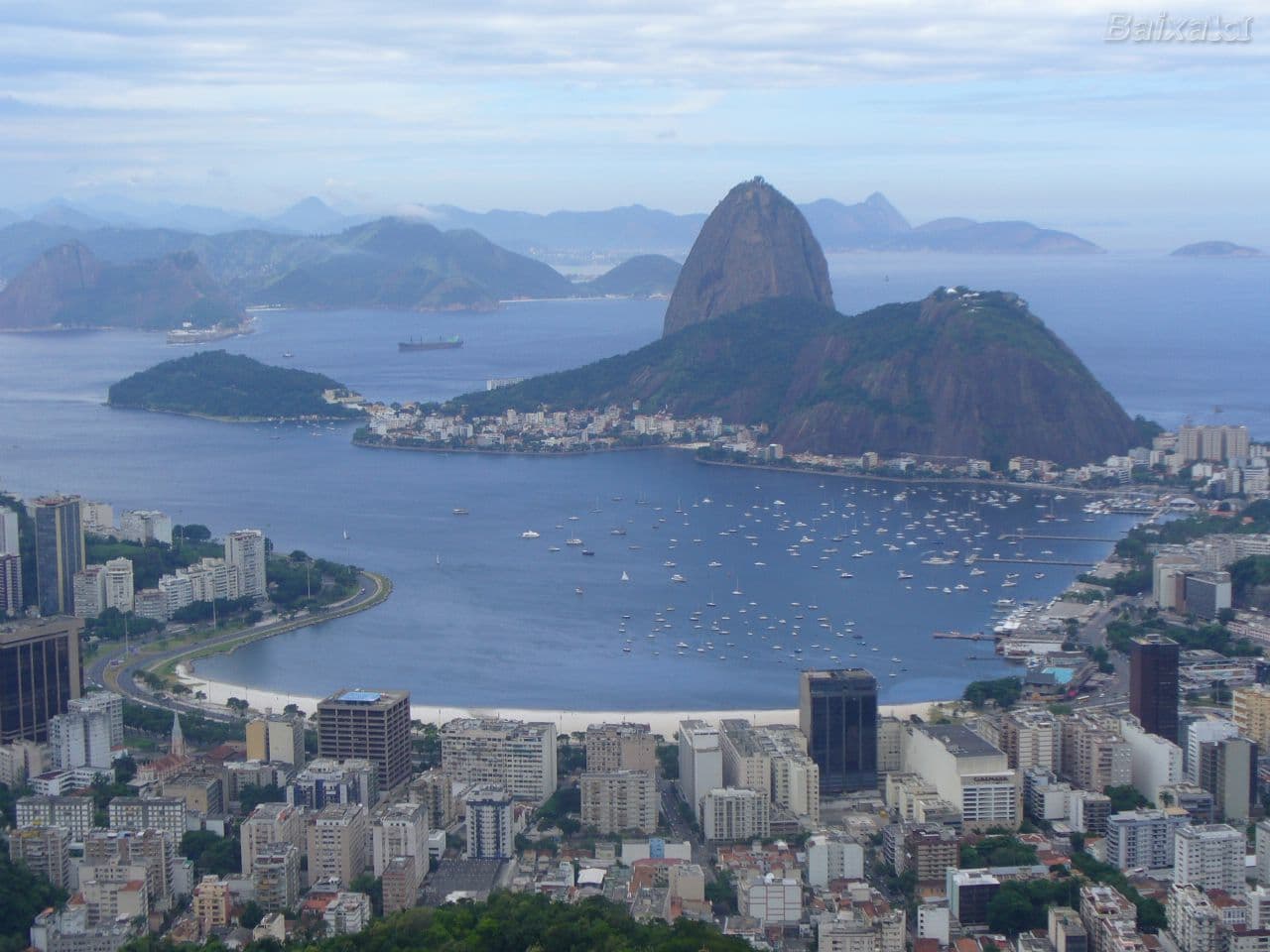 Praia de BotafogoBotafogo Bay is one of Brazil's most famous views: a calm arc of sand and water 13 minutes walk4.6
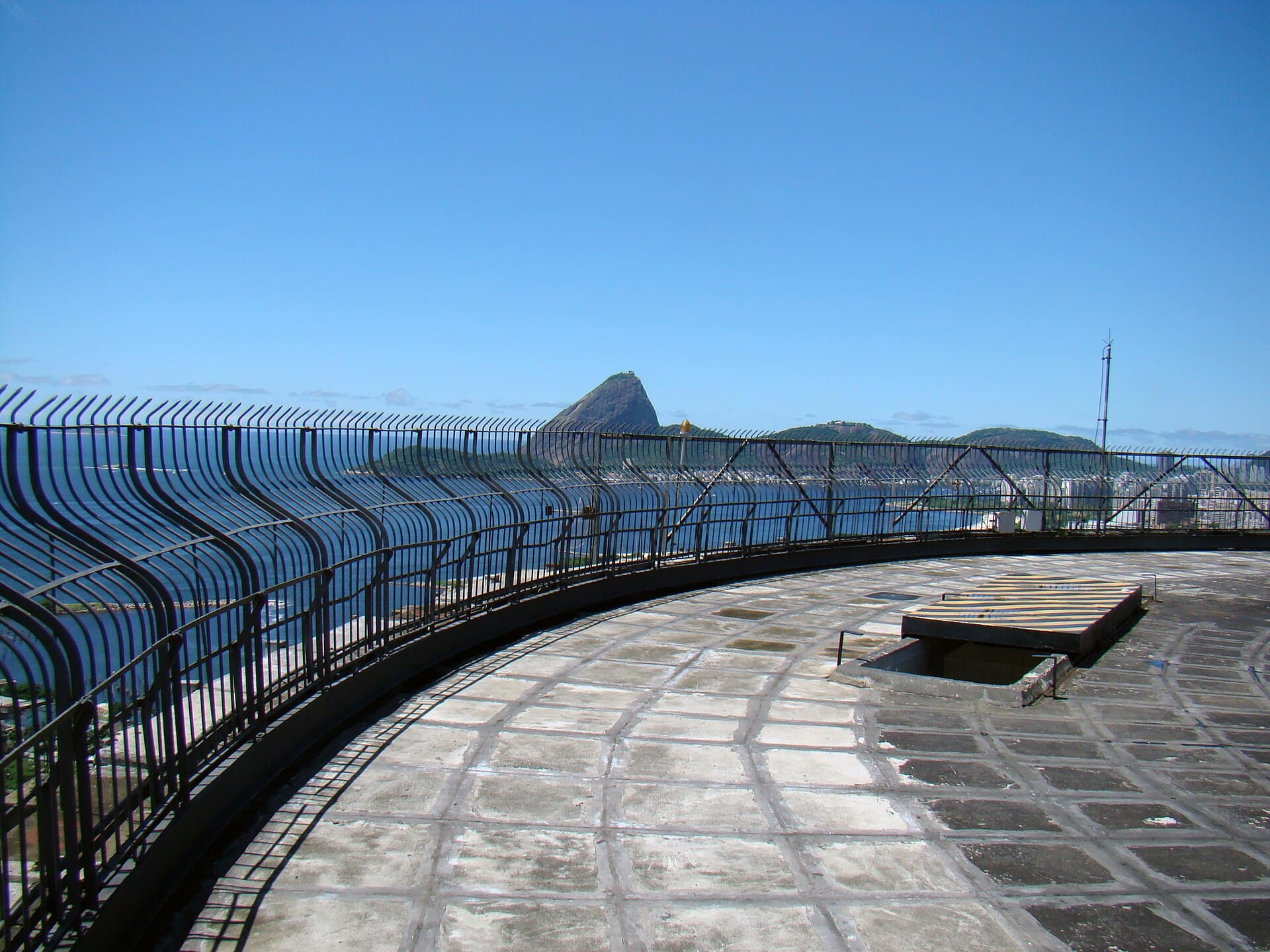 Flamengo ParkFlamengo Park, also called the Aterro do Flamengo, is Rio de Janeiro's largest p18 minutes walk4.6
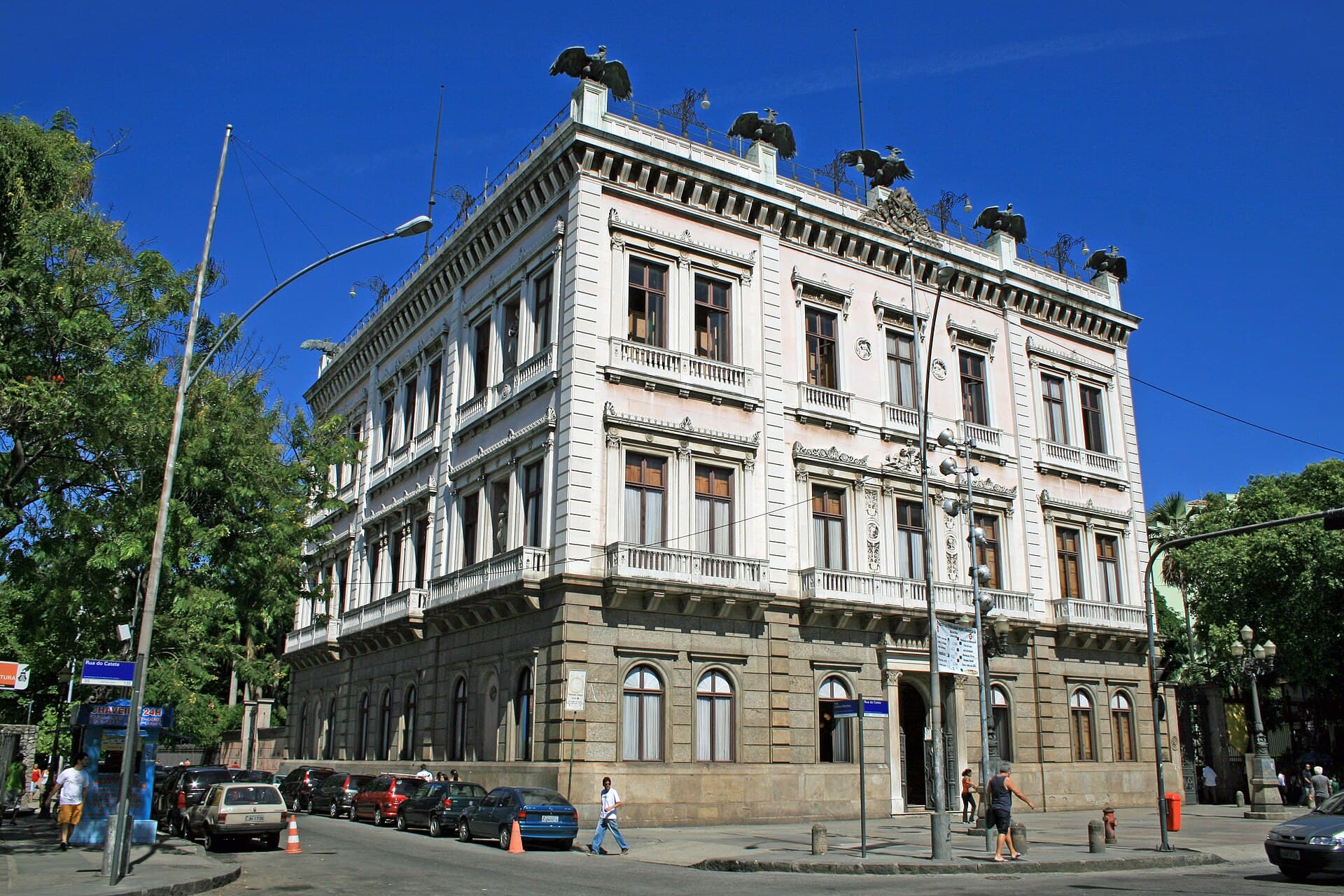 Catete Palace (Museum of the Republic)The Catete Palace, built between 1858 and 1867 in Flamengo for the Baron of Nova18 minutes walk4.9
At the Laranjeiras Stadium in Rio in 1914, against England's Exeter City, winning 2–0.