
Murillo's church
The great Virgins beneath the convent's gilded dome.
Pepe Morón — CC BY 4.0 · Katsushika Hokusai, published by Nishimuraya Yohachi (Eijudō) (1760 - 1849) – Artist (Japanese) Details on Google Art Project — Public domain · Slaunger — CC BY-SA 3.0 · Daderot — CC0
Seville's Fine Arts Museum earns its "Prado of the South" name twice over: the world's first collection of the Sevillian Golden Age — in a setting that is itself a treasure: a seventeenth-century Mercedarian convent of three stepped courtyards and azulejos, where the great religious canvases hang in the original gilded church, seen as they were born to be seen. Here is the city's own Murillo with his tenderest Virgins and urchins, Zurbarán's stern monastic light, Valdés Leal's terrifying majesty — the Golden Age when Seville, gateway of the Americas and richest city on earth, painted its faith with incoming gold. At about two euros (free for EU citizens) it is Andalusia's cheapest greatness — and Sunday morning's amateur painting market in its square is a lovely local tradition.
The great Virgins beneath the convent's gilded dome.
Courts and azulejos — the building is half the collection.
Monastic rigour and mortal terror — the Golden Age's other faces.
Plaza del Museo 9, 41001 Seville
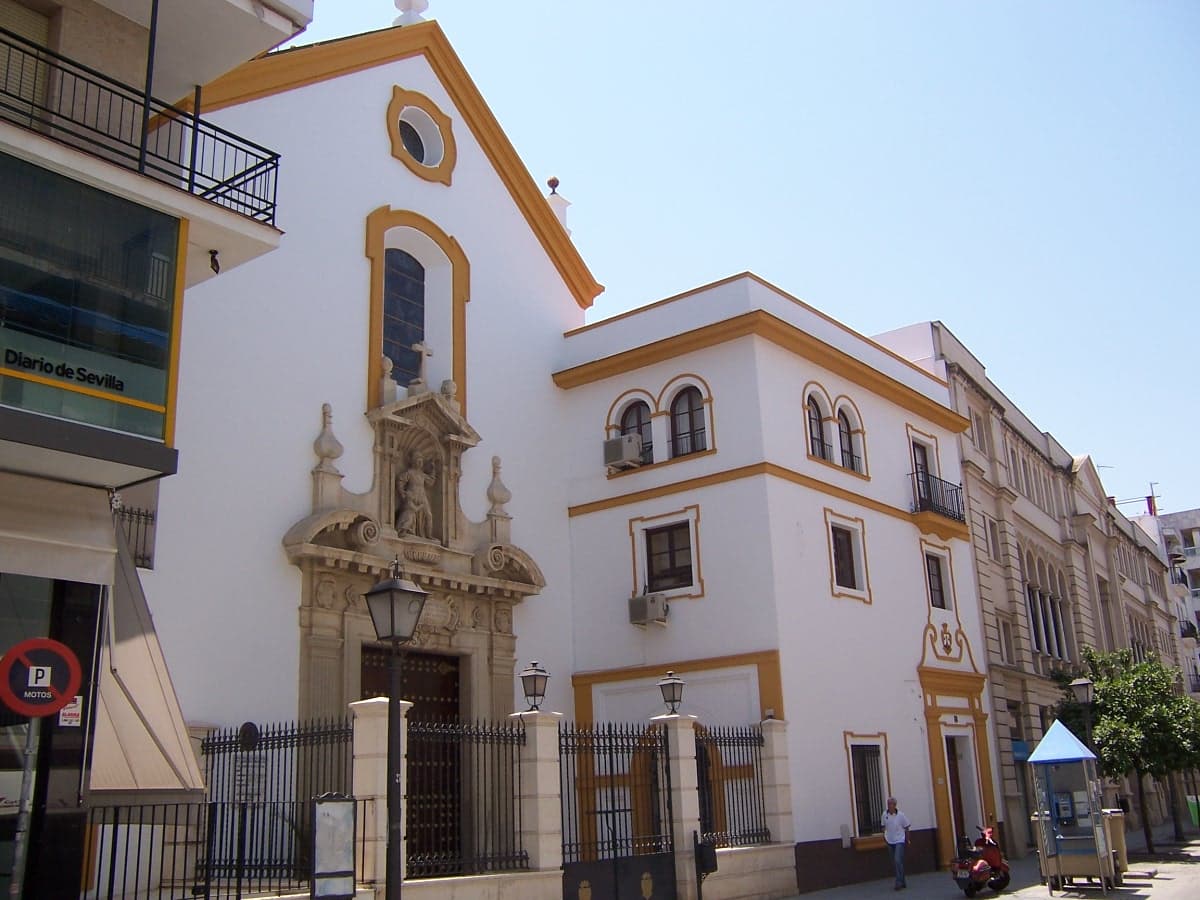 Church and Museum of Santo ÁngelA seventeenth-century church in central Seville, formerly attached to a Carmelit5 minutes walk4.7
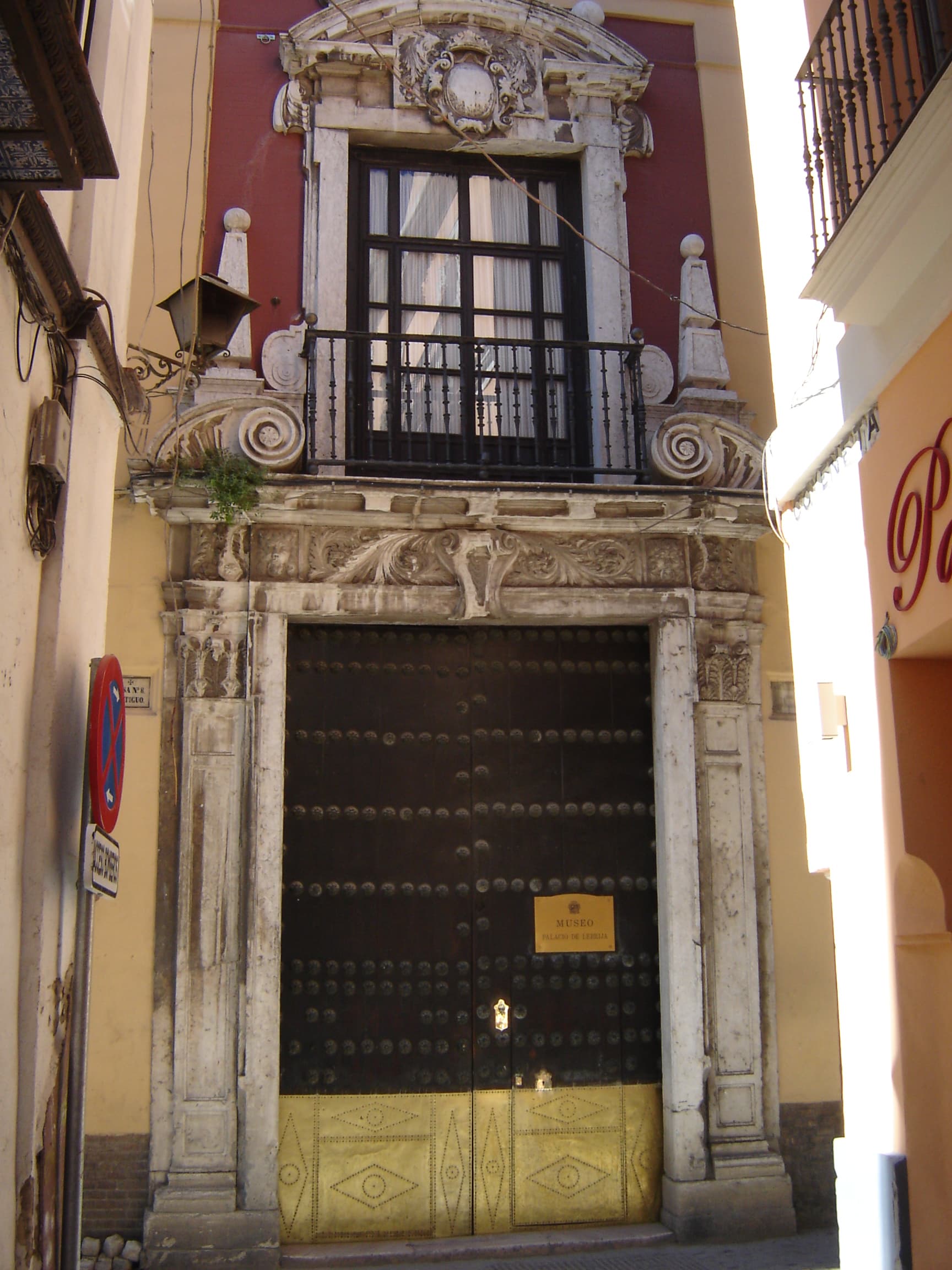 Palace of the Countess of LebrijaThe Lebrija palace houses Seville's strangest passion: the antiquity-loving Coun7 minutes walk4.6
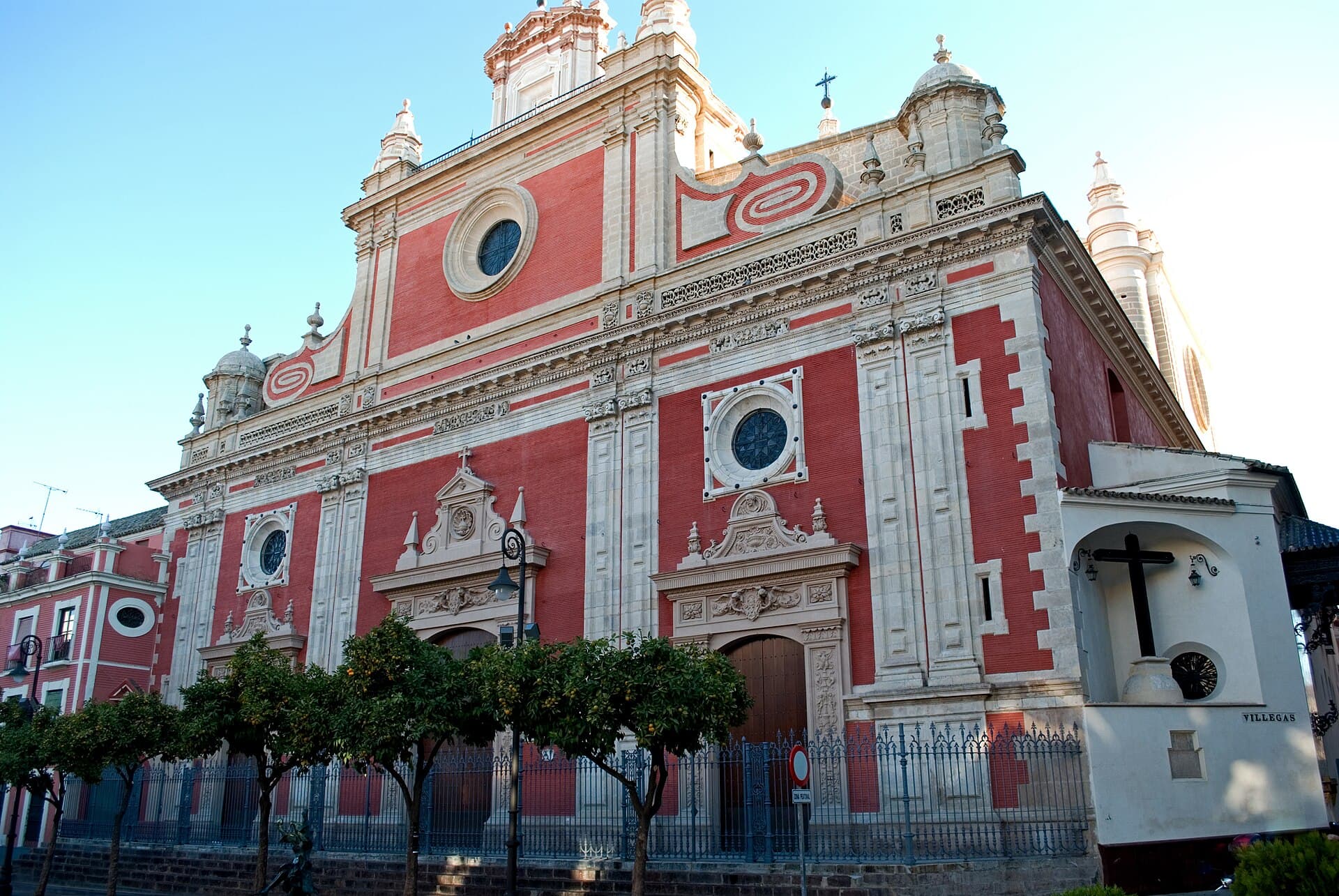 Church of El SalvadorSeville's second largest church after the cathedral, standing on a square in the9 minutes walk4.7
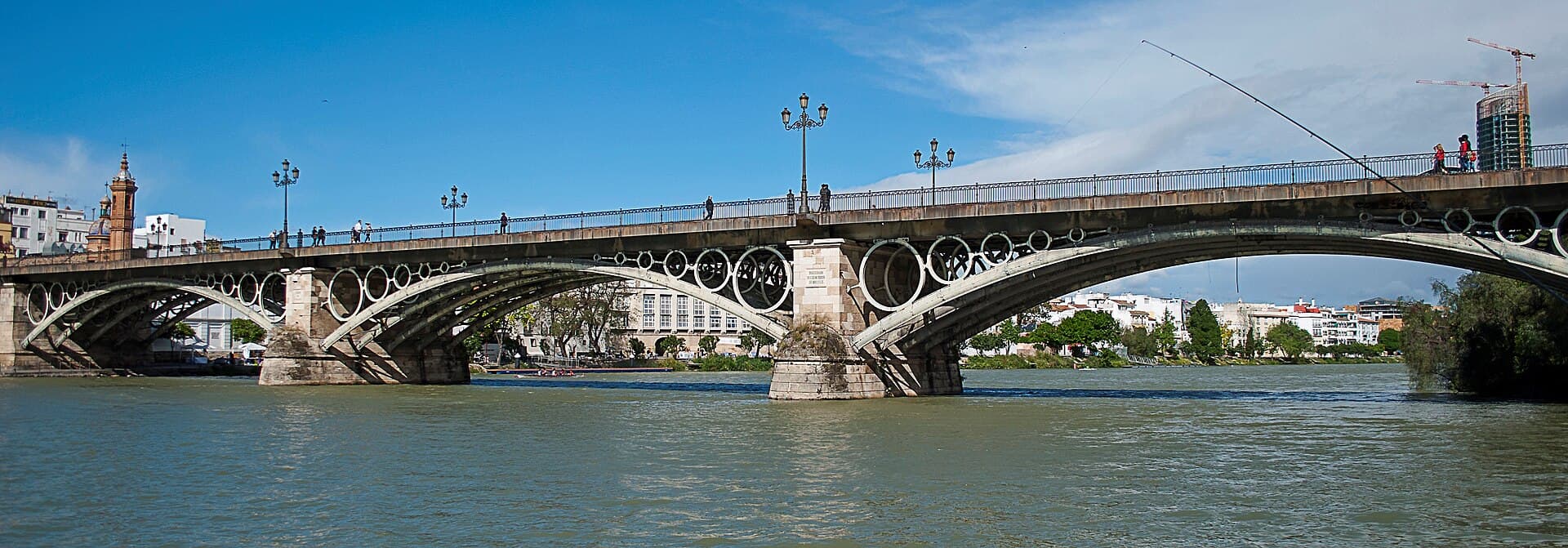 Triana BridgeThe iron bridge linking the historic centre with the Triana district across the 9 minutes walk4.6
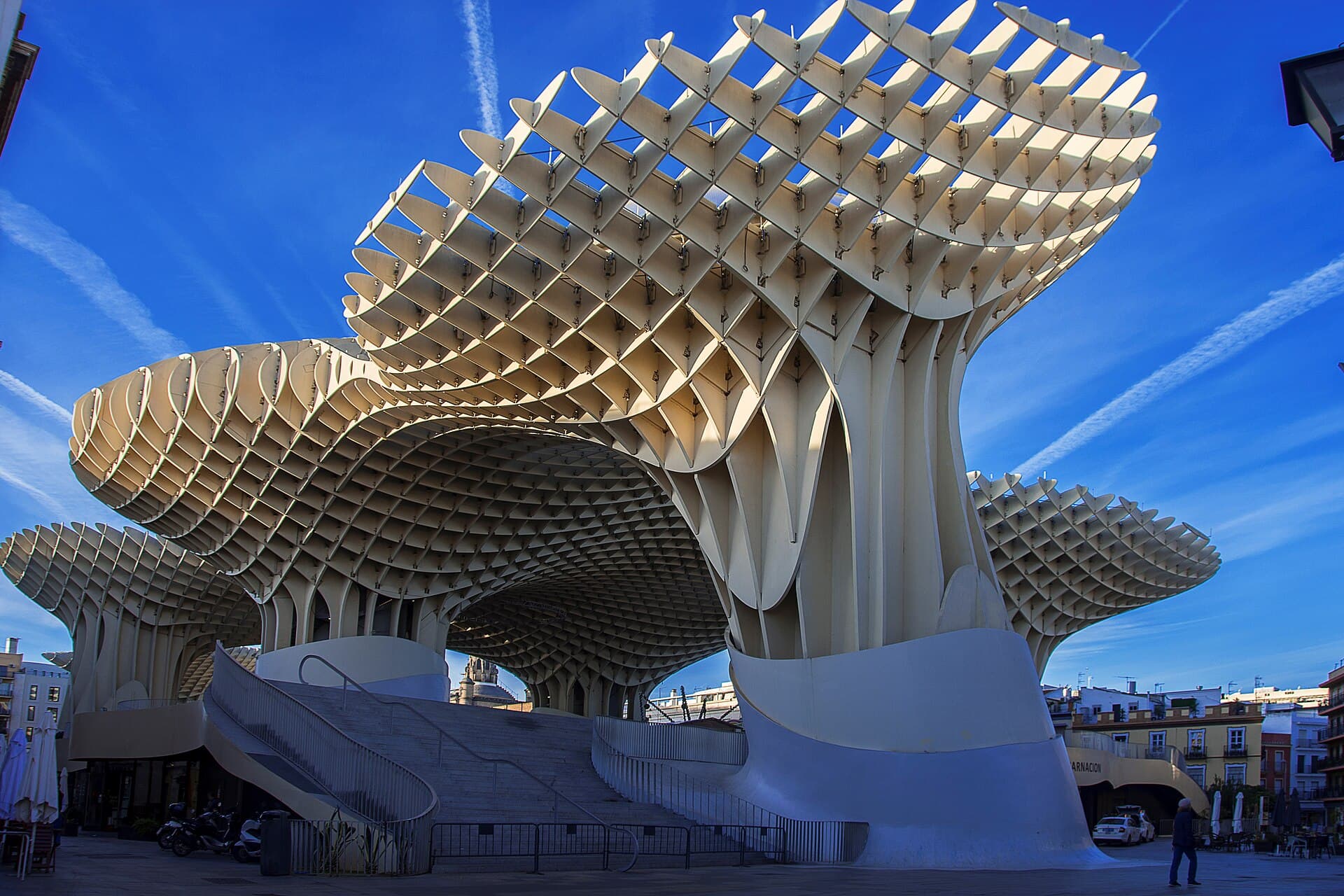 Setas de Sevilla (Metropol Parasol)"The mushrooms" — as Sevillians named them on sight — form the world's largest t9 minutes walk4.3
One hour explains Golden Seville: the city funding Europe's tenderest sacred art with ocean profits. And the convent itself is pure architectural pleasure — at two euros there is no question to ask.