
Arches over the water
The bridge's known image, best framed from the Triana bank rather than the centre side.
Anual — CC BY-SA 4.0 · Gregory Zeier — CC BY-SA 3.0 · Anual — CC BY-SA 4.0 · Gzzz — CC BY-SA 4.0
The iron bridge linking the historic centre with the Triana district across the Guadalquivir, officially the Puente de Isabel II. It was built in the middle of the nineteenth century and is among the oldest surviving iron bridges in Spain. The repeated iron arches over the water are its known image, usually photographed from the Triana bank with the houses of the far side behind. At sunset the view is among the better ones in Seville. Its real value is as a crossing rather than a destination: you walk it in minutes to move from the tourist centre into Triana, the district historically tied to ceramics, sailors and flamenco, which still keeps a character entirely different from the other bank. Crossing is free and possible at any hour. Make it part of an evening walk: cross into Triana, walk Calle Betis along the bank, then come back with the lights on.
The bridge's known image, best framed from the Triana bank rather than the centre side.
You cross it into a district of quite different character: ceramics, sailors and flamenco.
Cross at sunset, walk Calle Betis, return with the lights on — the best use of the bridge.
Puente de Isabel II, between the centre and Triana, Seville
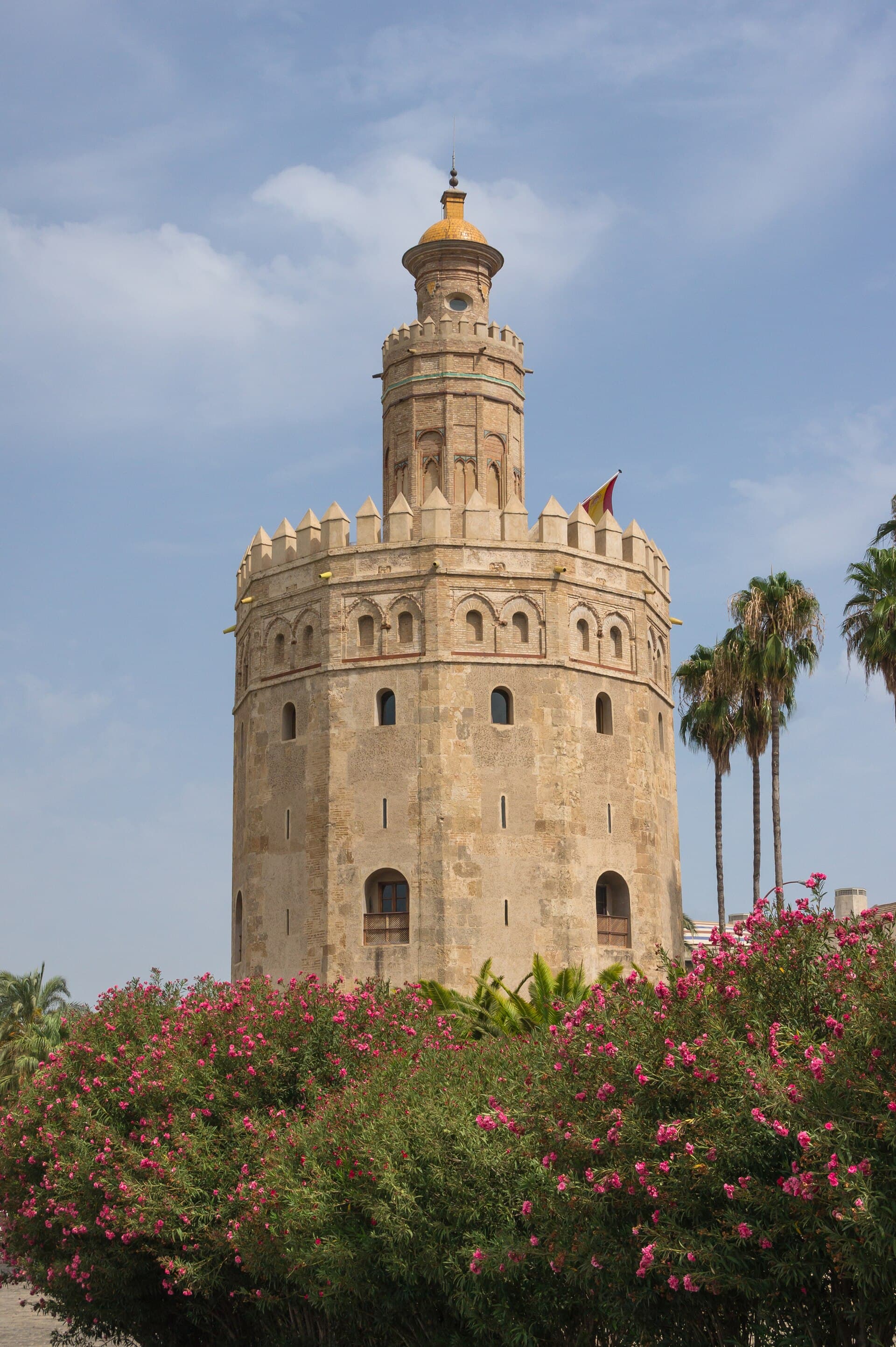 Torre del OroThe Tower of Gold has guarded Seville's river for eight hundred years — Almohad-9 minutes walk4.6
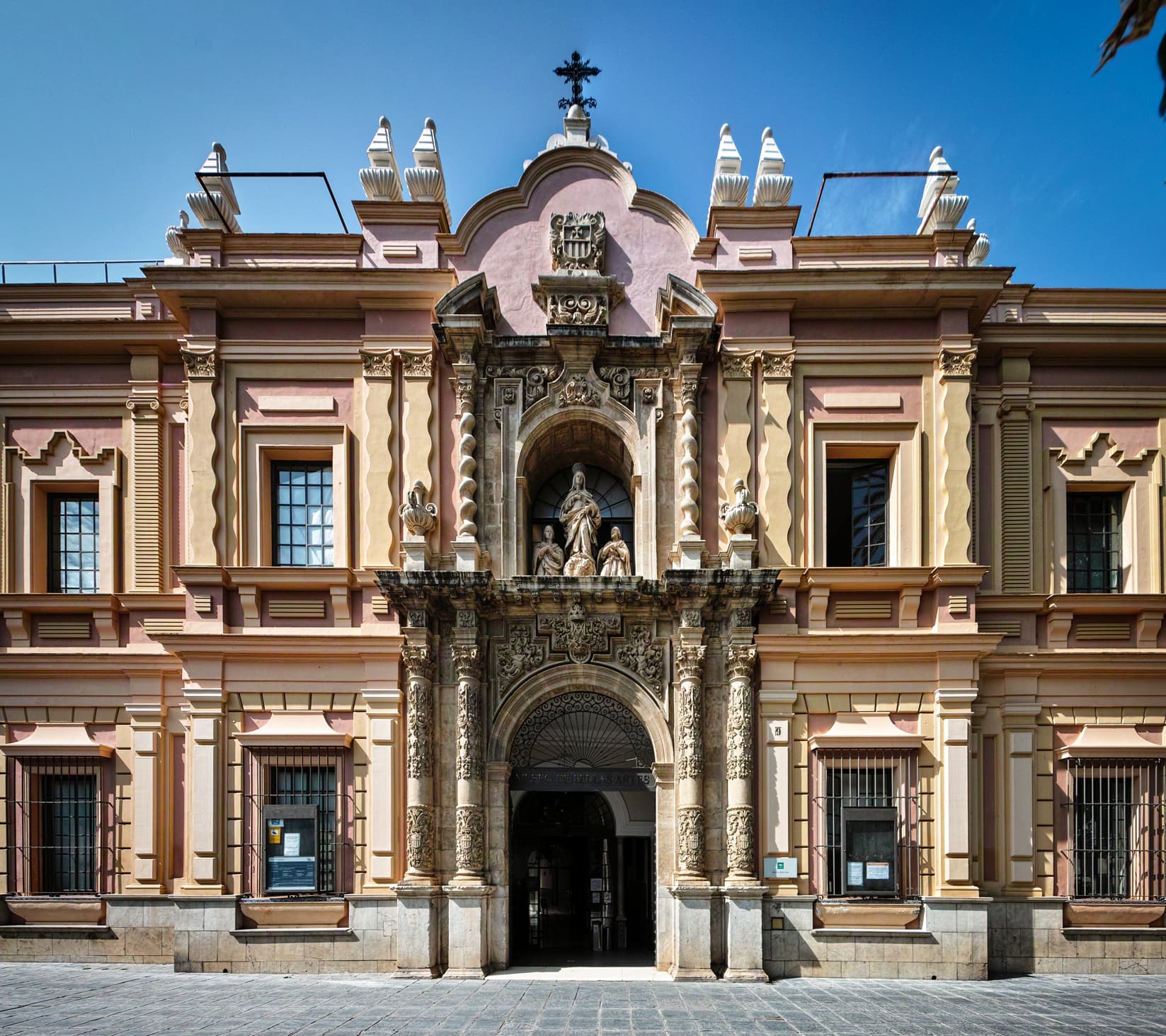 Museum of Fine ArtsSeville's Fine Arts Museum earns its "Prado of the South" name twice over: the w9 minutes walk4.6
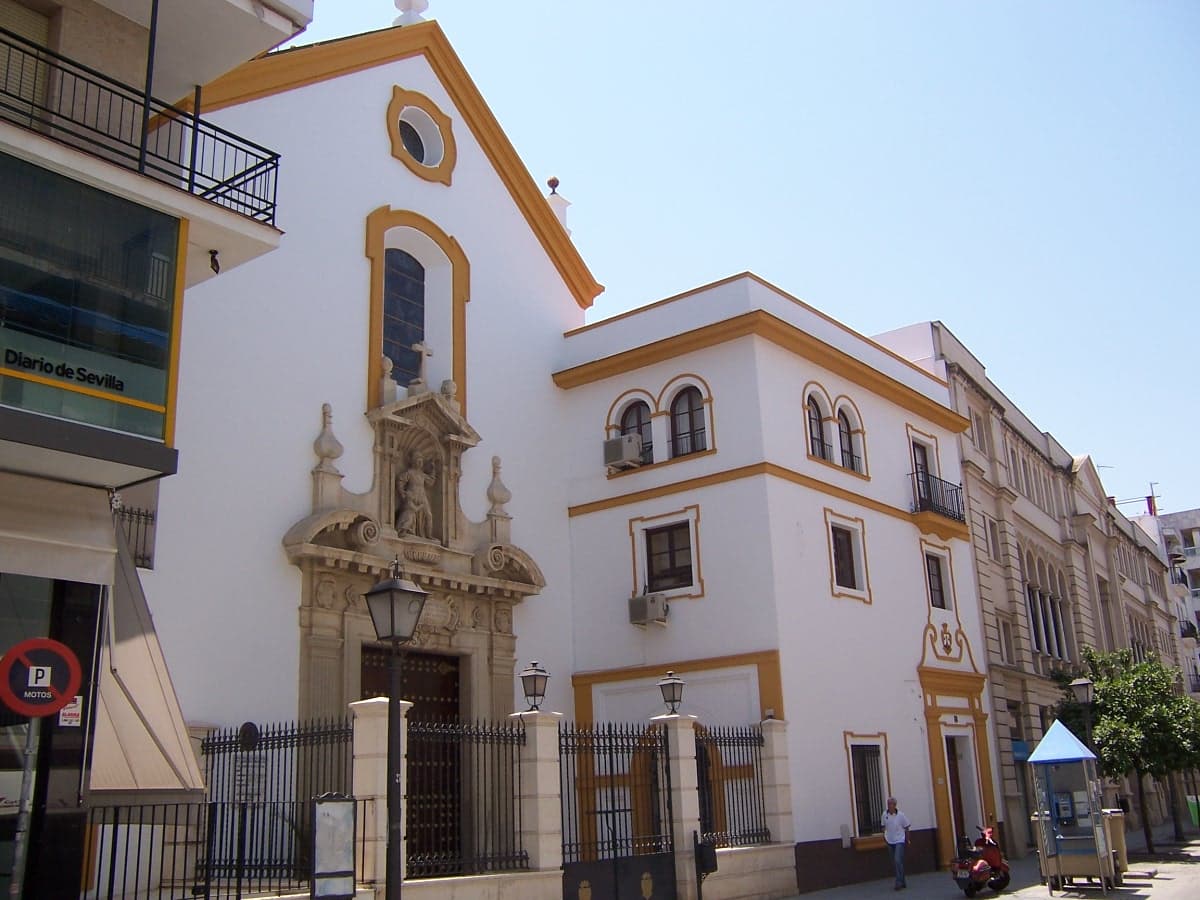 Church and Museum of Santo ÁngelA seventeenth-century church in central Seville, formerly attached to a Carmelit9 minutes walk4.7
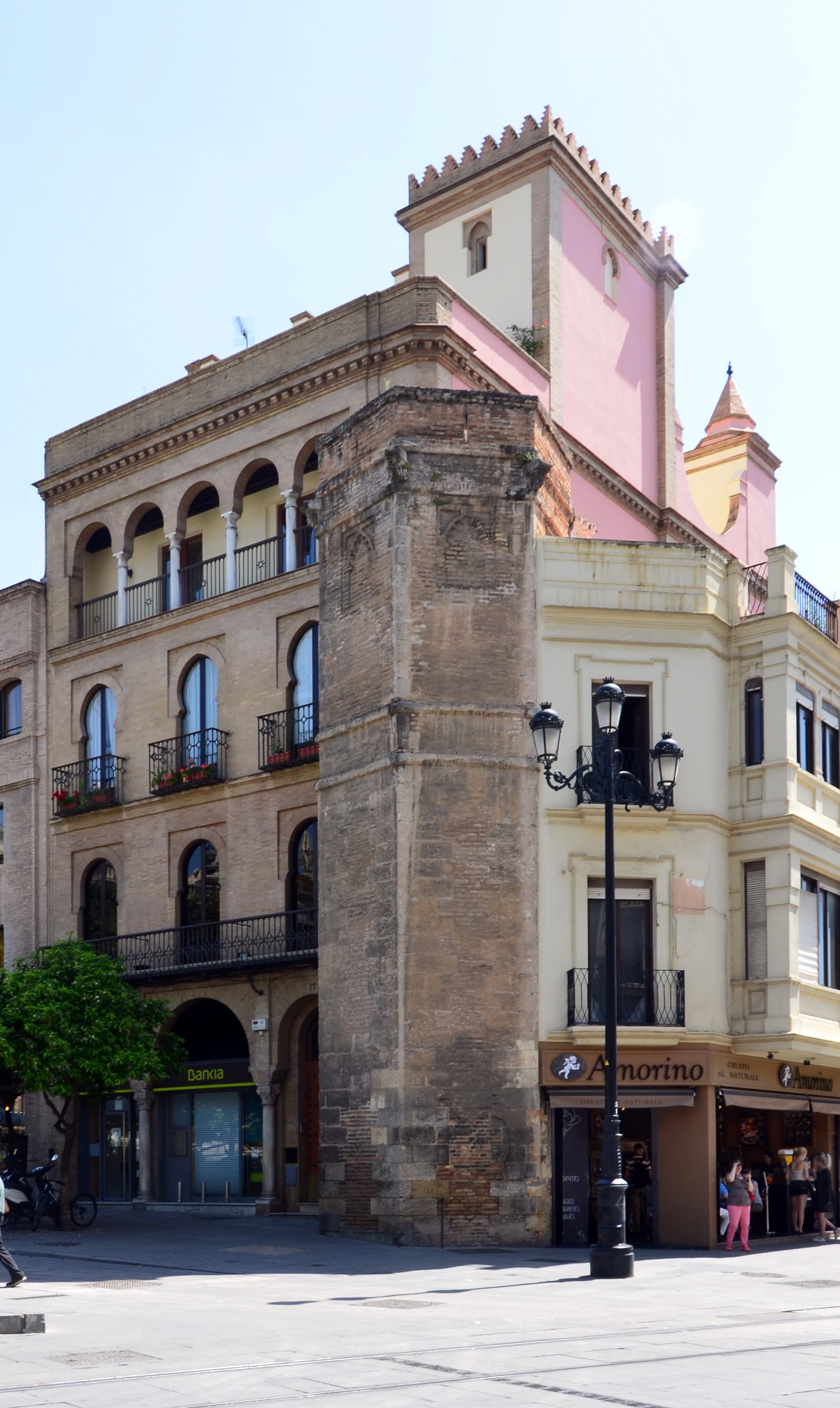 Torre de Abd el AzizAn octagonal Almohad tower on the Avenida de la Constitución in central Seville,10 minutes walk4.3
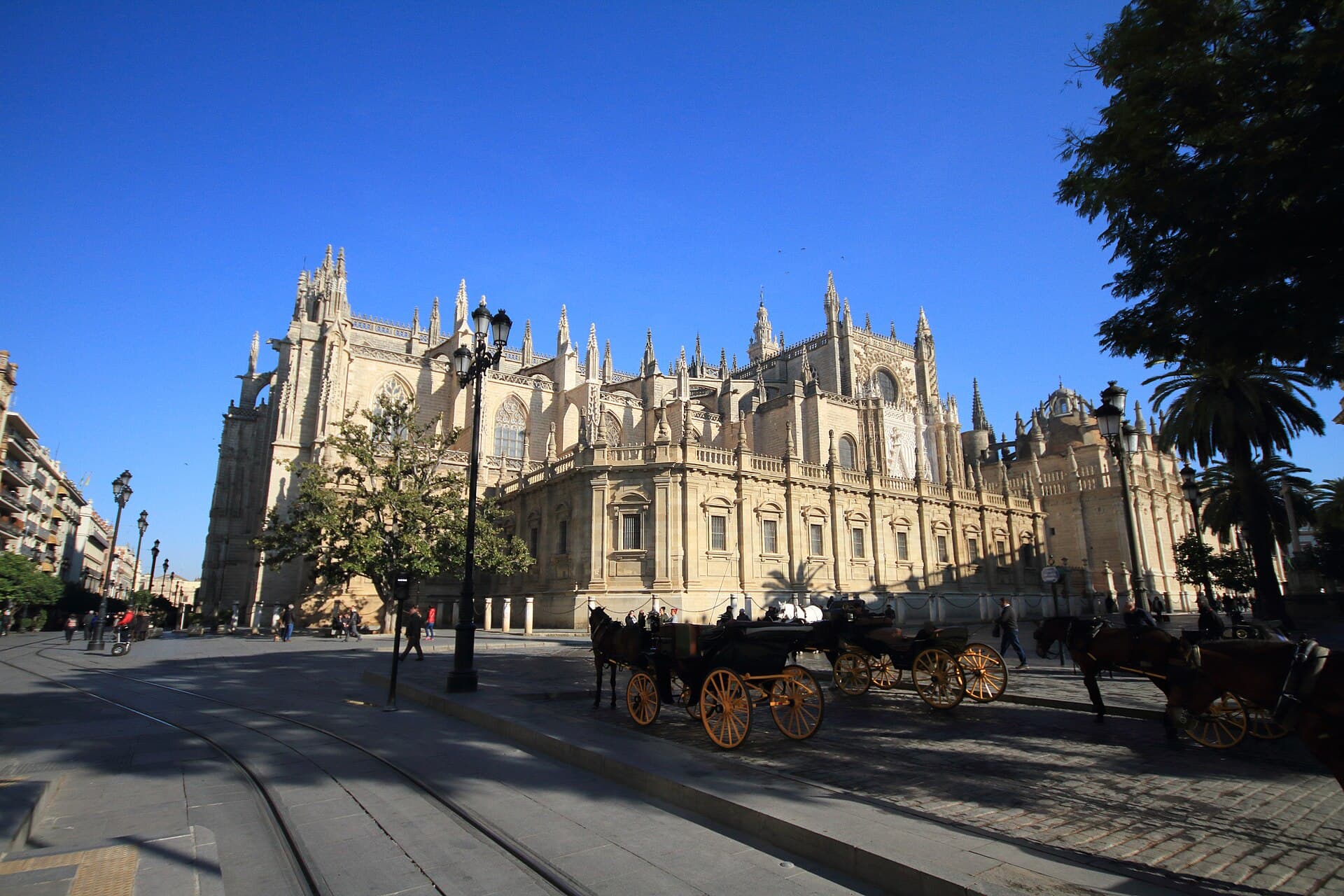 Seville Cathedral & the GiraldaSeville's cathedral is the world's largest Gothic cathedral — and its story begi10 minutes walk4.9
It was historically the district of sailors and potters and is tied to flamenco, and it remains less touristic than the centre. Calle Betis on the bank, the covered market and the ceramics shops are what visitors go for, and restaurant prices are generally lower than across the river.
From the Triana bank just north of the bridge, where the arches run across the water with the houses of the far side behind. The best time is shortly before sunset and just after, when the facades light up.