
The White Stork Synagogue
It survived Kristallnacht because burning it would have spread to German buildings nearby.
Andrzej Otrębski — CC BY-SA 4.0 · Matti Blume — CC BY-SA 4.0 · Matti Blume — CC BY-SA 4.0 · William Murphy from Dublin, Ireland — CC BY-SA 2.0
A small area in central Wrocław where four places of worship of four faiths stand within a few hundred metres: a Roman Catholic church, an Evangelical Lutheran church, an Orthodox church and a synagogue. The proximity is not a planning accident but a product of the city's history: Wrocław was Bohemian, then Austrian, then Prussian, then German, then Polish, and Catholics, Protestants, Jews and Orthodox lived here through centuries of shifting borders without the inhabitants moving. The name itself is recent: it was coined in the 1990s as a joint initiative by clergy of the four communities after the fall of communism, and grew into a cultural programme of shared festivals and events. The quarter today is also an area of cafés, bars and street art. The White Stork Synagogue of 1829 survived Kristallnacht because burning it would have spread to the German buildings around it, and it was restored after 2000. Walking the quarter is free; entering the places of worship depends on their hours.
It survived Kristallnacht because burning it would have spread to German buildings nearby.
The name and programme were launched in the 1990s jointly by the four communities.
The quarter today is a nightlife and street-art area, not only a historic site.
Between Kazimierza Wielkiego and Świdnicka streets, city centre
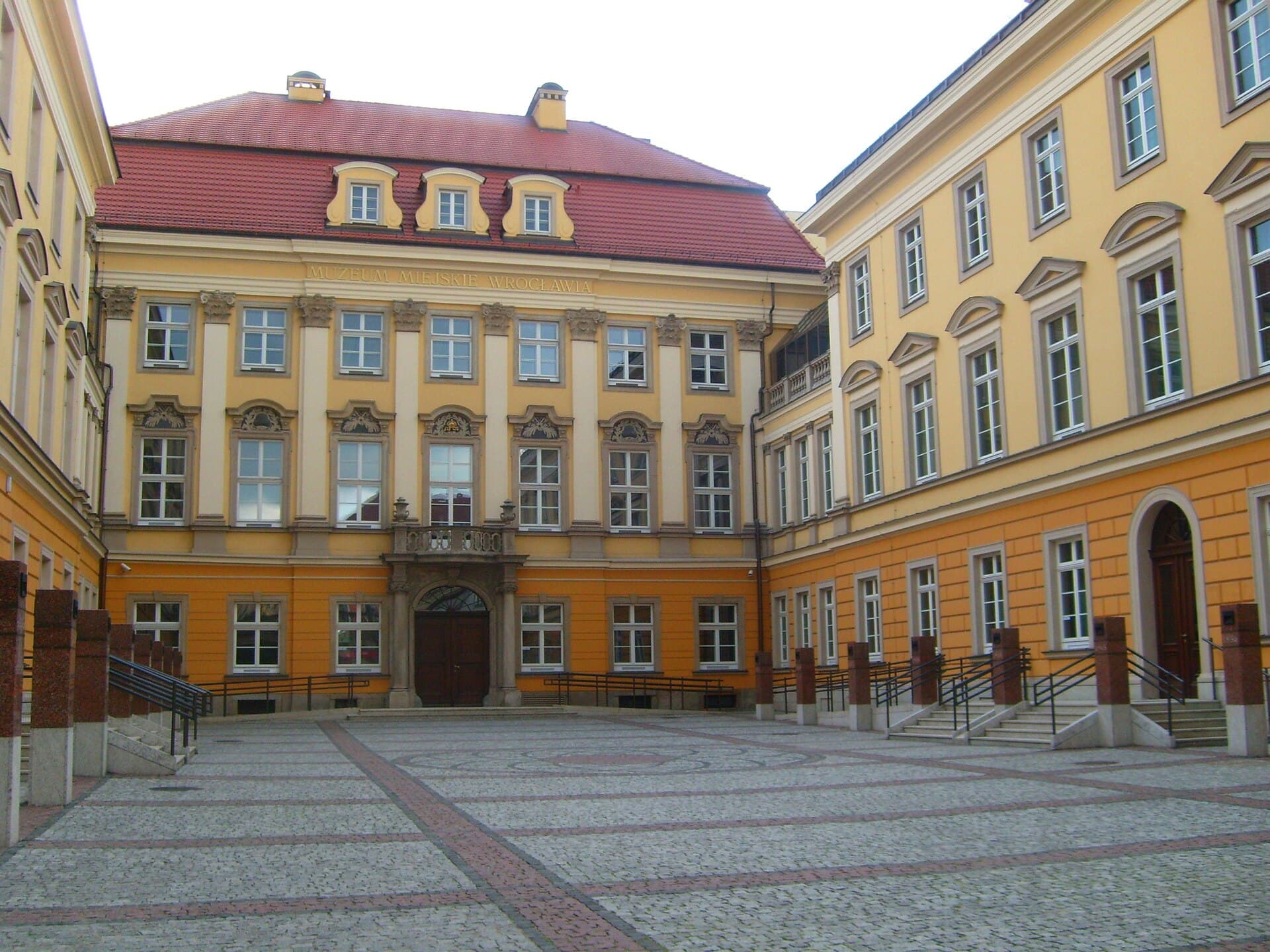 Museum of Medallic ArtA museum in Wrocław devoted to medallic art, among the few museums anywhere give3 minutes walk4.8
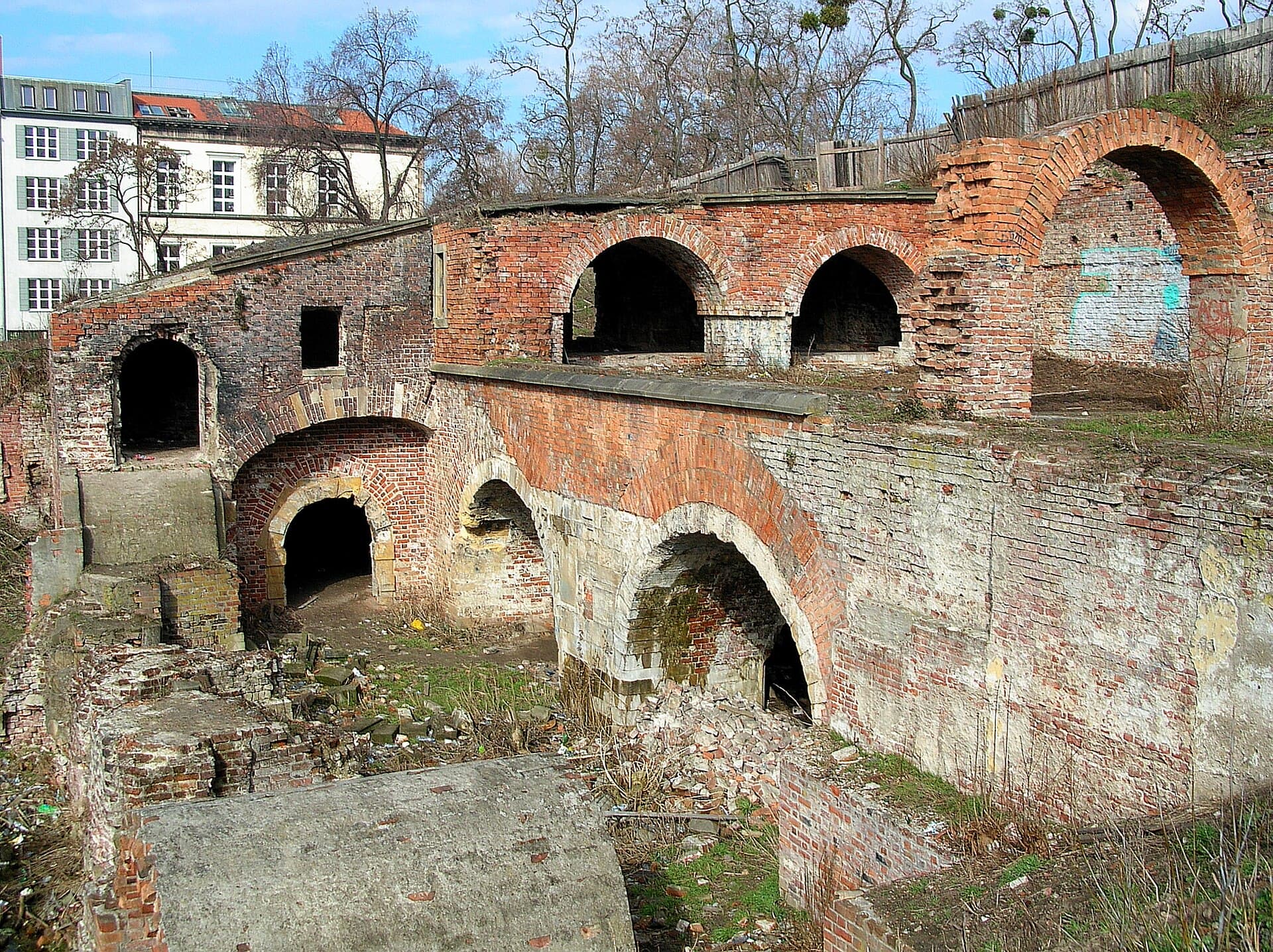 The Remains of the City WallsWhat remains of Wrocław's medieval walls: scattered stretches of brick embedded 3 minutes walk4.3
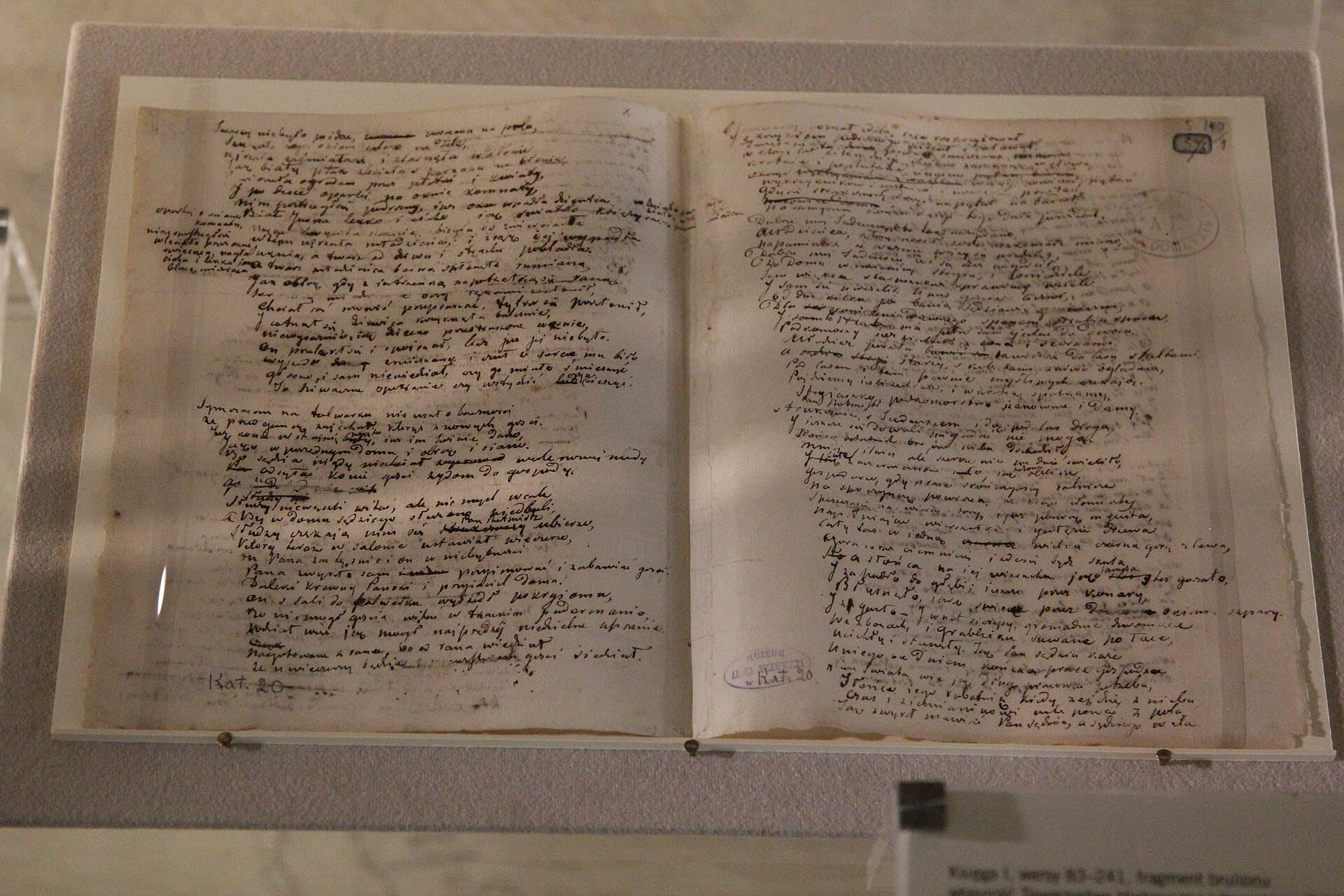 Pan Tadeusz MuseumA museum in a historic house on Wrocław's Main Market Square, built around a sin4 minutes walk4.5
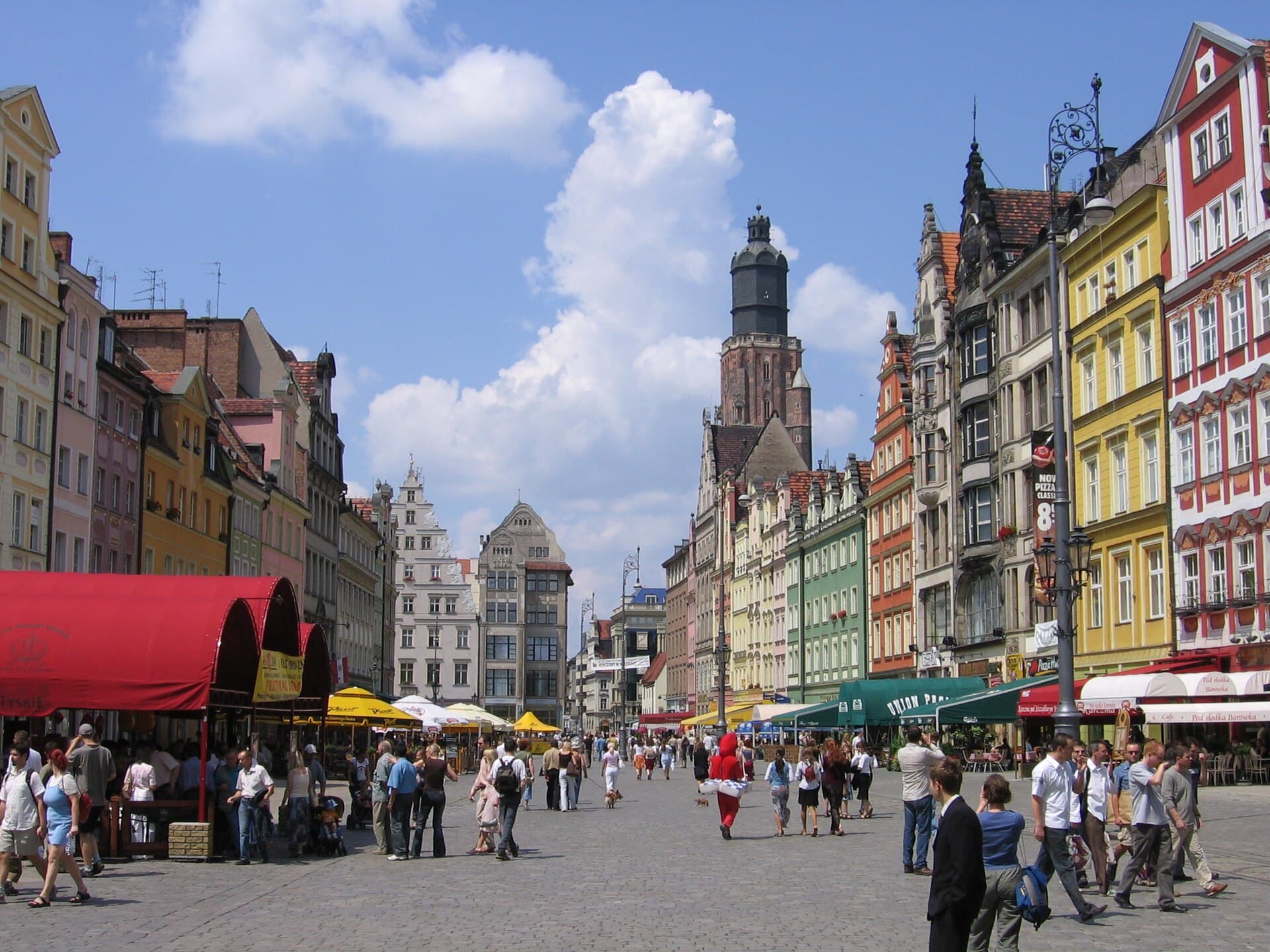 Wroclaw's Rynek & its DwarfsWroclaw's Rynek is Poland's second-greatest medieval square — and its most colou4 minutes walk4.8
 City Museum of WrocławThe museum of the city's history, in the Royal Palace in central Wrocław, a Baro5 minutes walk4.7
Because its sovereignty changed more than almost any other Polish city: Bohemian in the fourteenth century, then under the Habsburgs, then Prussian from 1741, then German as Breslau until 1945, then Polish. After the war came a near-total population exchange: the German inhabitants were expelled and replaced by Poles themselves displaced from Lwów in the east. The present city is Polish, with new inhabitants in German buildings.
In theory yes, as the distances are minutes, but in practice it depends on hours: each has different opening times and may close for services, and the synagogue may require arranging ahead. Better to walk the quarter and enter whichever happen to be open than to plan on all four.