
Two belts of fortification
An inner of the thirteenth century and an outer of the fourteenth.
Robert Niedźwiedzki — CC BY-SA 4.0 · Zala — CC BY-SA 4.0 · Julo — Public domain · Andrew Milligan sumo — CC BY 2.0
What remains of Wrocław's medieval walls: scattered stretches of brick embedded in modern buildings and ringing the moat park south of the old town. The city had two belts of fortification: an inner one of the thirteenth century and a wider outer one of the fourteenth, with a water moat. Most was demolished in the early nineteenth century by order of Napoleon after he occupied the city in 1807 — a military decision to prevent its later use against him. What replaced the wall is what marks Wrocław today: a green belt around the historic centre, with the moat turned into a watercourse called the Fosa Miejska running through an extended park. That pattern — a wall becoming a park — recurred in Kraków, Vienna and many central European cities in the same century. The surviving stretches are scattered and need attention to find among the buildings. A public space, free to see.
An inner of the thirteenth century and an outer of the fourteenth.
The Fosa Miejska now runs through an extended park.
A pattern repeated in Kraków and Vienna in the same century.
South of the old town by the moat park
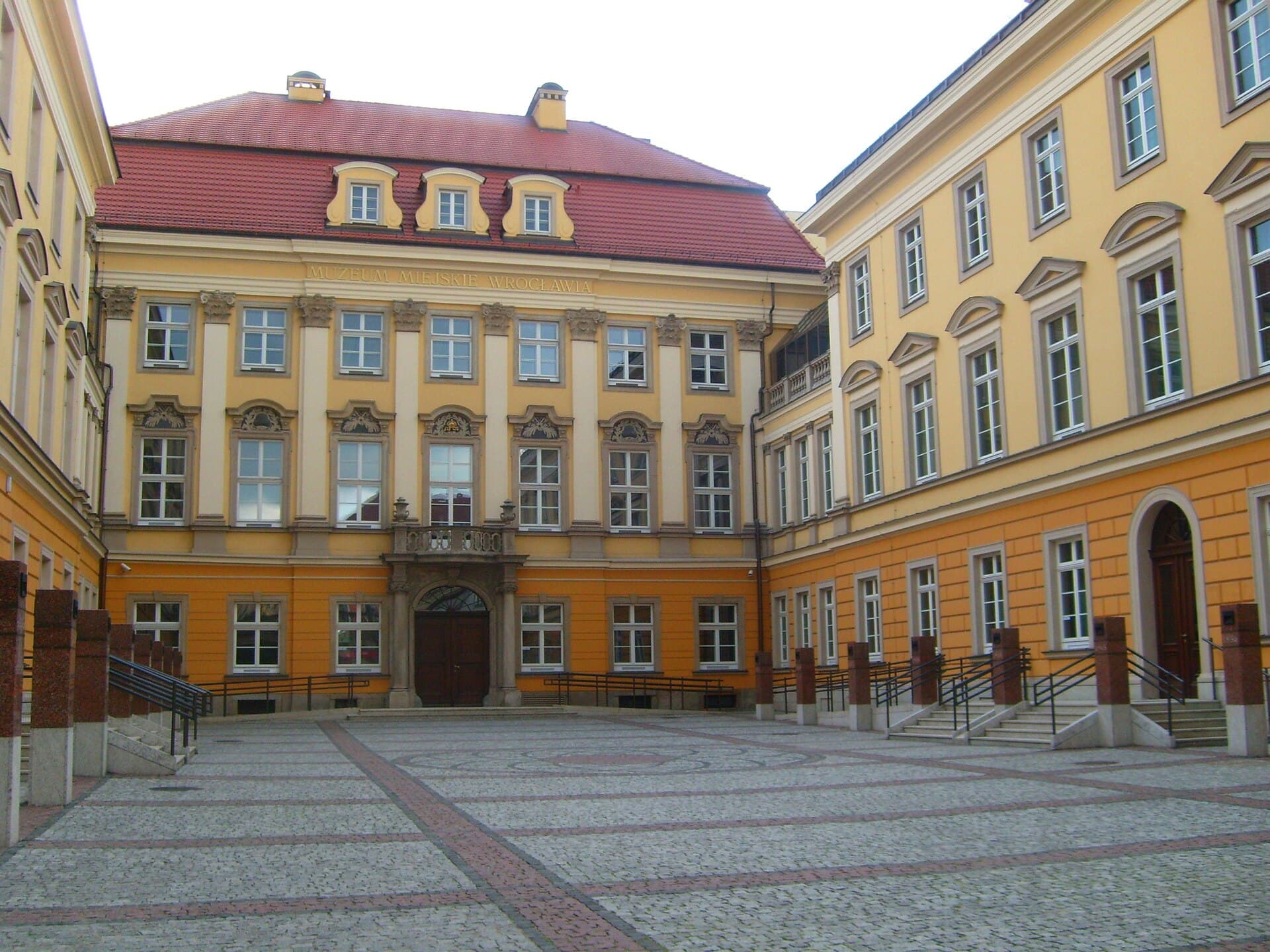 Museum of Medallic ArtA museum in Wrocław devoted to medallic art, among the few museums anywhere give1 minute walk4.8
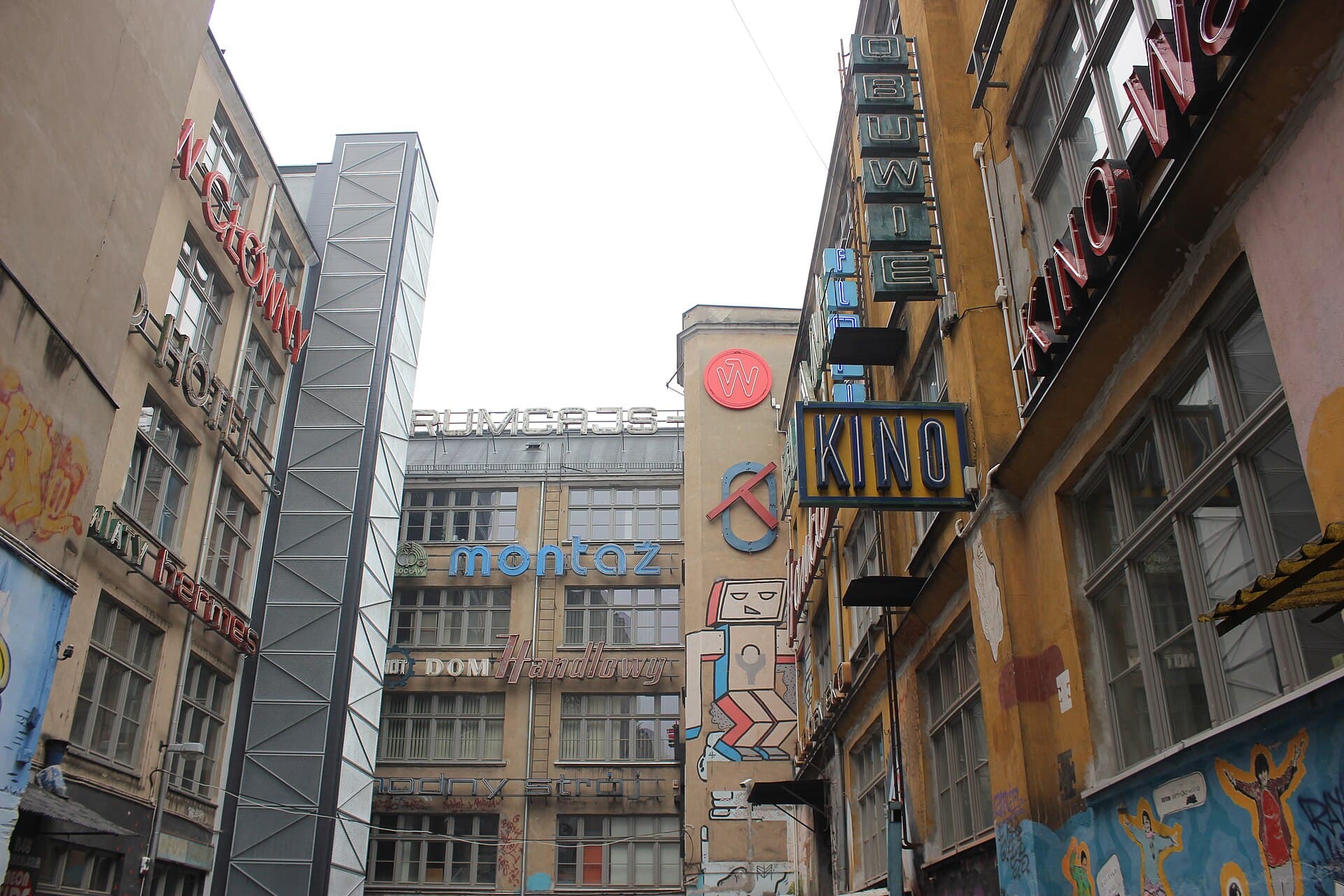 District of Four DenominationsA small area in central Wrocław where four places of worship of four faiths stan3 minutes walk4.7
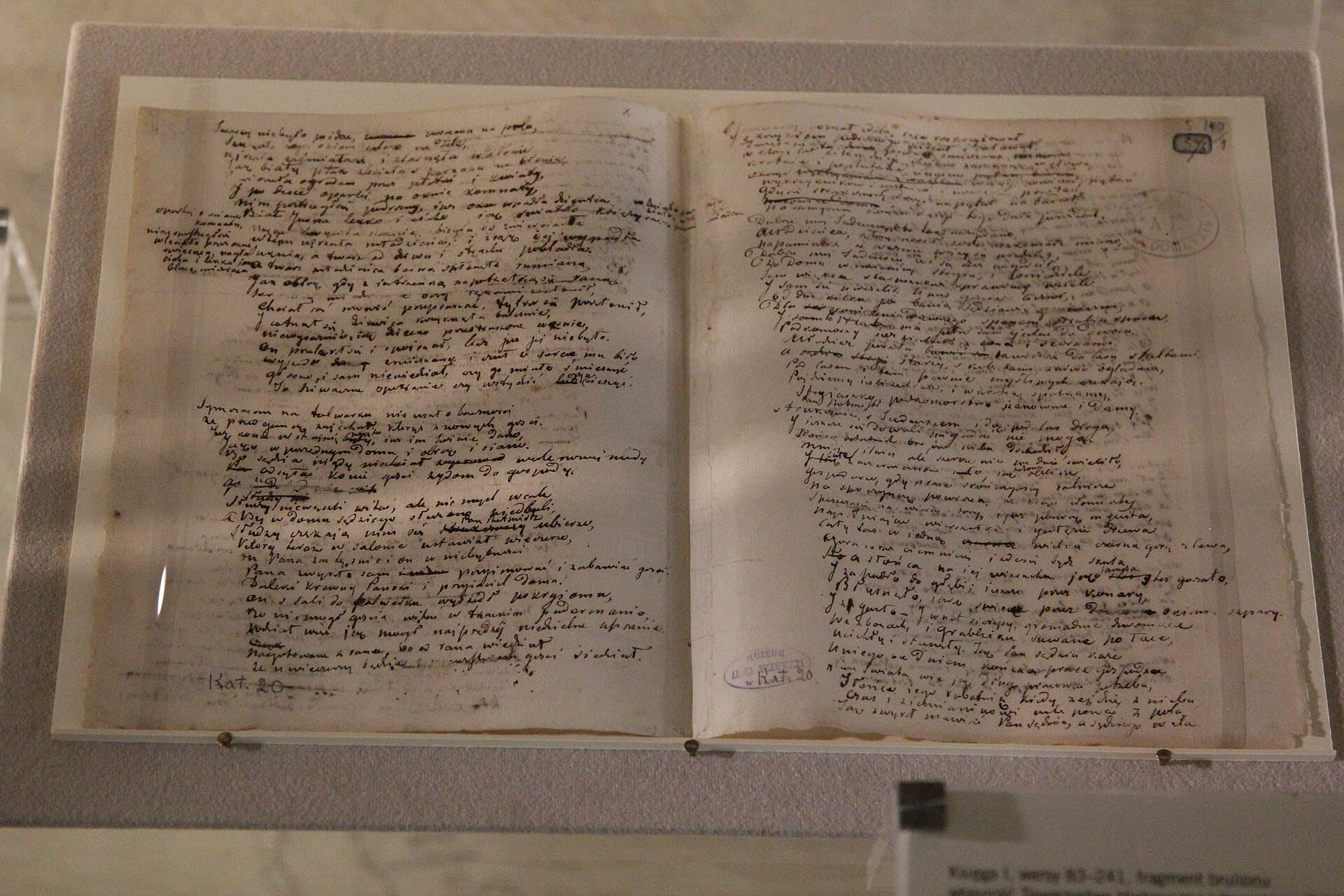 Pan Tadeusz MuseumA museum in a historic house on Wrocław's Main Market Square, built around a sin5 minutes walk4.5
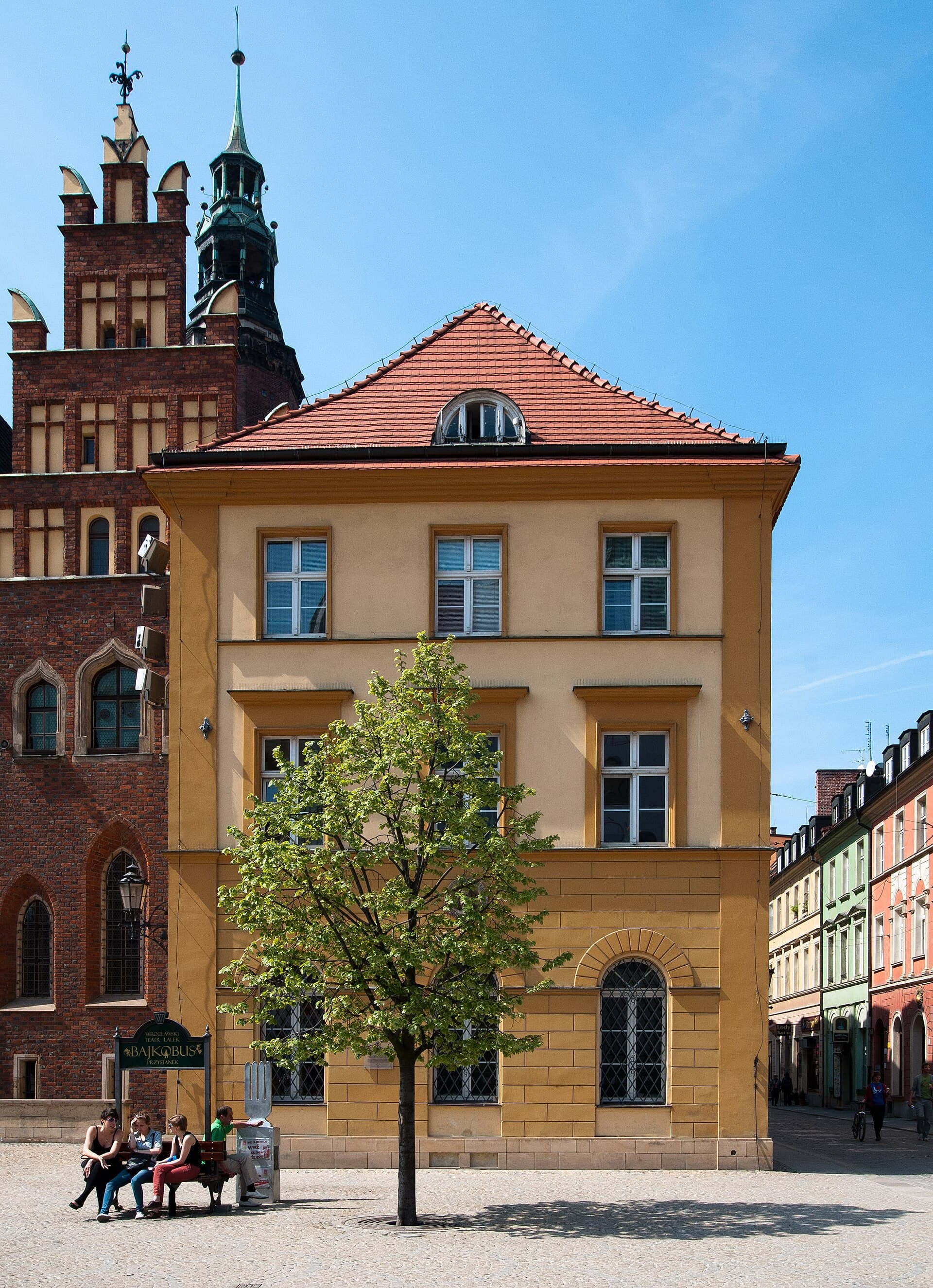 City Museum of WrocławThe museum of the city's history, in the Royal Palace in central Wrocław, a Baro5 minutes walk4.7
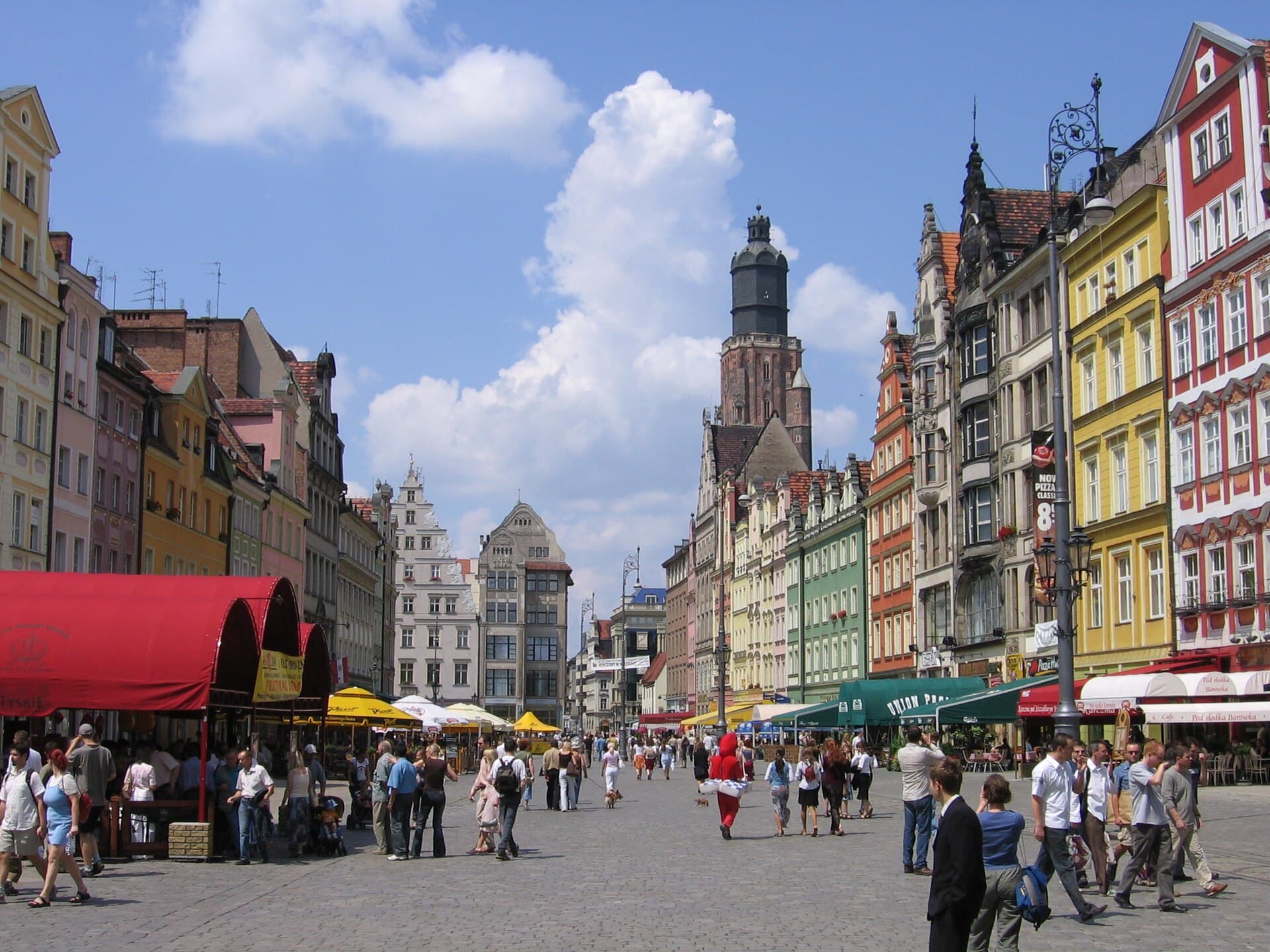 Wroclaw's Rynek & its DwarfsWroclaw's Rynek is Poland's second-greatest medieval square — and its most colou5 minutes walk4.8
Because old fortifications had become a military liability rather than an advantage: modern artillery breached them, but they gave a rebellious or enemy-held city a defensive point. When the French occupied Breslau in 1807 they ordered its walls demolished to ensure they could not be used against them if they withdrew. The same decision was taken in several European cities, and incidentally produced the ring parks that mark their centres today.
A green strip following the line of the old moat south of the old town, about two kilometres long. It holds paths, small bridges, ponds, old trees and benches, and passes the economics university and the opera. Walking it is quiet and shaded and makes an escape from the crowds of the main square. At its eastern end you reach Sand Island and Cathedral Island.