
Bamboo groves
Of many kinds.
Gisling — CC BY 3.0 · Cangminzho — CC BY-SA 4.0 · Cangminzho — CC BY-SA 4.0 · Cangminzho — CC BY-SA 4.0 · Cangminzho — CC BY-SA 4.0 · 山海风 — CC BY-SA 3.0 · rheins — CC BY 3.0 · rheins — CC BY 3.0
A private garden of Yangzhou's salt merchants, known in the Ming dynasty as the Shouzhi Garden; in 1818 the salt official Huang Zhiyun bought it and rebuilt it as his retreat, and he loved bamboo, seeing in it the patience, modesty and uprightness of a good man. Its name, Ge, is a Chinese character shaped like three bamboo leaves; a Qing-era writer noted that moonlight turned the bamboo shadows into hundreds of these characters, and the owner's own given name also means «bamboo», so groves of many kinds of bamboo still fill the garden. Its best-known feature is the «Mountains of the Four Seasons», rockeries each standing for a season: spring is bamboo with upright stones, summer grey stone from Lake Tai, autumn yellow stone from the Huangshan mountains and winter white stone, with ponds, pavilions and covered walks between them. Tickets cost CNY 45 in the busy seasons and CNY 30 in the other months; it opens from 7:15 to 18:00 in summer and until 17:15 in winter, per visitor guides. It sits on historic Dongguan Street, so the two make one visit.
Of many kinds.
A stone for each season.
Among the bamboo.
Dongguan Street, Guangling District, Yangzhou
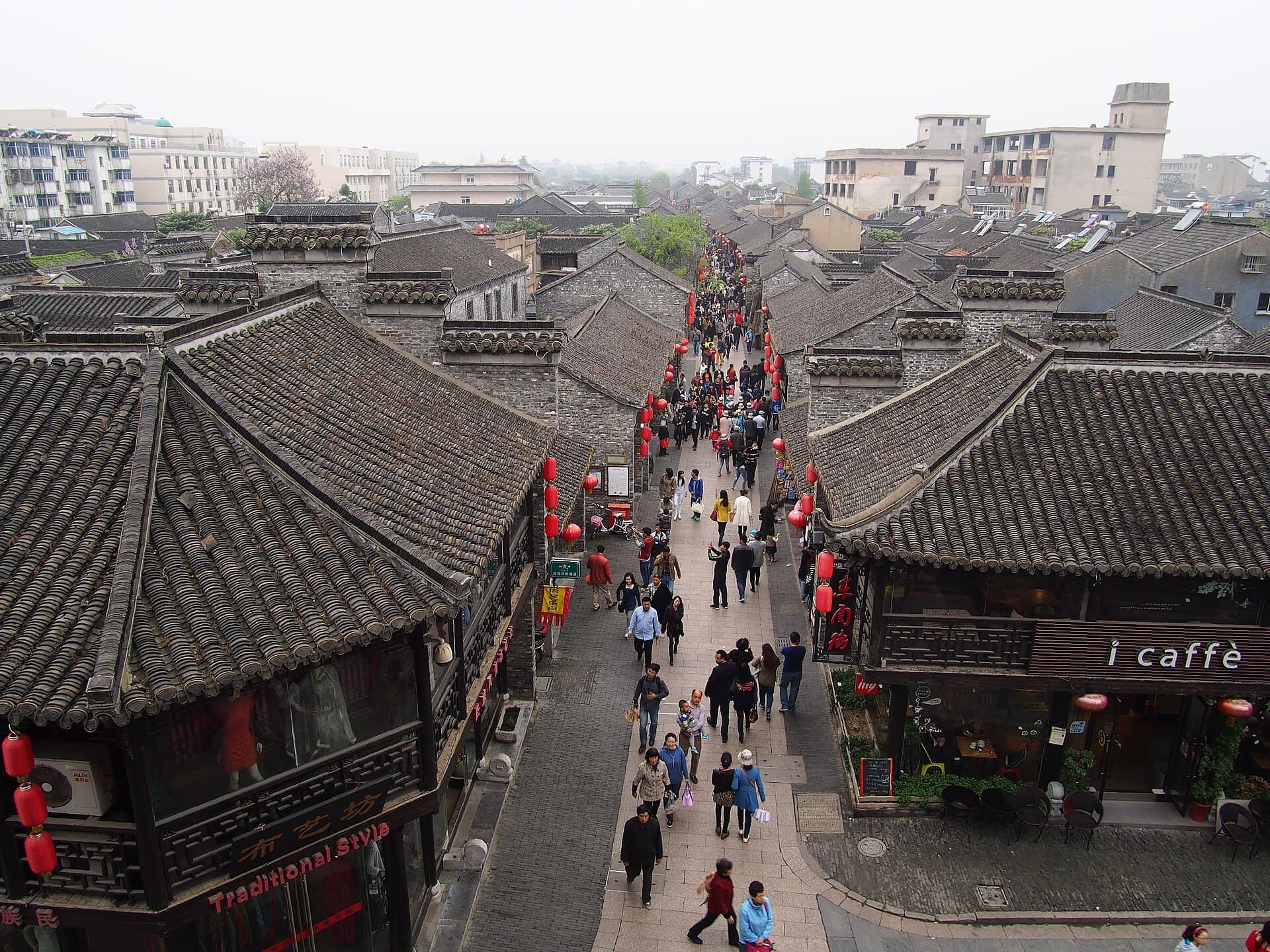 Dongguan StreetOld Yangzhou's best-known street, running 1,122 metres from west to east and abo3 minutes walk
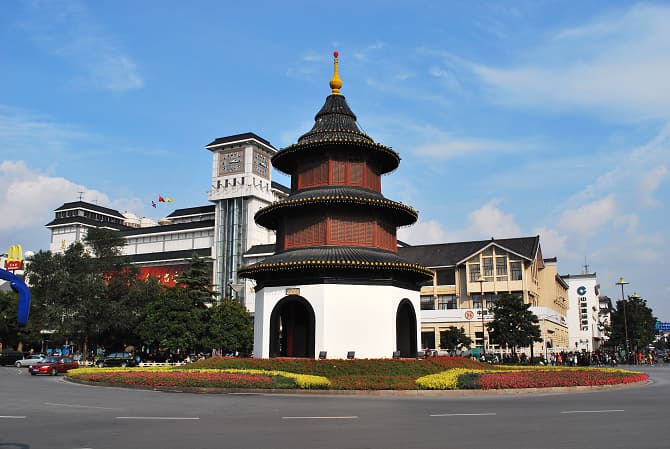 Wenchang Pavilion, YangzhouThe emblem of central Yangzhou, an octagonal three-storey pavilion 24.25 metres 13 minutes walk
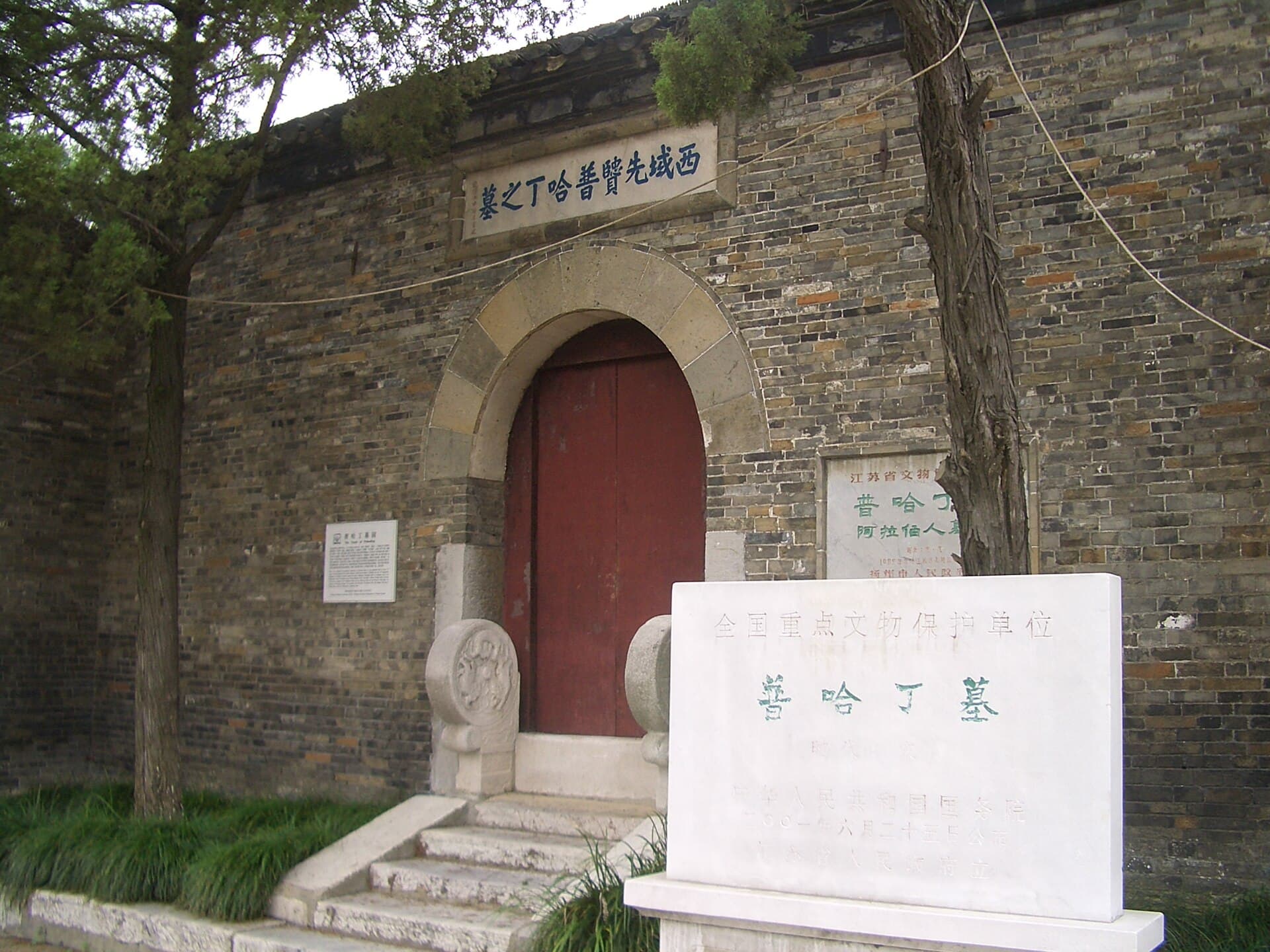 Tomb of PuhaddinA historic complex around the tomb of Puhaddin (Baha al-Din), the Arab preacher 15 minutes walk
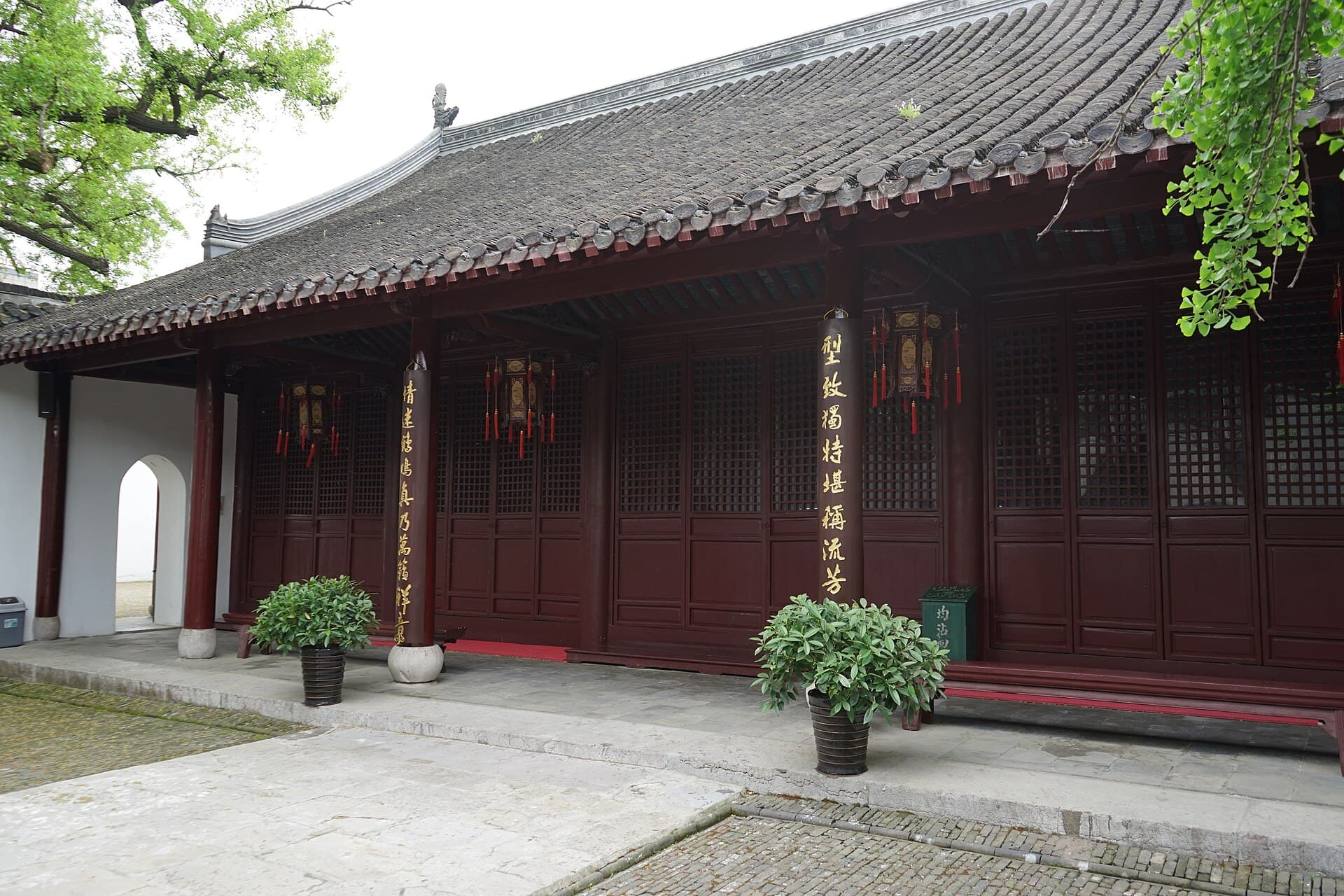 Crane Mosque (Xianhe Mosque)Yangzhou's most important and oldest mosque, counted with the Huaisheng Mosque i17 minutes walk
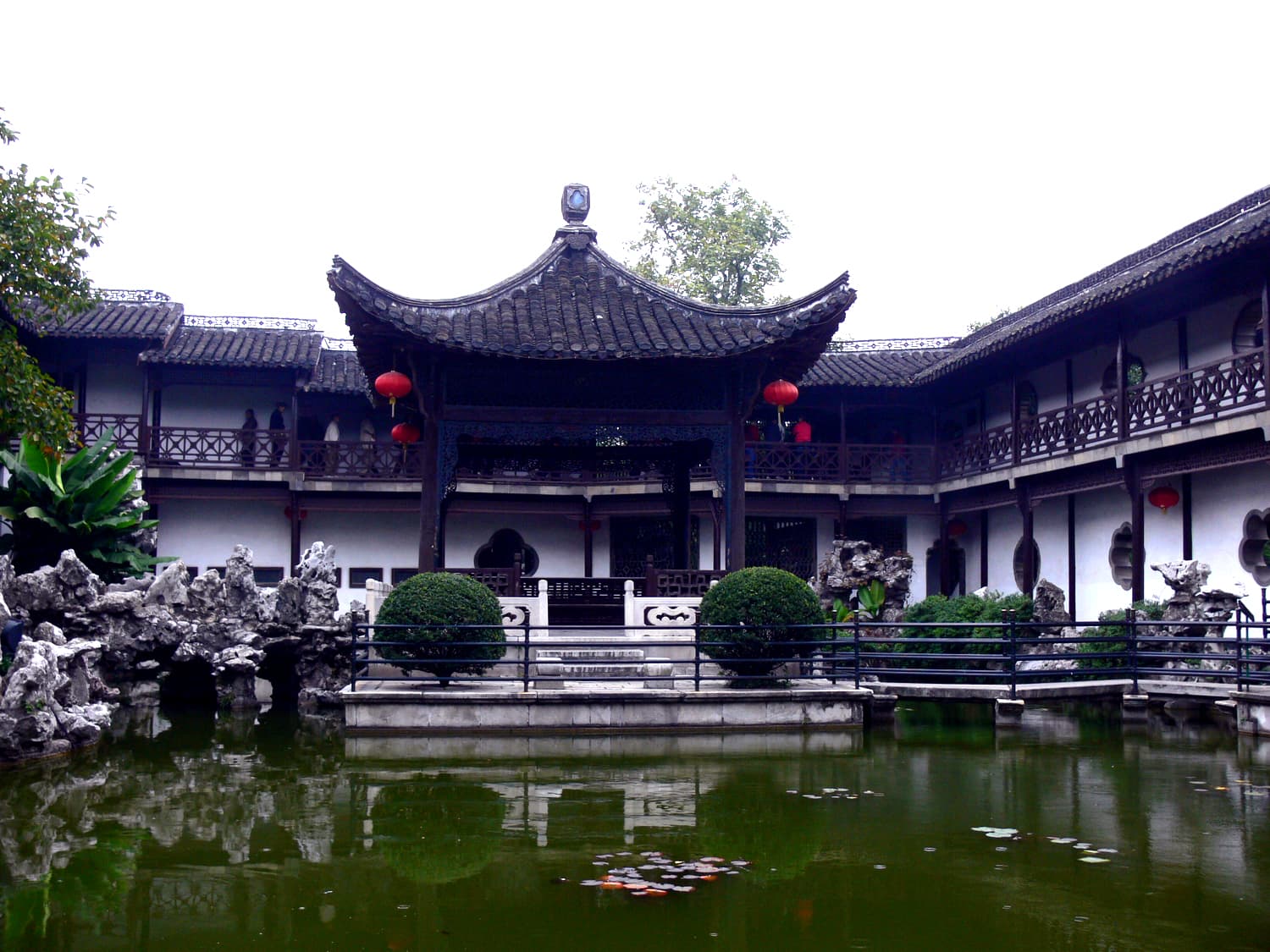 He Garden (Heyuan)The garden and mansion of the He family, nicknamed «the first garden of the late20 minutes walk
Ge is a Chinese character shaped like three bamboo leaves, the plant the garden's owner loved, and his own given name also means bamboo.