
The cypress axis
A rank of four-century giants climbing at the cliff.
Dependability — CC BY-SA 4.0 · Paolo Villa — CC BY-SA 4.0 · This Photo was taken by Andrea Bertozzi. Feel free to use my photos, but please mention me as the author and send me a message. — CC BY-SA 4.0 · This Photo was taken by Andrea Bertozzi. Feel free to use my photos, but please mention me as the author and send me a message. — CC BY-SA 4.0
The Giusti is among Italy's most refined Renaissance gardens and less famous than it deserves: laid out by the Giusti family around 1580 behind their palazzo east of the river, praised by travellers for centuries — Goethe walked it and immortalised its cypresses in his journals; the child Mozart played in its palazzo. Its design is the Italian garden's living textbook: a stately cypress axis climbing from geometric parterres, fountains and mythological statues below toward the terraced wild above — a grotto, the famous stone Mostro gaping from the cliff, and a winding stair to the upper belvedere: all towered Verona the climb's reward. It is the city's ideal midday refuge: cypress shade, water's murmur and few visitors — and its little maze is among Europe's oldest still living.
A rank of four-century giants climbing at the cliff.
The gaping stone mask in the rock — once breathing fire for guests.
Among Europe's oldest living labyrinths — small and honourably confusing.
Via Giardino Giusti 2, 37129 Verona
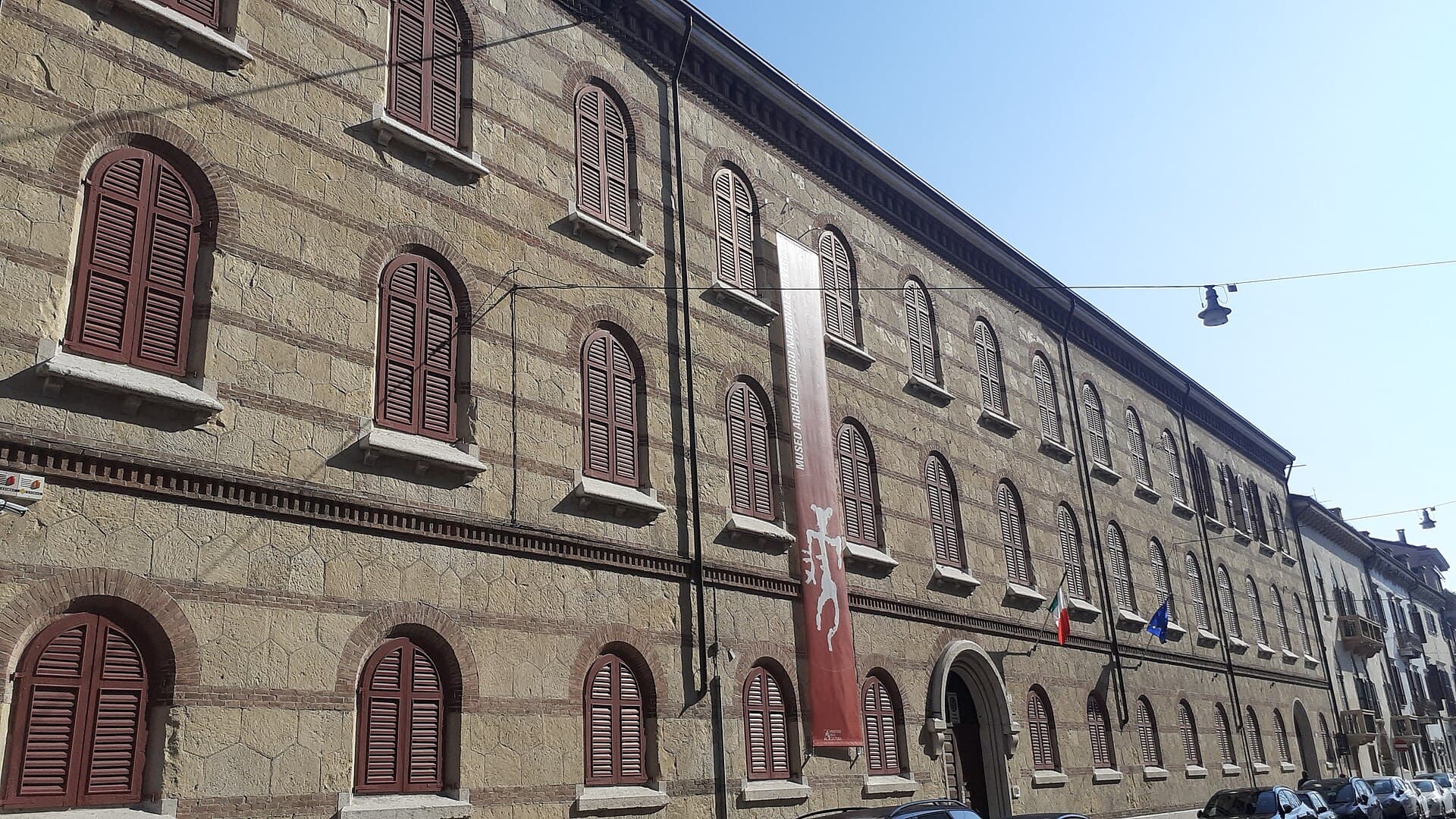 National Archaeological MuseumAn archaeological museum in a fifteenth-century convent standing on the slope ab5 minutes walk4.8
 Museo AfricanoIt is rare that the hardest part of a museum is getting through the door, but th6 minutes walk4.6
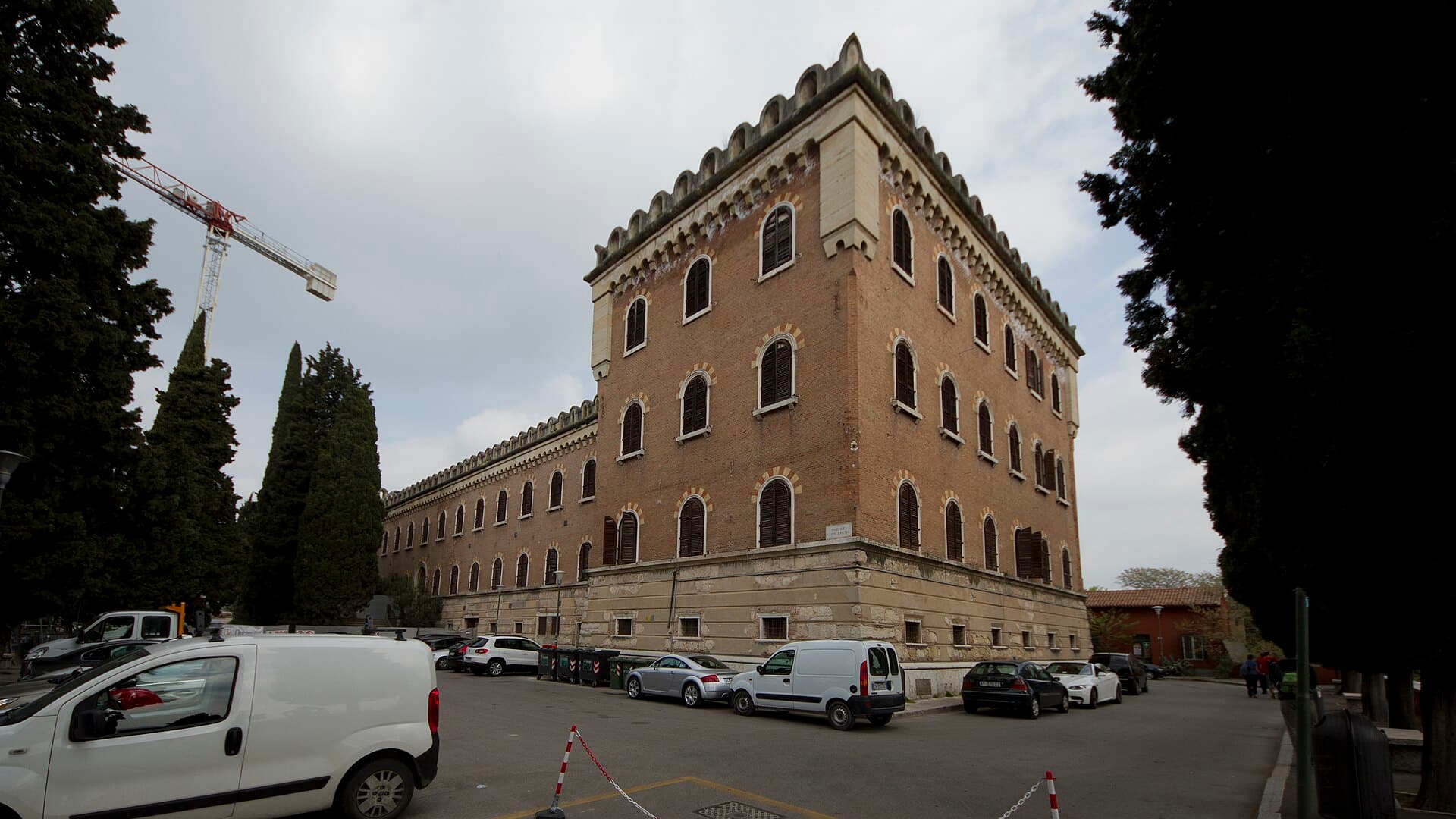 Castel San Pietro TerraceOn the hill where Verona was born — where the Romans set their first temple abov7 minutes walk4.8
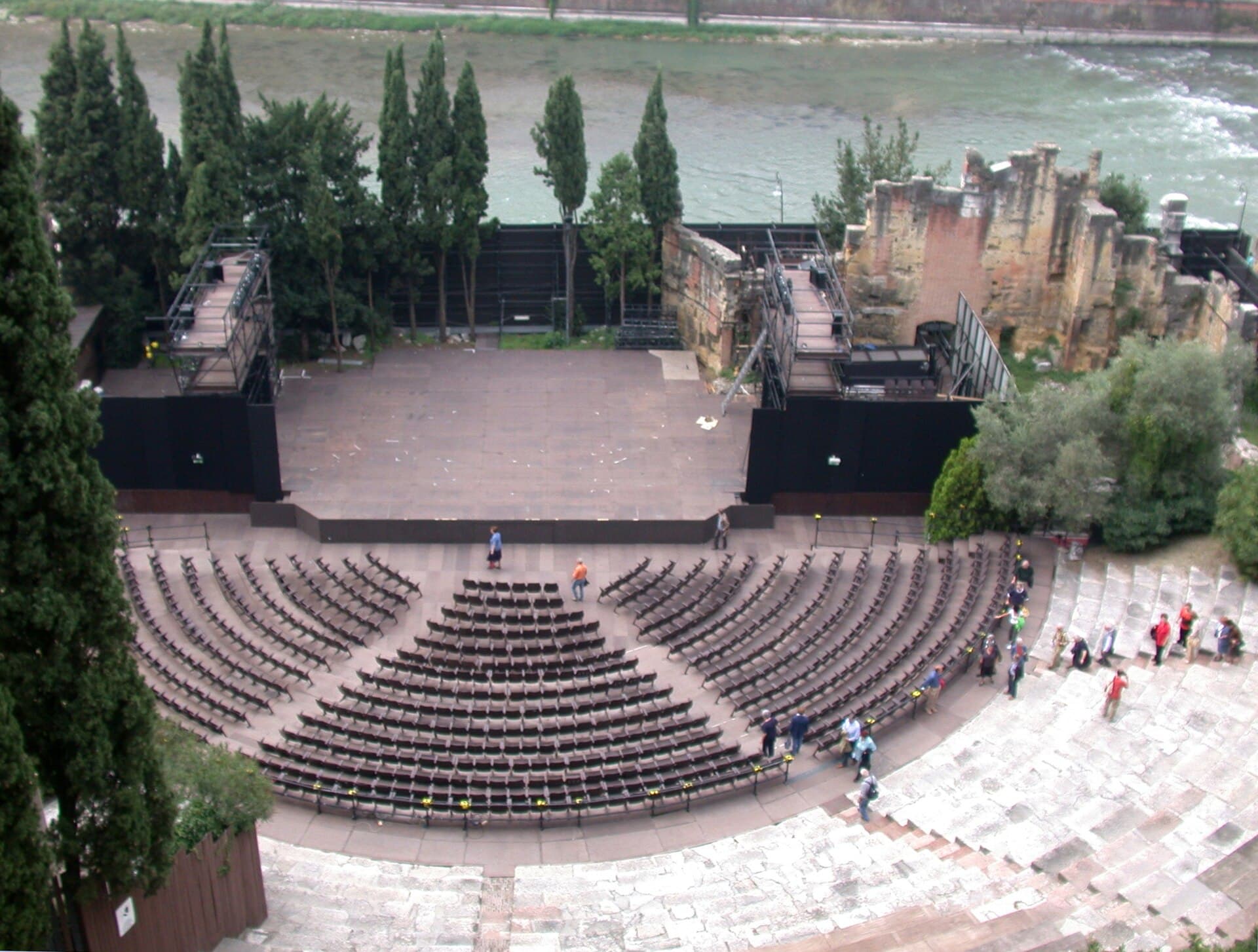 Roman Theatre and Archaeological MuseumDecades before the Arena, Verona built its theatre: in the late first century BC8 minutes walk4.4
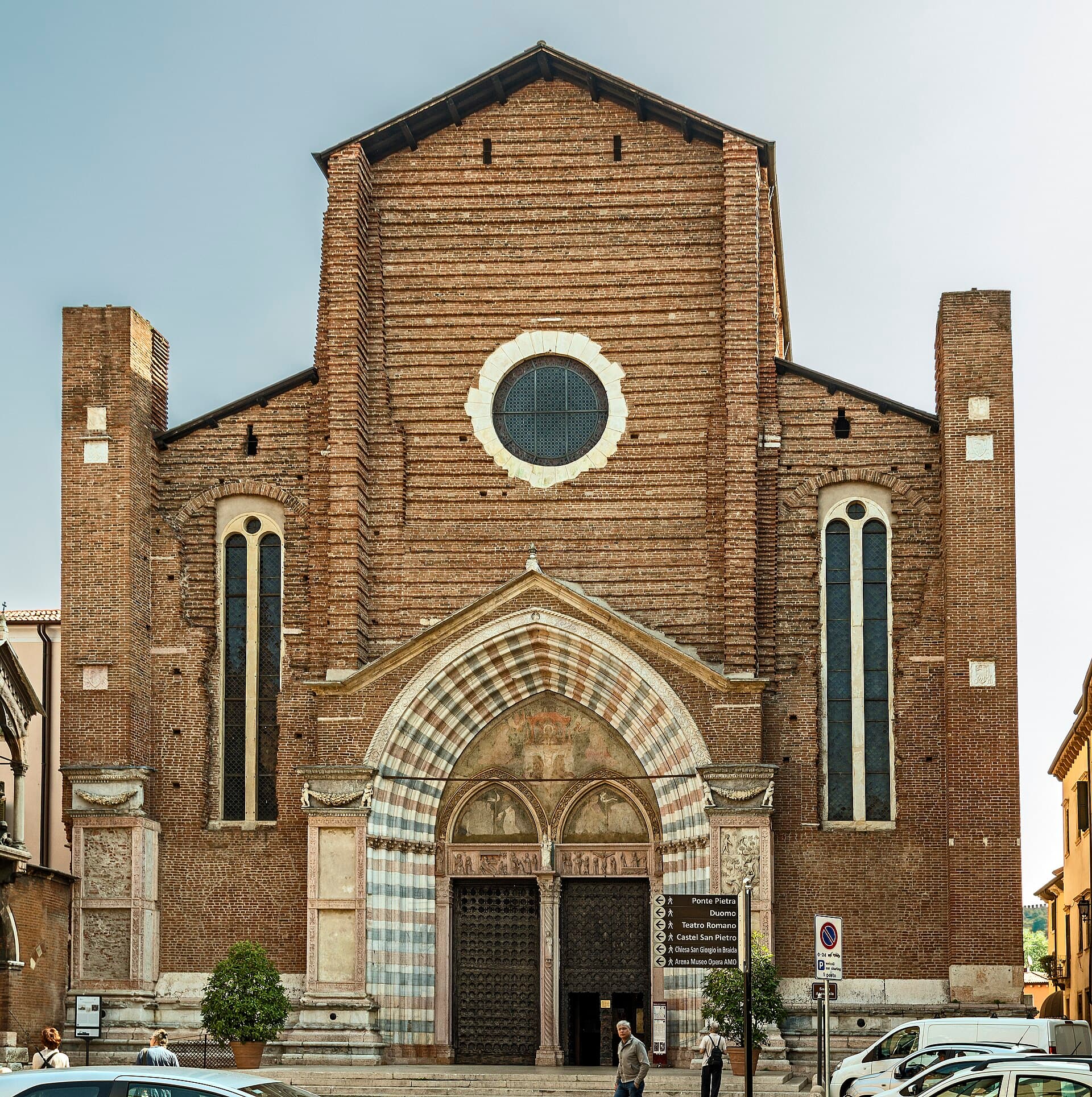 Basilica of Santa AnastasiaSeven centuries on, Verona's largest church still has no face. Bare brick rises 8 minutes walk4.6
He came on his 1786 Italian journey and its cypresses so charmed him that he cut a sprig for a keepsake and set the scene in Italian Journey — making the garden a pilgrimage stop for German Romantics after him, his long-lived cypress still pointed out today.
Size inverts worth here: the Giusti is a tenth of Boboli's area at twice its concentration — every element of the Italian garden in one focused hour, no exhaustion, no queues. Veterans of the great ones find the essence distilled; novices find the best first lesson.
From Juliet's house cross Ponte Navi, ten minutes east — then continue north along the river to join the Roman theatre and Ponte Pietra line: the whole east bank one calm connected half-day.