
Quieter than the castle hill
Larger and far less crowded than the well-known hill in the centre.
Mark Ahsmann — CC BY-SA 3.0 · Petar Milošević — CC BY-SA 4.0 · Petar Milošević — CC BY-SA 4.0 · Yerpo — CC BY-SA 4.0
A wooded hill southeast of Ljubljana, the main forest area on this side of the city. Ljubljana is ringed by wooded hills on several sides, the best known being the castle hill in the centre. Golovec is less known, larger and quieter, used by residents for walking, running and mountain biking. The paths run through beech and oak forest and climb to low summits with viewpoints over the city and the Ljubljana plain, and on clear days over the Julian Alps to the north. At the top of the hill is a university astronomical observatory, a research building not normally open to visitors. This is not a tourist destination: there are no facilities, no interpretation and no cafés on the paths. Its value is to anyone staying in Ljubljana for several days who wants an hour or two in nature without leaving the city. The paths are marked and vary in length, and some climb steeply. Take water and proper shoes. Free and always open, reached on foot or by bus from the centre.
Larger and far less crowded than the well-known hill in the centre.
On clear days the Alps show to the north from the viewpoints.
Ljubljana is ringed by wooded hills; this is the largest on the southern side.
Southeast of Ljubljana
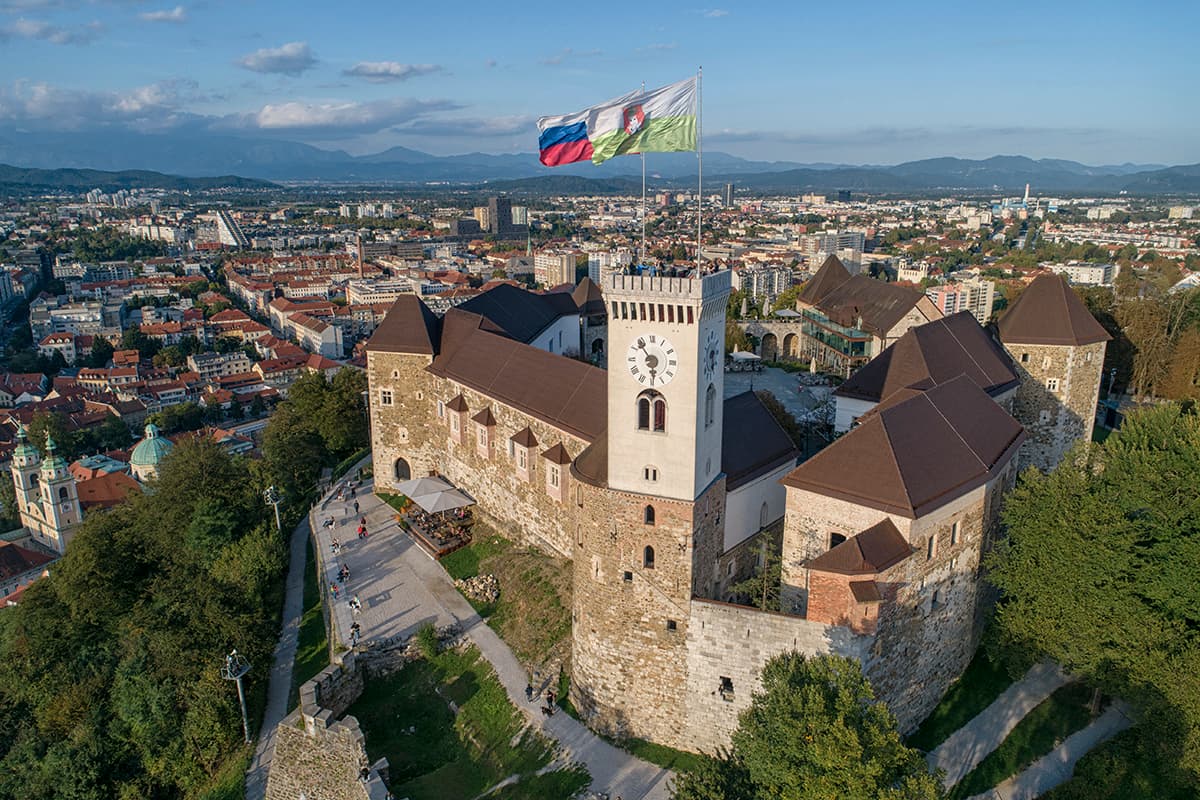 Ljubljana CastleThe castle above the city: all of Ljubljana is seen from the tower of its castle15 minutes walk4.5
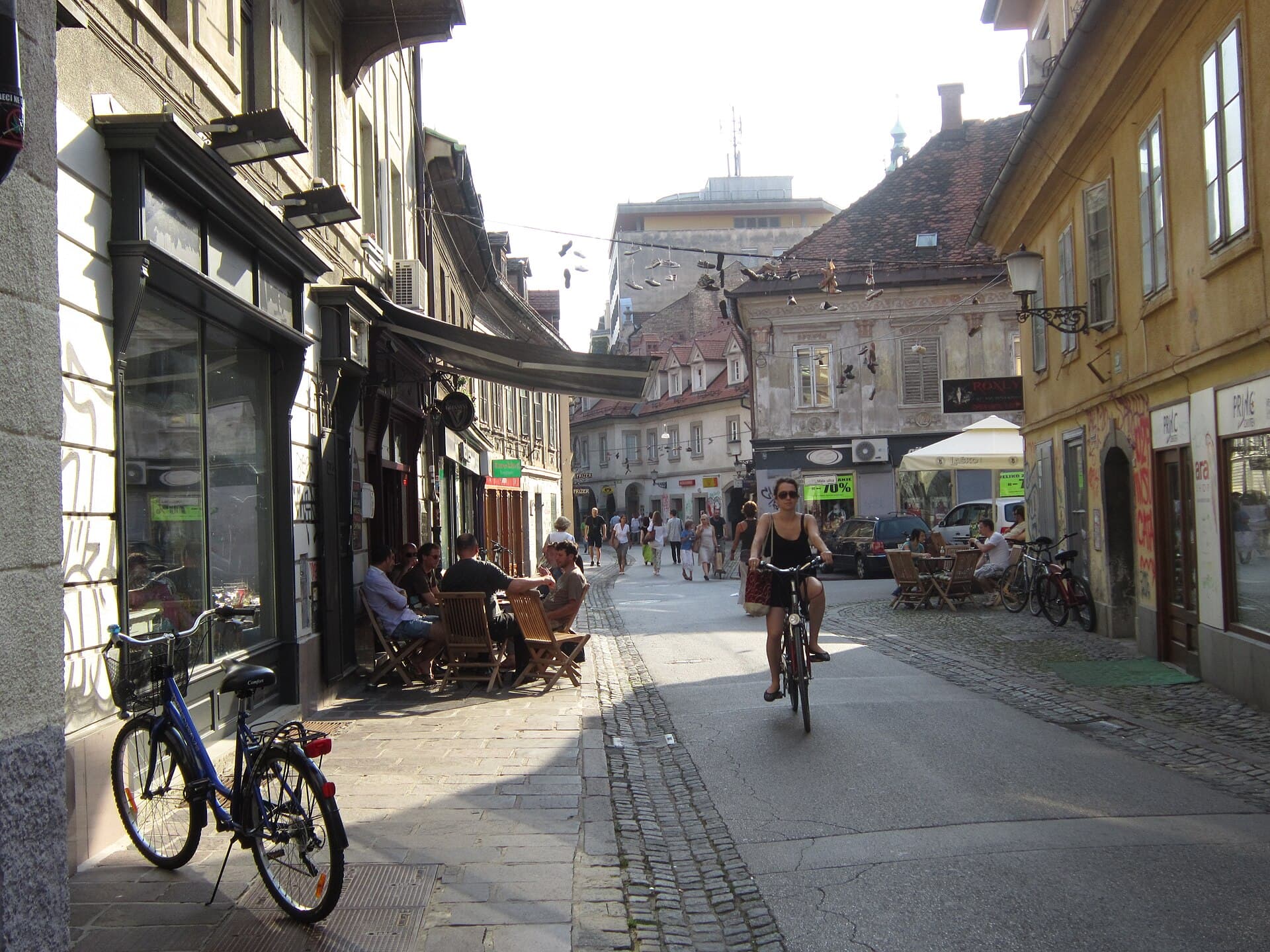 Trubarjeva cestaA long narrow street running north-east from the Triple Bridge, and the one Ljub17 minutes walk4.9
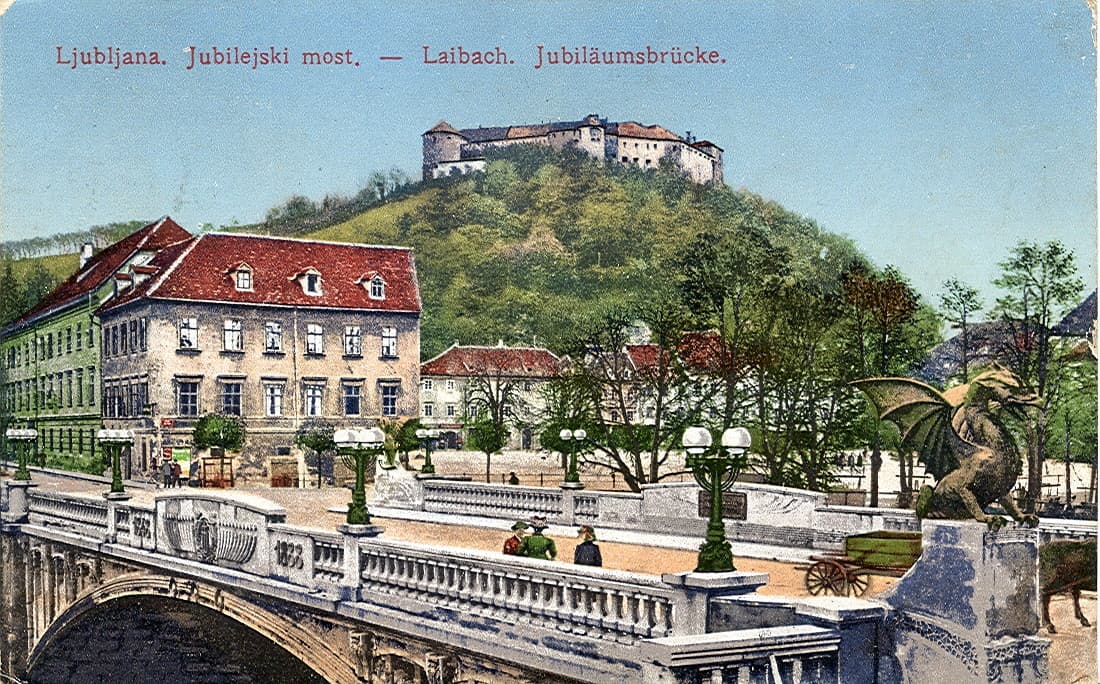 Dragon BridgeThe city's emblem on four legs: the Dragon Bridge (1901) was the city's first re18 minutes walk4.5
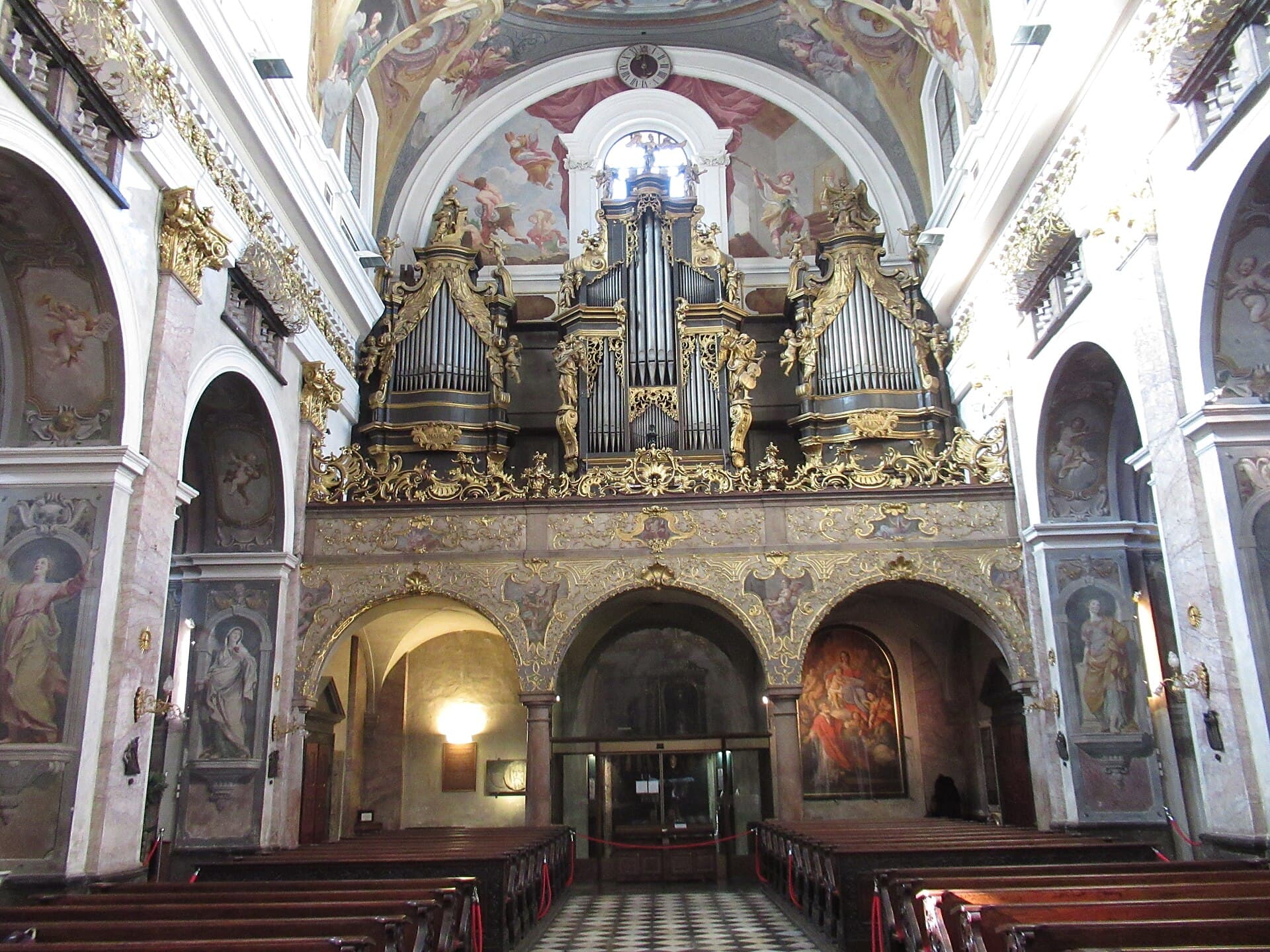 St Nicholas CathedralA green dome and twin towers above the market: Ljubljana Cathedral (1706) is Ita18 minutes walk4.6
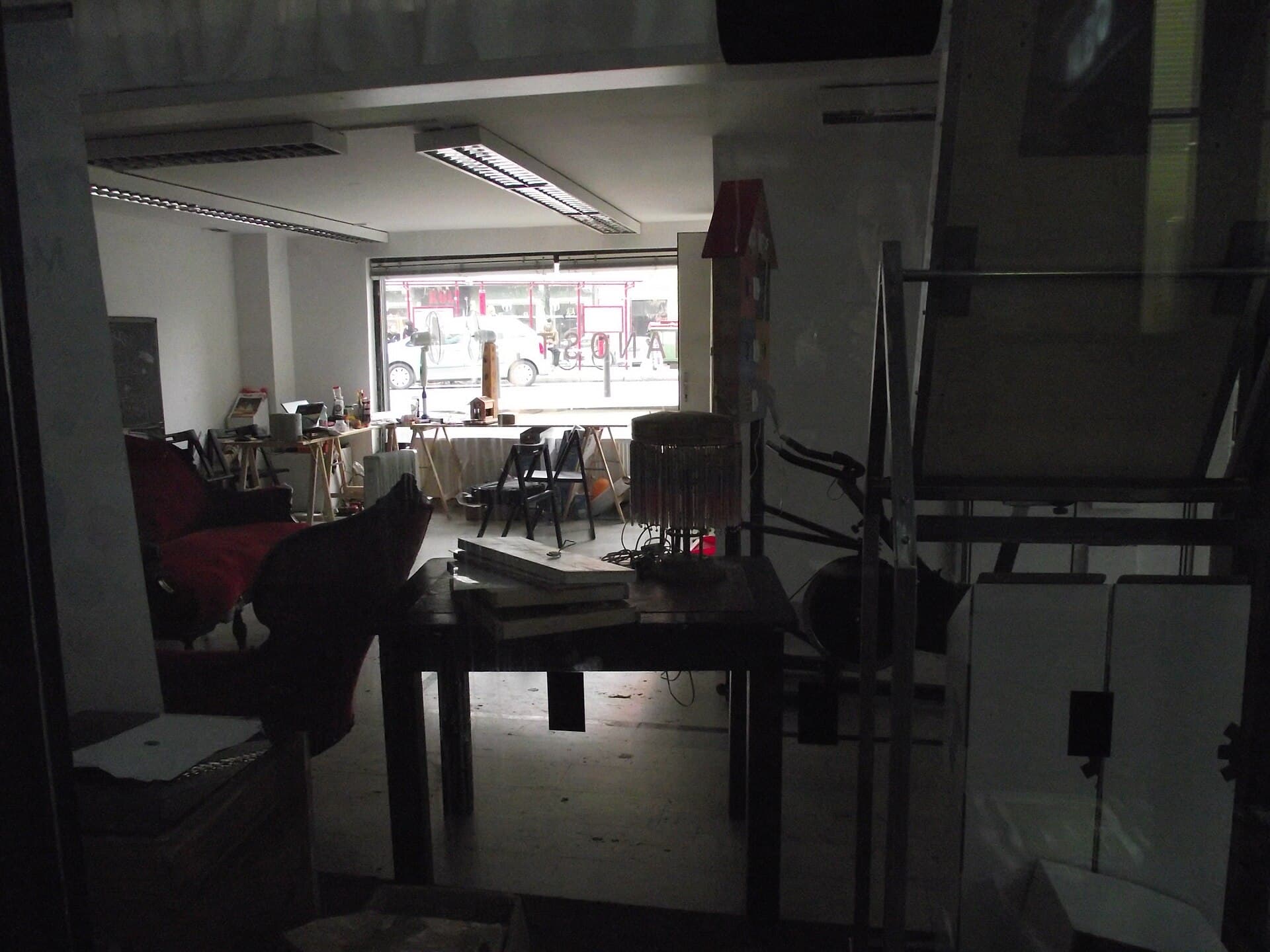 The House of ExperimentsAn interactive science centre in central Ljubljana built entirely on one princip18 minutes walk4.6
It is not a tourist destination. With one or two days in Ljubljana, the old town, the castle, the central market and Plečnik's bridges have the better claim. But if you are staying longer and like walking, it is an hour or two in nature without leaving the city limits.
Lake Bled and Lake Bohinj in the Julian Alps, an hour to ninety minutes away and Slovenia's best-known sights. Closer than that are the Ljubljana Marshes to the south, a large nature reserve, and Šmarna Gora north of the city, the most popular walk among people from Ljubljana.