
The residents' street
Independent shops and small cafés instead of visitor frontages.
Selena N. B. H. from Fayetteville, USA — CC BY 2.0 · Herbert wie — CC BY-SA 4.0 · Sjaak Kempe from Groningen, The Netherlands — CC BY 2.0 · Steven Penton from Bakers Beach, Tasmania Australia — CC BY 2.0
A long narrow street running north-east from the Triple Bridge, and the one Ljubljana's residents use more than visitors do. The difference is tangible. The tourist riverbank is minutes away, but this street is full of independent shops: vegetarian grocers, second-hand records, books, used clothing, small cafés and cheap places to eat. Prices are clearly lower than on the water. The street carries the name of Primož Trubar, the sixteenth-century Protestant writer who printed the first book in the Slovene language. Before him Slovene was not a written language, and his book is the starting point for everything that followed — which explains why he is treated as a founding figure in a country whose identity was built on its language. At its north-eastern end the street reaches the alternative cultural quarter of Metelkova, making it a natural route between the tourist centre and the other side of the city. Practical points: free and always open. Its best use is practical: this is where you eat and shop at reasonable prices instead of on the riverfront.
Independent shops and small cafés instead of visitor frontages.
Before Trubar, Slovene was not a written language at all.
It links the tourist centre to the alternative quarter on foot.
North-east of the Triple Bridge, Ljubljana
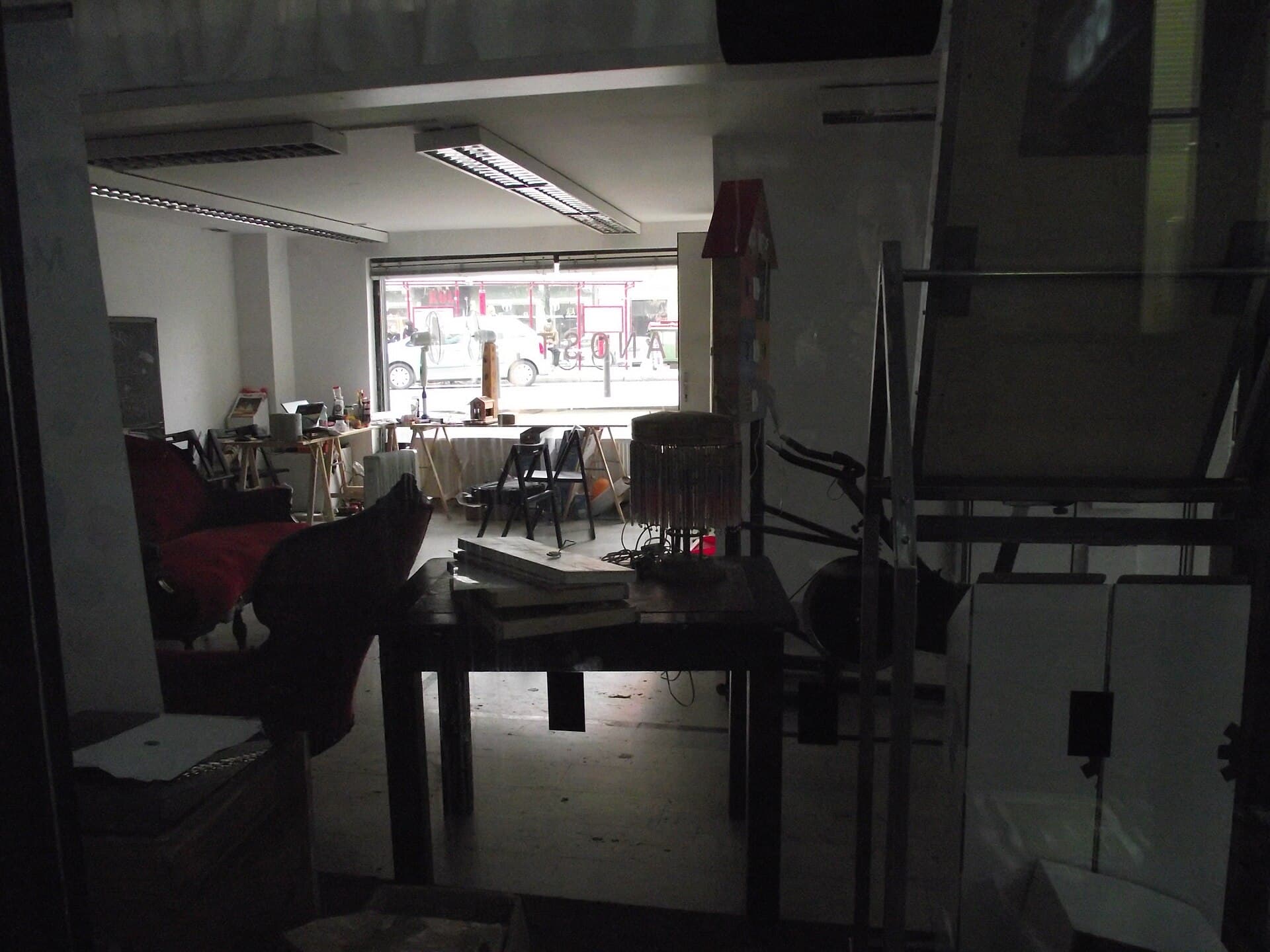 The House of ExperimentsAn interactive science centre in central Ljubljana built entirely on one princip2 minutes walk4.6
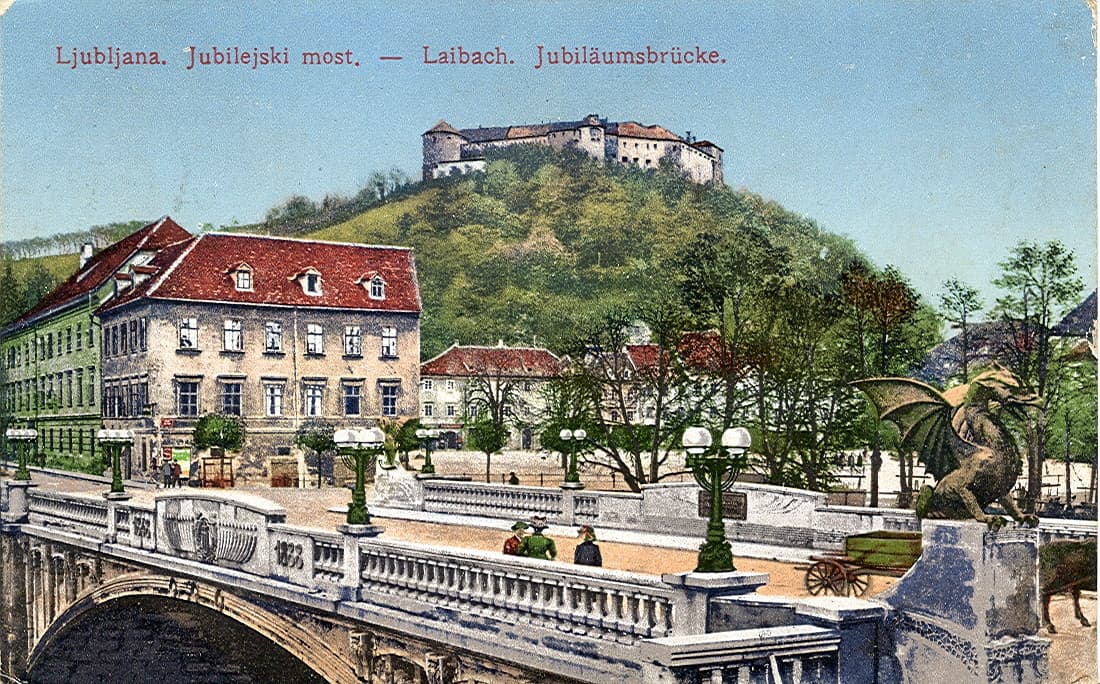 Dragon BridgeThe city's emblem on four legs: the Dragon Bridge (1901) was the city's first re3 minutes walk4.5
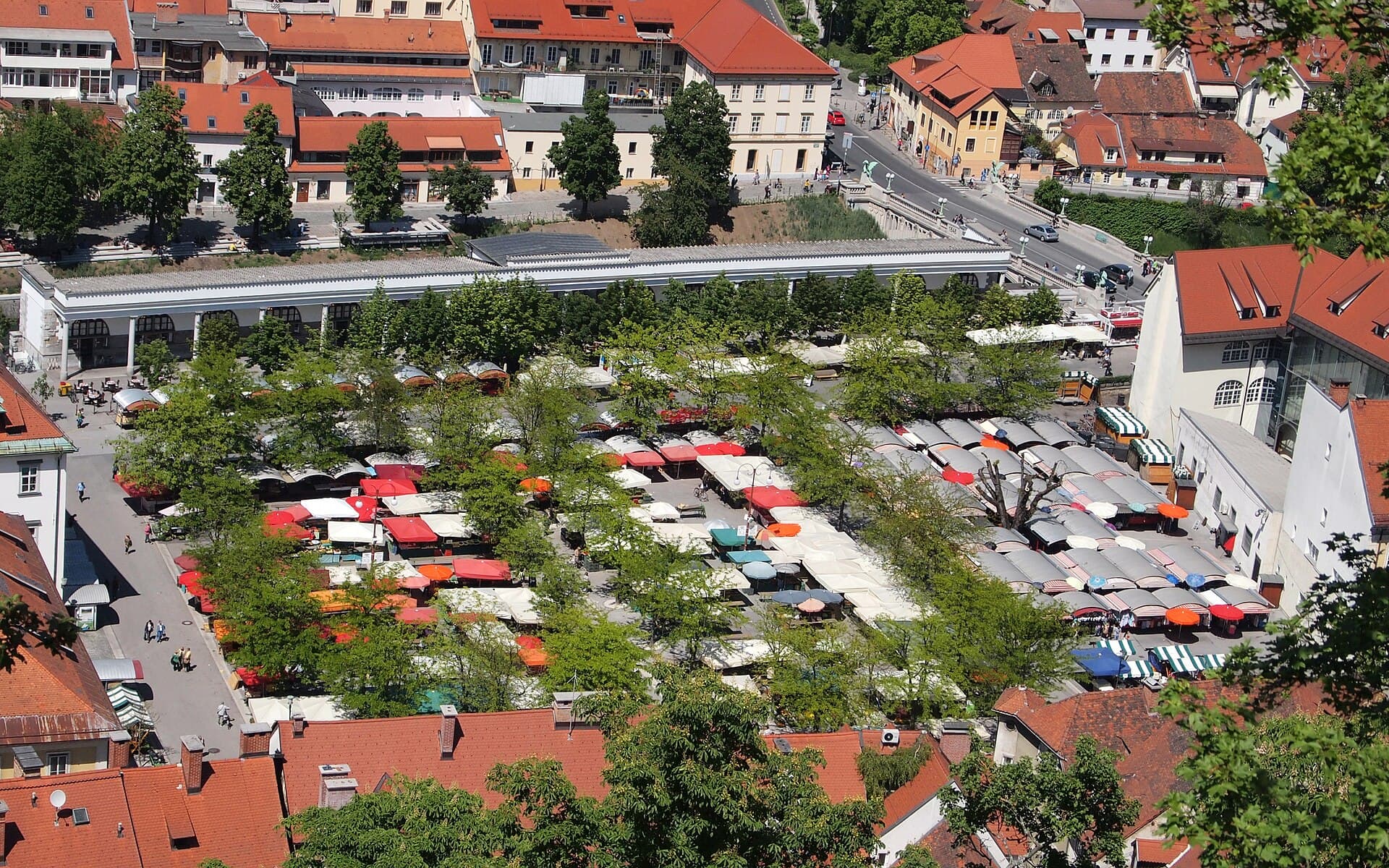 Central MarketA riverside market by Plečnik: the Central Market stretches between the Triple B4 minutes walk4.6
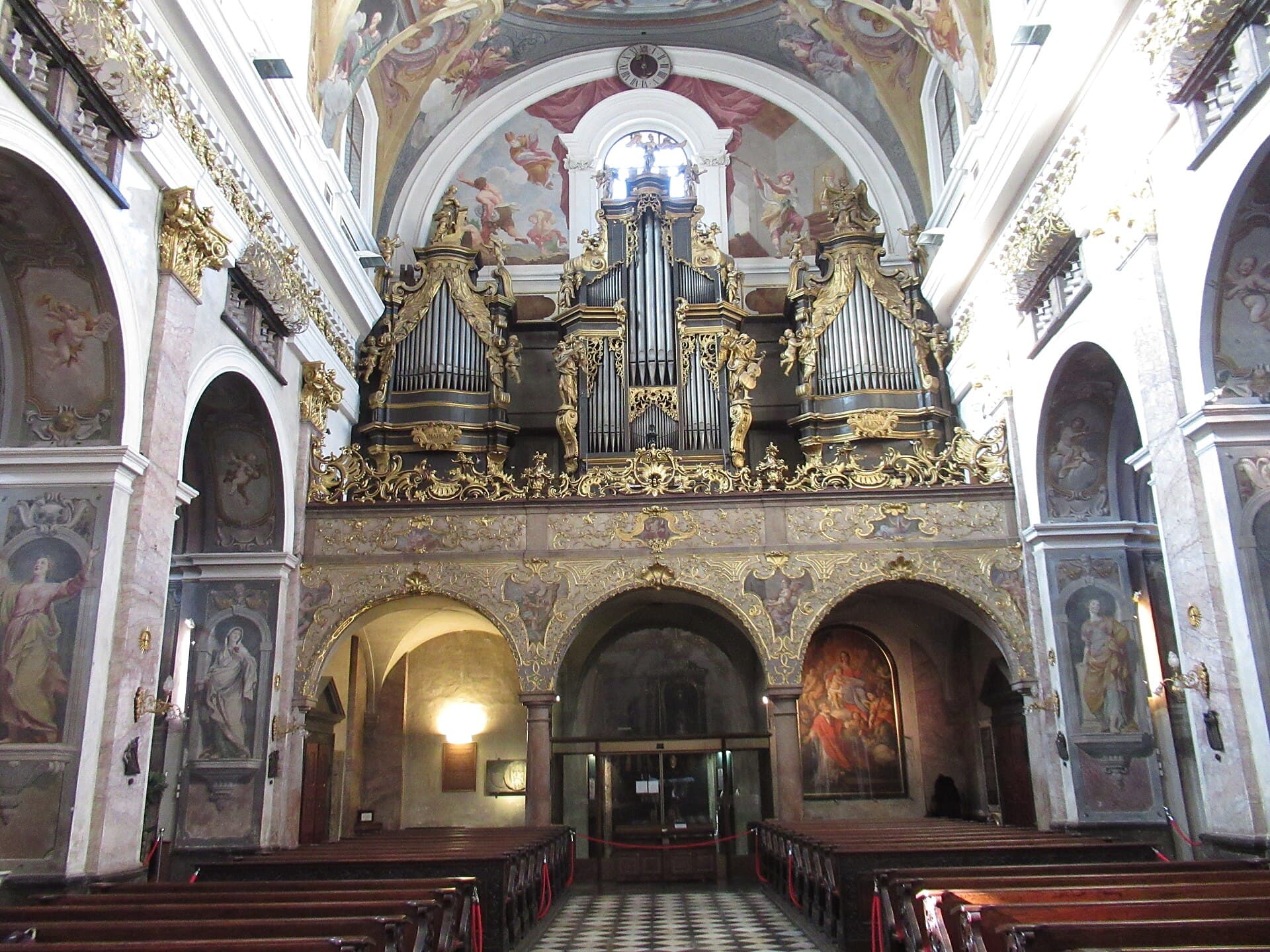 St Nicholas CathedralA green dome and twin towers above the market: Ljubljana Cathedral (1706) is Ita5 minutes walk4.6
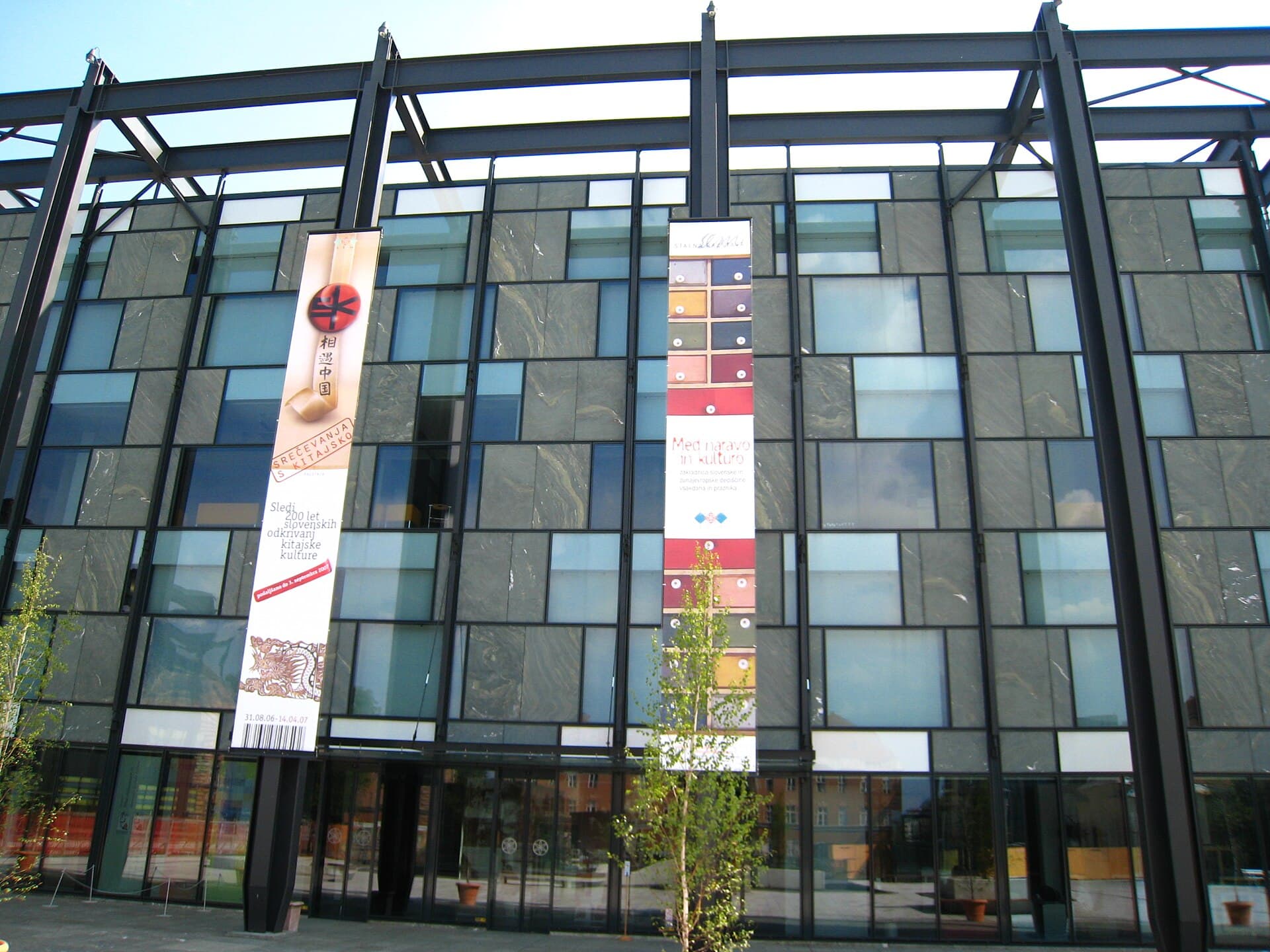 Slovene Ethnographic MuseumA museum of folk and material culture in the Metelkova complex, showing the ever5 minutes walk4.6
Because Slovenes had no political entity of their own before 1991 and spent centuries inside empires that spoke German or were governed in other languages. What marked them as a people was the language, so everyone who developed it — Trubar through printing, Prešeren through poetry — became a founding national figure. That explains the street and square names in every Slovene town.
This street and its surroundings are among the best options: small restaurants, vegetarian places and bakeries at far lower prices than the riverfront. A general rule in Ljubljana: every step away from the river lowers the price.