
Türkiye's tallest clock tower
Thirty-two metres of brick finished in 1882, taller even than Istanbul's Dolmabahçe clock tower.
John Lubbock — CC BY-SA 2.0 · John Lubbock — CC BY-SA 2.0 · John Lubbock — CC BY-SA 2.0 · Dosseman — CC BY-SA 4.0
Thirty-two metres of red brick rising out of a coppersmiths' bazaar five centuries old: this is the tallest clock tower in Türkiye, and when it was finished in 1882 it outreached even the Dolmabahçe clock tower in Istanbul. Ziya Pasha, the poet-governor of Adana, started it; his successor Abidin Pasha finished it, at a moment when the cotton boom was flooding the city with money and a hunger to look modern. The mechanism came from Germany, and the hourly bell, audible across the whole town, set the clock for government offices and prayer times alike. Rebuilt in 1935 after damage that local accounts trace to the French occupation following the First World War, the tower stood firm through the 1998 Adana earthquake and was restored again in 2013-14. Be clear about what this is: you cannot climb it, there is no ticket and no door for visitors. What you see from the street is all there is, and it earns a few minutes and a photo, no more. Its real value is as the hinge of a half-day walk through old Adana. A few steps away is the Ulu Cami, the sixteenth-century Great Mosque of the Ramazanoğlu dynasty with its striped black-and-white stone, and the Ottoman Çarşı Hamamı; the Roman Taşköprü bridge over the Seyhan is ten minutes on foot. More fun than the tower itself is the Kazancılar bazaar wrapped around it, where the hammering of copper pots, trays and coffee pots still carries out of the workshops. The neighbouring lanes sell spices, the dried peppers that give Adana kebab its heat, and the crimson şalgam juice locals drink alongside it. Go in the morning: the market is at full tilt and the craftsmen are at their benches, whereas the place goes quiet after lunch and all but shuts on Sundays. For families, the whole circuit is flat and pushchair-friendly, though the street in front of the tower is narrow and busy with traffic, so keep hold of small children. In July and August Adana passes 40°C; come before ten in the morning or after dark when the clock faces are lit. Spring and autumn are far kinder.
Thirty-two metres of brick finished in 1882, taller even than Istanbul's Dolmabahçe clock tower.
An Ottoman market wrapped around the tower where craftsmen still hammer pots and trays by hand.
The Ulu Cami and Çarşı Hamamı are steps away, the Roman Taşköprü bridge ten minutes on foot.
Ali Münif Caddesi, Ulucami Mahallesi, Seyhan, Adana
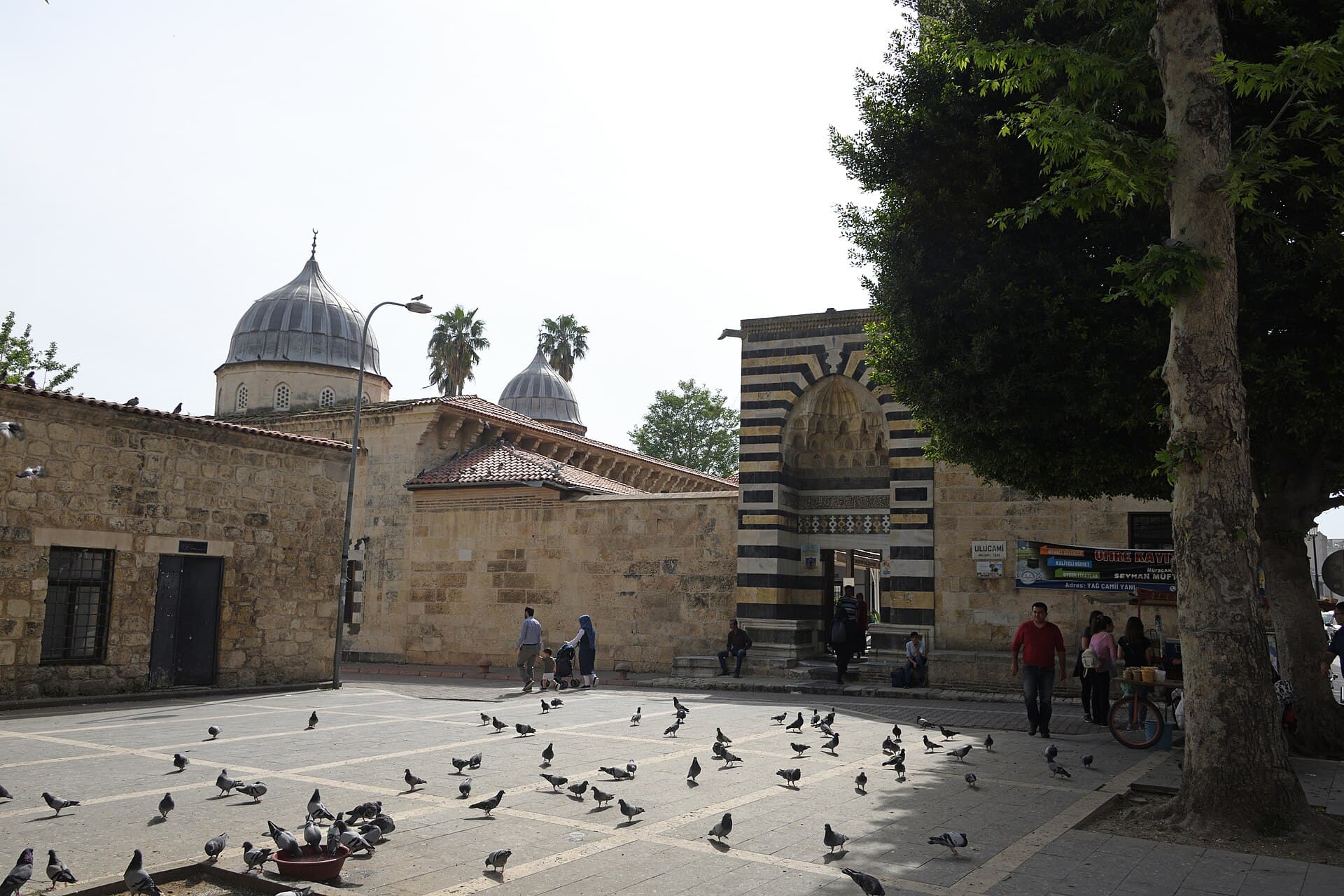 Great Mosque of Adana (Ulu Cami)The first thing you notice is that this mosque does not look Anatolian at all: w2 minutes walk
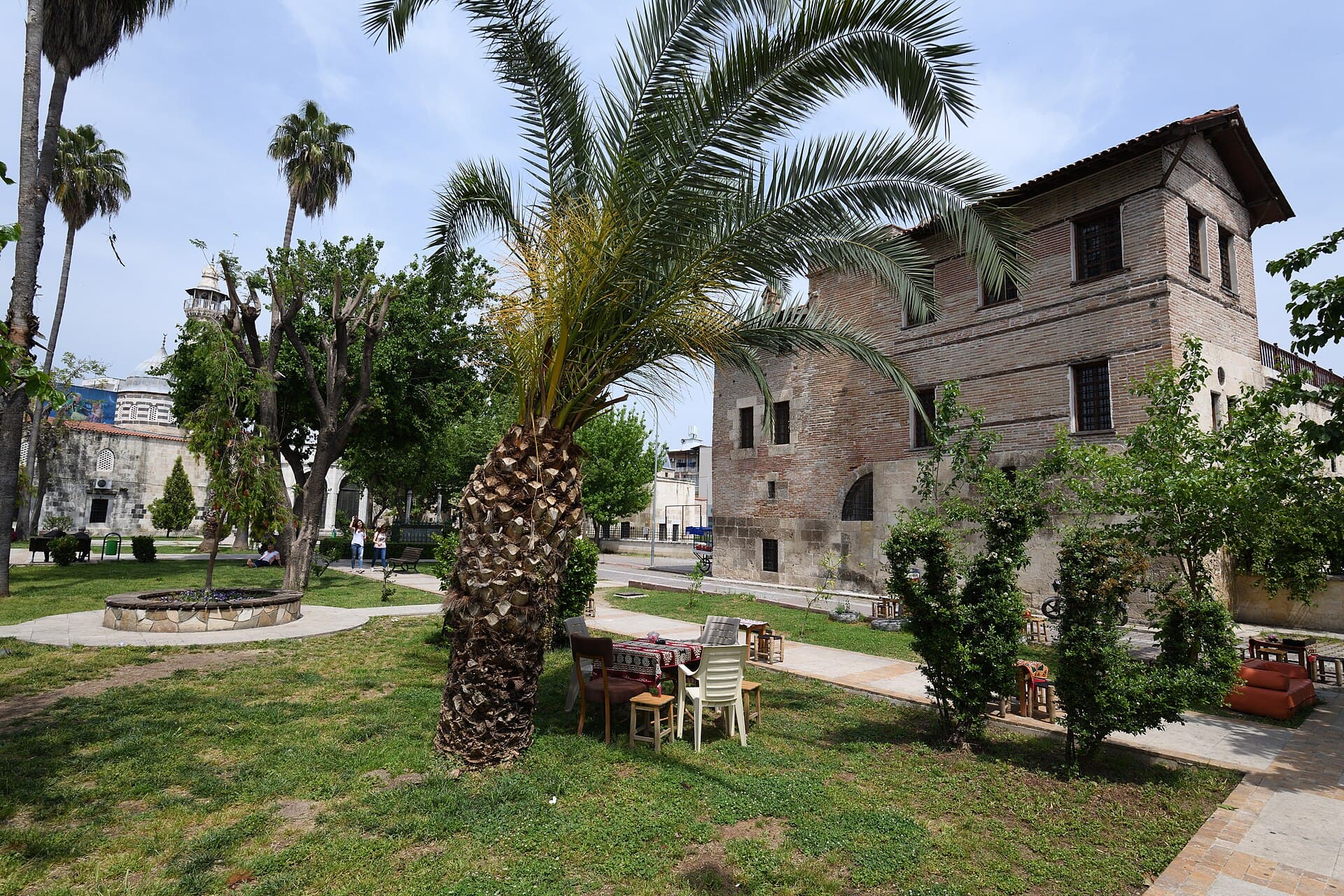 Ramazanoğlu HallA few steps from Adana's Great Mosque stands one of the oldest surviving houses 2 minutes walk
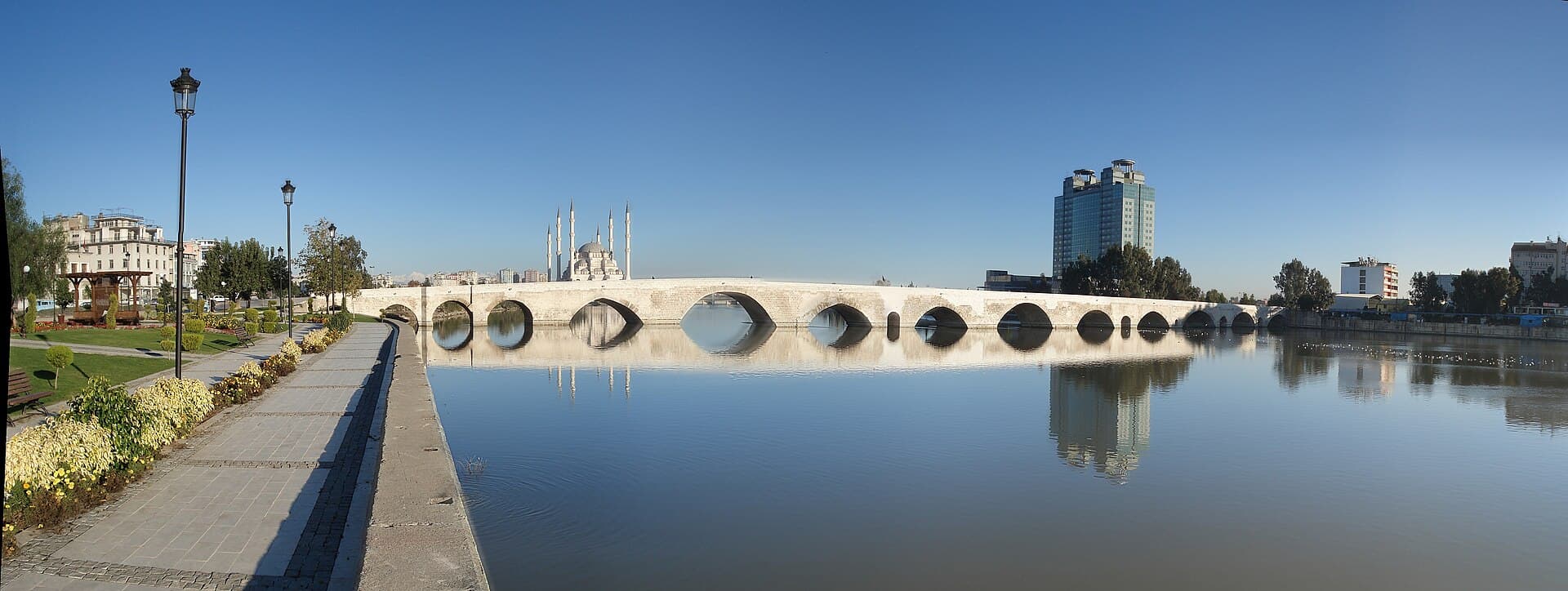 Taşköprü (Stone Bridge)Until 2007 this Roman bridge was one of the oldest in the world still carrying m6 minutes walk
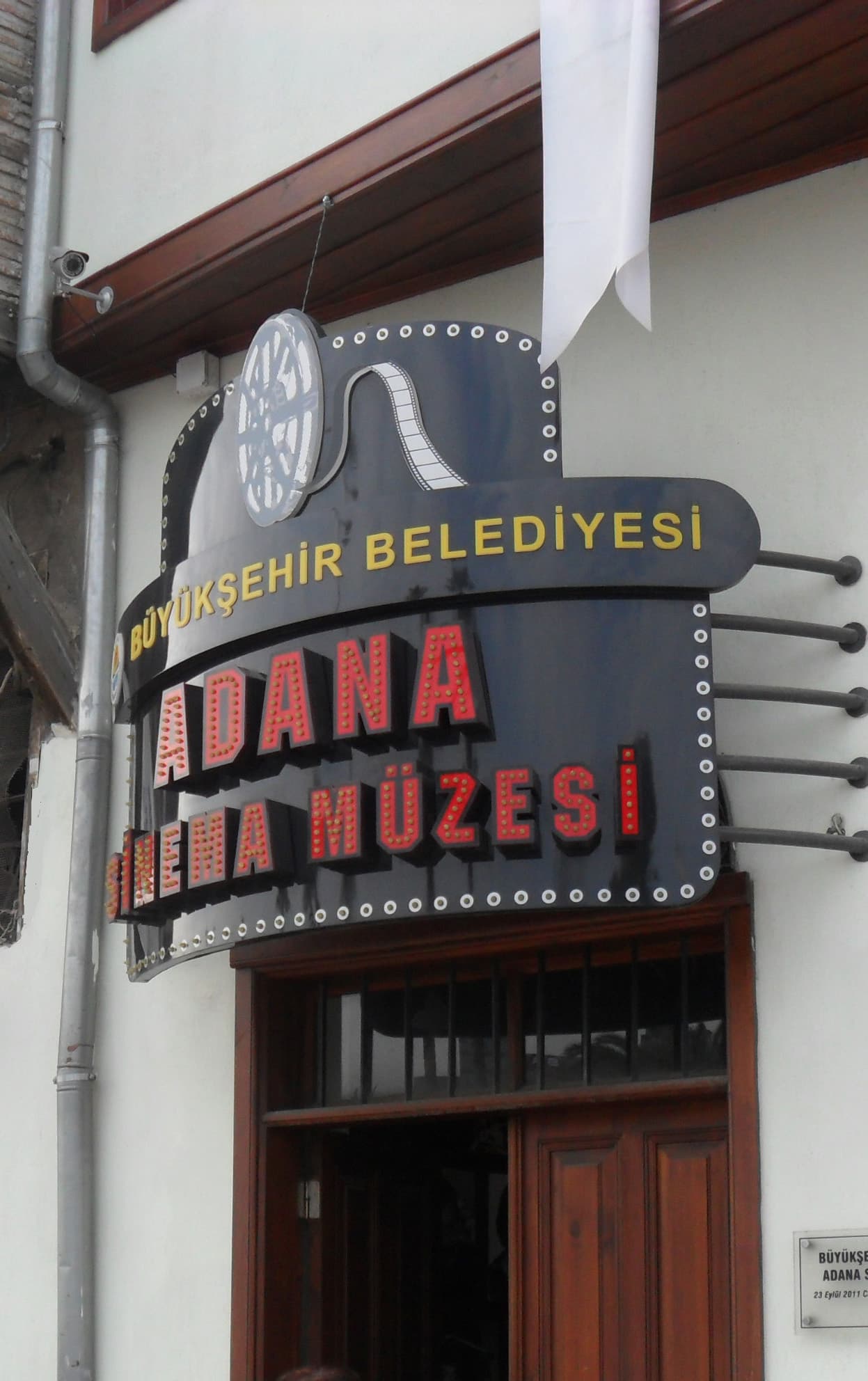 Adana Cinema MuseumUpstairs, Yılmaz Güney sits in wax in a room that is his alone, surrounded by ph6 minutes walk
 Tepebağ Historic QuarterThe low hump in the middle of flat central Adana is not a hill at all but a city7 minutes walk
Not a dedicated trip: it cannot be climbed and you are done looking in minutes. Fold it into a morning walk with the Ulu Cami, the coppersmiths' bazaar and the Taşköprü bridge and it becomes an enjoyable half-day, especially if you finish with Adana kebab in the market.
Largely yes: the lanes are flat with no stairs, but the street in front of the tower is narrow and busy with traffic. Avoid midday in summer, and remember that many shops close on Sundays.