
The language question
He wrote in Dutch when French was the language of culture and administration in Belgium.
Rainer Halama — CC BY-SA 4.0 · Marc Ryckaert — CC BY-SA 4.0 · Jan Frans Cantré (graveur) — Public domain · Jules Lagae — Public domain
The house where the Flemish poet Guido Gezelle was born in 1830, now a small museum about him and his period. It is a plain workers' house in a quiet district north-east of the centre. Gezelle is a central figure in Flemish literature: a Catholic priest and a poet, he wrote in local Dutch at a time when French was the language of culture and administration in Belgium. His poetry is about nature and faith, and his larger importance is that he proved Flemish could carry serious literature. That is the context that makes the museum make sense: the language question in Belgium is not a cultural footnote but a political fault line running to the present day, and Gezelle is one of the Flemish side's emblems in it. The museum is small and the garden behind it is part of the visit. Anyone with no interest in Flemish poetry will find a pleasant historic house and a quiet garden, and not much more. The site is slightly off the usual tourist route.
He wrote in Dutch when French was the language of culture and administration in Belgium.
A genuine part of the visit, and quiet in a way that is hard to find in Bruges.
Not a palace or a large museum — a modest house in an ordinary district.
Rolweg, north-east Bruges
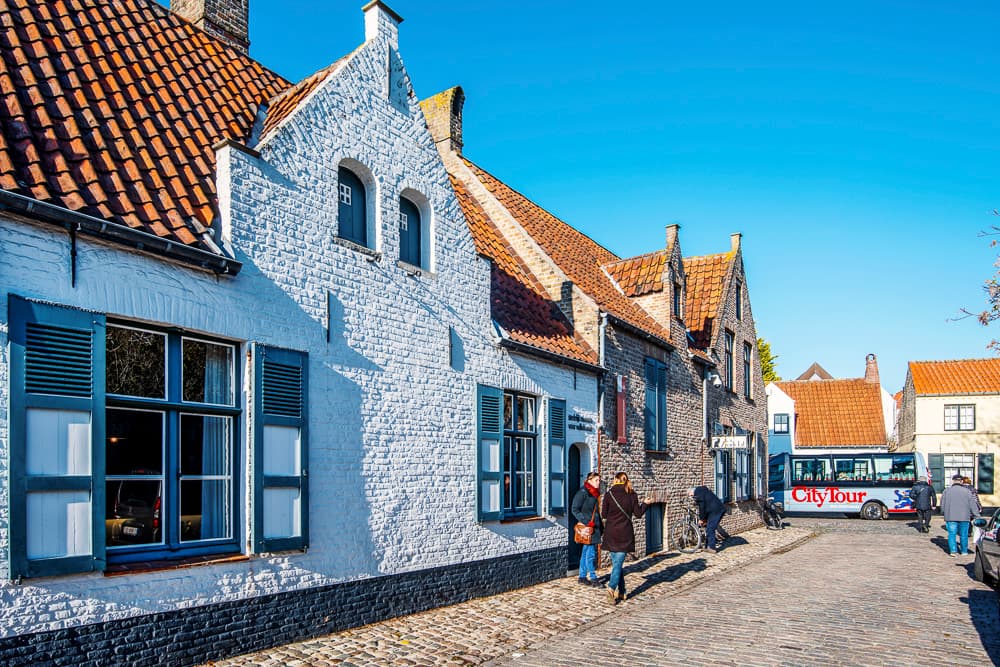 Folklore Museum (Volkskundemuseum)Bruges' Folklore Museum occupies a row of eight seventeenth-century "godshuizen"4 minutes walk4.6
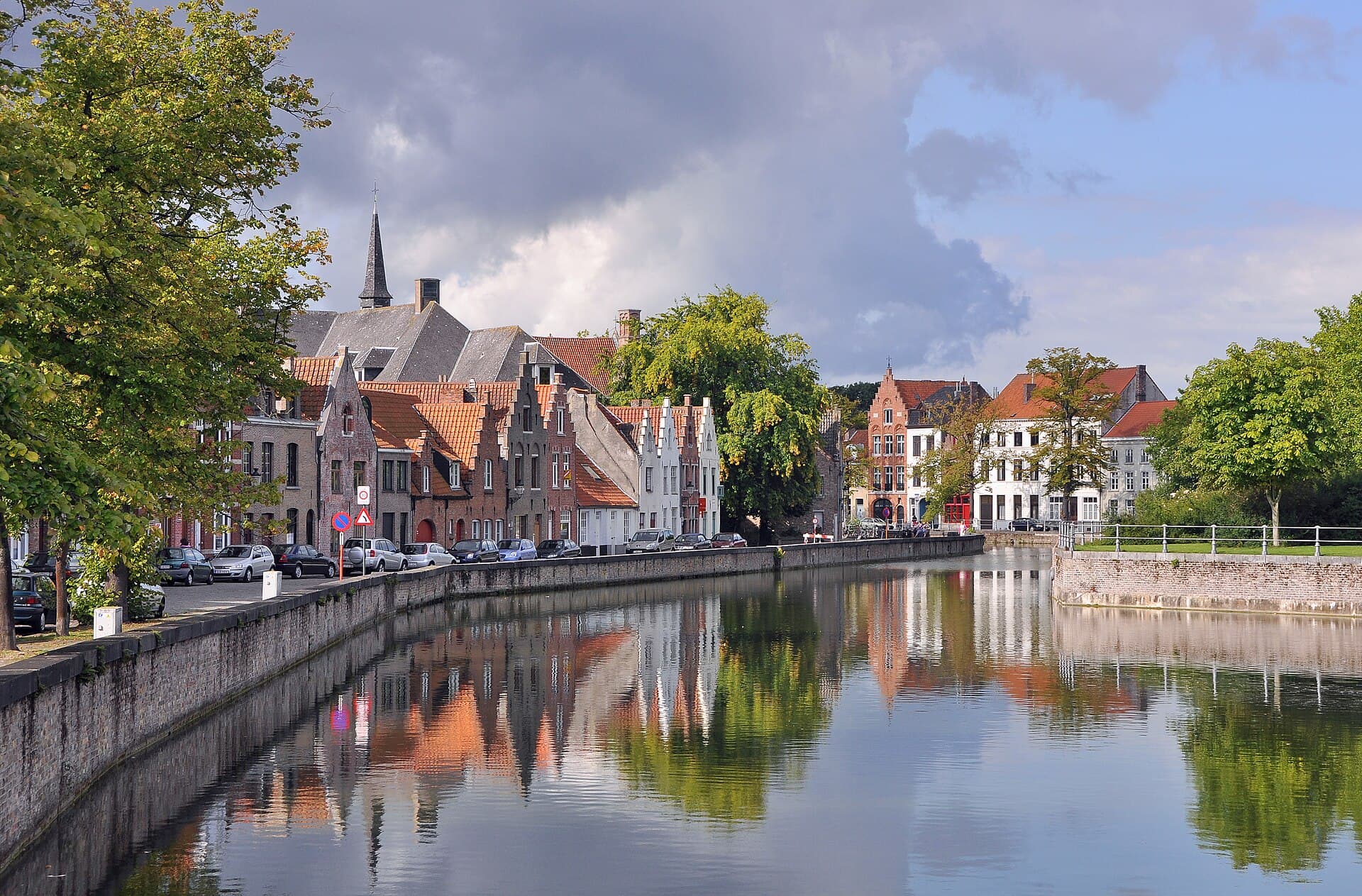 Langerei CanalA long straight canal north of central Bruges, running between seventeenth and e8 minutes walk4.8
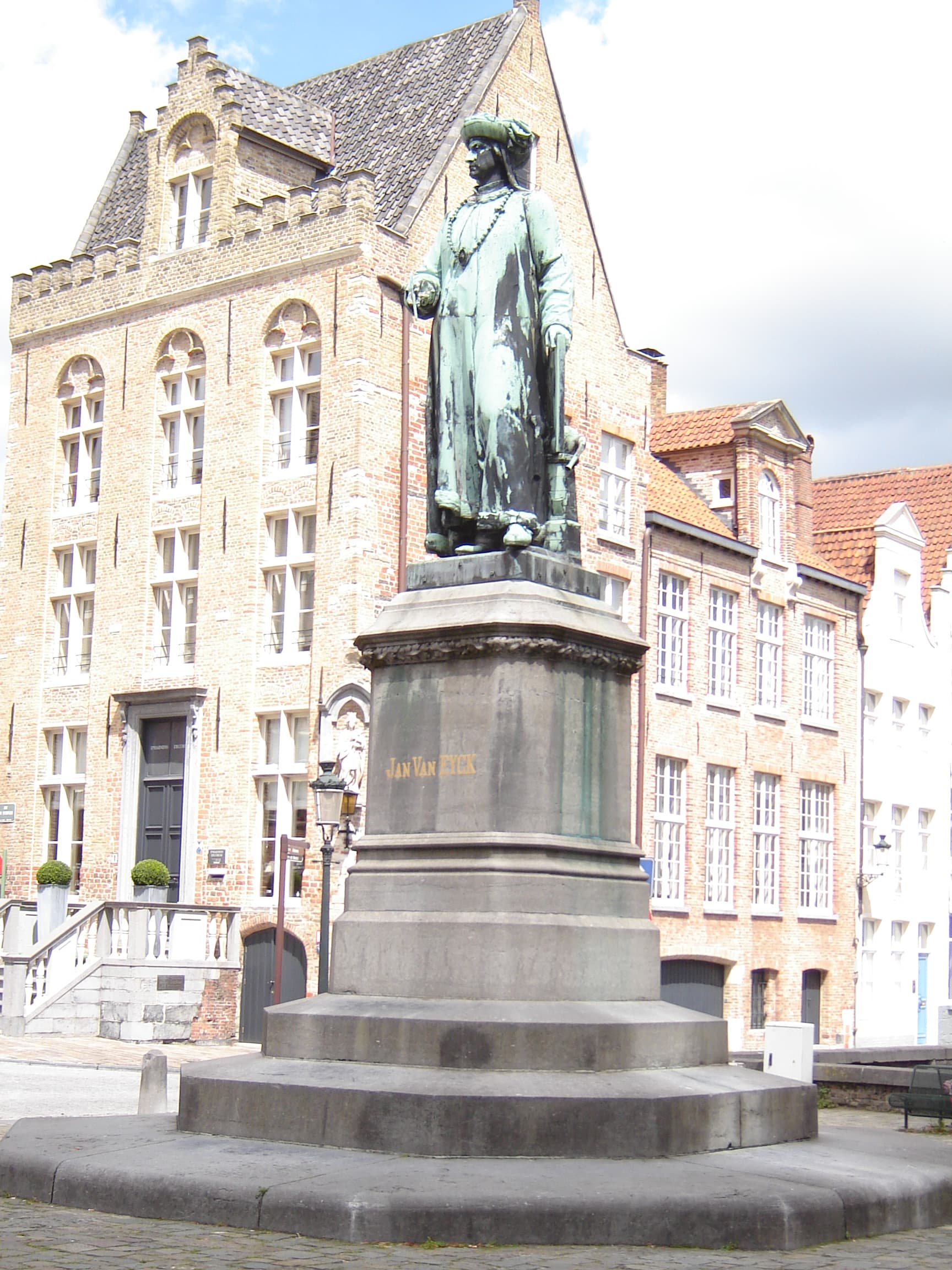 Jan van EyckpleinJan van Eyckplein is the heart of the old Hanseatic quarter in northern Bruges —11 minutes walk4.5
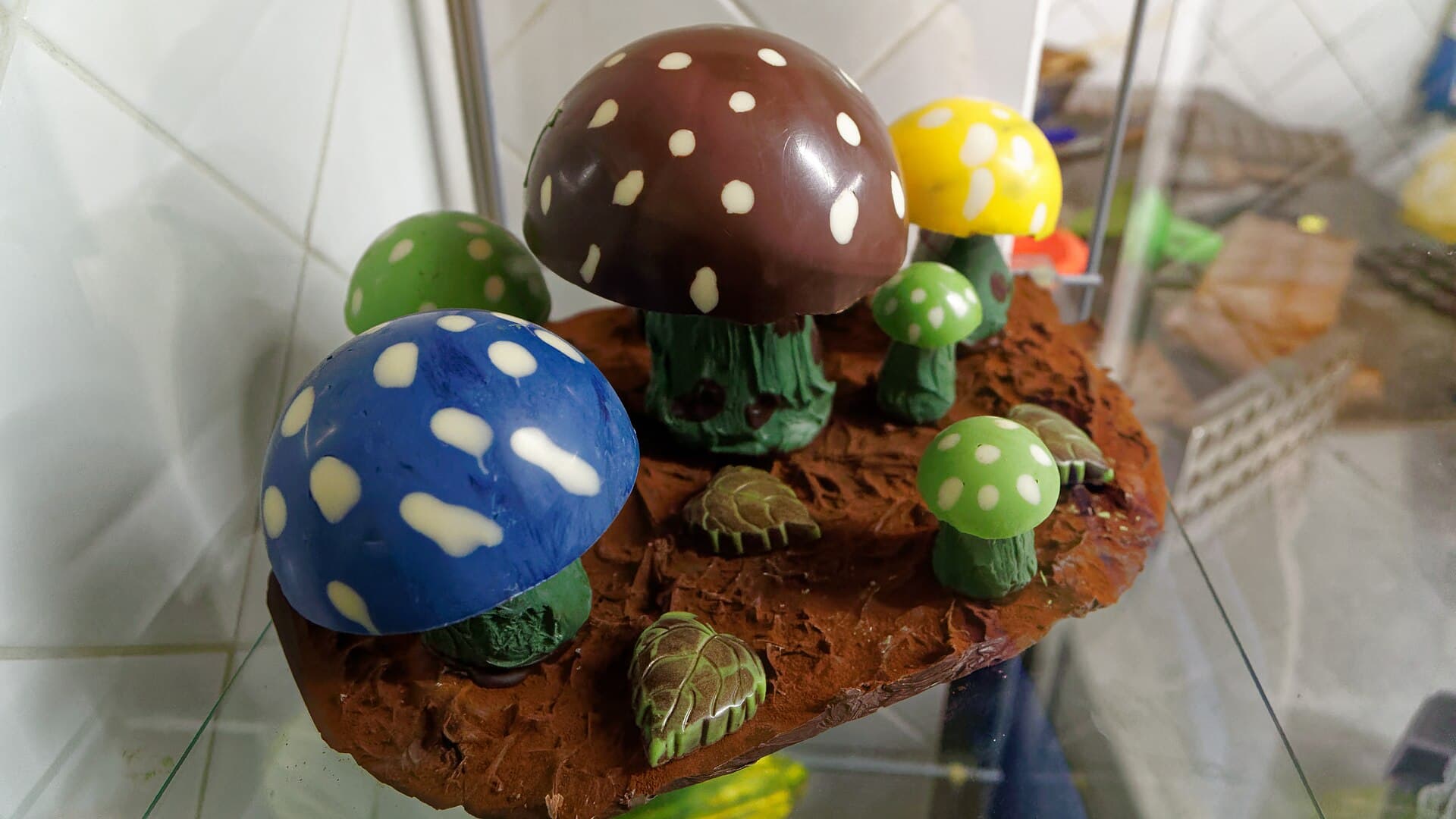 Choco-Story (Chocolate Museum)Choco-Story is Bruges' chocolate museum, in a fifteenth-century wine tavern with11 minutes walk4.0
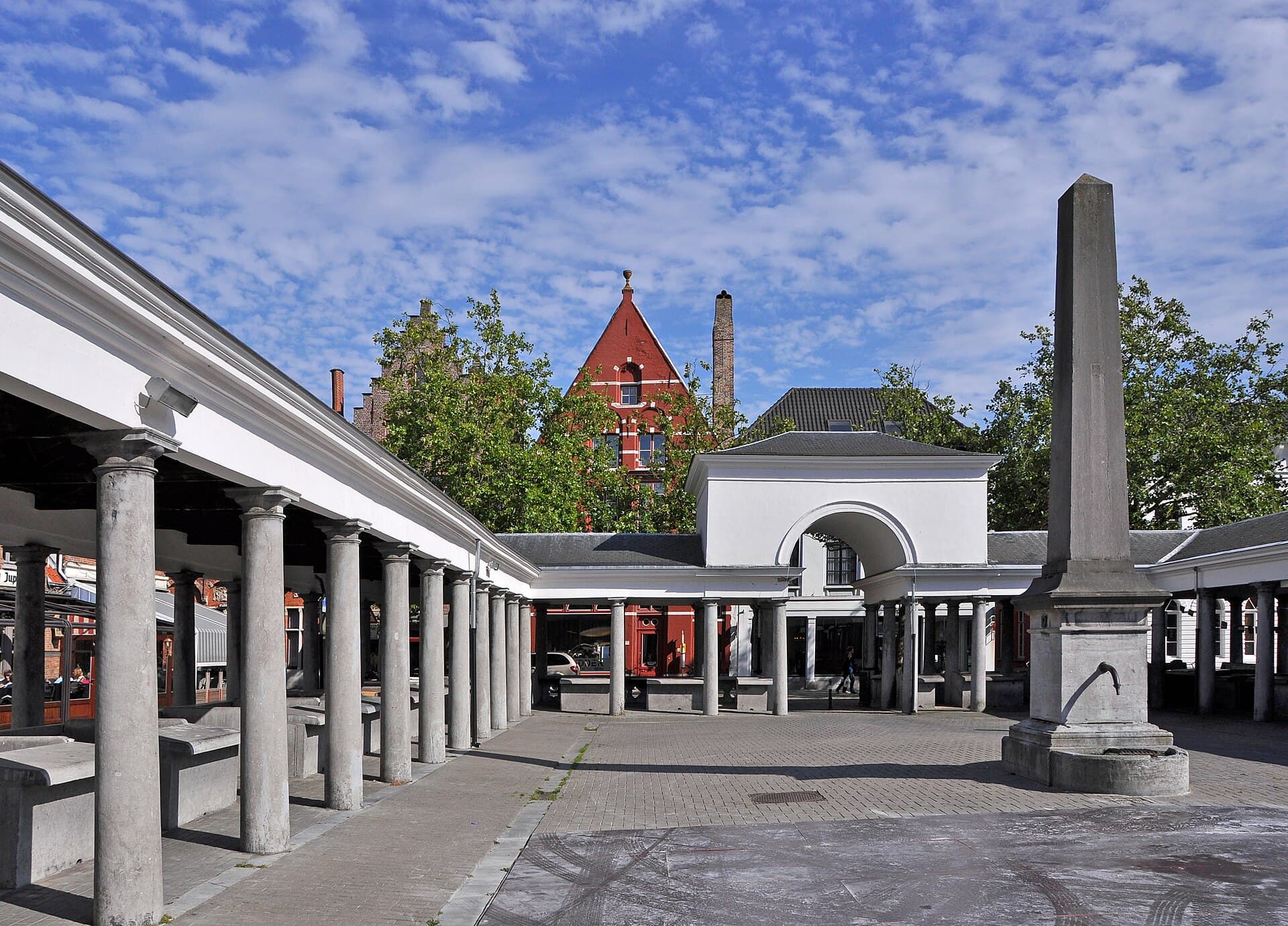 Vismarkt (Fish Market)A colonnaded market square in central Bruges, built in 1821 to move the fish tra12 minutes walk4.1
Belgium is divided between a Dutch-speaking north (Flanders) and a French-speaking south (Wallonia). In the nineteenth century French alone was the language of the state and higher education even though the Flemish were the majority, which produced a cultural and then political movement that continues today and shapes the present federal structure. Gezelle is an emblem of its first, cultural phase.
Honestly not as a priority. Bruges has the Groeninge, St John's Hospital and the Belfry, all far stronger. This museum is for those interested in Flemish literature, or for someone on a second day in Bruges wanting something off the crowded route.