
The sweet shop and pharmacy
Nineteenth-century shopfronts as they were.
EvanBrugge — CC BY-SA 4.0 · Rainer Halama — CC BY-SA 4.0 · Rainer Halama — CC BY-SA 4.0 · Rainer Halama — CC BY-SA 4.0
Bruges' Folklore Museum occupies a row of eight seventeenth-century "godshuizen" (charitable almshouses for the poor) in the quiet Sint-Anna quarter — small white houses with red roofs around a garden, each refurnished as a scene of popular Bruges life between 1850 and 1950: a classroom, a pharmacy, a sweet shop, a cooper's workshop, a tailor's, a Flemish kitchen, a family living room. It is the other face of golden Bruges: the life of craftsmen, workers and children in intimate detail, without great paintings or princes. The visit ends at "De Zwarte Kat" (The Black Cat) — the museum's traditional tavern, with old-fashioned sweets and drinks. Children can try old games in the garden. In the quiet north near the windmills — a pleasant stop on the Sint-Anna walk for those who love old daily life.
Nineteenth-century shopfronts as they were.
The museum's traditional inn with ginger drinks.
Balstraat 43, 8000 Bruges
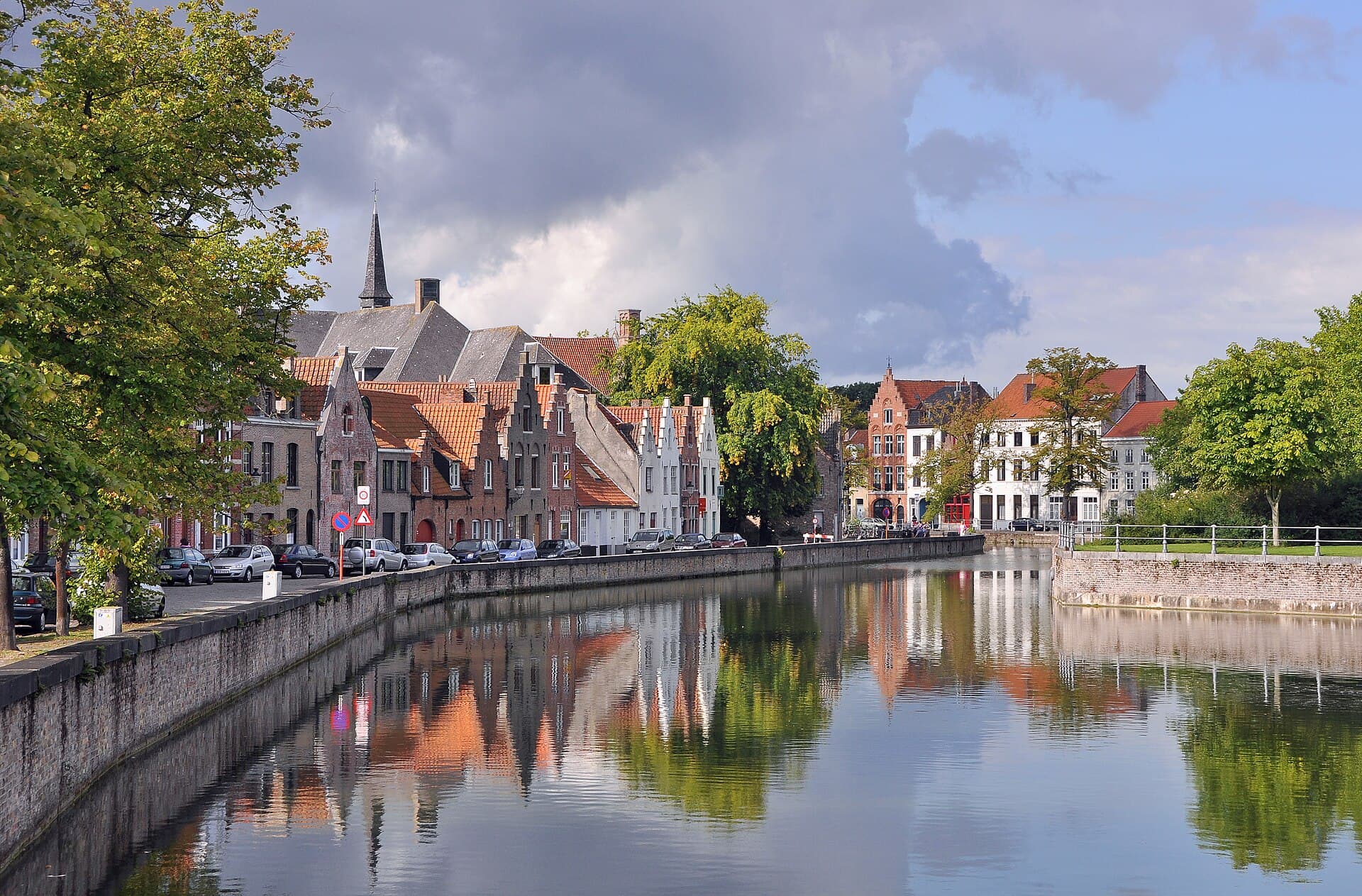 Langerei CanalA long straight canal north of central Bruges, running between seventeenth and e4 minutes walk4.8
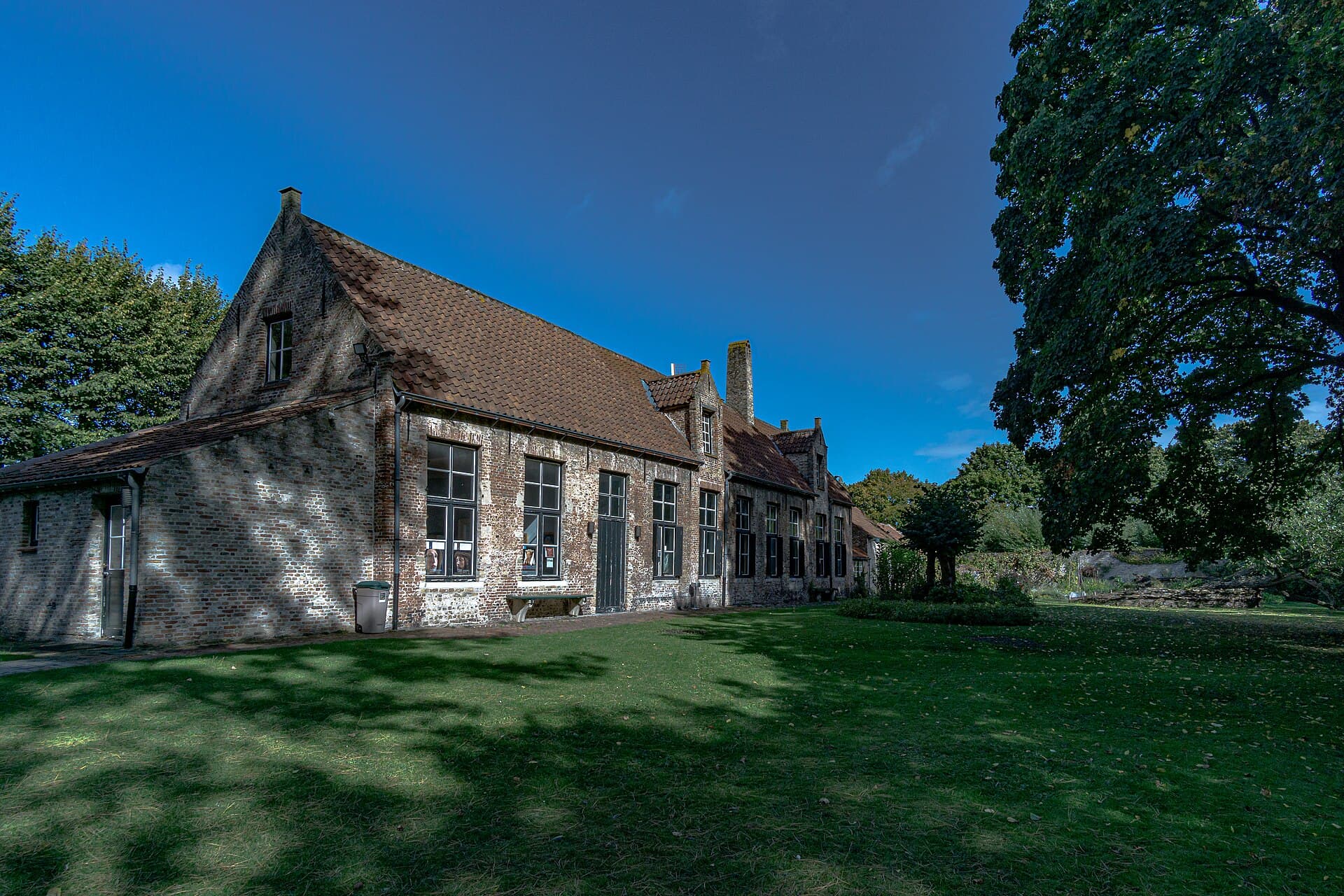 Guido Gezelle MuseumThe house where the Flemish poet Guido Gezelle was born in 1830, now a small mus4 minutes walk4.1
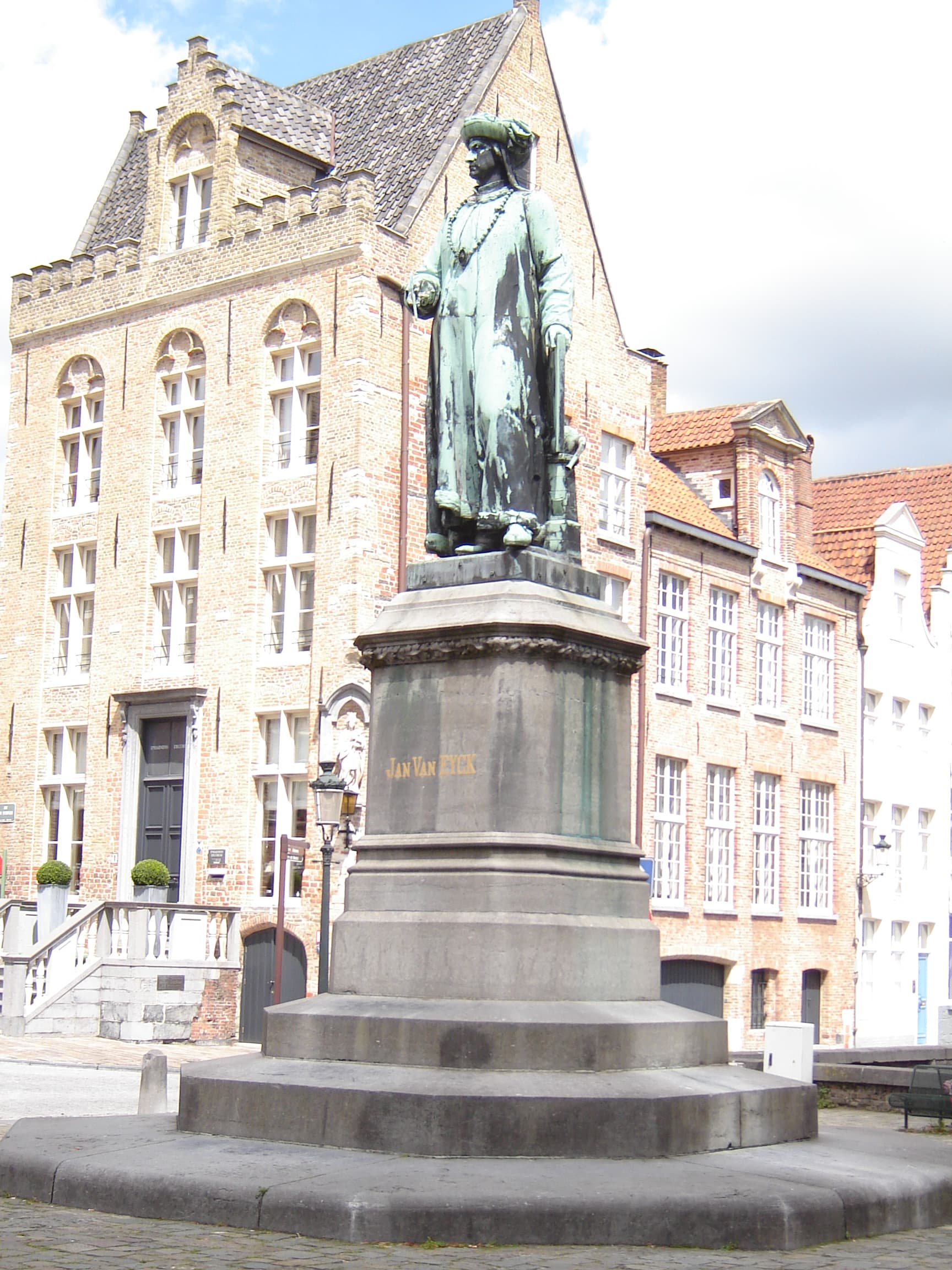 Jan van EyckpleinJan van Eyckplein is the heart of the old Hanseatic quarter in northern Bruges —7 minutes walk4.5
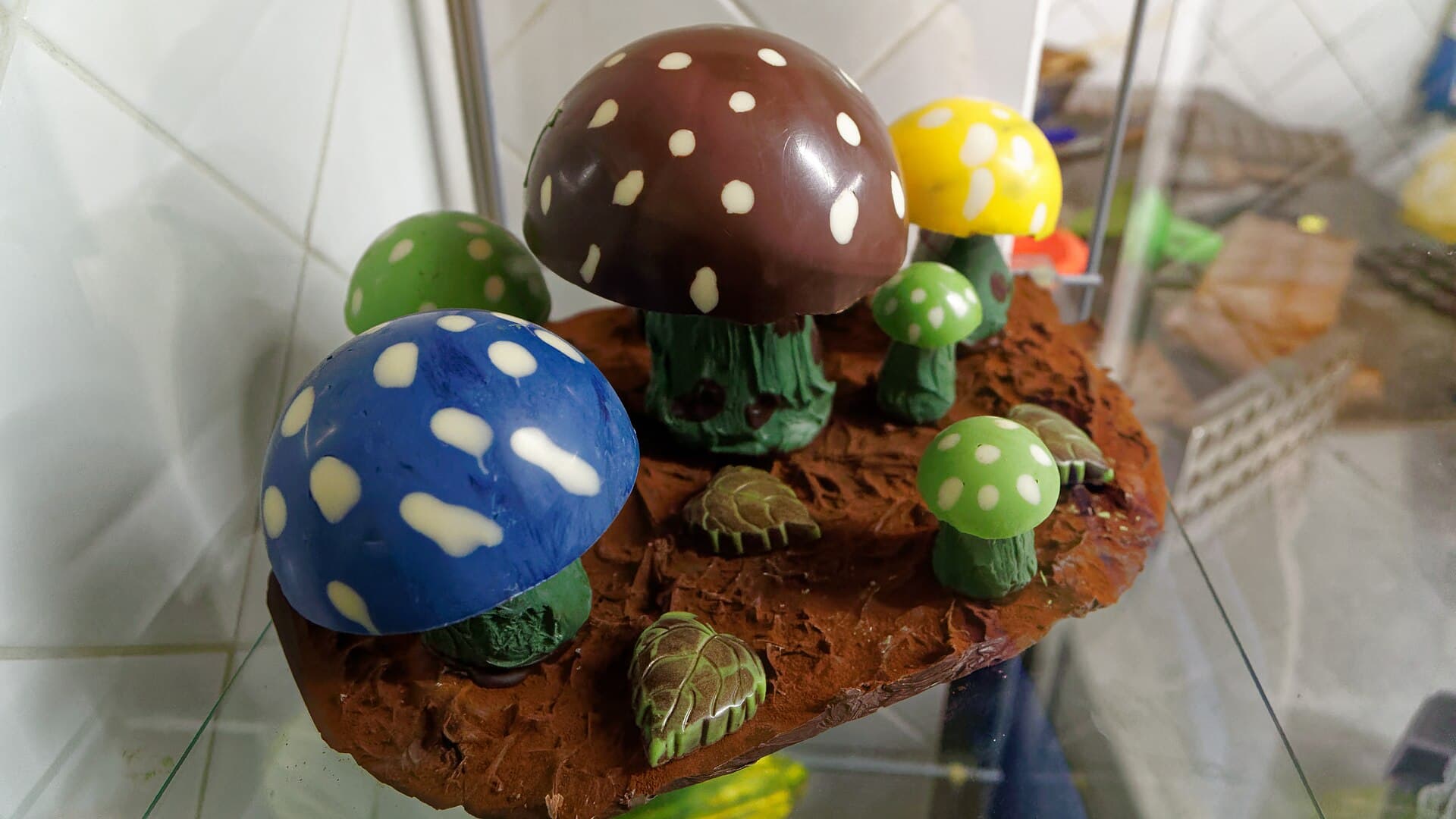 Choco-Story (Chocolate Museum)Choco-Story is Bruges' chocolate museum, in a fifteenth-century wine tavern with7 minutes walk4.0
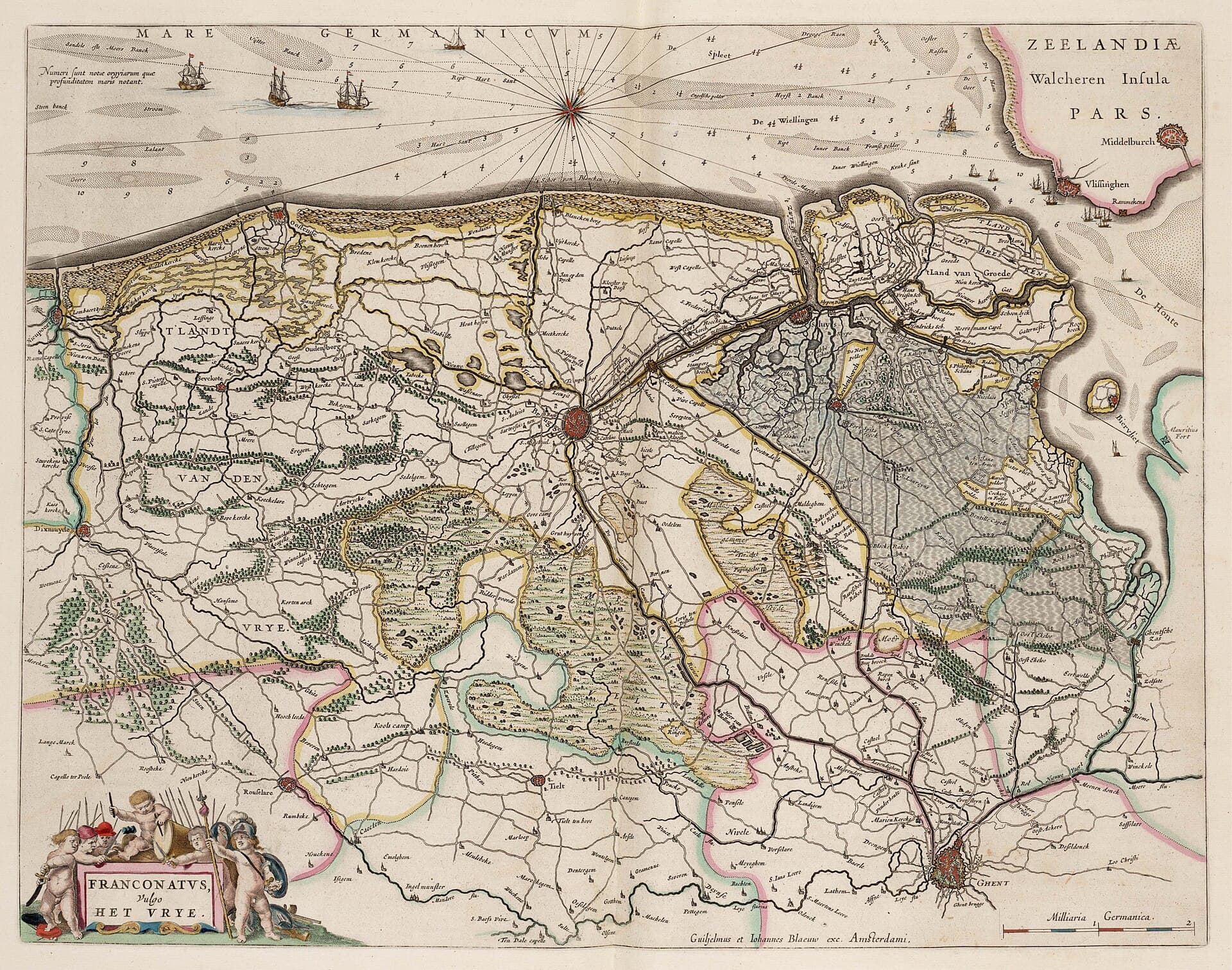 Brugse Vrije PalaceA building on the Burg Square that served as the seat of the Brugse Vrije, a lar9 minutes walk4.4
Not a priority — the Groeninge, Sint-Jan and Gruuthuse matter more. But it is a pleasant stop on the quiet northern walk for families and lovers of old daily life, and entirely calm. If you hold the combined ticket, enter; otherwise the neighbouring windmills and the quarter itself are free.