
Defence by guild
A Transylvanian system: each craft guild held a tower and a stretch of wall.
Cluj Napoca — CC BY 2.0 · Wikizoli — CC BY-SA 4.0 · Wikizoli — CC BY-SA 4.0 · Codrin.B — CC BY-SA 3.0 ro
A defensive tower at the south-eastern corner of Cluj's old wall, and the best surviving piece of the city's medieval fortifications. It dates to the fifteenth century and was the responsibility of the tailors' guild, which funded and manned it. The same system appears in other Transylvanian towns such as Sibiu: defence was not the job of an army but an obligation distributed across the craft guilds, each with its tower. The surviving names are what remains of that division. The bastion withstood a seventeenth-century siege, was restored several times, and today serves as a cultural centre hosting exhibitions and events alongside being a monument. That means going inside is sometimes possible depending on the programme, rather than by a regular tour. The surroundings are a public square, and the tower is free to see from outside at any hour. The visit is minutes within a walk of central Cluj, a lively university city whose centre rewards walking.
A Transylvanian system: each craft guild held a tower and a stretch of wall.
The bastion survived a seventeenth-century siege and was restored several times after.
It serves today as a cultural centre, so you may find it open with an exhibition rather than a tour.
Strada Baba Novac, central Cluj-Napoca
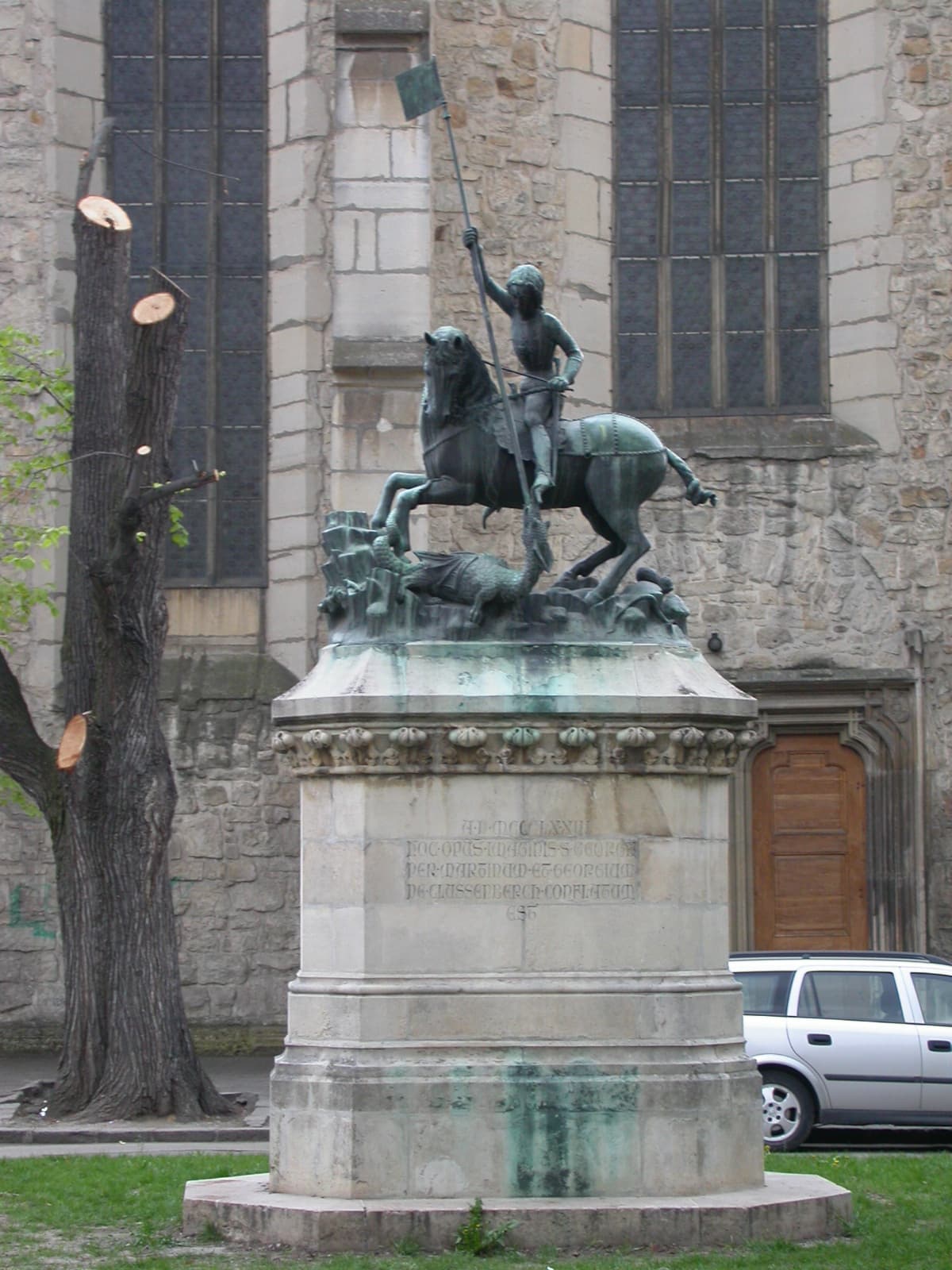 The Statue of St George, ClujA bronze statue of St George killing the dragon, a copy of a fourteenth-century 2 minutes walk4.8
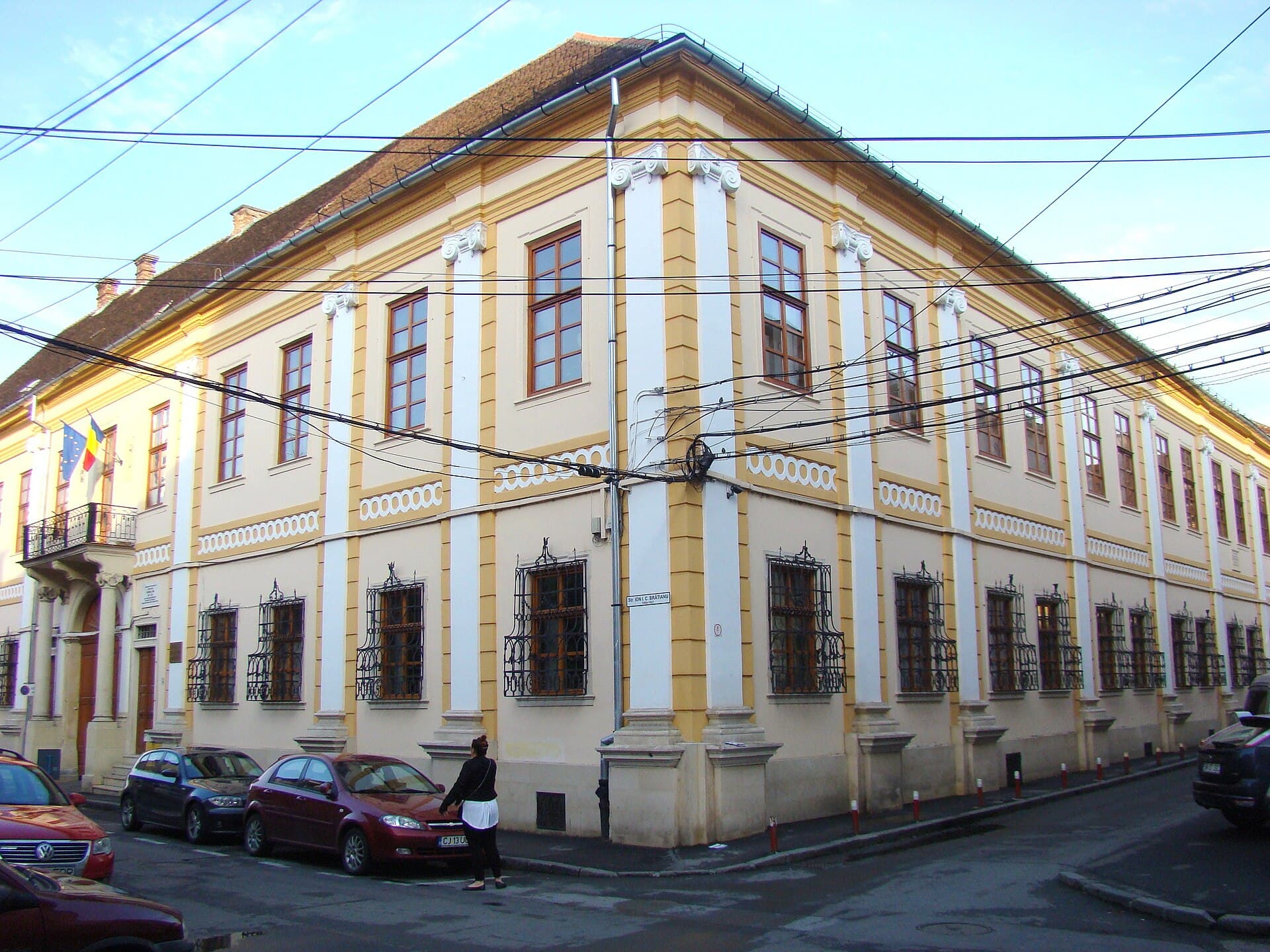 The Toldalagi-Korda PalaceThe Toldalagi-Korda Palace is among the handsomest of Cluj's town palaces, built4 minutes walk4.4
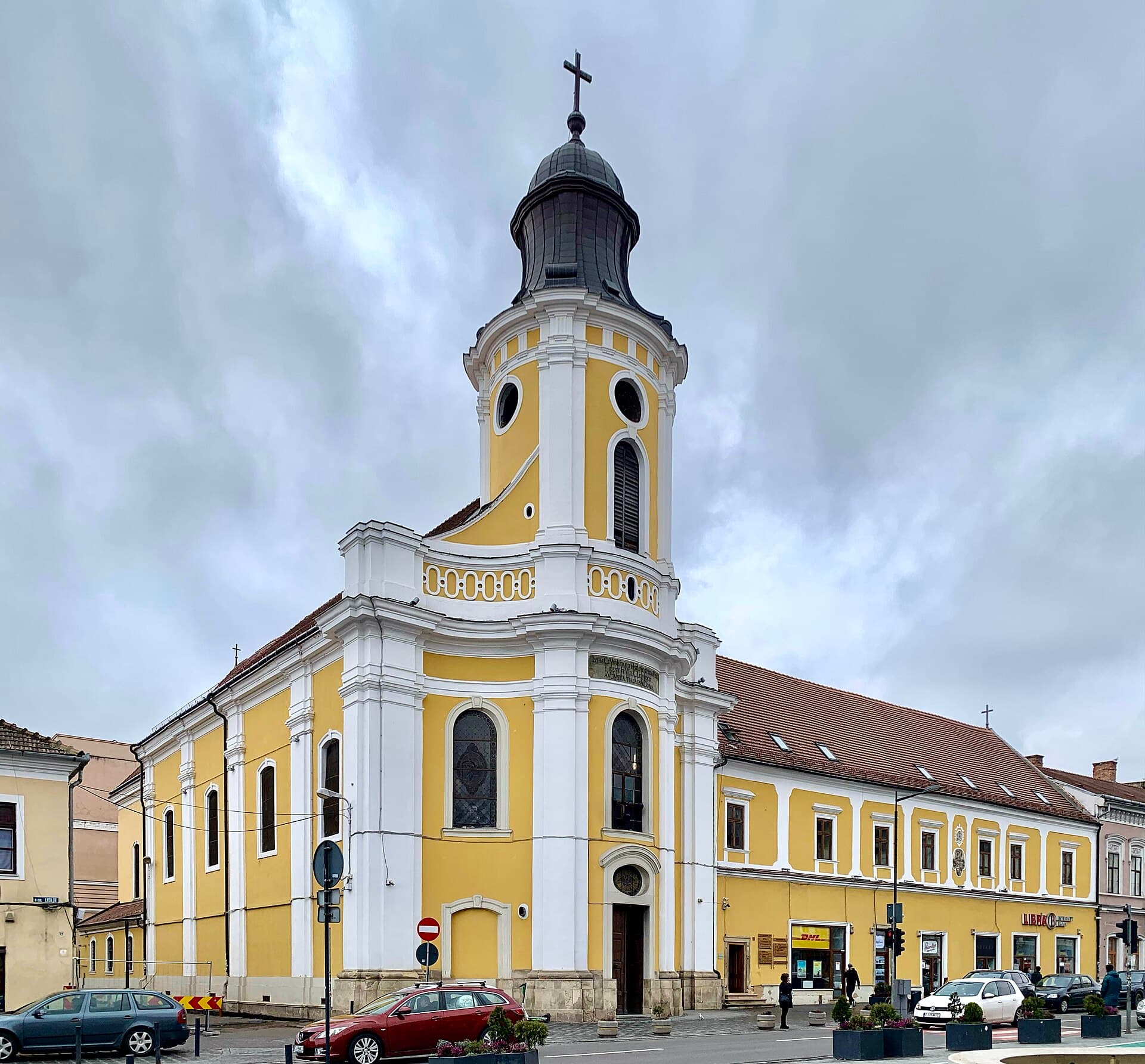 The Transfiguration CathedralThe Transfiguration Cathedral is a Baroque building of the mid-eighteenth centur5 minutes walk4.7
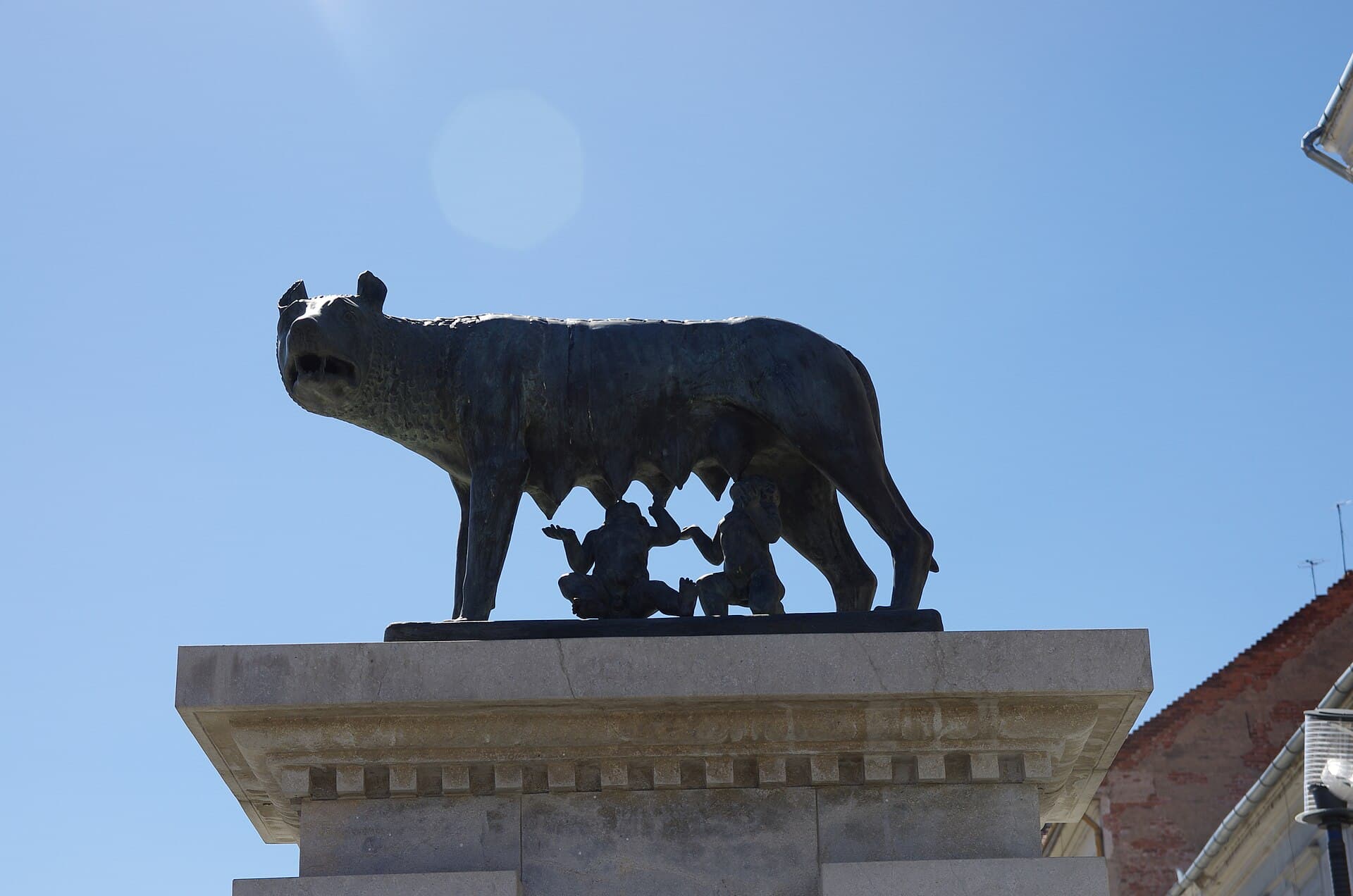 The Capitoline Wolf Statue, ClujA copy of the Roman Capitoline Wolf — the she-wolf suckling Romulus and Remus — 5 minutes walk4.5
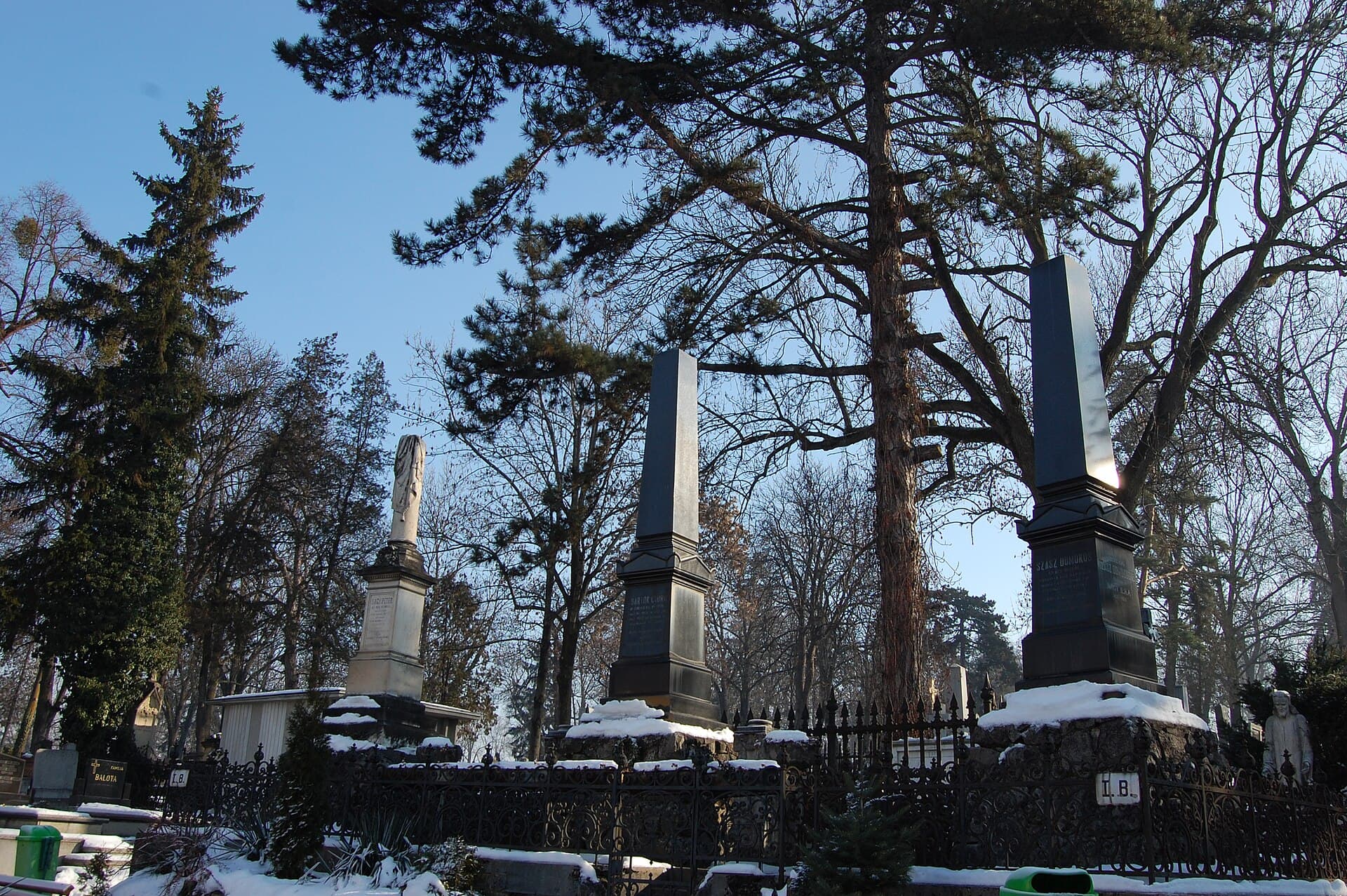 Házsongárd CemeteryHázsongárd Cemetery lies on a slope south of central Cluj and was opened in **156 minutes walk4.4
Sometimes. The bastion is a cultural centre hosting exhibitions and events, so entry depends on what is running rather than a regular tour. From outside it can always be seen free from the surrounding square, which satisfies most visitors.
Little. The city expanded and most of the wall was demolished in the nineteenth century, and this bastion is the clearest survival. Smaller fragments are scattered in the centre but far less legible.