
The brothers of Cluj
Martin and George made the original, so the city counts it as its own.
Andrei kokelburg — CC BY-SA 3.0 ro · Christo — CC BY-SA 4.0 · Christo — CC BY-SA 4.0 · FOTO:Fortepan — ID 29272: Adományozó/Donor: Gyöngyi. archive copy at the Wayback Machine — CC BY-SA 3.0
A bronze statue of St George killing the dragon, a copy of a fourteenth-century work counted among the most important medieval sculptures in Europe. The original was made by the brothers Martin and George of Cluj in 1373 and is today in Prague Castle. Its importance is technical and artistic at once: it is regarded as the first large free-standing European bronze since Roman times — meaning it leans against no wall and is not seen from a single side but walked around. This return to independent sculpture preceded the Italian Renaissance by decades. The brothers were from Cluj, and so the city keeps a copy of the work and counts it part of its identity. The copy standing today was cast in the nineteenth century. The statue stands before a church in the citadel area on a hill overlooking the city, which is also among the best viewpoints for Cluj. Viewing is free in a public space.
Martin and George made the original, so the city counts it as its own.
It leans on no wall — Europe's return to independent sculpture.
The original is in Prague Castle; this copy is nineteenth century.
Before the Cetățuie church, Cluj-Napoca
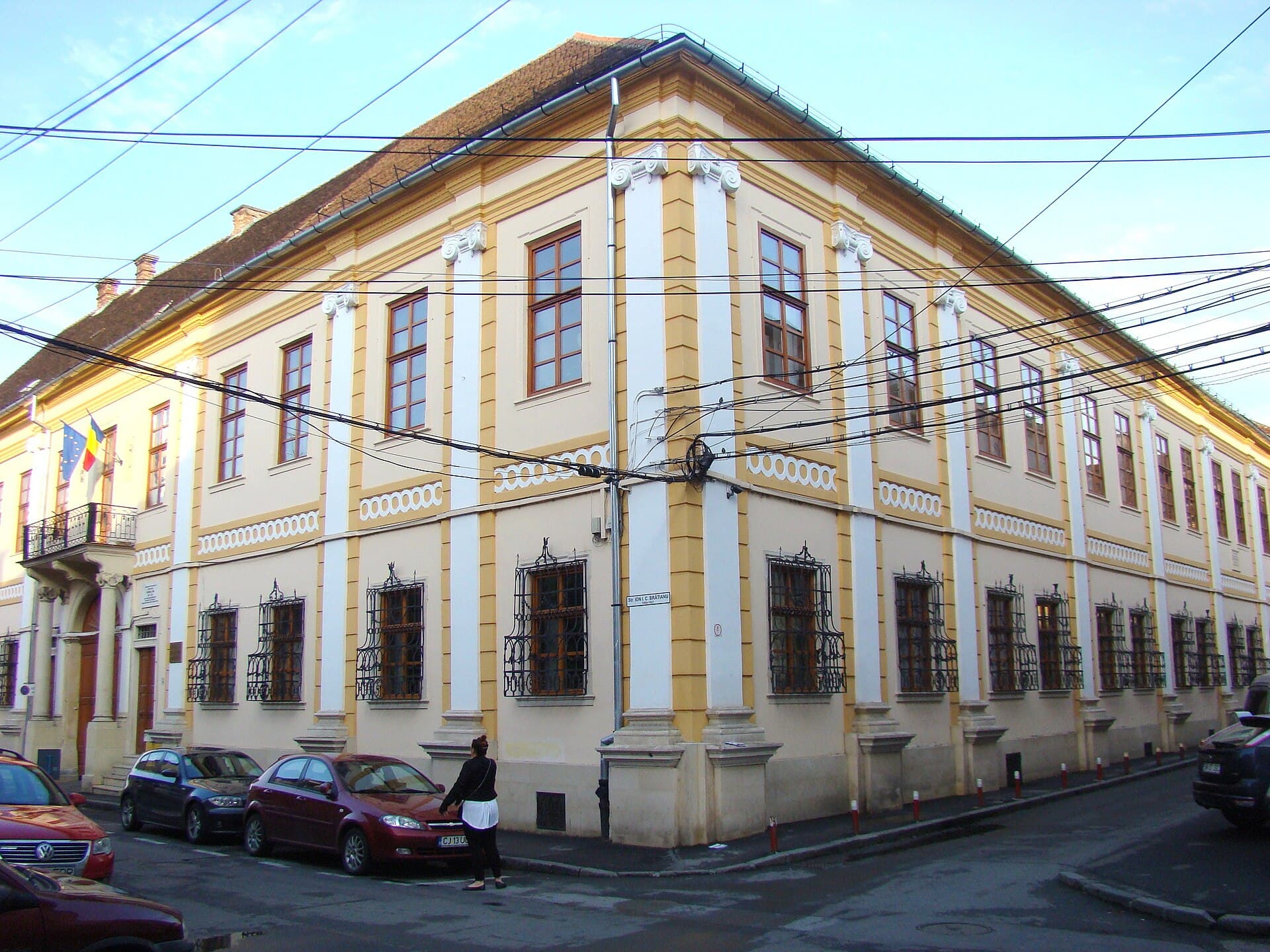 The Toldalagi-Korda PalaceThe Toldalagi-Korda Palace is among the handsomest of Cluj's town palaces, built2 minutes walk4.4
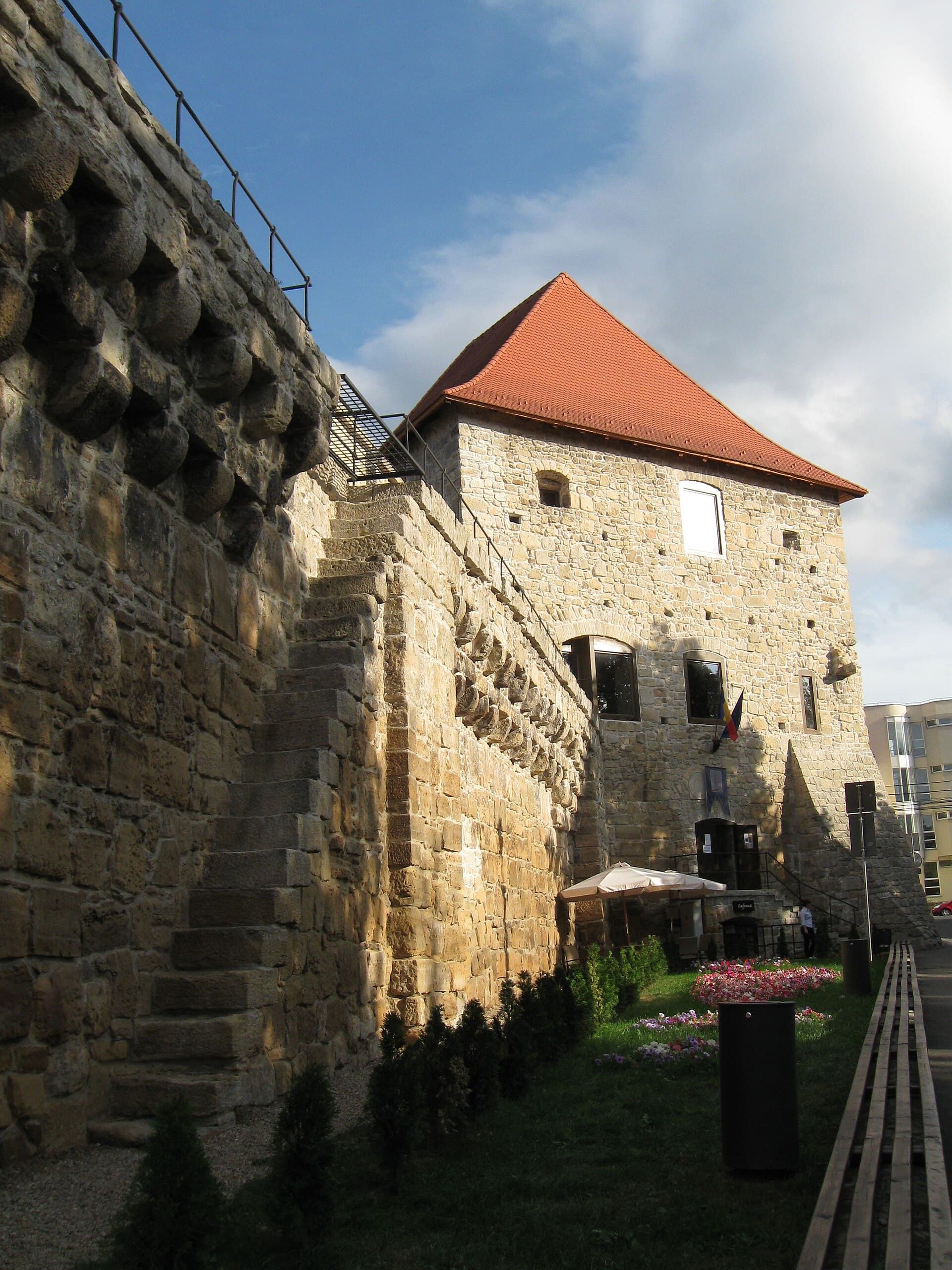 The Tailors' BastionA defensive tower at the south-eastern corner of Cluj's old wall, and the best s2 minutes walk4.5
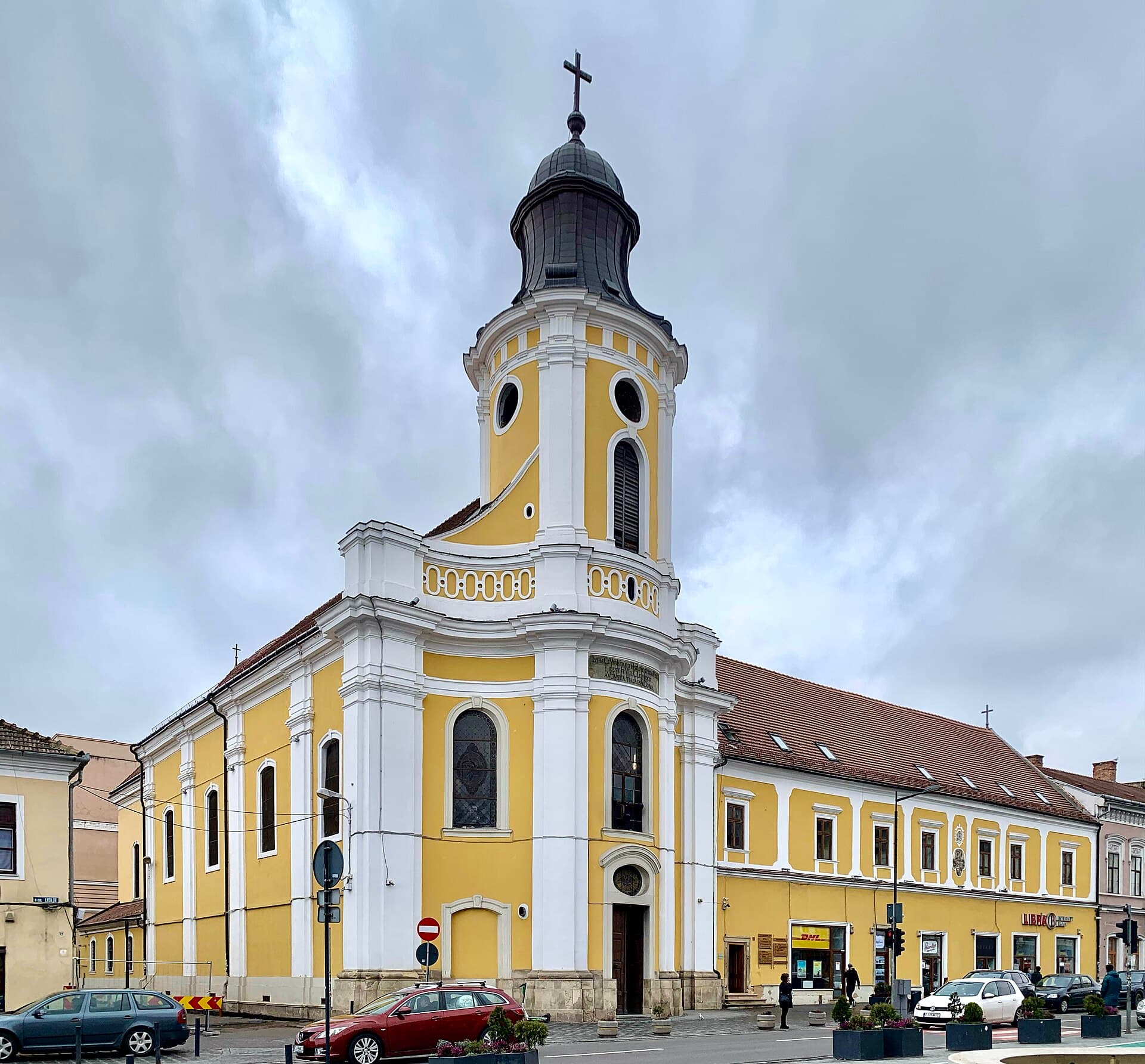 The Transfiguration CathedralThe Transfiguration Cathedral is a Baroque building of the mid-eighteenth centur3 minutes walk4.7
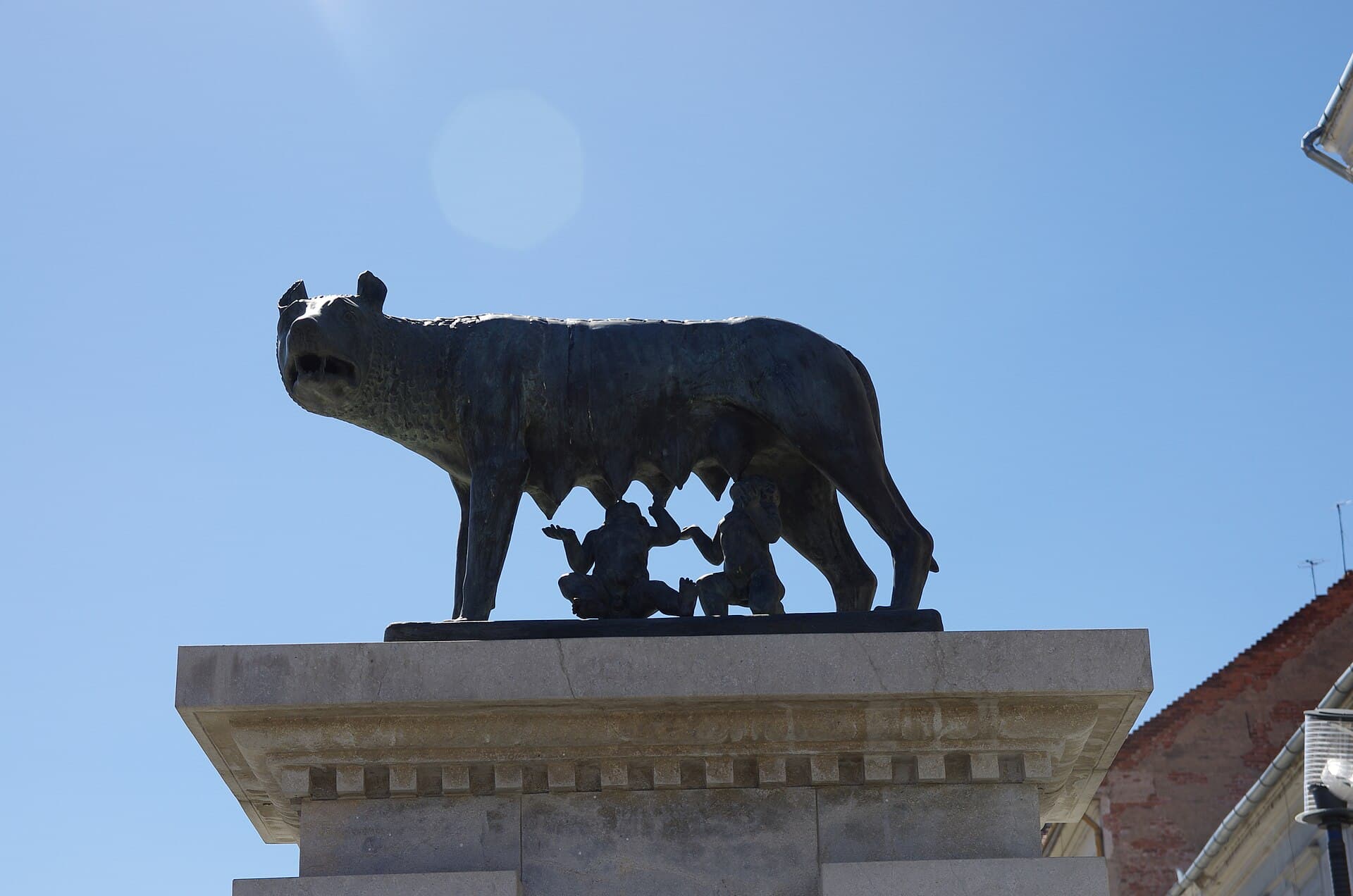 The Capitoline Wolf Statue, ClujA copy of the Roman Capitoline Wolf — the she-wolf suckling Romulus and Remus — 4 minutes walk4.5
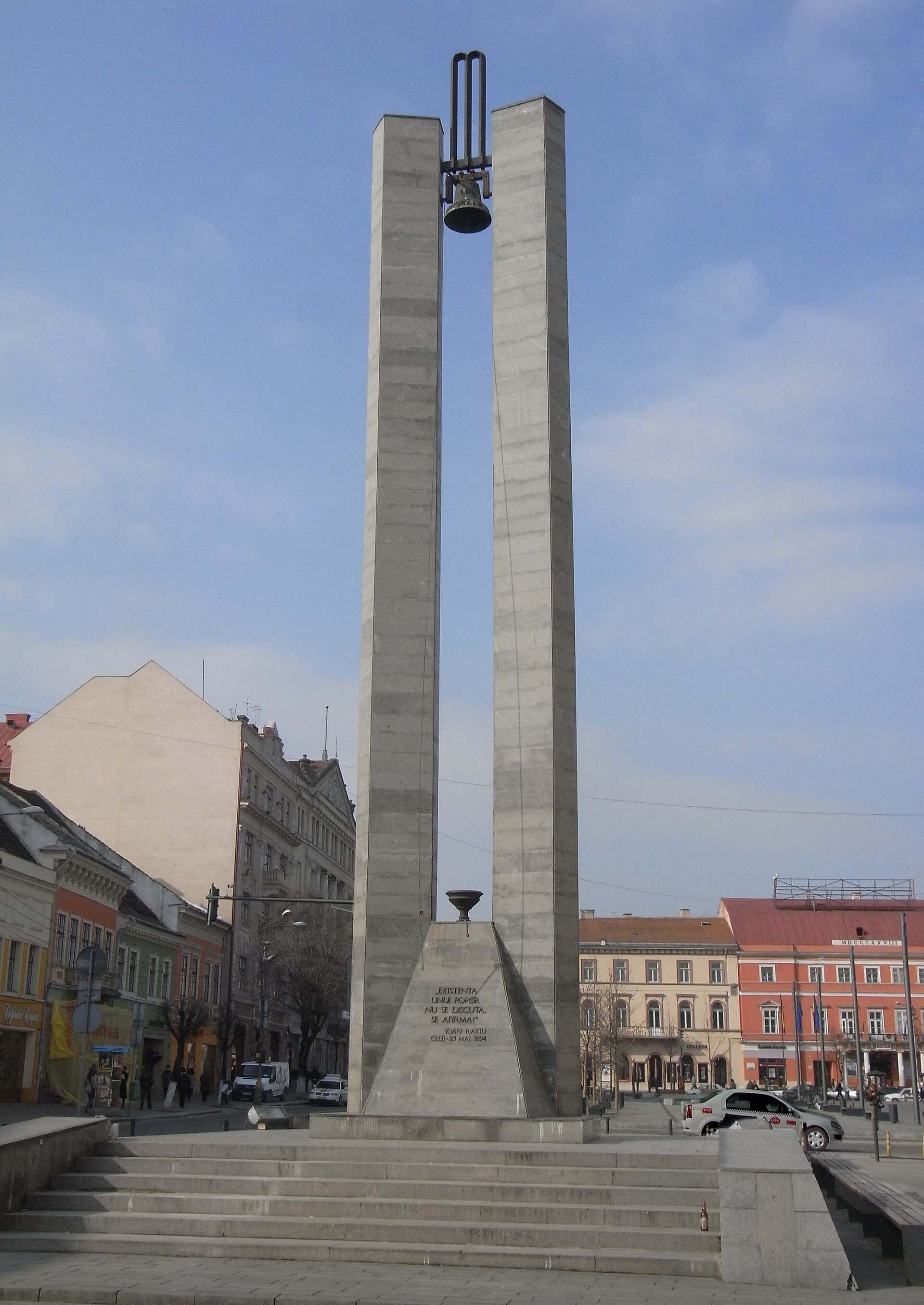 The Memorandum MonumentA memorial in Cluj to the Memorandists, a group of Romanian leaders in Transylva4 minutes walk4.5
Because medieval European sculpture was mostly tied to architecture: figures in church niches and reliefs on portals, seen only from the front. Free-standing sculpture that can be walked around had practically disappeared since the end of the Roman Empire. The work of the brothers of Cluj revives that idea two generations before Donatello, which is why it is cited in histories of European art despite its peripheral location.
The view first: the whole of Cluj from above, the Gothic church at its centre, the palaces on the northern street and the hills around the city. The hill itself was an Austrian fortress built in the eighteenth century to control the city after revolts, and walls and a gate survive from it. The climb by steps from the bridge is about ten minutes, and the best time is before sunset.