
The hexagonal wall
1,800 glass blocks reflecting sea and sky.
Matthew Bellemare — CC BY-SA 2.0 · Holger Uwe Schmitt — CC BY-SA 4.0 · Holger Uwe Schmitt — CC BY-SA 4.0 · Holger Uwe Schmitt — CC BY-SA 4.0
A wall of volcanic glass on the harbour: Harpa concert hall (2011) is clad in 1,800 hexagonal glass blocks drawn from basalt columns, designed by the Icelandic-Danish artist Ólafur Elíasson with Henning Larsen Architects — reflecting sea and sky by day and lighting in shifting colours by night. Its story is part of the country's: construction began at the height of the banking boom and stopped the day of the 2008 crash, then the state decided to finish it alone as a symbol of recovery — making it the building of both crisis and revival, and winner of the European Mies van der Rohe architecture prize in 2013. Entry is free by day: you walk the foyer and climb the stairs among glass walls and reflections, with a small exhibition, cafés and a design shop. The Iceland Symphony Orchestra and the opera play here in the evenings, and architectural tours book by day.
1,800 glass blocks reflecting sea and sky.
Endless reflections between floors.
Austurbakki 2, Reykjavik
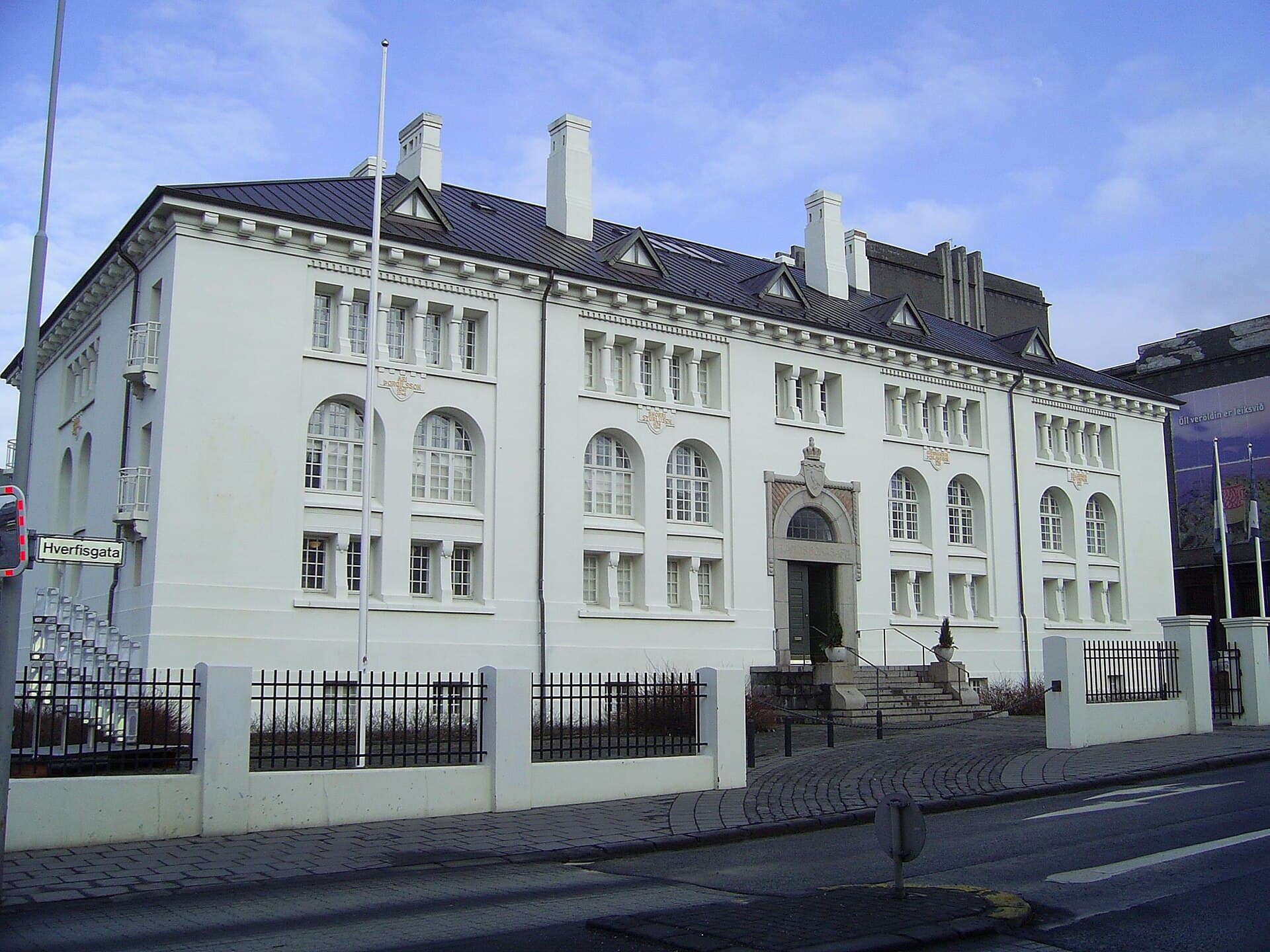 The House of CollectionsA museum in an early twentieth-century building in central Reykjavik, bringing t4 minutes walk4.0
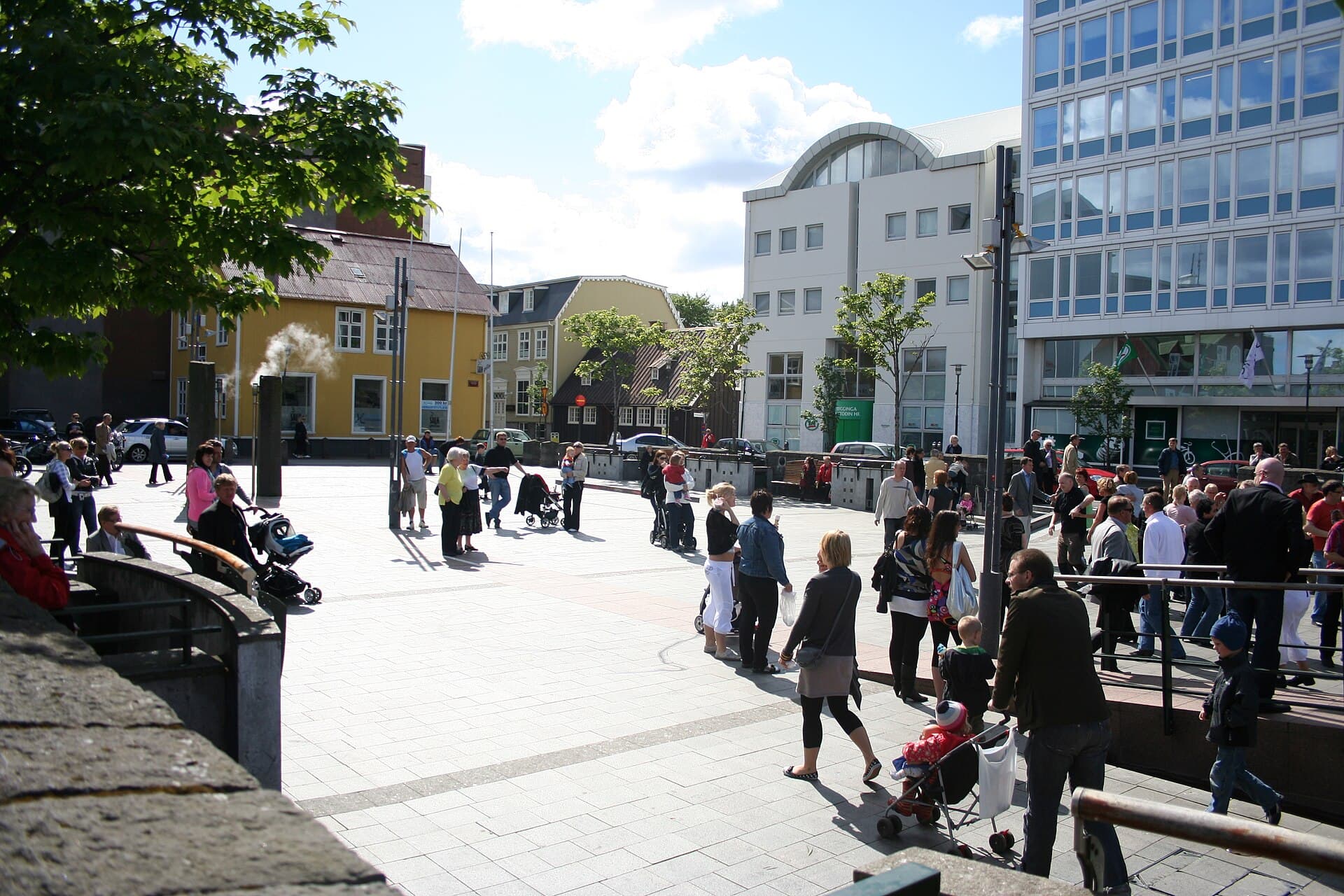 Ingólfstorg SquareAn open square in central Reykjavik, named after Ingólfur Arnarson, whom the Ice6 minutes walk4.6
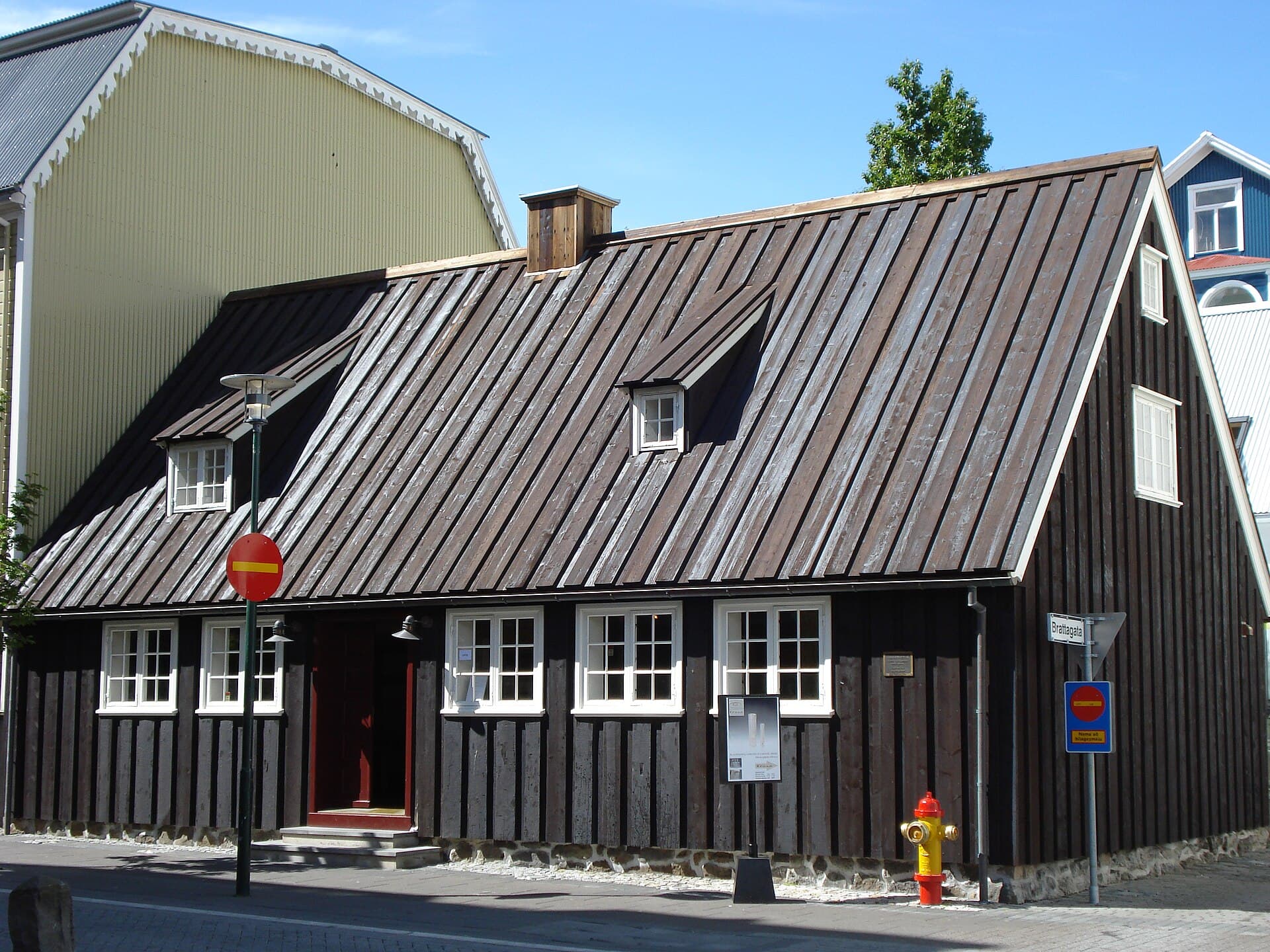 Aðalstræti 10The oldest surviving house in Reykjavik, dating to around 1762, working today as7 minutes walk4.5
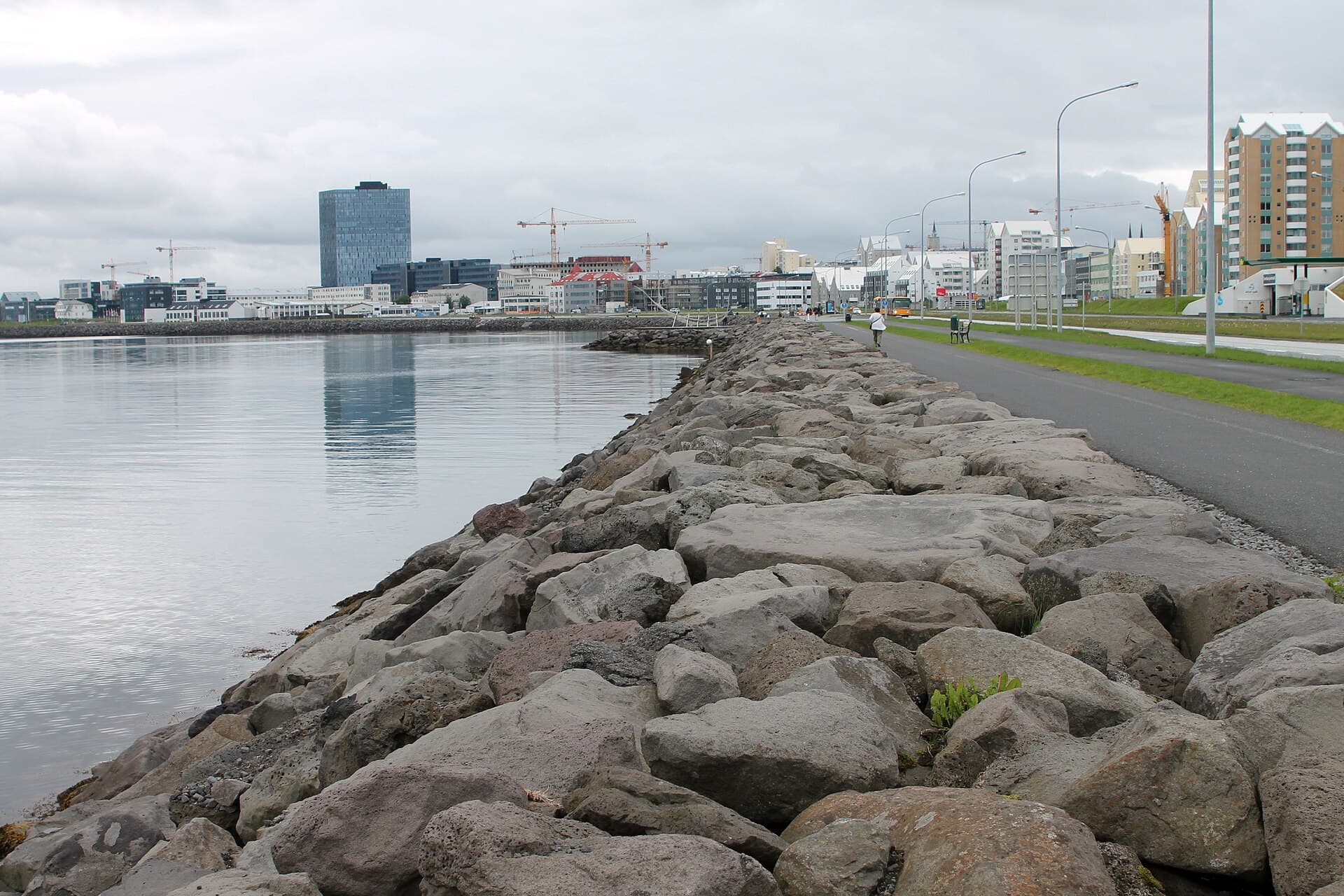 Sun VoyagerA steel skeleton like a bare-boned Viking ship on the sea promenade: Sólfar, the7 minutes walk4.6
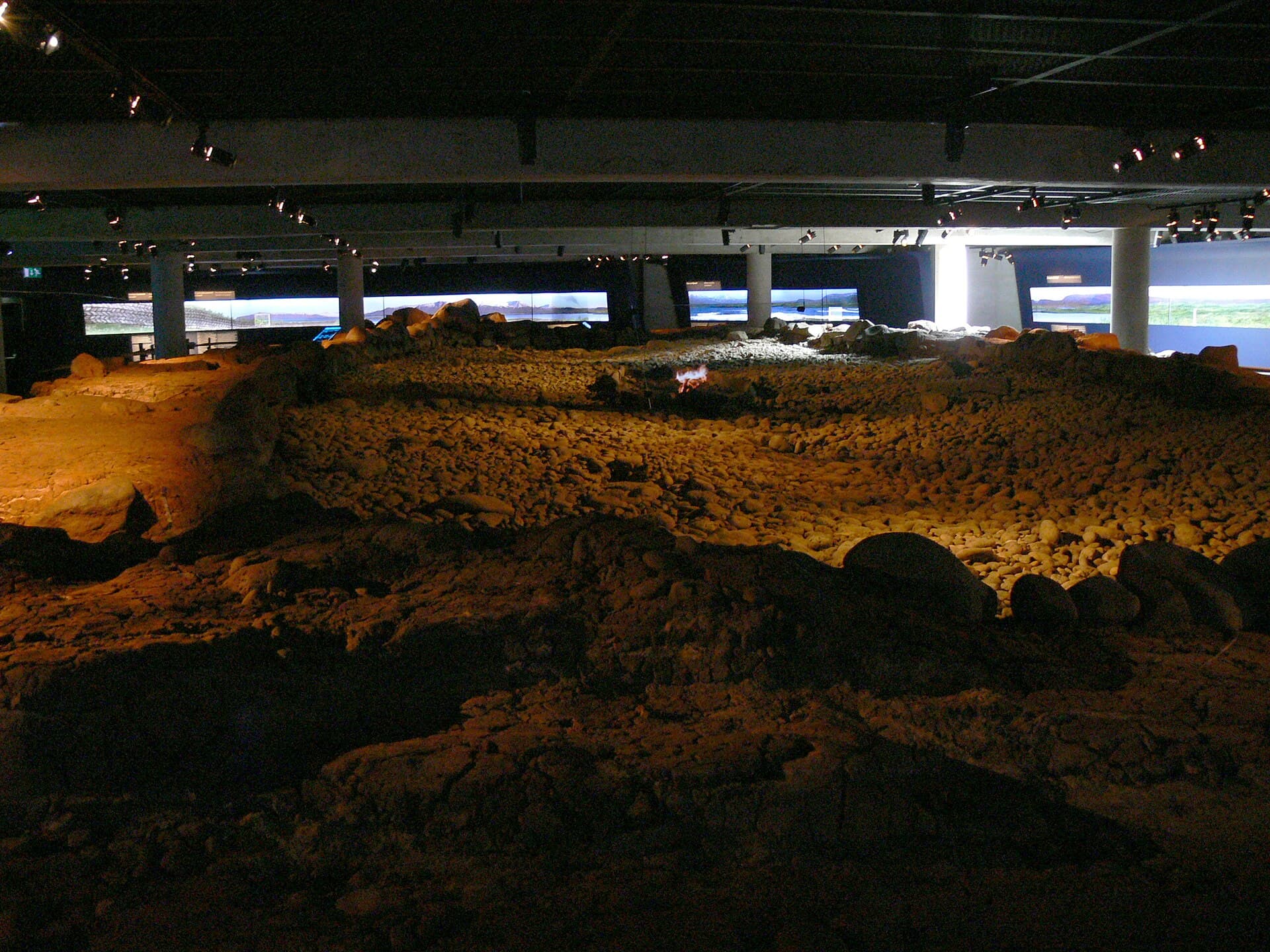 The Settlement Exhibition 871±2Reykjavik's oldest house exactly where it was found: digging hotel foundations i7 minutes walk4.4
The symphony plays weekly at prices reasonable by Icelandic standards; the programme is on the website and tickets sell online.