
Mount Esja
The blue mountain directly behind.
Jakec — CC BY-SA 3.0 · NASA/JPL — Public domain · Ray Swi-hymn from Sijhih-Taipei, Taiwan — CC BY-SA 2.0 · john.purvis — CC BY 2.0
A steel skeleton like a bare-boned Viking ship on the sea promenade: Sólfar, the Sun Voyager, is Jón Gunnar Árnason's sculpture (1990) marking two hundred years since Reykjavik's founding as a town — and the most photographed thing in the city after the church. The sculptor denied it was a Viking ship: he called it "a dream boat, an ode to the sun", carrying the promise of new land, hope and progress — and its northward heading, where the midnight sun sets in summer, makes the midnight photograph in June legendary. It stands on the Sæbraut coastal walk between Harpa and the old harbour, with the bay and blue Mount Esja directly behind. Free and always open, a natural stop on the waterfront walk.
The blue mountain directly behind.
From Harpa to the old harbour along the sea.
Sæbraut, Reykjavik
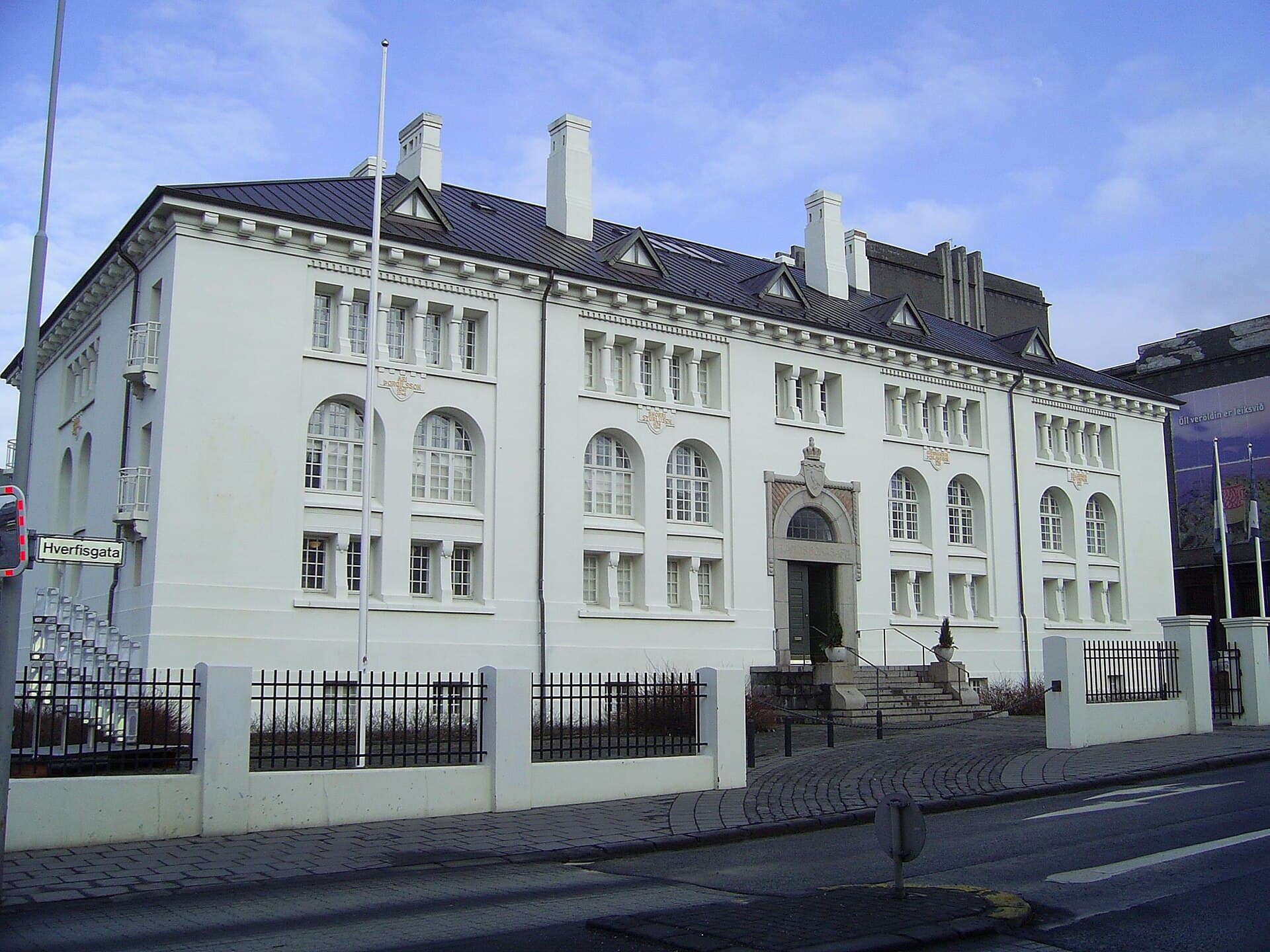 The House of CollectionsA museum in an early twentieth-century building in central Reykjavik, bringing t6 minutes walk4.0
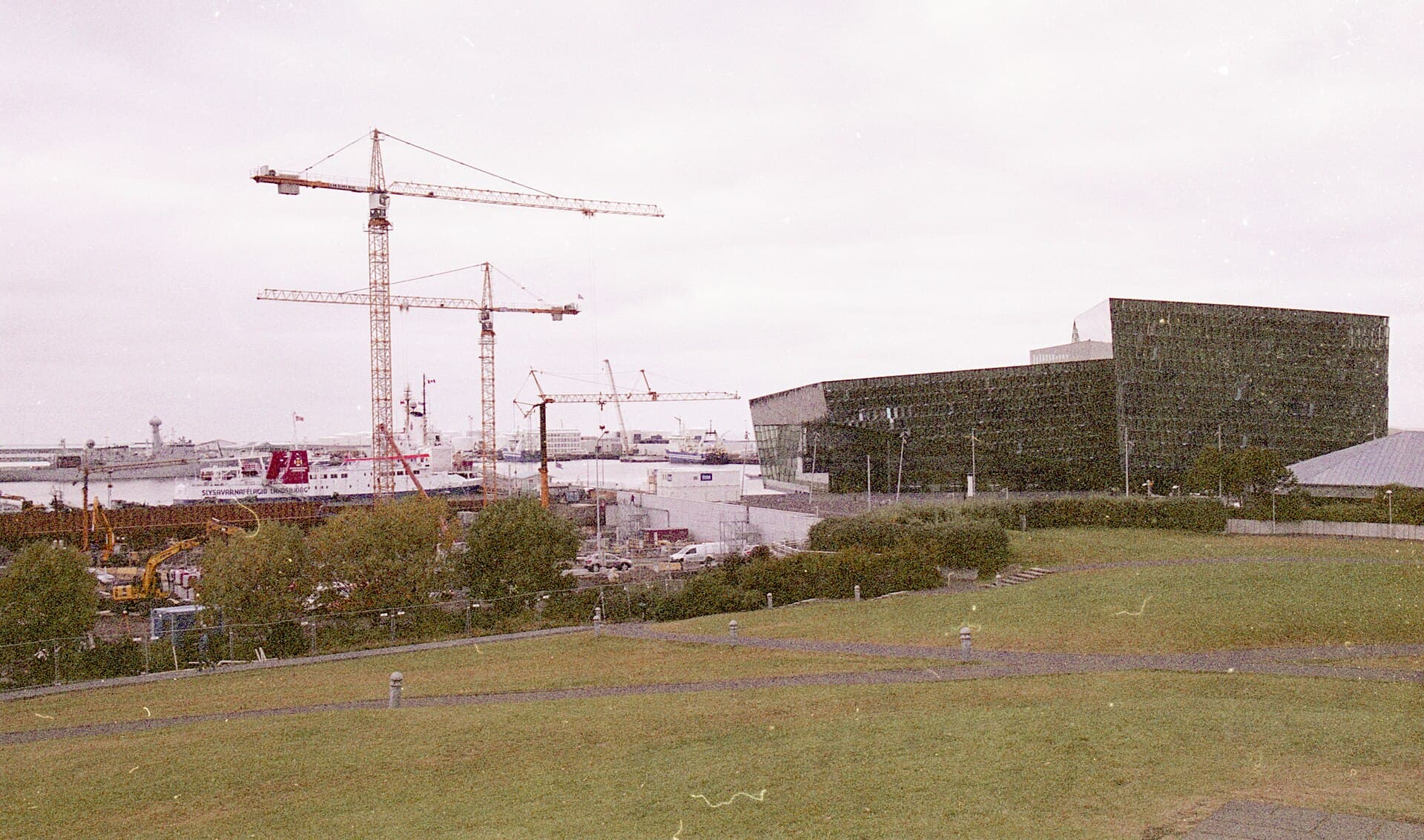 Harpa Concert HallA wall of volcanic glass on the harbour: Harpa concert hall (2011) is clad in 1,7 minutes walk4.5
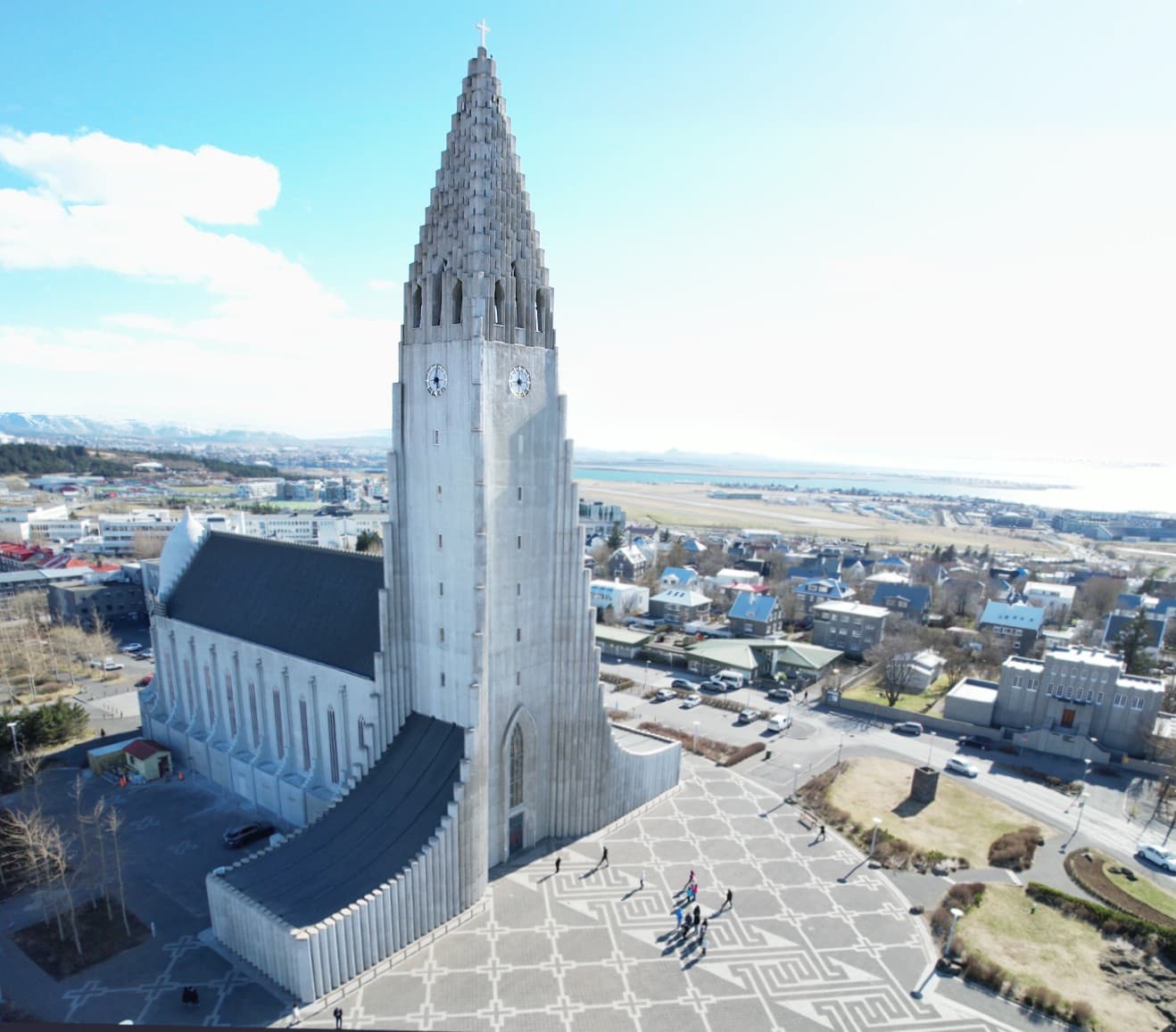 HallgrímskirkjaReykjavik's tallest building and its undisputed emblem: Hallgrímskirkja's steppe8 minutes walk4.5
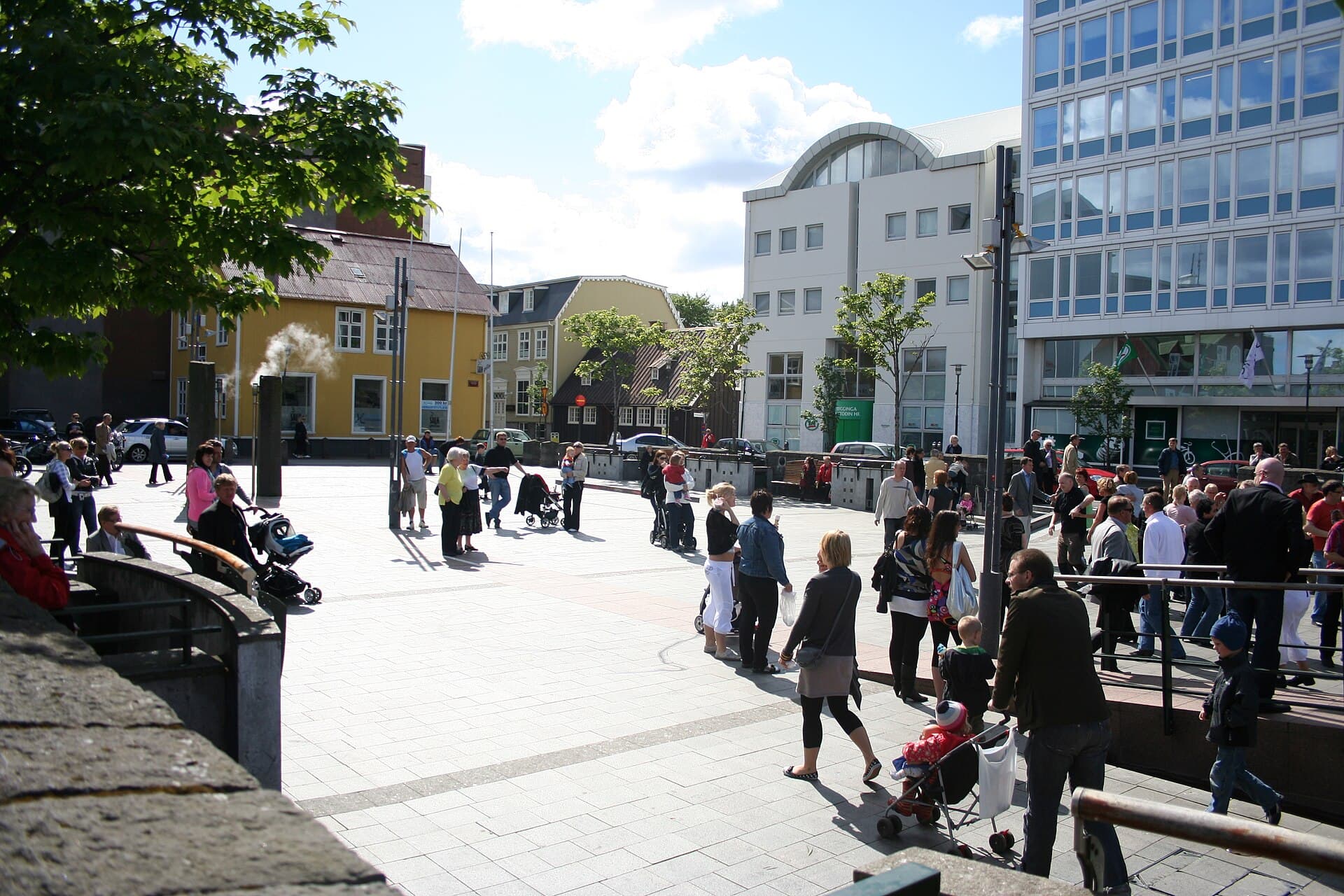 Ingólfstorg SquareAn open square in central Reykjavik, named after Ingólfur Arnarson, whom the Ice12 minutes walk4.6
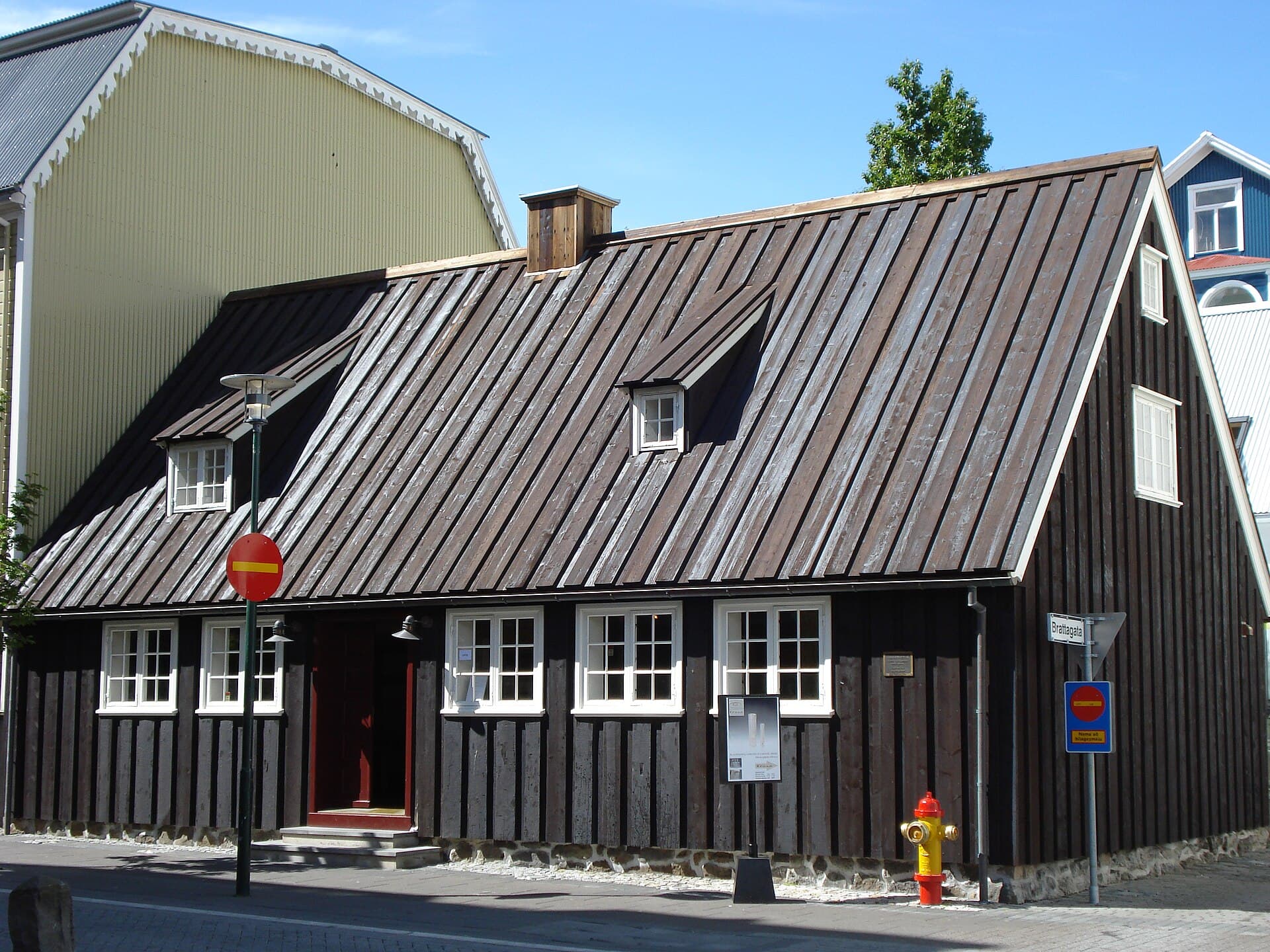 Aðalstræti 10The oldest surviving house in Reykjavik, dating to around 1762, working today as12 minutes walk4.5
The long sunsets of May-July, or winter at noon when the sun sits low; avoid summer midday for the coach crowds.