
The saga manuscripts
The basis of what is known of early Scandinavian history and Norse myth.
Guðmundur D. Haraldsson — CC BY-SA 3.0 · Vera de Kok — CC BY-SA 3.0 · Geraldshields11 — CC BY-SA 4.0 · Jóhann Heiðar Árnason — CC BY-SA 3.0
A museum in an early twentieth-century building in central Reykjavik, bringing together holdings from six different Icelandic national institutions in one exhibition. The idea is unusual: rather than each museum showing its collection separately, the House of Collections draws works from the National Museum, the National Library, the National Gallery and others, and arranges them around themes rather than institutions. The result is that a medieval manuscript may hang beside a twentieth-century painting because both deal with the same idea. Its most precious holdings are the manuscripts: Iceland keeps an exceptional collection of medieval saga manuscripts, the basis of what is known about early Scandinavian history and Norse mythology. They were written on vellum on isolated farms, and their survival through centuries of poverty and cold is remarkable in itself. The building was put up in 1909 as the National Library and is among the first major buildings of modern Reykjavik. Practical points: entry is ticketed and may cover other national museums. The location is entirely central. Manuscripts are light-sensitive and the displays may rotate.
The basis of what is known of early Scandinavian history and Norse myth.
Written on vellum on isolated farms, surviving centuries of poverty and cold.
A medieval manuscript beside a modern painting because both share an idea.
Hverfisgata, central Reykjavik
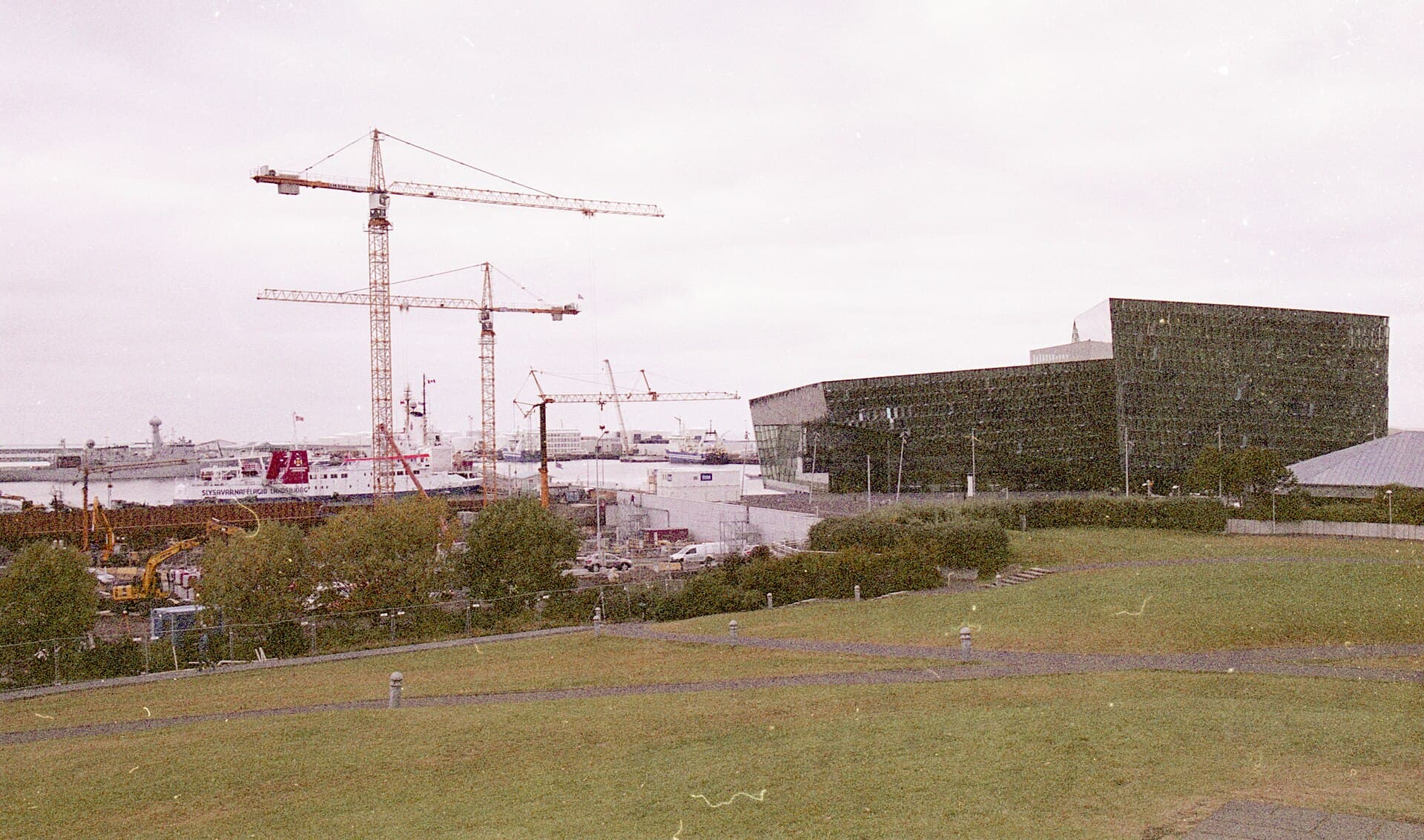 Harpa Concert HallA wall of volcanic glass on the harbour: Harpa concert hall (2011) is clad in 1,4 minutes walk4.5
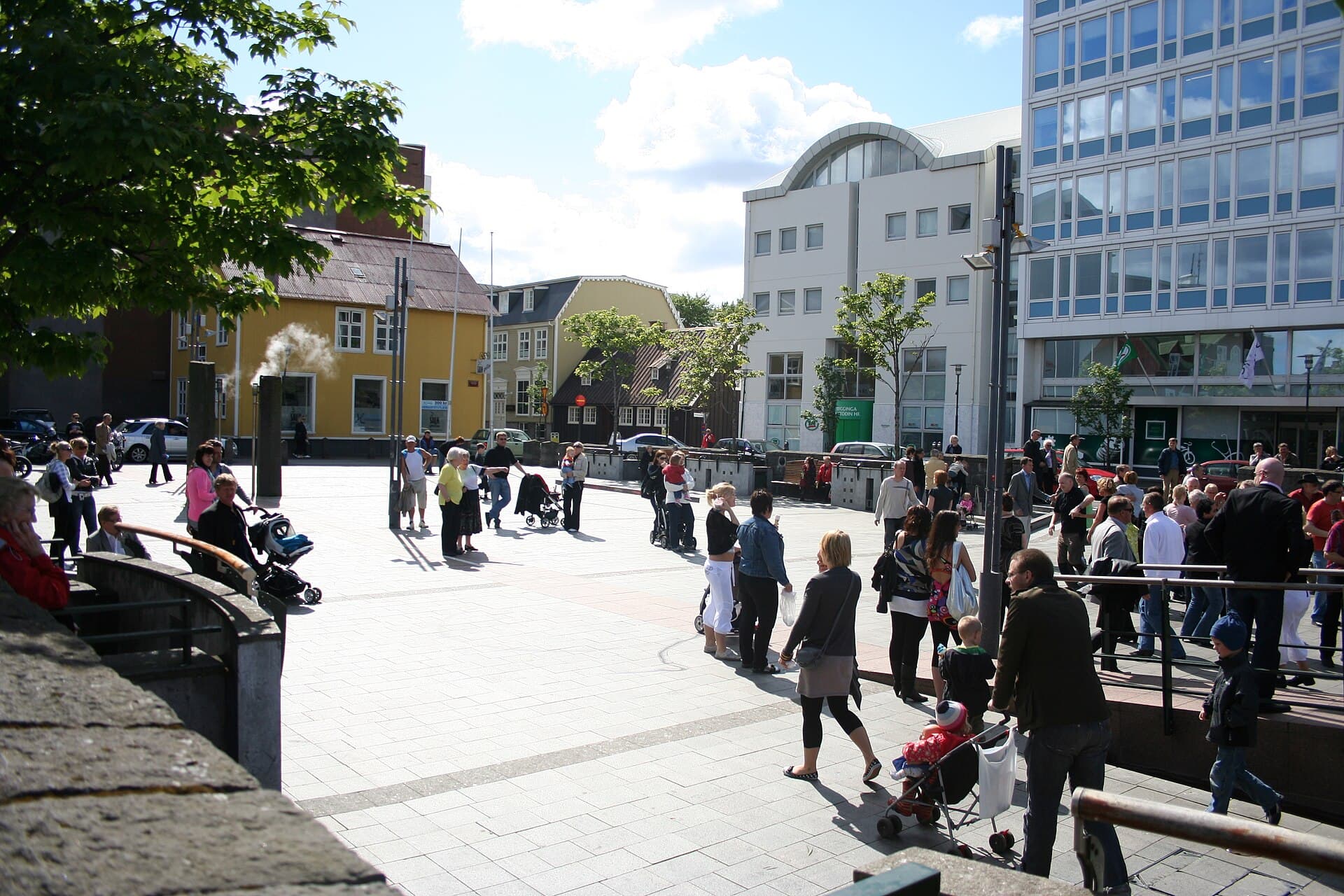 Ingólfstorg SquareAn open square in central Reykjavik, named after Ingólfur Arnarson, whom the Ice6 minutes walk4.6
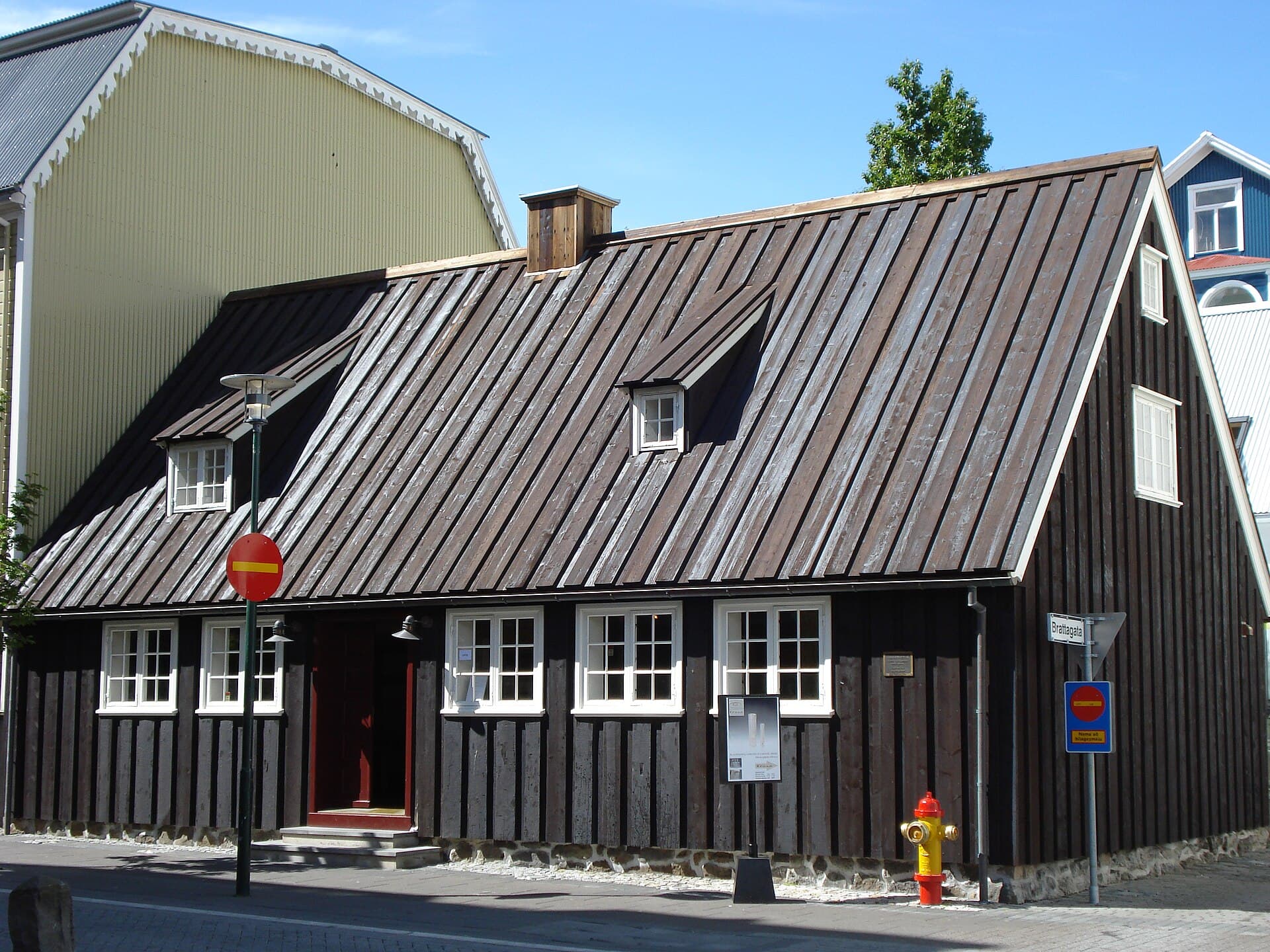 Aðalstræti 10The oldest surviving house in Reykjavik, dating to around 1762, working today as6 minutes walk4.5
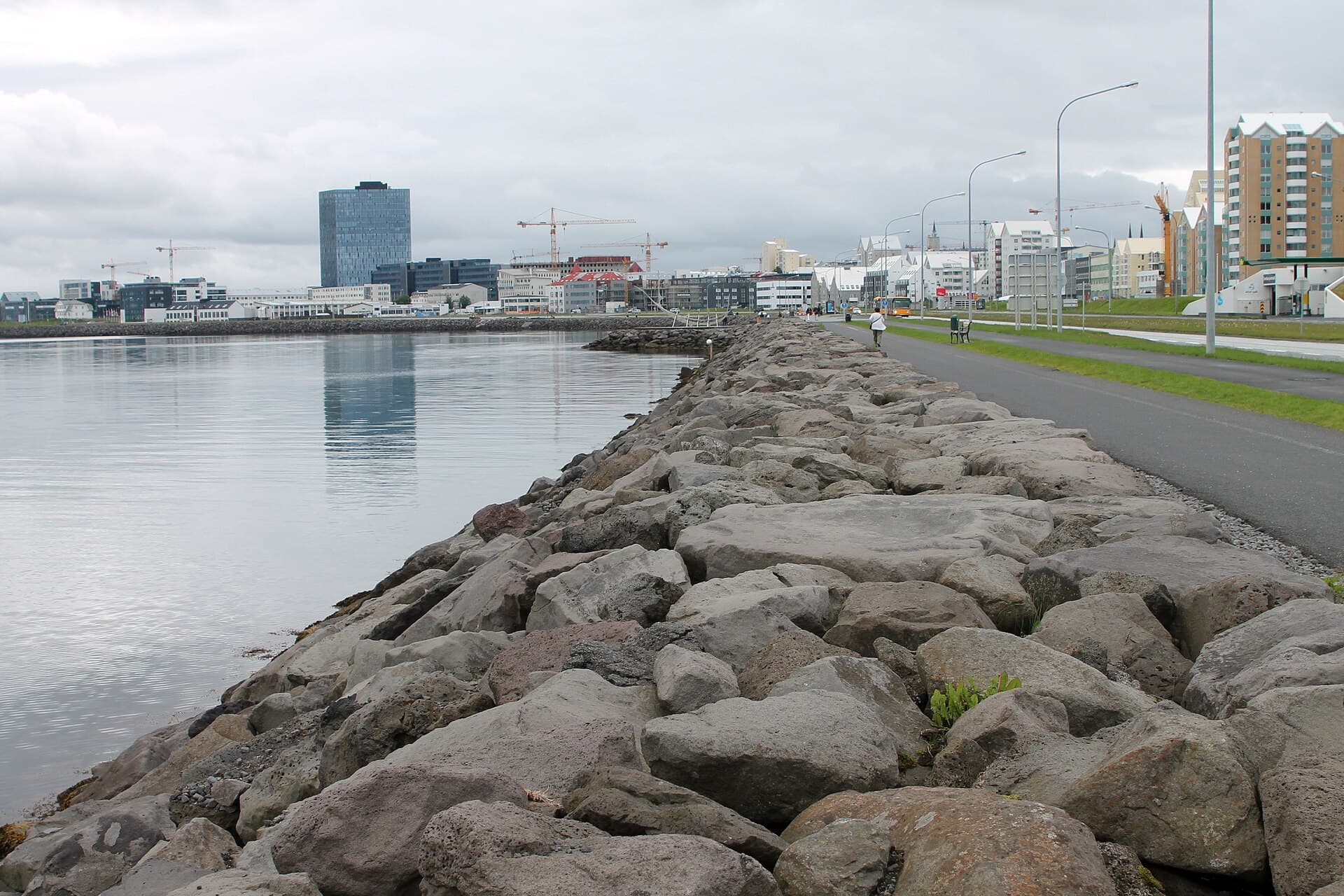 Sun VoyagerA steel skeleton like a bare-boned Viking ship on the sea promenade: Sólfar, the6 minutes walk4.6
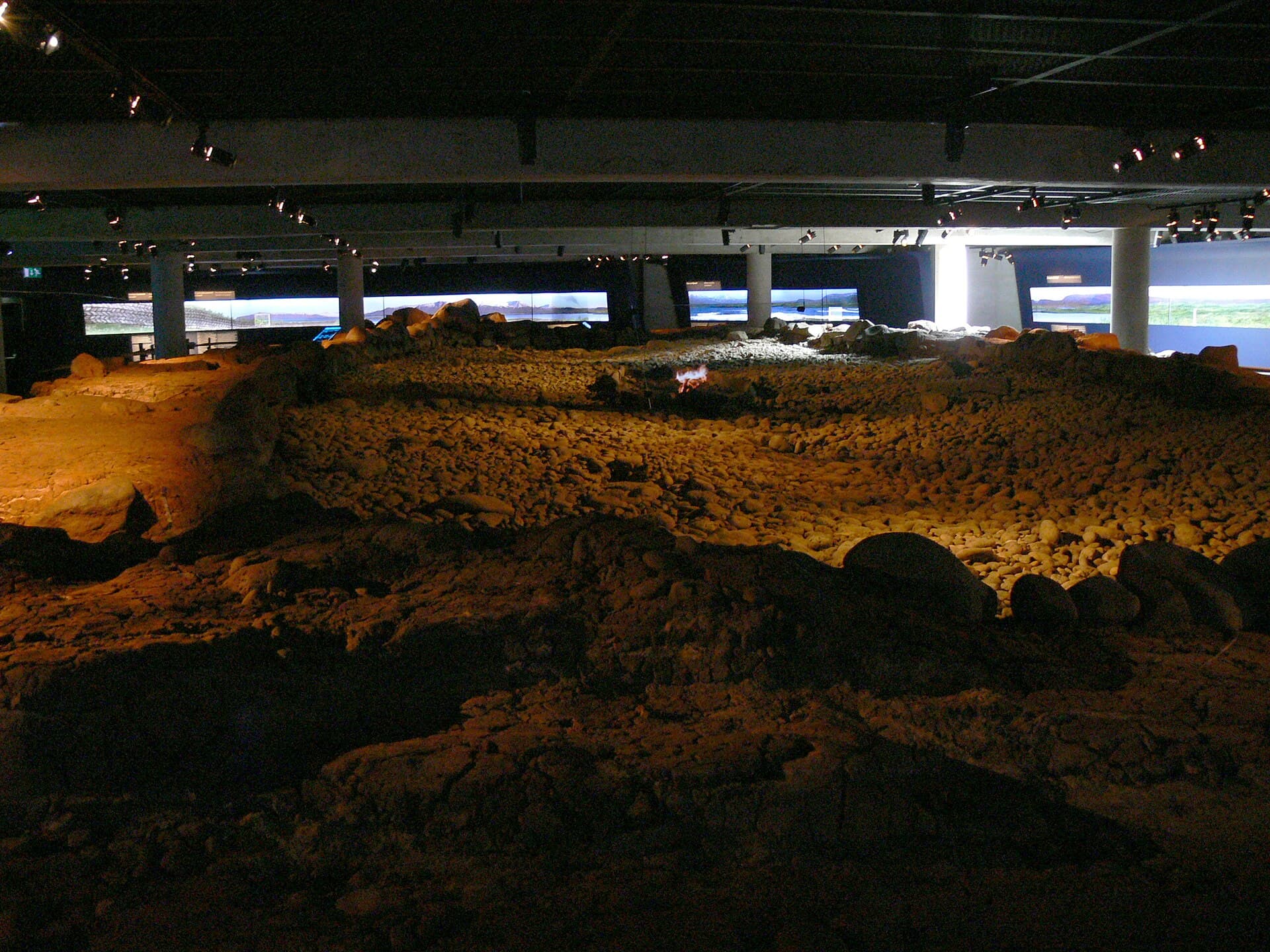 The Settlement Exhibition 871±2Reykjavik's oldest house exactly where it was found: digging hotel foundations i6 minutes walk4.4
Prose texts written in Iceland in the thirteenth and fourteenth centuries recounting the settlement period and the centuries after: family feuds, voyages and explorations, in a spare realistic style unusual in medieval literature. Some record voyages to Greenland and North America centuries before Columbus. They are among the most important literature medieval Europe produced.
The National Museum presents Iceland's history chronologically from settlement to the present and is the broader introduction. The House of Collections is smaller and more experimental in its display, concentrating on manuscripts and art. With time for only one, the National Museum first; if manuscripts specifically interest you, this one.